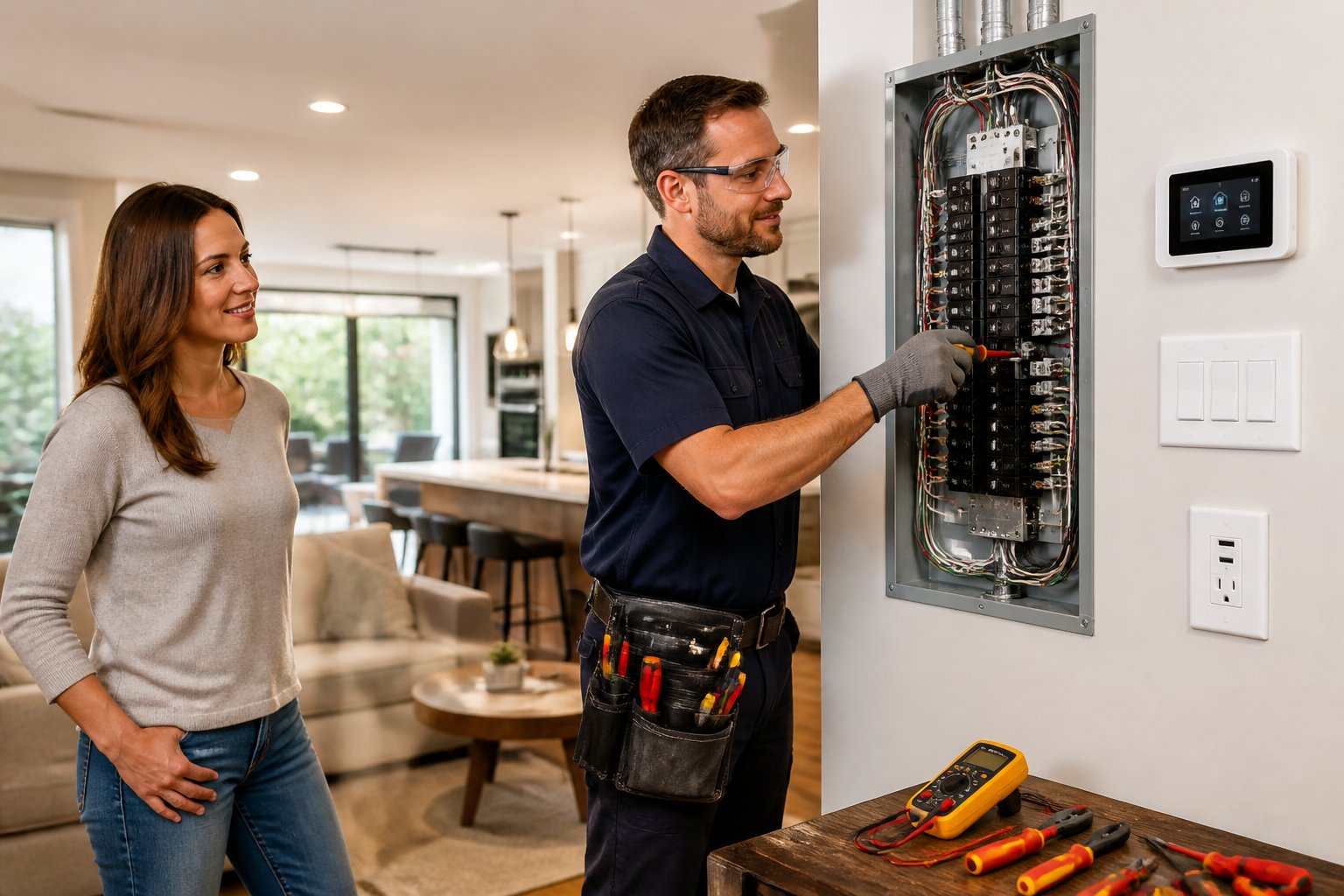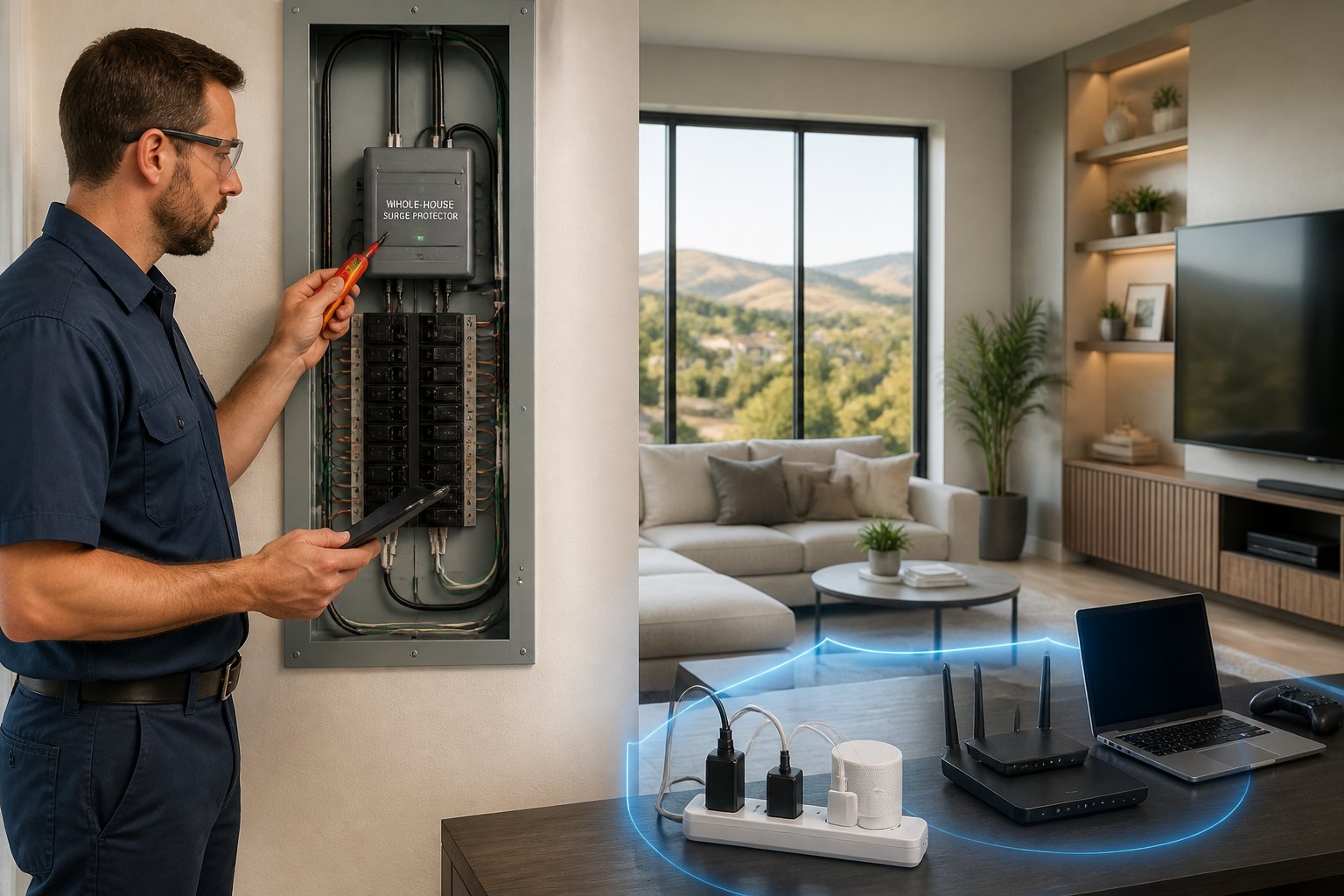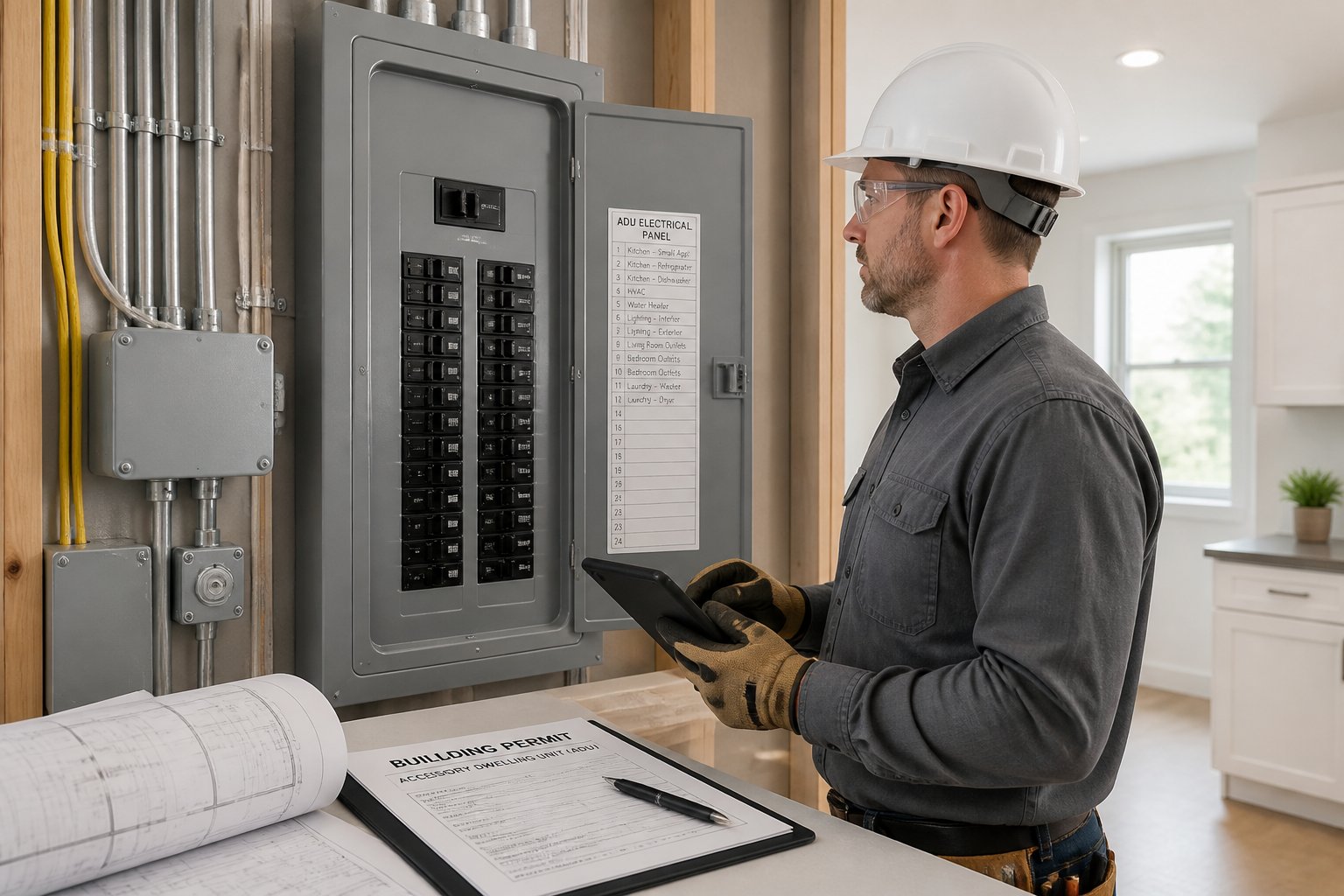
Adding an accessory dwelling unit (ADU) means your property now has to handle a second home's worth of electrical demand. So, before you even think about buying a panel, you need a load calculation. Most ADUs end up with a 100-amp or 125-amp subpanel fed from the main house, dedicated kitchen and laundry circuits, GFCI and AFCI protection throughout, and a permit that covers both rough-in and final inspections.
Here's the basic idea: your ADU needs its own subpanel with a disconnect, a feeder sized by a licensed electrician using the National Electrical Code, and enough spare capacity at the main panel to handle the new load. If your main panel is only 100 amps, you’ll probably need a service upgrade. If you’ve got a 200-amp service with room to spare, a subpanel usually does the trick.
Let’s break down how load calculations work, how to choose between a shared service and a separate meter, which circuits and safety devices the code requires, how local energy rules shape the design in places like Sacramento and Austin, and what the permit and inspection process actually looks like.
Start With Service Capacity And Load Planning
Every ADU electrical project starts with one question: how many amps will this new unit draw? A licensed electrician runs a load calculation under NEC Article 220, adds that number to your existing house load, and checks if your electrical service can handle it. That calculation determines your panel size, feeder size, and whether you’ll need a service upgrade before you start framing.
What A Load Calculation Measures
Load calculations add up general lighting and receptacle loads based on square footage, then stack on the required small appliance and laundry circuits, and finally the nameplate ratings of fixed appliances and HVAC equipment. Demand factors reduce the total because you won’t run everything at once.
For a typical 700 to 900 square foot ADU, you’ll usually see calculated demand between 60 and 100 amps. That’s why a 100-amp subpanel is common for a 900-square-foot ADU, but 125 amps gives you extra headroom for future needs.
Appliances And HVAC Loads That Change The Plan
The big amp draws come from 240V circuits. Here’s what pushes the numbers up:
ApplianceTypical circuit Electric range40 to 50 amp, 240VElectric dryer30 amp, 240VHeat pump water heater30 amp, 240V (some 120V models exist)Mini split or heat pump HVAC20 to 40 amp, 240VEV charger40 to 60 amp, 240V
If you go all-electric with a heat pump, heat pump water heater, electric range, and dryer, your calculated load can double compared to a unit using gas for cooking and hot water. In Sacramento and Austin, long, hot summers mean you’ll need to size up HVAC equipment, too.
When An Existing Electrical Service Needs An Upgrade
If your main panel is still at 100 amps, you’ll almost always run short on capacity. As this ADU engineering guide on panel sizing explains, a 200-amp main with some room to spare can often support a 125-amp subpanel, but a 100-amp main just can’t handle both the house and a new ADU.
Upgrading to a 200-amp service typically costs $2,500 to $6,000 in Sacramento and Austin, depending on meter location, panel condition, and whether the utility needs to replace the service drop. Older homes with fuse panels or outdated wiring often need extra work, so get that checked out early.
Choose The Right Panel, Feeder, And Meter Setup
You’ve got three main ways to power an ADU: run a subpanel from the main house panel, install a new separate meter and service, or add a submeter for tracking usage without a second utility account. This choice affects your costs, billing setup, utility company approval, and how you’ll ground the detached unit.
Shared Main Service Versus An ADU Subpanel
Most people go with a subpanel in the ADU, fed from the main panel. One utility bill, one meter, and just one connection point. It’s simple and works well for family, guests, or home offices.
But if you want to rent the ADU and split the power bill, you’ll need to add a submeter. Shared service ties the ADU’s available capacity to whatever the main house isn’t using, so keep that in mind.
When Separate Metering Makes Sense
A separate electrical meter gives the ADU its own utility account and bill. Landlords often prefer this, but it costs more—usually several thousand dollars once you add the meter pedestal, service equipment, trenching, and utility fees. Utilities like SMUD and Austin Energy set the approval rules and timelines.
California law helps if you’re converting existing space inside a single-family home, like a garage; local agencies and utilities can’t require a separate utility connection. New detached construction is different, and separate connections and fees may apply. A submeter falls somewhere in between, as explained in this comparison of separate meters, submeters, and shared service.
Detached Unit Grounding And Feeder Considerations
Detached ADUs count as separate structures under code. You’ll need a four-wire feeder with separate neutral and ground, a disconnect at the ADU, and its own grounding electrode system—usually two ground rods or a connection to the building’s foundation rebar.
You’ll usually run the feeder in PVC conduit underground. Burial depth is typically 18 inches for PVC conduit, 24 inches for direct-burial cable. Long runs—say, 150 feet to a backyard unit—can require a larger wire size to prevent voltage drop. Trenching costs add up, often $15 to $30 per foot, especially if you have to cut through concrete or landscaping.
Plan Code-Compliant Circuits And Safety Protection
The National Electrical Code treats an ADU as a full dwelling, so you’ll need the same circuits and safety devices as a regular house: dedicated appliance circuits, GFCI and AFCI protection, proper outlet spacing, and clear working space around the panel.
Kitchen, Laundry, And Major Appliance Circuits
Even a tiny kitchen needs two 20-amp small appliance circuits for the countertops. Add dedicated circuits for:
- Refrigerator
- Dishwasher
- Garbage disposal
- Microwave
- Range or cooktop (240V)
- Laundry receptacle (20 amp)
- Electric dryer (30 amp, 240V)
- Water heater and HVAC
If you use gas for cooking or hot water, you’ll still need a 120V circuit for the range igniter and the furnace or air handler.
Where GFCI And AFCI Protection Apply
GFCI protection covers receptacles in kitchens, bathrooms, laundry areas, garages, outdoors, and anything within 6 feet of a sink. Recent code cycles now require GFCI protection for dishwashers and 240V outlets in those areas, too.
AFCI protection covers most 120V, 15- and 20-amp branch circuits in living spaces—think bedrooms, living rooms, kitchens, and hallways. Many ADUs use dual-function breakers for both. This guide on GFCI and AFCI requirements for ADUs covers the details. Inspectors will check these closely.
Outlets, Switches, Lighting, And Equipment Access
Receptacle spacing follows the usual rule: no spot along a wall should be more than 6 feet from an outlet, and any wall section 2 feet or wider gets one. Kitchen counters need outlets every 4 feet. Bathrooms need a GFCI outlet within 3 feet of the sink.
You’ll want a wall switch at every entrance, plus exterior lights at doors. Smoke and carbon monoxide alarms are required and usually interconnected. The panel needs 30 inches of width, 36 inches of clear space in front, and at least 6.5 feet of headroom. Don’t put it in a bathroom or closet.
Account For Energy Code, Solar, And Future Upgrades
Energy codes layer on top of electrical code, and they hit hardest in California. Sacramento projects follow Title 24, which sets rules for insulation, HVAC, water heater type, and often requires rooftop solar. Austin’s code is less strict on renewables but still sets efficiency targets.
California Title 24 Considerations For Sacramento ADUs
Title 24 Part 6 sets energy efficiency rules for new residential construction, including detached ADUs. You’ll need to submit energy calculations with your permit, and inspectors will check insulation, duct sealing, venting, and equipment in the field.
Most newly built detached ADUs in California must have solar panels, unless you qualify for an exemption based on roof area, shading, or unit size. Conversions and attached units usually don’t need solar. The state’s 2025 Energy Code guidance also requires space near the main panel and raceways for future system isolation or a transfer switch, so you can add backup power later.
All-Electric Design Versus Extending Gas Service
Going all-electric means you skip trenching for a gas line, adding a meter, and venting combustion appliances inside a small space. The tradeoff is a bigger electrical load, which can push you toward a larger subpanel or even a service upgrade.
Many Sacramento areas now require electric heat pump equipment in new construction. In Austin, gas is still common, but heat pumps work well and simplify the design.
Leave Capacity For Solar Power And EV Charging
Don’t fill every breaker slot right away. Leave two spare 240V spaces and a spot for solar—it’ll save you a lot later. This BuildX overview of ADU electrical requirements recommends running conduit from the crawl space to the roof for future solar, and pre-wiring for a 60-amp EV charger.
Running a 1-inch conduit from the panel to the parking spot during construction is cheap compared to trenching later. Same goes for a battery location or generator inlet.
Permits, Utility Coordination, And Project Costs
You’ll always need a permit for ADU electrical work. The specifics depend on whether you’re converting a garage, adding to the house, or building a detached unit, but you’ll go through rough-in and final inspections and coordinate with the utility for any service change.
How ADU Type Changes The Electrical Scope
A garage conversion might already have a subpanel and feeder, so you’ll focus on adding circuits, insulation, and upgrading the space for heating and cooling. Once the walls are open, you’ll need to bring existing wiring up to code.
A detached ADU needs it all: trenching, feeder, subpanel, grounding electrodes, and coordinating with water and sewer lines in the same trench if possible. Here’s more on ADU utility connections. An attached addition falls somewhere in between—the feeder run is short, but you still have to do the load calculation.
Permit And Inspection Expectations In Sacramento And Austin
In both Sacramento and Austin, you’ll usually pull the electrical permit as part of the ADU building permit. Expect at least an underground or trench inspection, a rough-in before drywall, and a final before turning on power. Utility coordination for a new meter or service upgrade adds its own timeline—sometimes several weeks.
Permit-related fees for an ADU typically range from $3,000 to $15,000, including plan review, impact fees, and utility connections. Approvals take about 6 to 14 weeks from application. Sacramento County and the City of Austin both publish ADU-specific checklists—follow them closely to avoid plan-check delays.
Cost Factors And When To Call a Licensed Electrician
Trench length, service upgrades, meter setups, and your mix of appliances drive most of the cost. Running a subpanel and feeder to a detached unit usually lands somewhere between $3,000 and $8,000 before finish wiring. Add a separate meter and service, and you’re looking at several thousand more, depending on your lot, utility, and panel.
Here’s the real deal on what you can tackle yourself. Painting, demolition, and picking out fixtures—sure, go for it. But when it comes to load calculations, feeder sizing, grounding at a detached structure, panel work, or anything involving the meter, you need a licensed electrician. Texas lets homeowners permit some work on their own homestead, and California offers an owner-builder route, but both come with real risks. If you mess up a buried splice or fail inspection, fixing it usually costs way more than hiring a pro up front. Good contractors who handle the work themselves—like Atlanta Leak Pros does with repairs—tend to spot issues early and don’t just kick the can down the road.
Frequently Asked Questions
People ask a lot about ADU electrical permits, feeder runs, metering, panel size, sharing service, and what’s off-limits for DIY.
What electrical permits are required for an ADU?
You’ll need an electrical permit, usually bundled into your main ADU building permit. Inspectors check the underground trench, the rough-in before drywall, and the final setup before the utility turns on the panel. If you’re adding a meter or upgrading the main service, you also have to file a separate utility application.
How do I run power from the main house to an ADU?
A licensed electrician runs a feeder from your main panel to a subpanel in the ADU, almost always in PVC conduit buried 18 to 24 inches deep (depending on wiring method). The feeder needs four wires: two hots, a neutral, and a separate ground. If you have a long run, you’ll need thicker wires to keep voltage drop in check.
Does an ADU need a separate electrical meter?
Usually not. Most ADUs use a subpanel off the main house service, and California law actually bars requiring a separate connection for units converted inside an existing home. If you’re planning to rent and want the tenant billed directly, a separate meter can make sense. You can also use a submeter for tenant billing at a lower cost.
What electrical panel size is needed for an ADU?
A 100-amp subpanel covers most units up to about 900 square feet. If your main service can handle it, 125 amps is a common step up. The right size always comes from a real load calculation—appliances, HVAC, even future EV charging matter. Never pick a panel size just by square footage.
Can an ADU share the main home's electrical service?
Yes, if the load calculation shows your main service can handle both loads. A 200-amp service with moderate use often has space for an ADU subpanel. If you’ve only got 100 amps, probably not. An electrician checks this before you start design.
Can a homeowner perform electrical wiring for an ADU?
Texas and California let homeowners do some owner-builder work on their own homes, but ADU wiring isn’t a simple DIY project. You’ll have to deal with service calculations, feeder sizing, grounding for detached structures, and panel connections—mistakes here can cause shocks or fires. If you’re planning to rent out the unit, you’ll face extra liability and insurance headaches. Swapping a light fixture or cosmetic work is one thing, but for anything more, call a licensed electrician.
Thinking about an ADU in the Sacramento or Austin area? AAA Electrical Services is local, licensed, insured, and background-checked. We handle ADU load calculations, subpanels, feeders, and service upgrades. Upfront flat-rate pricing and financing options keep things simple. Call us or request a free estimate at aaaes.com—we’ll walk your property, check your current service, and lay out exactly what your ADU needs.