Thinking about electrical upgrades in Elk Grove? Whether you’re swapping out your panel, adding outlets, or getting ready for an EV charger, these changes make your home safer, more efficient, and just plain ready for today’s power needs. You’ll protect your family and dodge headaches by hiring licensed, safety-first electricians who offer upfront flat-rate pricing and same-day service.
Here’s a walk-through of popular upgrades, key safety steps, cost basics, and what to know before you hire a pro in Elk Grove. You’ll get advice about future-proofing, speedy repairs from well-stocked vans, and what to ask during inspections so you end up with honest work and real peace of mind.
AAA Electrical Services has more than 40 years of local experience and brings a family-safety-first mindset to every job. Certified techs, clear pricing, and tidy, fast service keep your home running safely.
Overview of Residential Electrical Upgrades in Elk Grove CA
You’ll get the gist of what local rules require, which upgrades are hot right now, and how modern systems make homes safer and more energy-smart. Handy for planning and picking a contractor who actually knows their stuff.
Understanding Local Electrical Codes
Elk Grove uses California’s electrical codes and its own city tweaks. You’ve got to meet the California Electrical Code (which follows the NEC), plus any Elk Grove permits and inspection rules.
Permits are a must for panel changes, new circuits, EV charger installs, and big rewiring jobs. Skip the permit, and you risk hassles with resale and safety later.
After work wraps up, inspections happen before power gets switched back on. Save all your paperwork—receipts, permit numbers, inspection reports. Ask your electrician to confirm code compliance and to handle permits for you.
Common Upgrade Projects
In Elk Grove, panel upgrades, new dedicated circuits, and EV charger installs are super common. Panel upgrades stop frequent tripping, support new appliances, and let you add stuff like home batteries or chargers.
Rewiring older homes, especially those with knob-and-tube or aluminum wiring, cuts fire risks. Other go-to projects: GFCI/AFCI outlet installs, LED lighting, ceiling fans, and whole-home surge protection.
Same-day service is possible for many small repairs if the tech has the right parts on hand. For bigger stuff, like panel work, expect to coordinate permits and inspections—it might take a day or two. Here’s what to expect.
Benefits of Modernizing Electrical Systems
Upgrades make your home safer by reducing overloads, preventing shocks, and meeting AFCI/GFCI requirements. That means fewer trips, less fire risk, and less chance of expensive damage.
Modern systems also help with energy efficiency and support new tech—think EV chargers and solar. A new panel or added circuits means you can run HVAC, chargers, and appliances without flipping breakers every week.
When you pick a licensed, insured team, you get peace of mind. Look for clear, flat-rate pricing, vans stocked for quick fixes, and a safety-first attitude to protect your family.
Types of Residential Electrical Upgrades
These upgrades aim to make your home safer, handle more gadgets, and waste less energy. Expect work on your panel, circuits, wiring, and lighting—so you get better capacity, reliability, and comfort.
Panel Upgrades and Capacity Increases
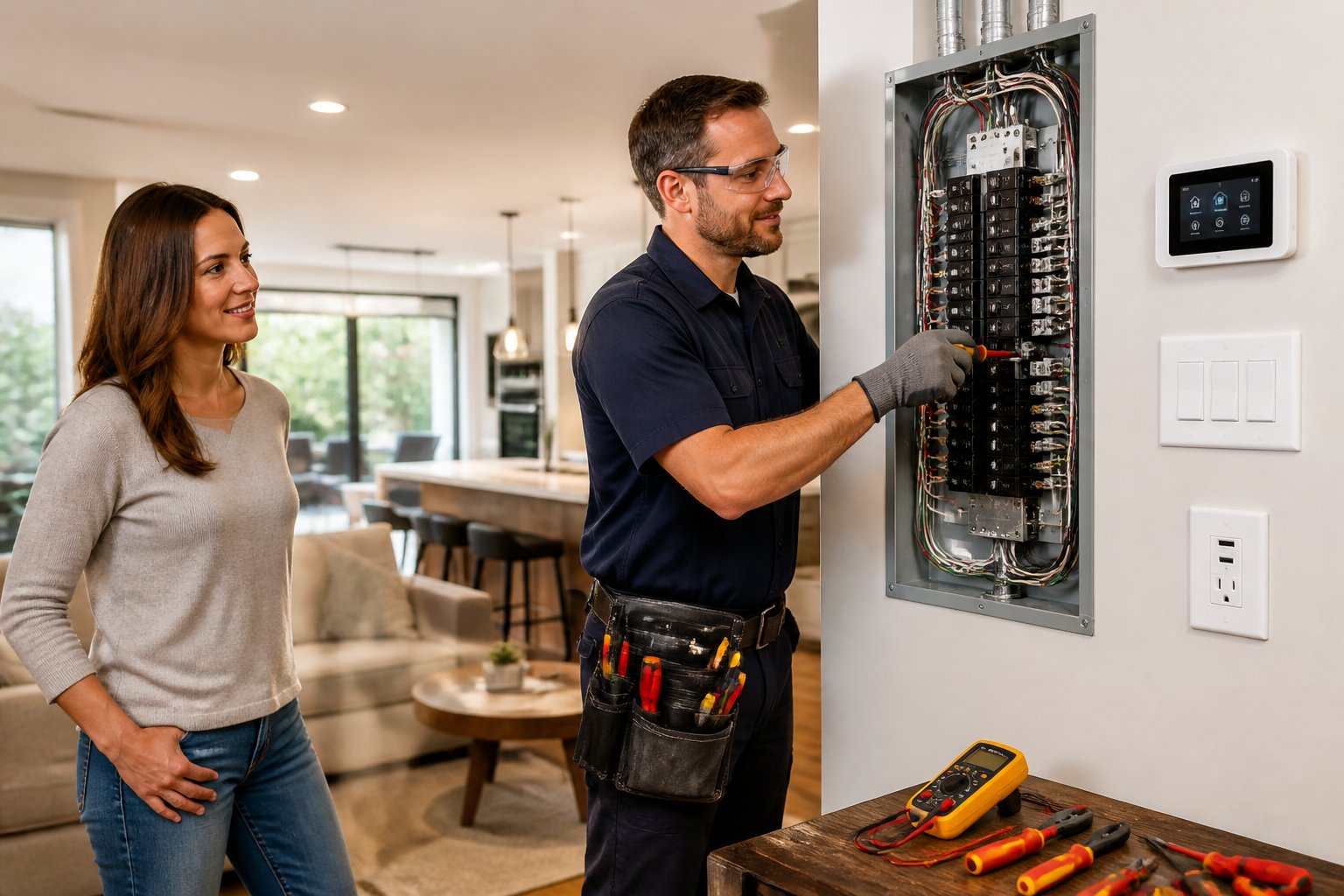
If your place still runs on a 60- or 100-amp panel, it’s probably time for a 200-amp upgrade—especially if you want to run modern appliances or an EV charger. A panel upgrade swaps out the main service, adds new breakers, and usually involves rearranging circuits so the load’s balanced.
You’ll need permits and inspections in Elk Grove. Licensed techs test the service, ground and bond everything right, and can add surge protection if you want. With stocked vans, they can often finish smaller panel jobs in just one visit.
You’ll get fewer tripped breakers, safer operation, and room for future upgrades like solar or a generator. Always ask for flat-rate pricing and a clear breakdown so you know what’s included.
Wiring and Rewiring Solutions
Wiring upgrades tackle old cloth, knob-and-tube, aluminum wiring, and sketchy circuits that flicker or overheat. Rewiring swaps out unsafe conductors, adds grounded outlets, and updates your home to current code.
Techs map out your circuits and focus first on high-risk spots—kitchens, baths, bedrooms, garages. Sometimes it’s just one room; sometimes, it’s the whole house. You’ll get new outlets, dedicated circuits for big appliances, and better grounding.
Licensed electricians check for smoke-detector interconnects and add AFCI/GFCI protection where it’s needed. This cuts fire and shock risks and gives you reliable power for all your stuff.
Lighting Enhancements
Lighting upgrades mean swapping old fixtures for LEDs, adding recessed lights, dimmers, or motion-sensor exterior lights. LEDs save energy and last forever, and new controls let you fine-tune brightness and trim your bill.
You can add task lighting in kitchens, landscape lighting outside, or smart controls that sync with your hub or phone app. Techs check if your circuits can handle the load and might add switches or circuits if you’re going big.
Ask for choices that fit your style and energy goals. Safety-first work, honest pricing, and stocked vans help get most lighting jobs done fast and tidy.
Safety Considerations for Home Electrical Upgrades
Before you start, think about permits, outlet safety, and surge protection. Doing this right lowers fire risk, keeps you up to code, and protects your stuff.
Electrical Permits and Inspections
Permits are required for most panel upgrades, new circuits, and major rewiring in Elk Grove. They make sure work follows code and gets inspected by someone who knows what to look for.
Get permit approval before work starts. An inspector checks grounding, breaker sizes, panel labels, and wire routes. If you fail inspection, you’ll need fixes and maybe pay for re-inspection.
Using licensed electricians makes permitting smoother. They handle the paperwork and help you pass inspection the first time. AAA Electrical Services sends licensed, insured techs who deal with permits and inspections for you.
Upgrading Outlets and Switches
Replace worn or discolored outlets, especially in kitchens, baths, garages, and outside. These spots need GFCI outlets for shock safety. If you’ve got old two-prong outlets, upgrade to three-prong grounded ones.
Use arc-fault circuit interrupters (AFCIs) where code says—they stop fires from damaged wiring. Match outlet and switch ratings to the circuit load. Always shut off the breaker and double-check with a tester before touching wires.
If you have kids, get a pro to install tamper-resistant outlets. It’s a small fix that boosts safety and meets code in most living spaces.
Surge Protection Installations
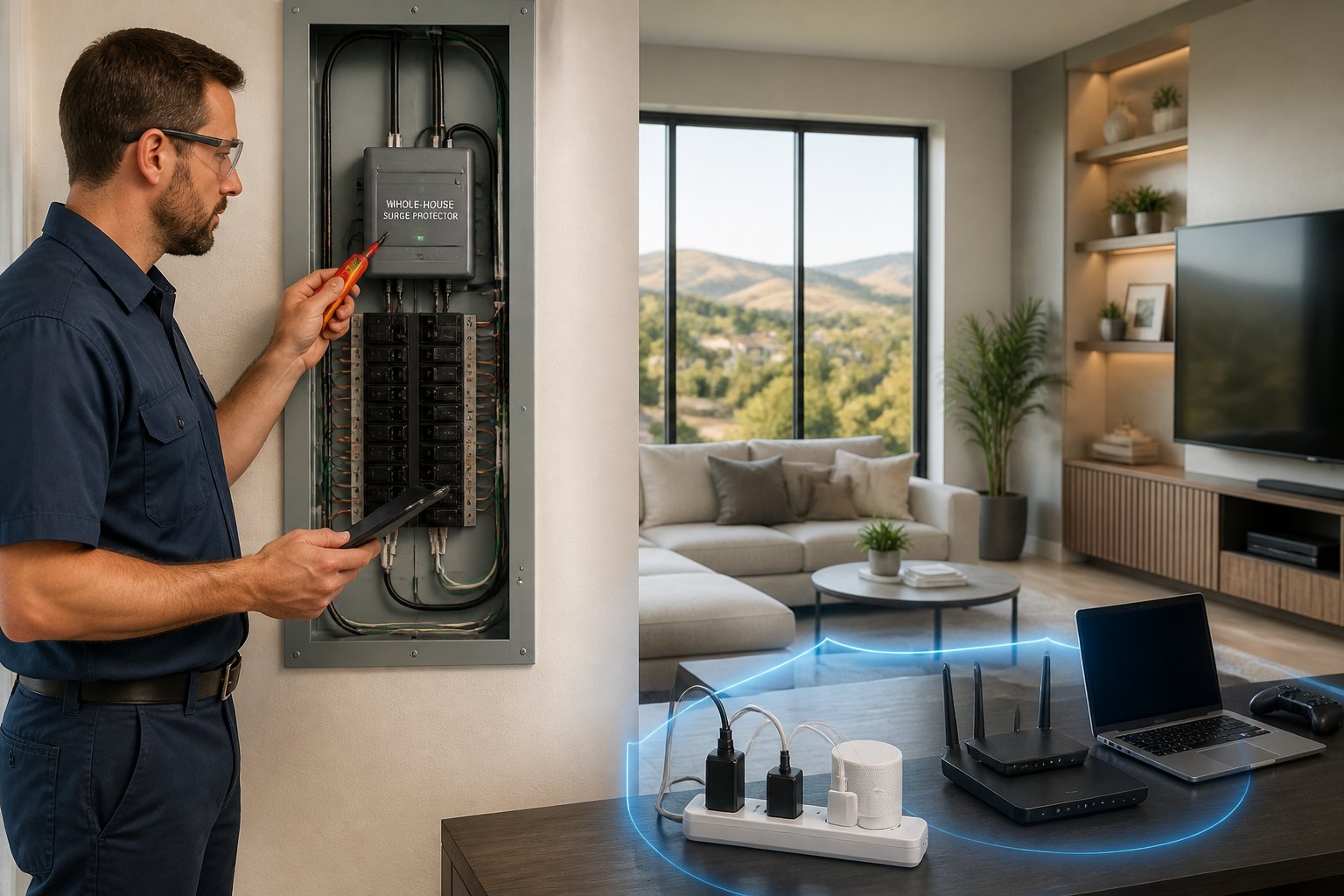
Whole-home surge protectors go on your main panel and block big spikes from frying your wiring. They protect sensitive gear like computers, HVAC, and smart-home stuff way better than just using plug-in strips.
Use both whole-home protection and surge strips for expensive devices. Check ratings—look for low clamping voltage and enough joules for your house. If there’s a big storm or your protector looks fried, swap it out.
Licensed electricians can size and install surge protection right and tie it into your grounding. Good grounding and bonding make surge protection work and cut stray voltages.
Energy Efficiency Improvements
You can cut energy use and lower your bill by updating how your home uses power. Focus on controls that automate things and lighting that doesn’t suck up so much juice.
Installing Smart Home Devices
Smart thermostats, smart plugs, and whole-home energy monitors let you control stuff from your phone. A smart thermostat learns your routine and cuts HVAC use when you’re out. Smart plugs zap “phantom loads” from routers, TVs, and chargers.
Install a whole-home energy monitor at your panel to see real-time use by circuit. That helps you spot energy hogs and decide if you need a breaker upgrade or a new circuit. Pick devices that play nice with common hubs and keep your data private.
Have pros install anything tied to mains power, like hardwired thermostats or panel monitors. Licensed work keeps your family safe and warranties valid. With same-day service and stocked vans, installs are usually quick and smooth.
LED Lighting Retrofits
LED bulbs and fixtures cut lighting energy by up to 75% compared to old-school bulbs. Start with high-use rooms—kitchen, living room, porch, security lights. Use dimmable LEDs and matching dimmers to save more and control brightness.
For recessed cans, grab LED retrofit kits that handle heat and fit your fixtures. Swap out old ballasts for LED linear fixtures or tubes that fit right. Keep receipts and any permits for rebates or tax credits.
Ask an electrician to upgrade switches to smart or motion-sensing models in halls, garages, and baths. These cut wasted light and add convenience. Honest pricing, clear quotes, and licensed installs give you peace of mind while you upgrade.
Choosing a Licensed Electrician in Elk Grove CA
Pick someone who puts safety first, shows proof of licensing and insurance, and knows the local code. Look for clear pricing, same-day options, and techs who show up ready to finish most jobs in one go.
Verifying Credentials
Ask for the electrician’s California state license number and check it with the Contractors State License Board. Make sure their license covers your project—general electrical (C-10) or specialties like panel upgrades or EV charger installs.
Check that they have liability and workers’ comp insurance. Ask for copies and check the dates. Estimates should list permit fees, labor, and parts so you don’t get hit with surprise costs.
See if techs are background-checked, Nexstar-trained, or state-certified. These show real training and a focus on safety. If there’s a guarantee or warranty, get it in writing.
Evaluating Reviews and References
Read recent online reviews from Elk Grove, Sacramento, or Roseville. Pay attention to comments about arrival times, cleanliness, and if techs left your place tidy. Look for mentions of flat-rate pricing or same-day fixes.
Ask for local references you can actually call. Get examples of similar jobs—panel upgrades, EV chargers, whole-home rewires. When you call, ask about punctuality, communication, and if the work needed follow-up.
Consistent praise for honesty and clear pricing is a good sign. One bad review isn’t the end of the world, but lots of complaints about missed appointments or hidden fees? That’s a red flag.
Assessing Local Experience
Choose an electrician who’s worked under Sacramento-area codes and knows Elk Grove’s permitting process. Local experience means they’re familiar with common home wiring layouts and city inspections.
Ask how long they’ve served the area and if they handle permits and coordinate inspections. Techs with stocked vans can often finish repairs on the first visit—ask if they call themselves a “warehouse on wheels.”
If you care about family-first, safety-focused service, ask about their safety steps and whether techs wear uniforms and protect your home. AAA Electrical Services fits this local, safety-minded profile and offers flat-rate pricing plus same-day service.
Cost Factors for Electrical Upgrades
Your cost depends on the parts you need, how much labor’s involved, and if permits or panel work are required. Local labor rates and code requirements in Elk Grove can also shift the price.
Estimating Materials and Labor
Materials cover wiring, breakers, switches, outlets, conduit, and any new panels or EV charger gear. A 200-amp panel usually runs anywhere from $1,300 to $3,000 for parts and basic installation. If you want high-quality cable or surge protection, that’ll bump up the price, but it’s worth it for safety and peace of mind.
Labor costs hinge on how tricky the job is and how easy it is to reach everything. Swapping out an outlet or switch? That might only take an hour. Full rewires or panel upgrades? Those eat up a day or more, sometimes with a whole crew. Permits and inspections tack on extra time and fees. It’s smart to ask for a flat-rate estimate so you’re not surprised by labor, parts, or permit costs later.
Financing Options
You can pay cash, use a credit card, or go with a payment plan if the contractor offers one. A lot of people break up bigger projects with short-term financing or a home improvement loan to avoid a giant bill all at once.
See if your contractor has a membership or new-customer discount to shave down your first bill. AAA Electrical Services offers flat-rate pricing, same-day service, and membership discounts that can help. Always double-check what financing or discounts apply before anyone starts work.
Scheduling and Planning Your Upgrade Project
Think through timing, permit needs, and what you’ll need to move or shut off. Figure out how long the job will take, when inspectors come, and what’s going to happen on day one so you’re not caught off guard.
Timeline for Typical Projects
Panel upgrades and rewiring usually take 1–3 days for most Elk Grove homes, depending on the panel size and how many circuits you’ve got. A basic panel swap (say, 100A to 200A) can wrap up in a day—if the inspector’s schedule lines up.
Bigger jobs like full-house rewires or adding a dedicated EV charger circuit with trenching? Those can stretch out to 3–7 days. Permit review often adds 3–10 business days before anyone even starts work. Try to schedule early in the week to avoid weekend holdups and boost your odds for fast inspections.
Ask your electrician for a written timeline that spells out permit submission, expected inspection windows, and daily start/stop times. Find out if the crew’s van comes stocked for most tasks—cuts down on annoying return trips.
Preparing Your Home for Electrical Work
Clear a 3–6 foot area around the panel and wherever the crew will work. Take fragile stuff off walls and counters nearby.
Plan for short power outages, and label your must-have circuits ahead of time. If your fridge might be off for hours, move perishable food to a cooler. Got pets? Set up a safe spot away from the action.
Make sure there’s permit access, driveway parking, and a place for the crew to stage gear. Ask the technicians about the safety steps they’ll take. Licensed teams stick to strict procedures and keep things clean. If you’re working with AAA Electrical Services, they offer same-day service, flat-rate pricing, and usually leave the work area tidy.
Post-Upgrade Maintenance Tips
After an upgrade, check your new breakers and outlets every so often. Flip each breaker every few months to keep contacts working. If a breaker trips a lot, jot down when it happens and call a tech.
Keep the area around your main panel and new equipment clear—boxes, paint cans, and plants just get in the way and block airflow. Label each circuit if your electrician didn’t already.
Test safety devices monthly. Hit the test button on GFCIs and AFCIs to make sure they trip and reset. Swap out batteries in smoke or CO detectors when you change the clocks.
Pay attention to warning signs like warm outlets, flickering lights, or burning smells. Don’t ignore them—they need quick attention. Don’t rely on extension cords as a permanent fix; get a real outlet installed.
Hang onto your receipts, permits, and any paperwork. It’ll save you time for future repairs or when you sell the house. Some upgrades might even qualify for rebates or energy programs—so save that documentation.
Use surge protection for sensitive electronics. A whole-home surge protector and decent power strips can help protect against power spikes. Ask about surge options next time you have an inspection.
If you need help, call a licensed service that offers same-day visits and stocked vans for quick fixes. AAA Electrical Services focuses on family safety and provides transparent, flat-rate pricing for Elk Grove and nearby areas.
Frequently Asked Questions
This section covers how to choose a good electrician, where to find trusted local help, costs for panel upgrades, permit needs in Elk Grove, safety and efficiency benefits, and how residential work is different from commercial jobs.
What should I consider before selecting a residential electrical upgrade service?
Check licenses, insurance, and local experience in Elk Grove or Sacramento.
Ask about flat-rate pricing, same-day service, and if the technicians are background-checked and clean-home certified.
See if they carry parts on their vans for faster repairs and offer a clear warranty or satisfaction guarantee.
Let them know about any future plans—EV charging, solar, big appliances—so they can size the panel and wiring right.
How do I find the most reliable electrician in Elk Grove for an electrical upgrade?
Look for licensed, insured, and state-certified techs with local reviews and a solid track record in Sacramento-area neighborhoods.
Call and ask about response times, stocked vans, and if they give upfront flat-rate estimates.
Ask for references, proof of permits handled, and a written scope and price before work starts.
You can mention AAA Electrical Services to check on same-day service and their family-safety focus.
What are the cost factors involved in residential electrical panel upgrades?
Panel size (100A vs 200A), labor hours, and whether you need new wiring or subpanels all affect cost.
Permits, inspection fees, and code upgrades add to the total.
Equipment brand and extra work like new breakers, meter upgrades, or EV-ready circuits can raise the price.
Local labor rates and job complexity (access, drywall repair) also play a role.
Are permits required for electrical work in Elk Grove homes, and how does that process work?
Yes. Most panel upgrades, rewiring, and major changes need permits and inspections in Elk Grove and Sacramento County.
Usually, a licensed electrician pulls the permit and schedules city inspections.
Expect permit fees and an inspection after work wraps up; skipping a permit can hurt safety and resale value.
Ask your electrician to include permit handling in the written estimate.
Can an electrical panel upgrade improve home safety and efficiency?
Definitely. A modern panel reduces overloads, stops frequent breaker trips, and supports safety devices like AFCI/GFCI breakers.
Upgrading wiring and breakers can lower fire risks and bring you up to code.
A bigger panel also lets you add energy-saving systems like EV chargers and solar without overloading circuits.
It’s a way to future-proof your home and boost electrical performance overall.
What's the difference between commercial and residential electrical services in the Sacramento area?
Residential work? That's all about keeping homes safe, following codes for living spaces, and adding family-friendly features like good lighting or EV chargers.
Commercial jobs, on the other hand, deal with bigger electrical loads, three-phase power, and more complicated equipment. The codes for businesses get pretty strict, too.
Residential techs tend to focus on keeping things tidy, offering quick solutions, and making pricing straightforward for homeowners.
With commercial projects, you'll usually see different permits, more project management, and lots of coordination with other trades. It's just a different world.