Living in El Dorado Hills comes with gorgeous neighborhoods and plenty of modern comforts, but let’s be real—power surges can sneak up and wreak havoc on your appliances, electronics, and even your home’s wiring. You can protect your whole house by installing a whole-home surge protector at the main panel, which diverts dangerous voltage spikes before they reach your devices. Here’s what you need to know about surge protection: why it matters, what types actually work, and how to find a pro you can trust.
You want electrical work done right, by licensed folks who actually care about your home. AAA Electrical Services does same-day installs, charges fair flat rates, and sends out certified techs with vans stocked for most repairs—so you don’t wait around while your stuff is at risk.
Understanding Surge Protection for El Dorado Hills Homes
Surge protection shields your home’s wiring and devices from sudden voltage spikes. It works at the main panel, covers every outlet, and helps prevent appliance damage.
What Is Home Surge Protection?
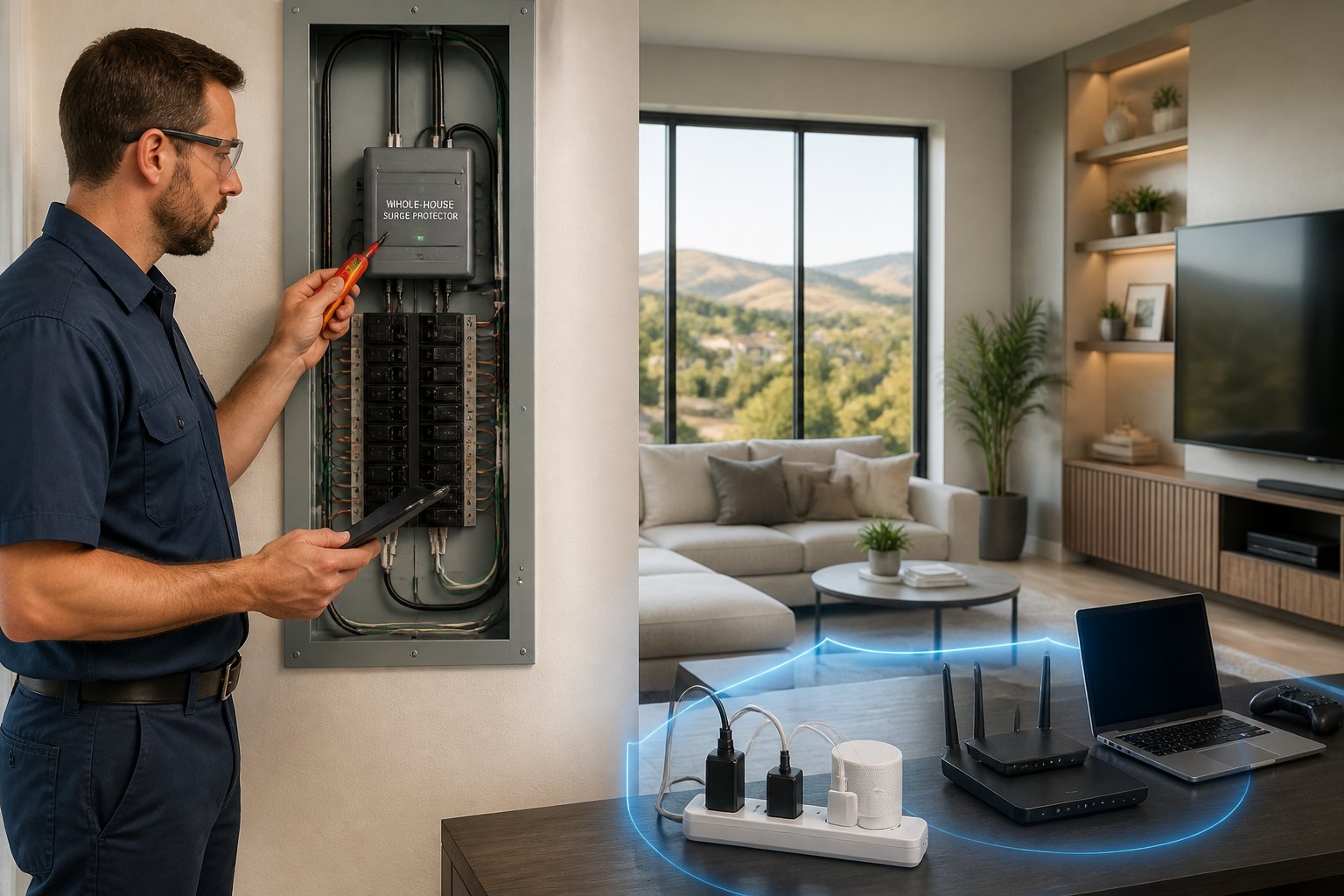
Home surge protection uses a device at your electrical panel to block or shunt extra voltage away from your wiring. It keeps an eye on incoming power and sends dangerous spikes into the ground, so your electronics only see normal voltage.
A whole-home unit covers every outlet, light, and hard-wired appliance at once—unlike power strips that only help a handful of plugs. Electricians install the unit next to your main panel, tying it into the incoming lines and ground.
Pick models rated for your panel’s voltage and look for clear certifications. A licensed electrician will test your grounding and bonding during installation to make sure the system can actually send surges safely away.
Why El Dorado Hills Homes Are at Risk
El Dorado Hills gets summer storms and the occasional lightning strike. These can send big voltage spikes through local power lines, right into your panel, and fry appliances or electronics.
Older homes around here sometimes have outdated panels or weak grounding, making surge damage more likely. If you’ve got solar, an EV charger, or lots of modern appliances, you’re adding more sensitive electronics that need protection.
Install a whole-home surge protector and keep your panel and grounding in good shape. Licensed technicians can handle this quickly—often same day, with up-front pricing.
Common Sources of Electrical Surges
Lightning near power lines causes the worst surges. Even a strike a mile away can push dangerous voltage into your home.
Utility grid switching and faults also send mid-level surges, wearing out electronics over time. You probably won’t notice these, but your devices might.
Big appliances cycling on and off—like your AC or refrigerator—create small internal surges. Over years, these add up and can shorten the life of TVs, computers, and smart home gear.
Layered protection works best: a main-panel surge protector plus point-of-use units for your most sensitive stuff. AAA Electrical Services can test your panel, improve grounding, and set up the right protection for your El Dorado Hills home.
Types of Surge Protectors for Homeowners
You can protect every outlet in your house, focus on just the important gear, or do both. Options range from a main-panel unit that shields everything to small plug-ins for TVs and computers, and even advanced gear for sensitive equipment.
Whole-House Surge Protectors
A whole-house surge protector mounts at your main electrical panel and stops big voltage spikes before they hit your wiring. It sends extra voltage into the ground, helping protect your big-ticket appliances and built-in systems.
This type covers all outlets and hard-wired equipment—so you’re not juggling a dozen plug strips. Look for UL or similar certifications and make sure a pro installs it. Proper wiring and grounding really do matter for performance and safety.
AAA Electrical Services can get this done same-day if you want a licensed tech in El Dorado Hills. Their vans are usually stocked so they can finish in one visit.
Point-of-Use Surge Protectors
Point-of-use protectors plug into a single outlet or sit between the wall and your appliance. They’re great for TVs, gaming consoles, PCs, routers, and home office gear that need extra protection beyond the main panel.
Pick units with replaceable modules, clear clamping-voltage ratings, and enough joules for repeated surges. For sensitive electronics, choose ones with multiple outlets, coax/Ethernet protection, and indicator lights that actually tell you if protection’s still working.
They’re affordable and easy to install yourself, but they can’t stop a surge that enters through your home’s wiring. Use them along with whole-house protection for best results.
Advanced Surge Protection Solutions
Advanced setups combine whole-house units, point-of-use protectors, and special gear for really sensitive or pricey systems. Think dedicated protection for home theaters, medical devices, servers, or EV charging equipment.
You can add surge protection to subpanels (like in the garage), use UPS units for critical electronics, and get line conditioners for steady voltage to audio or lab gear. Solar systems and generators need protection rated for their inverter and PV input specs.
Have a licensed electrician check your panel and grounding before adding advanced setups. They’ll design a system that fits code, protects your stuff, and matches your home’s needs.
Key Benefits of Installing Surge Protection in El Dorado Hills
A whole-home surge protector shields your wiring and devices from voltage spikes, cuts repair bills, and reduces fire risk. It works best with professional installation and quick service to keep your home running safely.
Protecting Expensive Electronics
A surge can send high voltage straight through your panel into things like TVs, fridges, or computers. A whole-home surge protector stops big spikes at the source, so they never reach your outlets or expensive gear.
This is especially important in El Dorado Hills, where storms and grid switching are a thing. Protecting your fridge, HVAC, or home office setup can save you serious money on replacements and data recovery. Professional installation ensures the protector connects right to your panel and covers all the key circuits.
Reducing Maintenance Costs
Surge protection helps your electronics and appliances last longer. Small, repeated spikes wear things out and cause weird glitches that lead to more service calls.
With a whole-home unit, you’ll have fewer emergency repairs and less routine fixing for stuff like garage door openers or HVAC systems. That means less hassle and lower long-term costs. If something does go wrong, a provider with stocked vans and same-day service can get you back up quickly.
Improving Home Safety
Voltage spikes can ruin wiring insulation and, in rare cases, start electrical fires. Installing a surge protector at the panel adds a safety net, sending dangerous energy away from your home’s circuits.
Licensed electricians install these to code, so your family and home stay safer. Plus, professional installation helps if you ever need to show documentation for insurance. AAA Electrical Services takes a safety-first approach and offers same-day help for El Dorado Hills homes.
Selecting the Right Surge Protection for Your El Dorado Hills Home
Pick a whole-home device sized for your panel, hire a licensed electrician who knows local code and area lightning risks, and compare units by clamping voltage, joule rating, and warranty.
Factors to Consider
Look for a Type 1 or Type 2 surge protector wired at your main panel. Check the device’s maximum continuous operating voltage (MCOV) and clamping voltage—lower clamping voltage means earlier protection. The joule rating should match the value of your electronics; more joules means more energy absorption.
Consider local risks—El Dorado Hills has storms and grid switching, so lightning and utility surges matter. The unit should have UL 1449 certification and a fast response time (nanoseconds). If your home’s grounding is old, plan on upgrades; poor grounding limits protection.
Finding a Qualified Electrician
Hire a licensed, insured electrician who knows El Dorado Hills code and panel setups. Ask for proof of license, insurance, and get references from local jobs. Make sure they install the protector at the main panel, bond it to the grounding electrode, and test the ground resistance before finishing.
Look for electricians offering flat-rate pricing, same-day service, and stocked vans so work gets done in one trip. Choose a team that gives a written warranty and leaves your place clean. AAA Electrical Services can handle installation and testing with a safety-first mindset.
Comparing Brands and Models
Compare clamping voltage, surge current rating (kA), and joules across different models. Look for units with replaceable modules or clear failure indicators so you’ll know when it’s time for a replacement. Check the manufacturer’s warranty—especially if it covers connected equipment.
Some models need extra panel space or specific breaker sizes, so check installation requirements. Go for UL certification and clear specs on response time and max surge current. Read local reviews and ask your electrician which models they see most often in El Dorado Hills.
Installation Process and Best Practices
A proper surge protector should be mounted close to your main panel, wired to the incoming service, and tested under load. A licensed electrician will cut power, attach the device, and check grounding and operation.
Professional Installation Steps
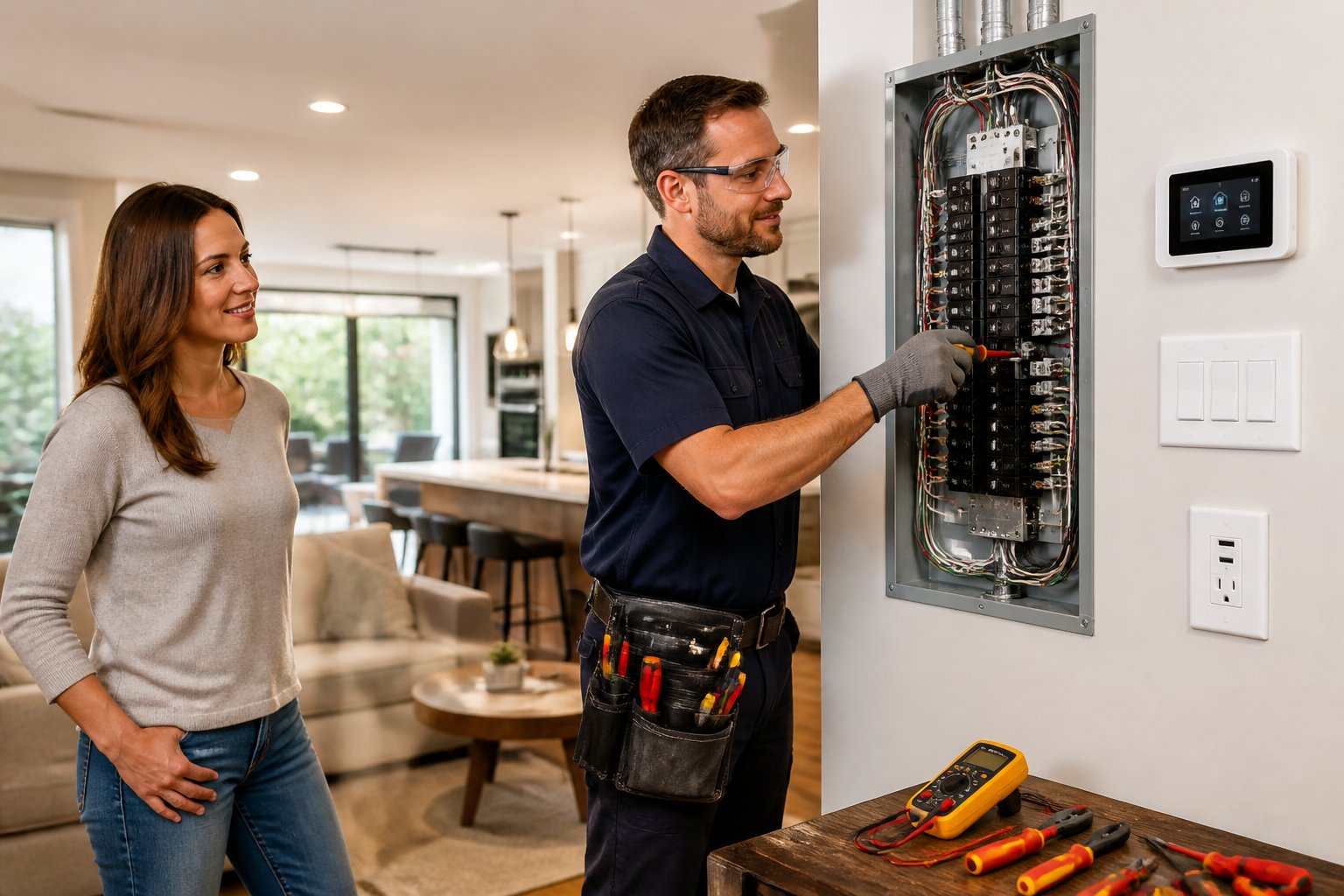
A licensed electrician will shut off power to your main panel and confirm the lines are dead with a meter. They’ll mount the surge device on or next to the panel, keeping wires short for better protection.
They’ll connect the protector to the service entrance lugs or breaker-fed bus, depending on your panel. Good grounding is critical—the tech ties the protector to your panel ground and checks the grounding electrode for low resistance.
After restoring power, they’ll test the indicator lights and response. You’ll get a quick walkthrough of maintenance tips and a label on the panel with the install date and model. AAA Electrical Services offers same-day installs and flat-rate pricing if you want a quick, straightforward option.
Recommended Locations for Installation
Install the whole-home surge protector at the main electrical panel, or at the meter socket if local code and layout allow. Putting it at the panel protects all branch circuits and keeps wiring short between the protector and bus.
If you have a detached garage or subpanel, add a protector there too. This shields big loads like EV chargers or well pumps. Use point-of-use protectors for sensitive gear—just make sure they’re on protected circuits.
Keep the device accessible for checks and clearly labeled. Your electrician should confirm it meets El Dorado Hills code and that the grounding path checks out.
Surge Protection Maintenance Tips for Homeowners
Keep your surge protection working by checking the hardware regularly and replacing parts when needed. Focus on the main panel, surge device status lights, and any visible wiring or mounting hardware.
Routine Inspection Guidelines
Take a look at the surge protector at your main panel every six months. Check for a green or power indicator light—if it’s off or blinking, the unit might be damaged and you’ll want a pro to look at it.
Also, check the circuit breaker and nearby wiring for scorch marks, loose screws, or weird smells. Tighten any loose covers and make sure the protector stays firmly mounted.
Use a checklist: indicator light, mounting screws, wire tightness, panel temperature, and signs of water or rust. If you see corrosion, water, or burnt wiring, stop and call a licensed electrician.
And honestly, for safety, always turn off the main breaker before touching anything inside the panel—or just let a certified tech handle it.
Replacing Surge Protectors Over Time
Surge protectors don’t last forever. After enough spikes, they just stop doing their job. Most have a limited lifespan—think 5 to 10 years, sometimes less, especially if the indicator light goes out. Jot down when you installed yours and any service calls, so you’re not guessing when it’s time for a new one.
When you need a replacement, pick a whole-home protector that matches your panel’s voltage and has a low clamping voltage. A licensed electrician should handle the install so everything’s grounded and bonded to code.
If you call AAA Electrical Services, their techs can usually show up the same day, offer flat-rate pricing, and have the parts on hand—makes things a lot less stressful.
Local Regulations and Incentives in El Dorado Hills
Local rules can change what permits you’ll need, who can install your equipment, and whether you qualify for any rebates. You’ll want to check Sacramento County and El Dorado Hills electrical code, plus see if there are any utility or city programs that can help with costs.
Building Code Requirements
El Dorado Hills uses the California Electrical Code and county rules for whole-home surge protector installs. Only a licensed electrician can work on your main service panel or meter. Permits? It depends—plug-in strips don’t need one, but if you’re wiring a whole-house protector to your main panel, you’re almost always looking at a permit.
You’ll probably need to submit a plan with device location, specs, and wiring method. Inspectors check grounding, bonding, and that you’ve got the right breaker or disconnect. If you’ve got an EV charger or solar, they’ll check those too. Keep all your permit and inspection paperwork with your home files.
Available Rebates and Incentive Programs
PG&E and some local programs sometimes throw in rebates for electrical safety upgrades, like panel work or surge protection. These offers change, so check PG&E’s website or the county energy office for what’s current. Usually, incentives cover part of the equipment or labor, especially if you have medical needs or qualify as low-income.
You might also find utility or home-safety grants that include surge protection when you’re bundling with a panel upgrade, generator, or solar battery system. Hang onto invoices and permits for any rebate application. Not sure where to start? AAA Electrical Services can help you track down programs and get the paperwork sorted so you can get things moving fast.
Common Myths About Home Surge Protection
A lot of folks think one device or a quick fix does the trick for the whole house. It’s not quite that simple—protection depends on where you install it and what it actually covers.
Misconceptions About Power Strips
Power strips? They’re mostly about convenience and minor overloads. They don’t handle big voltage spikes. Most of them just don’t have the guts or grounding to protect your home’s wiring.
Check what a strip actually protects—usually just one outlet or a couple devices on a skinny cord. That leaves your big appliances and hard-wired stuff totally exposed. Plus, the surge rating on most strips wears down after a few hits.
If you want real protection, get a whole-home surge protector at your main panel. That way, big spikes get blocked before they can do damage. A good installer can add outlet-level devices too, for a belt-and-suspenders approach.
Oversights in Homeowner Coverage
Some folks assume their homeowner’s insurance or built-in outlet protectors cover surge damage. Honestly? Insurance often limits or skips electrical surge losses, and those little outlet protectors only help what’s plugged into them.
Your wiring, ceiling fans, HVAC, and smart home hubs can all get zapped by a surge at the panel. If you haven’t protected your main panel, those systems are still at risk, even if you’re using power strips.
Best bet is to use both: a panel-mounted surge protector, plus point-of-use protectors for sensitive electronics. In El Dorado Hills, talk to a licensed tech about install options, same-day service, and flat pricing so you don’t get any nasty surprises. AAA Electrical Services can check your panel and recommend what fits your needs.
Frequently Asked Questions
Let’s hit some of the questions people actually ask about cost, benefits, warning signs, brands, installation, and whether surge protection is worth it. It’s not always obvious what works best for El Dorado Hills homes.
How much does it typically cost to install a whole-house surge protector?
You’re usually looking at a few hundred bucks, parts and labor included. The price depends on your panel, which model you pick, and if you need extra wiring or grounding.
Most electricians can get the job done in under an hour, so labor stays reasonable. Ask for a flat-rate quote up front, so you know what you’re getting into.
What are the benefits of installing a surge protector for my entire home?
A whole-house protector sends dangerous voltage away from your wiring and appliances. It helps keep your HVAC, fridge, and electronics safe from spikes.
You’ll probably save on repairs or replacements after storms or power issues. Plus, you get some peace of mind knowing your main panel is protected.
How do I know if I need surge protection for my house?
If you have a bunch of electronics, smart-home stuff, or pricey appliances, surge protection’s a good idea. It’s even more important if you’re in a storm-prone area or your wiring is on the older side.
Had mysterious device failures or breakers tripping a lot? That’s a big hint you need surge protection. An electrician can check your panel and give you honest advice.
Are there specific brands or types of surge protectors recommended for residential use?
Stick with residential models rated for your panel, with clear surge current and clamping voltage specs. Type 2 (panel-mounted) units are the usual pick for homes.
Get something that meets safety standards, and add point-of-use protectors for your sensitive gear. Your electrician can help you find a good fit for your panel and budget.
What's involved in the installation process of a whole-house surge protector?
The electrician shuts off your power, mounts the unit near the main panel, and wires it up to the panel and grounding. For most panels, it’s under an hour.
They’ll check grounding and bonding, maybe upgrade connections if needed. Expect a quick safety check and protection starts right away once the power’s back on.
Can surge protectors save me money on my insurance or energy bills?
Surge protectors help lower the risk of equipment damage, which might reduce claims on your insurance. Whether you’ll actually see any savings depends on your provider and the details of your policy. It’s worth calling your insurer to ask if they offer discounts for having surge protection—you never know until you check.
You won’t see a drop in your energy bills just by using surge protectors. Still, they can save you from the headache and cost of replacing fried electronics, which adds up over time.
AAA Electrical Services offers safety-first electrical work and same-day service if you want someone local to check things out or handle an installation. Their electrical services are all about keeping your family safe, no shortcuts.