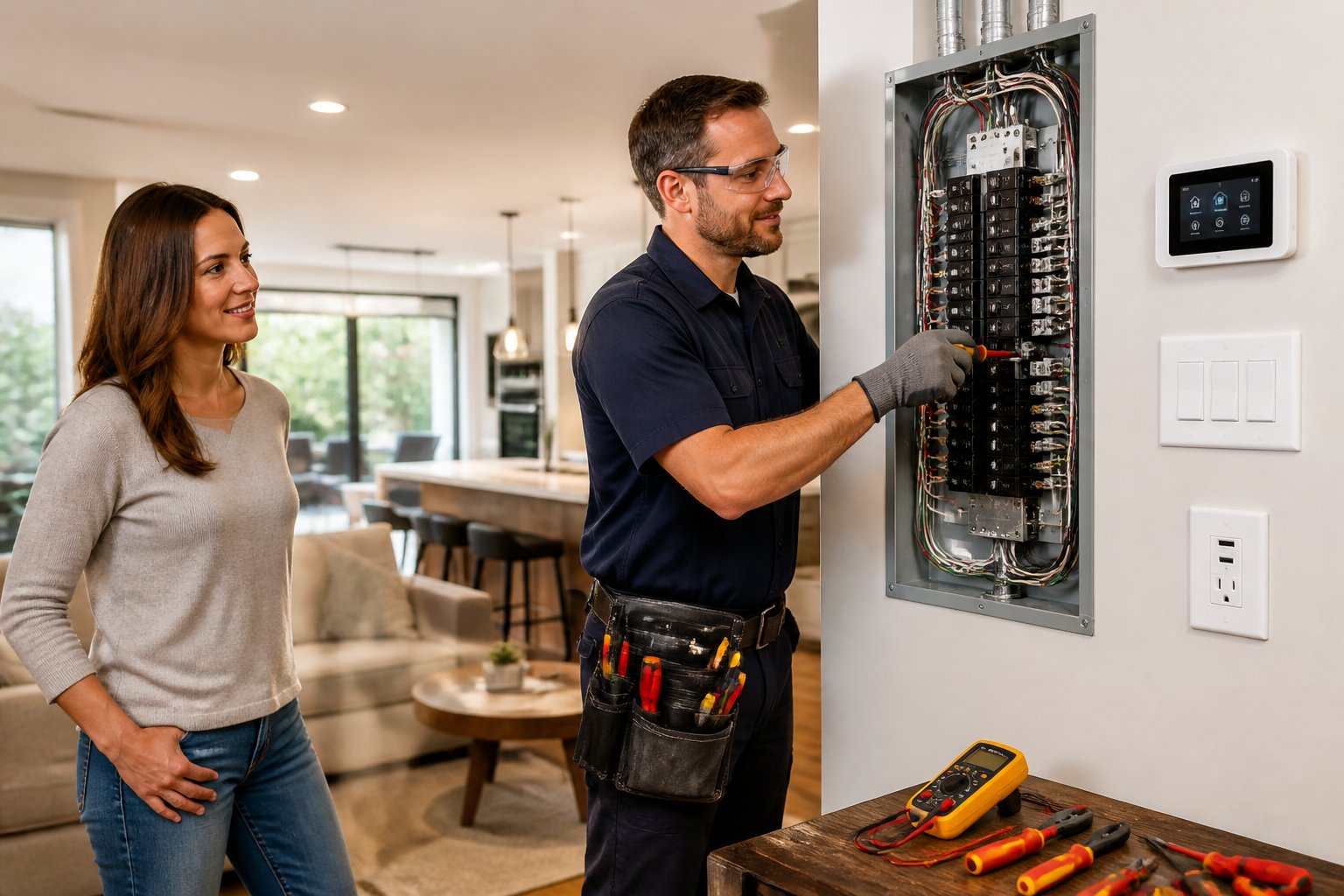
If your circuit breaker keeps tripping or acting up, it can be confusing and frustrating. Understanding simple troubleshooting tips can help you quickly identify the problem and decide what to do next.
Knowing how to spot signs like frequent trips, flickering lights, or burning smells can keep your home safe and save you time.
You don't always need to call a professional right away. Sometimes, resetting the breaker or checking for overloaded circuits can fix the issue.
But if problems happen often, you should know when to get expert help to avoid bigger risks.
This post will guide you through easy steps to check your circuit breaker and what to watch for. You’ll be able to handle common electrical hiccups with confidence.
Understanding Home Circuit Breakers
Knowing how circuit breakers work helps you keep your home safe. Understanding what breakers do, the types you might see, and simple safety tips lets you handle basic issues with confidence.
What a Circuit Breaker Does
A circuit breaker is a safety device for your home's electrical system. It stops the flow of electricity when it detects too much current.
This protects your wiring and devices from damage caused by overloads or short circuits. When a breaker trips, it cuts off power to a specific circuit.
This prevents wires from overheating, which could cause fires. You can usually reset a tripped breaker by flipping its switch back on.
Breakers serve as both a switch and a guard for your home. They help protect your home and keep everyone safe.
Types of Home Circuit Breakers
Most homes have standard breakers in the main electrical panel. These protect individual circuits and trip when there is an overload or short circuit.
You may also find GFCI breakers (Ground Fault Circuit Interrupters). They protect against electrical shock by cutting power if they detect leaks to the ground.
GFCIs are often used near water sources like kitchens and bathrooms. Another type is the AFCI breaker (Arc Fault Circuit Interrupter).
AFCIs detect tiny electrical arcs that can cause fires. They are often required in bedrooms and living rooms.
Each type has a specific role in your home’s safety system. Knowing which ones protect different areas can help with troubleshooting.
Basic Electrical Safety Tips
Always turn off the main breaker before doing any electrical work. This keeps you safe from shocks.
Never touch a breaker or electrical panel with wet hands. Water increases the risk of electrical shock.
Use a flashlight to check breakers during a power outage. Avoid candles or matches to reduce fire hazards.
If a breaker keeps tripping repeatedly, don’t keep resetting it. This could mean wiring or appliance problems, so you might need to call an electrician.
Keep tools and children away from the electrical panel. This reduces the risk of accidents.
Common Signs of Circuit Breaker Problems
You might notice several clear signs when your circuit breaker isn’t working right. These indicators can help you spot trouble early and keep your home safe.
Frequent Tripping
If your circuit breaker trips often, something isn’t right. Frequent trips usually happen when too many devices use power on the same circuit.
Short circuits or faulty wiring can also cause this. Each time the breaker trips, it cuts power to prevent damage or fire.
If it happens repeatedly, find the cause quickly.
Overheating or Burning Smell
Take overheating seriously. If your circuit breaker feels hot or you smell something burning, stop using the circuit immediately.
Heat build-up or a burning smell can mean the breaker is failing or there’s a loose wire. These signs warn you of a fire risk.
Avoid touching the panel until a professional checks it.
Buzzing Noises
Buzzing or humming sounds from your circuit breaker are not normal. This noise can mean a loose connection or damaged breaker inside the panel.
If you hear buzzing, the breaker could fail completely. Have a qualified electrician inspect the panel right away.
Visible Damage
Look for cracks, burn marks, or corrosion on the breaker. Visible damage shows that the breaker may be compromised.
Damaged breakers might not protect your home from electrical problems properly. If you see any clear damage, arrange for repair or replacement as soon as possible.
Key Signs to Watch ForWhat They MeanWhat to Do Frequent tripsOverload or wiring issuesCheck devices and call an electricianOverheating or burning smellPossible fire hazard or loose wiresTurn off power, call a professionalBuzzing noisesLoose connections or damaged breakerGet an electrician to inspectVisible damagePhysical breaks or burnsReplace breaker immediately
Step-By-Step Troubleshooting Process
When your home’s power cuts off, you need to check your circuit breaker panel carefully. You'll learn how to find tripped breakers, reset them safely, and spot if a circuit is overloaded.
Identifying Tripped Breakers
Start by locating your breaker panel, usually in a basement, garage, or utility room. Open the panel door and look for breakers that are not aligned with the others.
A tripped breaker often sits between "on" and "off" positions. Some breakers show red or orange indicators when tripped.
If a breaker controls the area where your power went out, it’s likely the one to reset. Check each breaker if you aren’t sure which one tripped.
Safely Resetting a Breaker
Before resetting any breaker, make sure your hands are dry and you're standing on a dry surface. Never touch the panel with wet hands or while standing in water.
To reset, firmly push the tripped breaker to the "off" position first. This step fully resets the internal switch.
Then, flip it back to the "on" position. If it trips again right away, leave it off and move to further checks or call a professional.
Inspecting for Overloaded Circuits
If your breaker keeps tripping, the circuit may be overloaded. This happens when too many devices use electricity on the same circuit.
Look for areas with many plugged-in devices like kitchen appliances, heaters, or power tools. Unplug some devices and reset the breaker again.
Try to spread out your electrical load. Avoid using many high-power gadgets at once on one circuit.
If the problem continues, you may need an electrician to check for wiring issues or add circuits.
Addressing Specific Issues
Sometimes your circuit breaker trips because of problems like short circuits or ground faults. These issues need careful attention because they can affect your home’s safety and electrical system.
Troubleshooting Short Circuits
A short circuit happens when a live wire touches another wire or metal, causing a sudden surge of electricity. This usually trips your breaker to stop damage or fire.
Check the area where the breaker trips. Look for damaged wires, outlets, or appliances.
Unplug devices in the problem circuit and reset the breaker. If it trips again, there might be a short in the wiring.
Use a non-contact voltage tester safely to check wires for power. If you’re not sure or see damaged wiring, call an electrician.
Fixing Ground Faults
A ground fault occurs when a live wire touches a grounded surface, like a metal box or water pipe. This can cause shocks or fires.
If your breaker trips and you smell burning or see flickering lights, a ground fault may be the cause. Check outlets, especially in kitchens, bathrooms, and outdoors, where ground fault circuit interrupters (GFCIs) are installed.
Test GFCI outlets by pressing their "Test" and "Reset" buttons. If a GFCI won’t reset, it might be faulty or have wiring problems.
Replace faulty GFCIs or call a professional if you cannot fix it. Never work on live circuits without proper safety steps.
When to Call a Licensed Electrician
You should know when to step back from DIY fixes and call a professional. Some electrical issues carry real risks or need specialized skills and tools that only a licensed electrician has.
Recognizing Serious Electrical Hazards
If your circuit breaker trips often, or if you notice flickering lights, a burning smell, or sparks, these are warning signs you shouldn’t ignore. These problems can mean overloaded circuits, faulty wiring, or a bad breaker.
Any of these issues can cause electrical fires or shocks. If you smell something burning or see scorch marks near your breaker or outlets, shut off the power and call an electrician right away.
Don’t risk your safety by trying to fix these hazards yourself. A licensed pro will inspect and find the exact cause.
Limitations of DIY Troubleshooting
Basic checks like resetting breakers or testing a breaker with a voltmeter are okay to try. But complex tasks like replacing breakers or handling wiring require the right tools and knowledge.
If you aren’t sure how to safely test or repair your breaker, avoid guessing. Mistakes can cause more damage or create dangerous situations.
Insurance and home warranties often require repairs to be done by licensed electricians. Calling a pro makes sure the job meets safety codes and protects your coverage.
When in doubt, trust an expert to handle problems beyond simple troubleshooting steps.
Preventing Future Circuit Breaker Issues
Keeping your electrical system in good shape means stopping problems before they start. Paying attention to your panel and how your home’s electricity is used can help you avoid frequent breaker trips and potential hazards.
Routine Electrical Panel Maintenance
Check your electrical panel at least once a year. Look for signs like rust, dust buildup, or loose wires.
These can cause your breaker to trip or fail over time. If you see any damage, call a professional to fix it.
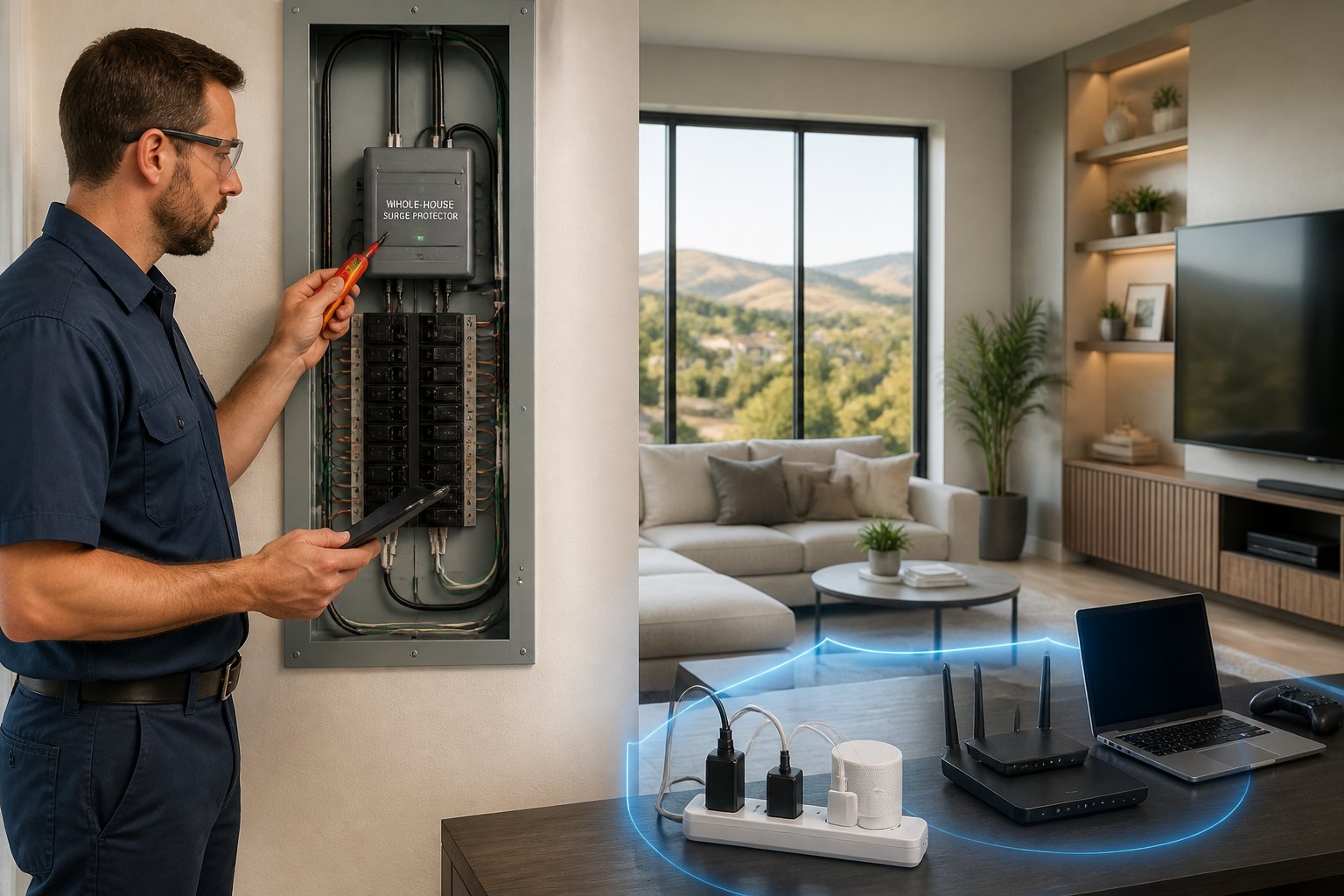
Test your breakers by turning them off and on to make sure they work properly. Using devices like surge protectors helps protect your circuits from sudden power spikes.
Keep your panel clean and dry. This helps prevent issues caused by moisture or dirt.
Balancing Home Electrical Loads
If too many devices run on one circuit, it overloads the breaker. You can balance the load by spreading appliances evenly across different circuits.
Make a list of what’s plugged in and where. Move heavy-use devices like heaters or microwaves to separate breakers if you can.
Avoid using multiple high-power devices at the same time on one circuit. If needed, a licensed electrician can add new circuits to better handle your power needs.
Balanced electrical loads reduce the risk of your breakers tripping. This helps your system run smoothly.
Choosing the Right Replacement Breaker
When picking a replacement breaker, match it exactly to the one you're removing. Using the wrong breaker can cause safety problems or damage your home's electrical system.
Check the brand, amperage rating, and type of your old breaker before buying a new one. The amperage is the number printed on the breaker, like 15, 20, or 30 amps.
This number controls how much current the breaker can handle without tripping. Don't use a breaker with a higher rating than your system needs, as it might allow too much current and cause overheating.
Note the breaker’s type. There are types like standard, GFCI (Ground Fault Circuit Interrupter), and AFCI (Arc Fault Circuit Interrupter).
Each has a specific use, so replace your breaker with the same type to keep your electrical system safe.
Here’s a quick checklist to help you choose:
StepWhat to Check 1. BrandMatch the manufacturer2. AmperageUse the same amp rating3. TypeStandard, GFCI, AFCI, etc.4. Size & ShapeFit your electrical panel
If you aren’t sure about any detail, look inside your breaker panel for labels or ask a professional. Using the right breaker keeps your home safe and stops problems before they start.
Upgrading Your Electrical Panel
If your circuit breakers trip often, you might need to upgrade your electrical panel.
An old or overloaded panel can’t keep up with modern power needs. This can cause frequent trips and safety risks.
When you upgrade, your new panel can handle more electricity.
You’ll have fewer power outages, and your devices will work better. Upgrading also helps protect your home from electrical fires caused by too much current.
Here are some signs that you might need an upgrade:
- Constant breaker trips
- Flickering or dimming lights
- Buzzing sounds or overheating near the panel
A professional electrician will assess your current setup before you upgrade.
They make sure the new panel fits your home’s needs and meets safety rules.
Upgrades add new breakers and may increase your panel’s main capacity.
For example, you might move from a 100-amp panel to a 200-amp panel.
This gives you room for more devices and future additions.
Upgrading your panel is not a DIY job.
It involves working with high voltage and requires the right tools and permits.
Frequently Asked Questions
You might notice signs when your circuit breaker is failing.
Sometimes, power issues aren’t always linked to the breaker tripping.
Knowing how to replace a breaker and spot a faulty switch helps keep your home safe.
Testing methods without power and checking the main breaker’s condition are also useful skills.
What are common signs of a failing circuit breaker?
Frequent trips are a key sign your breaker may be failing.
You might see flickering lights or smell a burning odor near the breaker panel.
These symptoms mean you should check your breaker or call a professional soon.
What could cause a circuit breaker not to trip yet result in no power?
Sometimes the breaker does not trip but power is still out.
This can happen if the breaker is bad and cannot shut off the current properly.
It might also be a wiring problem or a loose connection inside the panel.
What steps are involved in replacing a malfunctioning circuit breaker?
Turn off the main power to the panel before starting.
Remove the old breaker by gently pulling it from the slot.
Insert the new breaker by snapping it into place.
Turn the main power back on and test the new breaker.
How can you identify a faulty breaker switch?
A breaker that won’t reset or trips immediately after resetting is often faulty.
If the switch feels loose or doesn’t click firmly, it could be damaged.
Unusual heat or a burning smell also points to a bad breaker.
Is there a way to test a circuit breaker without using power?
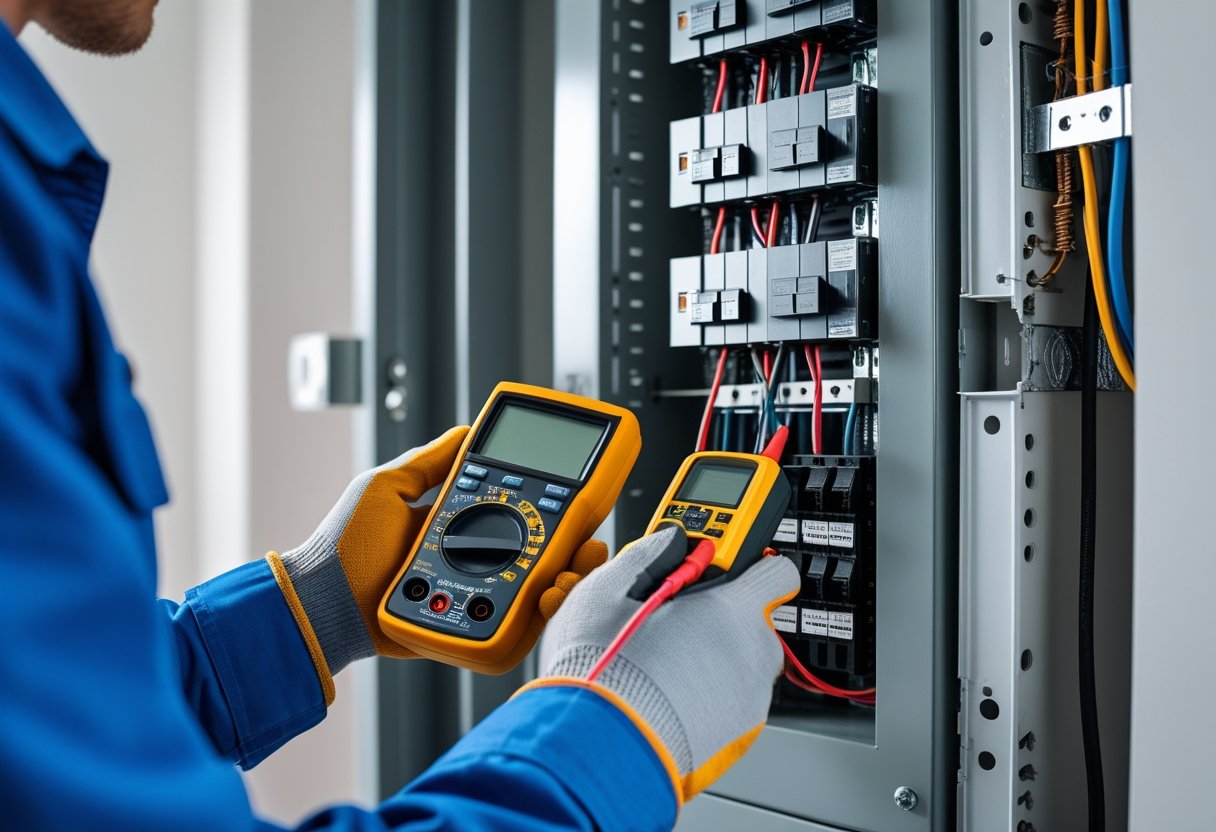
Yes, you can use a multimeter or voltmeter to check a breaker.
Test the voltage at the breaker terminals while it is off.
This helps you verify if the breaker is working without turning on the power.
What should you look for to diagnose a bad main breaker?
Look for burning smells or scorch marks near the main breaker.
If your main breaker trips often or won’t reset, it could be bad.
Flickering lights or a total loss of power to the whole house can also mean the main breaker is failing.