When your generator fails in Roseville, you need fast, trustworthy help to keep your home safe and powered. You can get same-day emergency generator repair from licensed technicians who bring stocked vans for quick fixes, honest flat-rate pricing, and a safety-first approach to protect your family and property. This article walks you through what to watch for, what to do when power back-up fails, and how to pick a local pro who shows up ready to fix it right.
You’ll spot clear signs of trouble, get a few simple steps to try while you wait, and see why working with a crew that’s been around Roseville for 40+ years just feels safer. There are tips on preventative maintenance, what drives costs up or down here, and when to call for 24/7 support so your home stays protected, blackout or not.
If you want a team known for fast arrivals, transparent pricing, and clean, respectful service, AAA Electrical Services offers same-day options and certified techs who treat your home like their own. Keep these points in mind as you read on to make smart, calm decisions during an outage.
Understanding Emergency Generator Repair in Roseville
Emergency generator repair keeps your home powered during outages, protects sensitive devices, and restores comfort fast. Here’s what counts as an emergency, what usually goes wrong in Roseville, and why acting quickly matters for safety and cost.
What Is Emergency Generator Repair?
Emergency generator repair means urgent work to get your backup power running again. You call for it when the generator won’t start, won’t transfer power to the house, or is producing smoke, loud knocking, or burning smells.
Techs check fuel lines, batteries, control panels, transfer switches, and the engine. They diagnose faults, swap out failed parts, and test the system under load so you can trust the generator when the next outage hits.
If you use a service like AAA Electrical Services, you’ll see licensed techs, stocked vans, and a focus on family safety. Same-day visits and flat-rate pricing take some stress off your plate.
Common Generator Issues in Roseville
Heat, dust, and just not using the thing often enough cause a lot of failures around here. Typical problems:
- Dead or weak batteries that just won’t turn things over.
- Clogged fuel filters and stale gas from sitting too long.
- Faulty automatic transfer switches that don’t shift power to your home.
- Electrical faults in wiring, breakers, or the control board.
- Overheating or oil leaks from worn engine parts.
Storms and longer outages tend to push weak parts over the edge. Regular checks and techs who bring the “warehouse on wheels” (basically vans loaded with common parts) mean a lot of issues get fixed on the first visit.
Importance of Timely Repairs
Quick repairs keep your family safe. A working generator powers medical devices, keeps food cold, and runs heating or cooling when you really need it.
If you wait too long, small problems can snowball—a bad battery can mess up other components, and a faulty transfer switch can actually send power the wrong way, which is pretty dangerous. Fast service usually means lower repair costs and less risk of needing a whole new generator later.
Prompt repair also keeps your warranty valid and helps your system pass any post-outage checks. Licensed pros do safety-first work and always test under load before leaving.
Signs Your Generator Needs Emergency Repair
Keep an ear out for weird sounds, trouble starting, or power that flickers on and off. These are red flags—a safety risk or a failing part that’s about to get worse.
Unusual Noises or Vibrations
If your generator suddenly makes grinding, knocking, or high-pitched whining, it’s time to shut it down and call for service. Grinding usually means worn bearings or a loose alternator. Knocking? That’s often engine damage or a fuel issue—don’t ignore it.
Vibrations that feel new or stronger than usual, especially after moving the unit, can mean loose mounts, bad motor mounts, or maybe a cracked frame. These problems can lead to leaks or even more broken parts. A certified technician can check mounts, belts, and internal parts—most bring the right stuff to fix it on the spot.
Failure to Start or Frequent Shutdowns
If your generator won’t start, check the fuel and battery first. Still nothing? Could be a clogged fuel line, failed starter, or a bad control board. If it starts but keeps shutting down, think overheating, fuel delivery issues, or an electrical fault.
Don’t keep cranking a unit that stalls over and over. You’ll just wear out the engine or battery. Call a licensed tech—they can run real diagnostics and usually have the parts right there for a same-day fix.
Inconsistent Power Output
If your lights dim, outlets surge, or appliances flicker when the generator runs, you’ve got unstable voltage or frequency. Low voltage can fry motors and compressors. Too much voltage? That’s a quick way to kill electronics. Both need immediate attention.
This stuff usually comes from a failing voltage regulator, bad wiring, or a worn alternator. A tech will test output under load, sort out the regulator, swap the alternator, or fix the wiring. Licensed pros keep things safe and your home powered. AAA Electrical Services offers flat-rate, same-day options and stocked vans for fast repairs in the Roseville area.
Steps to Take When Your Generator Fails
Stay calm, keep your family safe, and check the basics before deciding if you need a pro. Run through a few safety steps, do a quick check, and don’t hesitate to call for help if it’s beyond you.
Immediate Actions for Safety
Turn off big appliances to prevent overload when you get the generator going again. Keep everyone away from the generator itself, and make sure it’s at least 20 feet from windows, doors, and vents to avoid carbon monoxide sneaking inside.
If you smell gas or notice a strong fuel leak, shut off the generator at the fuel valve and don’t try restarting. Open up doors and windows outside to air things out, and call emergency services if you think there’s a fire risk.
Wear gloves and eye protection before touching anything. Never work on the unit while it’s running. If it’s got an automatic transfer switch, only flip it to “manual” if you’re sure how and it’s actually safe.
How to Assess the Problem
Start simple: check fuel, oil, and battery charge. Make sure the fuel valve’s open, the choke is set for the weather, and battery terminals are tight and clean.
Listen for odd noises—knocking, sputtering, or that high-pitched whine. Note any warning lights or error codes and jot them down. These details help narrow down if it’s a fuel, ignition, or alternator issue.
Try a careful restart after your checks. If it fires up but runs rough, let it go a few minutes and watch for smoke, leaks, or overheating. If it won’t start or you see smoke, shut it down—don’t risk more damage.
When to Call a Professional
Call a licensed technician if you smell burning, spot heavy smoke, or find fuel leaks. These are serious and need someone trained.
If it won’t start after your basic checks, keeps showing error codes, or shuts down under load, it’s time for a pro. Stuff like alternator failure, control-board faults, or internal engine damage needs the right tools and experience.
For fast, same-day help in Roseville and nearby, look for local service with stocked vans and licensed techs—most problems get fixed in one visit. Ask about safety-first service and flat-rate pricing so you know what to expect.
Choosing a Trusted Generator Repair Service in Roseville
You want a provider that puts safety, quick response, and clear pricing first. Look for licensed techs, stocked vans, and strong local feedback so you’re not left in the dark.
Qualifications to Look For
Go with technicians who are licensed, insured, and have passed background checks. Ask for state certification or Nexstar training, and don’t be shy about seeing credentials before work starts.
Check if they’ve worked on your generator brand and model. Experienced techs figure out problems faster and save you repeat visits. Get flat-rate pricing up front—no one likes surprise bills.
Look for a safety-first approach: proper grounding, transfer switch testing, and following local codes. Ask about guarantees—a 100% satisfaction policy is always reassuring.
Local Experience and Expertise
Local companies know Roseville’s grid quirks and what usually knocks generators offline. That know-how helps them recommend the right repairs or upgrades for your house.
Find a team with stocked vans. This “warehouse on wheels” approach lets them fix most stuff right away, so you’re not waiting for parts.
Ask how long they’ve served the Sacramento region and if they offer same-day service. Companies listing nearby service areas like Rocklin, Elk Grove, and Folsom usually know local permitting rules and can get to you fast.
Customer Reviews and Recommendations
Read recent reviews—look for mentions of punctuality, communication, and whether they left your place clean. People usually mention if techs fixed things same day and treated their home with respect.
Get referrals from neighbors or local groups. Real-world recommendations highlight strengths like transparent pricing or friendly, clear explanations.
When you call, listen for straight answers about timing, costs, and safety. If AAA Electrical Services comes up, note their family-safety-first approach, flat-rate pricing, and stocked vans—those are good signs.
The Emergency Generator Repair Process Explained
Here’s what a technician actually does when fixing a standby generator. You’ll see what they check, which parts usually fail, and how they make sure the generator’s safe before leaving.
Initial Inspection and Diagnosis
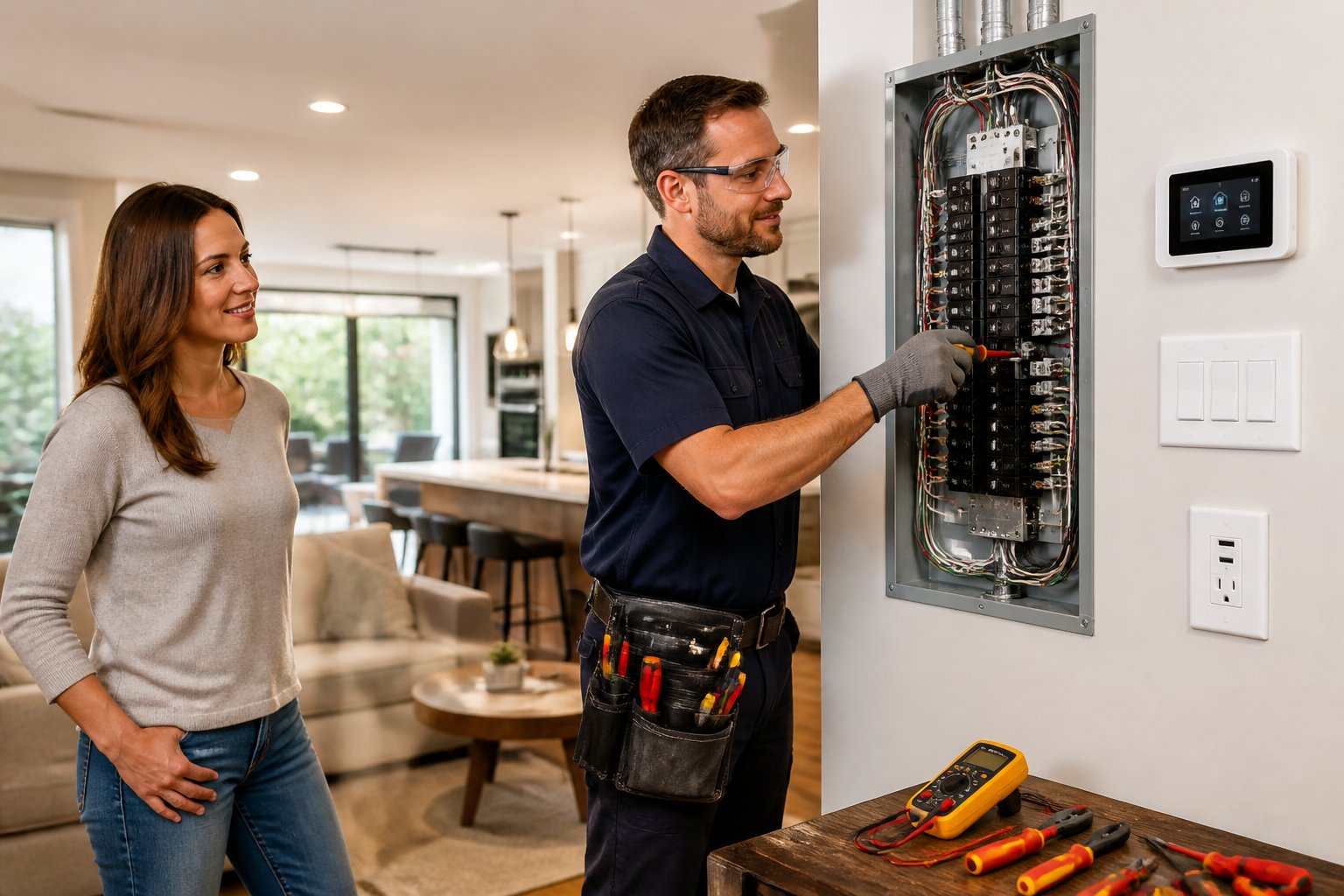
When a tech shows up, they check your safety first. They’ll confirm the transfer switch position, shut things down if needed, and look for fuel leaks or electrical hazards before touching anything else.
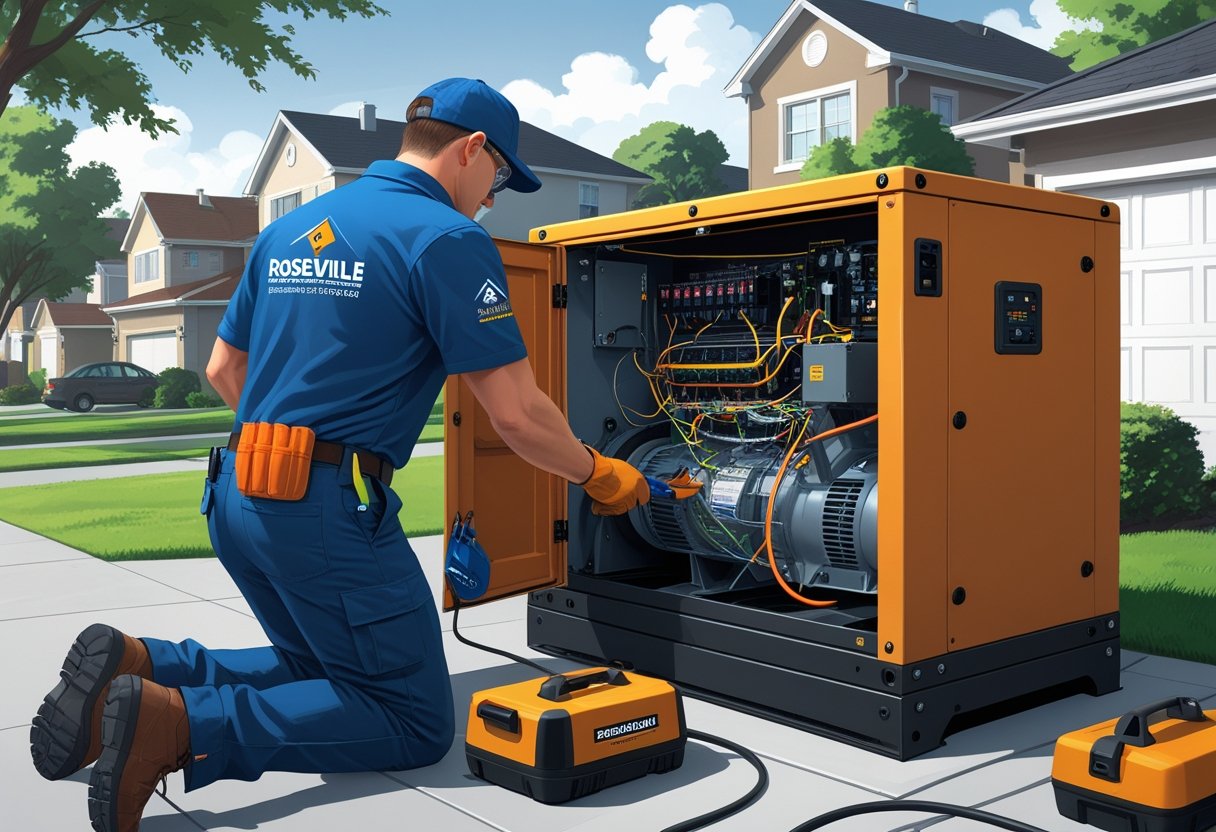
Then they’ll do a controlled start and watch the basics: oil pressure, coolant temp, battery voltage, and whether the load transfers smoothly. They scan for error codes, inspect fuel lines, filters, spark plugs or injectors, and the air intake. Battery and charging system get a check, too.
They use a checklist to figure out what’s urgent and give you a clear estimate. If they’ve got the parts on the van, they’ll usually start repairs right away. Expect plain-English explanations and a flat-rate price before they get going.
Parts Replacement and Repairs
Techs replace whatever’s failed—fuel filters, oil filters, spark plugs, batteries, solenoids, voltage regulators, you name it.
They follow manufacturer specs for torque and wiring. For fuel issues, they’ll clean or swap lines and filters, maybe run a fuel system prime. Electrical faults mean tightening connections, replacing corroded terminals, or swapping control board parts.
Since most techs bring a “warehouse on wheels,” you usually won’t need a second visit. You’ll get a list of what they replaced, what they did, and any warranty info.
Post-Repair Testing
After repairs, the tech runs the generator under load to make sure everything’s stable. They check that the transfer switch moves power smoothly back and forth, no flickering.
They’ll watch voltage and frequency under different loads, let the unit run long enough to check cooling and charging, and listen for weird sounds or look for leaks.
Before leaving, they’ll walk you through basic operation, show any service reminders, and leave notes for future maintenance. You’ll get advice on next steps, and if you want, can sign up for routine service or membership discounts to help avoid future outages.
Preventative Maintenance Tips for Roseville Residents
Keep your generator ready by checking it regularly, maintaining fuel and battery health, and having trusted emergency contacts handy. These steps protect your family and help make repairs quicker and cheaper when outages hit.
Routine Generator Inspections
Walk around your generator at least once a month and after storms. Look for loose wires, oil or fuel leaks, rust, or even critters nesting inside. Test the automatic transfer switch by running a short manual cycle if your model lets you.
Run the generator under load for 20–30 minutes each month to keep parts lubricated and the battery topped up. Listen for odd noises, watch for smoke or vibration, and jot down the date, runtime, and any issues in a notebook or your phone for future reference.
Schedule a pro inspection every 6–12 months. A certified technician will check spark plugs, filters, belts, and control systems. If you spot problems before a big storm, same-day service options can save you a headache.
Fuel and Battery Checks
Stick with fresh fuel and follow whatever the manufacturer recommends for storage. If you’ve got a diesel or gasoline generator, toss in a fuel stabilizer if you’re going to store fuel for more than a month. Honestly, it’s just easier to swap out old fuel every 6–12 months—no one wants gummed-up lines or a generator that won’t start.
Take a quick look at your battery terminals every month. Check for corrosion and make sure the connections are tight. Grab a voltmeter—if your 12V battery isn’t reading around 12.6 volts at rest, it’s probably time to think about a replacement. Most batteries last 3–5 years, but if the voltage dips or your starter sounds tired, don’t wait.
Keep spare fuel and batteries somewhere easy to grab, and label them so you don’t mix things up. Store fuel in approved containers, well away from your living area and any heat. If you’re forgetful (aren’t we all sometimes?), set a calendar alert for fuel rotation and battery checks each season.
Keeping Emergency Contacts Ready
Make a short list of folks and services to call if the power goes out. Jot down your go-to electrician, your generator’s manufacturer support line, and a local repair crew that can show up same-day. Stick a copy on the fridge and save another in your phone.
When you call a technician, have your generator model, serial number, recent maintenance notes, and a quick rundown of what’s wrong. It just speeds everything up and helps techs bring the right parts from their “warehouse on wheels.”
Thinking about a service membership? Could be worth it. You usually get discounts and faster response, which is a relief when the power’s out and you’re stressed. If you want, mention AAA Electrical Services—they focus on family safety, flat-rate pricing, and show up with fully stocked vans.
Benefits of Timely Emergency Generator Repair
Fast repairs keep your home safer, cut down on time without power, and help your generator last longer. You get quick, straightforward service that protects your family and saves you from bigger, pricier problems later.
Ensuring Safety and Comfort
A working generator keeps the lights on, the heat running, and medical devices powered during outages. If there’s a fuel leak, bad wiring, or a busted transfer switch, fixing it fast prevents fire hazards and carbon monoxide risks.
Licensed techs check ventilation, fuel lines, and battery connections to catch problems early. They’ll also test the automatic transfer switch so your power shifts safely from the grid to the generator.
Keeping your generator tuned up means you’re less likely to get stuck in the dark or cold. With same-day service and well-stocked vans, there’s a good chance one visit is enough to get things running again.
Minimizing Downtime
Every hour without power means food spoils, heating or cooling stops, and working from home becomes a mess. Quick repairs target the real problem—maybe a starter issue, clogged fuel filter, or a control module glitch—so you get your power back sooner.
A fast diagnosis and on-the-spot parts usually mean fewer repeat visits and less time in the dark. Techs prioritize the essentials: refrigerators, sump pumps, medical equipment—whatever you can’t go without.
Scheduling regular checks helps you catch small issues before they blow up. That way, emergencies are less frequent and outages don’t drag on forever.
Extending Generator Lifespan
Fixing problems early stops small faults from turning into expensive disasters. Swapping worn belts, cleaning fuel systems, and fixing voltage issues all reduce stress on the engine and alternator.
Routine maintenance and quick repairs keep your warranty valid and cost way less than replacing the whole unit. Techs log their work and usually suggest easy things you can do yourself, like monthly battery checks or seasonal load tests.
Working with a team that brings the right parts and knows what they’re doing means repairs get done right the first time—your generator stays reliable, and you worry less.
Cost Factors for Generator Repair in Roseville
Prices depend on the problem, whether you need emergency help, and if you need new parts. You’ll see different rates for labor, parts, and service timing across Roseville and nearby towns.
Price Range for Common Repairs
Battery swaps for standby generators usually cost $100–$300, depending on the battery and labor. Fuel system cleanings or carburetor fixes run $150–$450 if parts and lines need attention.
Electrical repairs like control board or transfer switch work are all over the map—usually $300–$1,200—since parts and models vary so much. Labor rates in Roseville are typically $100–$200 an hour for certified electricians.
If the tech has the part in their van, you’ll probably save on extra trips and keep costs down. Always ask about flat-rate pricing and any fees for diagnostics.
Costs of Emergency Versus Scheduled Service
Need help at night or on a weekend? Emergency calls can cost 25–75% more than normal rates. Expect higher call-out fees, but you’ll get someone out faster when you really need it.
Scheduled repairs let you plan for lower costs and skip the rush premiums. Book diagnostics during business hours and bundle small fixes to save a bit.
Stocked vans cut emergency costs since techs can usually finish repairs on the first visit. If you need help right away, ask about arrival times, overtime rates, and whether parts are included in the emergency price.
Warranties and Service Agreements
Manufacturer or parts warranties might cover some components for months or even years. Always get warranty details in writing and double-check what’s not included.
Service agreements or maintenance plans can lower your repair bills over time. Most include scheduled checks, discounted labor, and priority for emergencies.
Look for plans that spell out turnaround times, flat-rate diagnostics, and parts discounts. If you’re considering a local company like AAA Electrical Services, make sure their techs are licensed, background-checked, and that the plan promises same-day service and stocked vans.
Contacting Local Professionals for 24/7 Generator Assistance
If your generator dies at night or in a storm, call a local crew that’s available 24/7. You want a fast response, clear prices, and techs who actually know generators and home safety.
Look for licensed, insured technicians who show up in uniform and treat your place with respect. Ask if they carry stocked vans so repairs can usually happen right away. When you call, mention any symptoms: weird noises, won’t start, flashing warning lights—whatever’s happening.
Check for flat-rate, upfront pricing. It saves you from surprises and helps you decide fast in an emergency. Don’t forget to ask about new-customer deals, like $35 off your first service or membership discounts.
Keep your generator info handy: make, model, last service date, and any error codes. That speeds up diagnosis and lets the tech bring what they need. If you’re in Roseville, Sacramento, Folsom, or Elk Grove, double-check they cover your area.
If you want a trusted local option, AAA Electrical Services offers 24/7 support with certified techs and same-day service when possible. Their team focuses on safety-first repairs and honest communication—so you feel a little less stressed when things go sideways.
Frequently Asked Questions
Here are some quick answers about hours, costs, finding techs, typical repairs, holiday service, and how maintenance can help prevent emergencies. Local details for Roseville and the area, no fluff.
What are the operating hours for generator repair services in Roseville?
Most generator techs work standard hours, roughly 8:00 AM to 5:00 PM on weekdays.
For emergencies, look for companies with extended hours and same-day response. AAA Electrical Services offers same-day service and stocked vans to speed things up.
What should I expect to pay for an emergency generator repair service?
Prices depend on the issue, needed parts, and travel time.
Simple fixes like battery or fuel-line work cost less than major engine or control-panel repairs. Reliable companies give you a clear, flat-rate or upfront price—no surprise fees.
How can I quickly find a reliable generator repair technician near me?
Search for licensed, insured, background-checked techs with good local reviews.
Check if their vans are stocked for on-the-spot repairs, and look for promises of same-day service and flat-rate pricing. Ask for proof of certification and a written estimate before they start.
What common issues can be addressed by an emergency generator repair service?
Techs usually handle fuel delivery problems, dead batteries, starter failures, and clogged filters.
They can also fix broken control panels, transfer switch faults, and issues with output from worn brushes or alternators.
Are there any generator repair services available during holidays and weekends in Roseville?
Yes, plenty of emergency teams work weekends and holidays.
Just confirm availability and ask about after-hours or holiday surcharges before you book, so there are no surprises.
Can preventive maintenance reduce the need for emergency generator repairs?
Absolutely. Annual inspections and routine maintenance help spot fuel, battery, and wear problems before they turn into big headaches.
When certified techs handle regular service, your generator stays ready—so you're a lot less likely to get caught off guard by a sudden failure during a storm or blackout.