Worried your home’s wiring might hide a safety risk? An electrical wiring inspection in Fair Oaks checks your outlets, panel, breakers, and visible wiring to find worn connections, overloaded circuits, and code gaps so you can fix problems before they become dangerous. A professional inspection gives you a clear report of hazards and simple next steps to keep your family safe and your home up to code.
You’ll see what inspectors watch for, what usually pops up in Fair Oaks homes, and how you can prep so the visit’s quick and painless. AAA Electrical Services sends out licensed techs who focus on safety, offer same-day service when they can, and stick to flat-rate pricing so you know what you’re getting into.
Let’s break down the inspection process, call out the most overlooked stuff, and talk about how catching things early can save you hassle and money. By the end, you’ll have a better handle on picking a certified inspector in Fair Oaks and what actually happens after the inspection.
What Is Electrical Wiring Inspection?
An electrical wiring inspection covers the parts that deliver power in your house—wiring, outlets, switches, the breaker panel, and safety features. It’s about spotting anything unsafe or outdated.
Purpose of Electrical Inspections
The point? Keep your family and home safe from shocks, fires, and blackouts. Inspectors hunt down loose wires, bad insulation, sketchy grounding, overloaded circuits, and old parts that could cause trouble.
They also check that your system matches local codes and can handle modern appliances. That way, you dodge nuisance breaker trips, surprise outages, and headaches with insurance or resale.
You’ll get a report with what needs fixing now (like a crusty old wire or a two-prong outlet that needs grounding) and what can wait a bit.
When Inspections Are Required
You’ll want to book an inspection when buying or selling a house, after big remodels, or if you notice flickering lights, tripped breakers, weird smells, or warm outlets. If your home’s older—especially pre-modern code—don’t wait for problems to show up.
Permitted work, new panels, and high-demand appliances like EV chargers or generators also mean you need an inspection. For most homes, checking things every 5–10 years is just smart.
Notice sparks, buzzing, or breakers that keep tripping? Don’t wait—get it checked out now.
Who Performs Electrical Inspections
Licensed electricians or certified inspectors handle these checks. Look for state-certified pros who know the local code. In Fair Oaks, make sure your tech is licensed, insured, and background-checked.
AAA Electrical Services sends out certified techs who show up ready to fix things fast and walk you through what they find. They’ll give you a written checklist and clear, flat-rate pricing.
Common Electrical Code Requirements in Fair Oaks
You need wiring that’s both safe and up to code to keep your family protected and your insurance valid. Here’s a quick rundown of local rules, when you need permits, and what’s changed in recent codes.
Local Codes and Regulations
Fair Oaks uses California Electrical Code, which builds on the National Electrical Code (NEC) with some local tweaks. You need grounded outlets in living spaces, GFCIs where there’s water (kitchen, bath, garage, outside), and AFCIs in bedrooms and living areas.
Wiring and panels have to meet amp and wire size rules. For example, lighting and outlets usually go on 15A or 20A circuits with 14 or 12 AWG wire. All splices need to be inside approved, easy-to-get-to boxes with covers.
Inspectors check grounding, breaker sizing, and that cables run securely. If you hire someone, make sure they pull the right permits and schedule inspections, or your insurance could get messy.
Permit Needs in Fair Oaks
You need permits for new circuits, panel upgrades, panel moves, and for adding EV chargers or generators. Swapping a switch or outlet? Usually no permit. Adding wiring or changing circuit sizes? Definitely yes.
Permits run through Sacramento County or your local building office. Most electricians handle the paperwork, which makes things easier. Skipping permits can lead to failed inspections, fines, or insurance headaches. AAA Electrical Services can help with permits and try for same-day service if their schedule allows.
Updates in Recent Electrical Codes
Newer NEC and California codes put more focus on shock and fire safety. GFCI and AFCI protection now covers more circuits and rooms than before. There are stricter rules for tamper-resistant outlets in homes with kids, and more attention on energy management for EV chargers and solar.
Panels often need better labeling and space for future breakers. Some neighborhoods have extra rules for grounding or conduit. Always check the latest code before starting a project—staying up to date is the only way to pass inspection.
Step-by-Step Electrical Wiring Inspection Process
So, how does an inspector actually check your wiring? Let’s walk through what they do, what they bring, and the hazards they’re looking for. Here’s what to expect and how to prep so things move quickly.
Initial Assessment
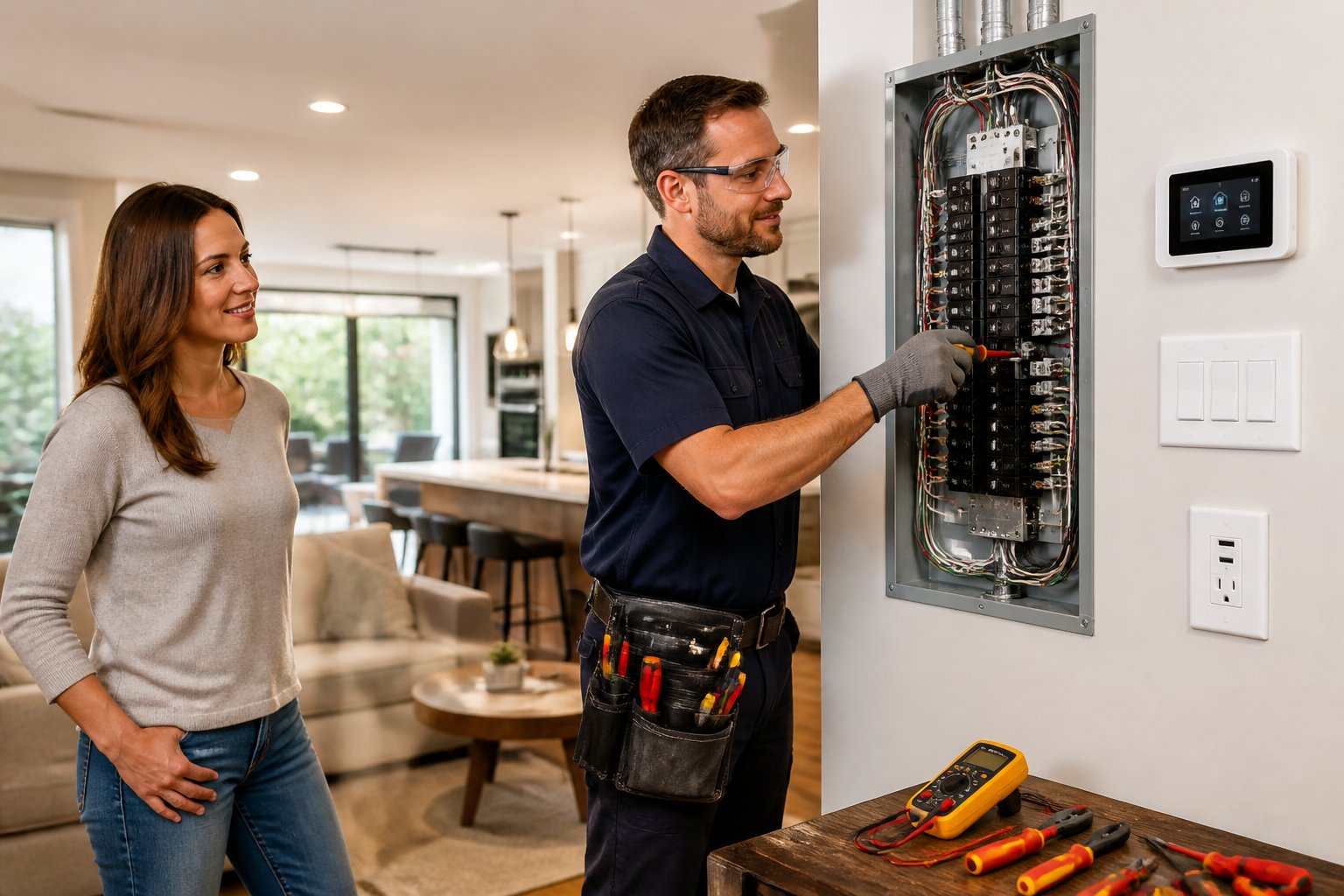
The inspector starts by walking through your electrical spaces—main panel, subpanels, visible wiring in basements or attics, outlets, switches, and any recent changes. Point out anything new or any weird issues you’ve noticed.
They check service size, panel labels, and breaker condition. Loose covers, rust, double-tapped breakers, and grounding get a close look. They’ll snap photos or jot notes for repair quotes.
Inspectors test a chunk of outlets and switches with simple tools to make sure there’s power and the wiring is right. For a typical single-family home, expect the process to take about 1–2 hours, but bigger homes or recent upgrades can stretch that out.
Inspection Tools and Equipment
Inspectors bring handheld tools—multimeters for voltage, plug-in testers for outlets, and non-contact voltage testers for live wires.
They use GFCI testers for protected circuits, circuit tracers to follow hidden wires, and sometimes thermal cameras to spot hot spots. For panels, they’ll have insulated screwdrivers and a flashlight. Clamp meters let them check current without disconnecting wires.
You don’t need to provide any tools, but clearing paths to panels, closets, and attics helps a ton. If they need to pop off a panel cover or crawl into a tight spot, keep pets out of the way and make sure there’s room to work.
Highlighting Potential Hazards
Inspectors flag stuff that could shock you, start a fire, or fail code. They watch for frayed insulation, aluminum wiring without the right connectors, two-prong outlets, and open splices.
Other issues? Overloaded circuits, missing or dead GFCI/AFCI protection, double-tapped breakers, and bad grounding. Unsafe DIY work, loose outlets, or any signs of overheating (burn marks, warm panels) get called out.
You’ll get a list of hazards with photos and what to do about them. With AAA Electrical Services, they often fix a bunch of these issues on the spot—stocked vans and flat-rate pricing make it pretty painless.
Key Areas Inspected During a Wiring Inspection
Inspectors zero in on the stuff that really matters for safety and everyday use: breaker panels, all outlets and switches, and every wiring connection. They want to see solid grounding, tight connections, and code compliance.
Breaker Panels and Circuit Boxes
Inspectors open up your main panel and any subs to check breaker types and labeling. They make sure the main breaker matches your service, that breakers sit right, and look for overheating—melted insulation or burn marks are big red flags.
They pay extra attention to grounding and bonding—are ground wires hooked up? Is bonding across water lines and meter bases correct? They also check clearances and that the panel cover and knockouts are in place.
If your panel’s old, expect notes about unsafe stuff like aluminum branch circuits without proper connectors, Federal Pacific or Zinsco breakers, or double-lugged neutrals. Upgrades get recommended if the panel’s too small or not safe.
Outlets and Switches
Inspectors test a good sample of outlets and switches—voltage tests, plug-in testers, the works. They look for loose outlets, cracked plates, and any scorching or arcing.
They check GFCI and AFCI protection where it’s required: bathrooms, kitchens, garages, bedrooms. Devices need to trip properly and be on the right circuits to keep you safe.
They test grounding and polarity at each outlet. Three-prong outlets should really be grounded—if not, they’ll note it. Same for reversed polarity or ungrounded outlets.
Wiring Connections
Inspectors open junction boxes and check splices—every wire should be tight and insulated. Splices need to be inside proper boxes with covers, and wire nuts or compatible connectors should be used.
They check for overloaded circuits and make sure wire size matches the breaker. For example, you can’t put 14 AWG wire on a 20-amp breaker—if that’s there, it’ll get flagged.
DIY work that doesn’t meet code—bad staples, open splices, unsupported wires—gets called out. If repairs are needed, the inspector will let you know if you really need a pro, like the certified team at AAA Electrical Services who can handle fixes quickly.
Typical Issues Identified During Fair Oaks Inspections
Inspectors spot problems that hit safety and daily use hard. Here’s what comes up a lot: old wiring, bad or missing grounding, and circuits that are just plain overloaded.
Outdated Wiring
Older Fair Oaks homes sometimes still have cloth-insulated, knob-and-tube, or aluminum wiring. These can break down, overheat, or corrode—raising fire risk and causing flickering lights or tripped breakers.
Watch for discolored outlets, warm covers, or weird burning smells. Inspectors also look for loose neutrals and wires that don’t match breaker labels.
When inspectors find outdated wiring, they might suggest partial rewiring, swapping out certain circuits, or a full panel upgrade. AAA Electrical Services will check it out, quote you a flat rate, and can often fix things same day.
Improper Grounding
Good grounding sends stray current safely into the earth. In Fair Oaks, missing ground wires, open ground outlets, and bad panel connections are common.
If you see two-prong outlets where three-prong should be, GFCIs that don’t work, or get a tiny shock from appliances, grounding could be the issue. Inspectors test continuity, check ground rods, and look at panel bonds.
Fixes range from adding ground wires to retrofitting GFCIs and bonding water or gas lines. Only licensed pros should mess with grounding—code matters here, and so does safety.
Overloaded Circuits
Too many devices on one circuit? That’s overload. Modern stuff like EV chargers, space heaters, and AC units push old circuits to the edge.
Breakers that trip a lot, lights that dim when appliances kick on, or warm outlets are all signs. Inspectors map out loads and test breakers to find overloaded circuits.
Fixes include splitting up loads, adding new circuits, or upgrading the panel. AAA Electrical Services can usually handle these repairs quickly with stocked vans and same-day service when possible.
Preparing for Your Electrical Inspection in Fair Oaks
Get your home ready (and safer) by making sure the inspector can reach everything, labeling circuits, and pulling together any permits or paperwork they’ll want to see. It helps to jot down a list of recent electrical work, any obvious problems, and safety concerns you’ve spotted.
How to Get Ready for an Inspection
Clear out the space around your main electrical panel and all outlets the inspector will check. Move boxes, furniture, and whatever else is in the way—aim for 2 to 3 feet of open space around panels, meters, and attic or crawlspace entries.
Turn off or unplug sensitive electronics if the inspector needs to test circuits. This way, you don’t risk frying your TV or computer during the process.
Write down anything you’ve noticed: flickering lights, breakers that trip a lot, warm outlets, or weird smells. Point these out when the inspector arrives.
If you’ve had work done, keep the area exposed and accessible—junction boxes, new outlets, or open crawlspaces. It’s just easier for everyone.
Documents and Permits to Gather
Bring any permits from Fair Oaks or Sacramento County for recent electrical work. Include inspection reports, permit numbers, and contractor names if you have them.
Grab receipts or invoices for panel upgrades, circuit additions, EV charger installs, or generator work. These help show what was done and by whom.
If you’ve got electrical plans or breaker box labels, bring those too. A simple circuit map lets the inspector find and identify circuits faster.
Keep warranty info for big components (panels, breakers, EV chargers) and any manuals handy. It can speed up decisions and help you understand any fixes they recommend.
Benefits of Regular Electrical Wiring Inspections
Regular wiring checks catch hidden problems and keep your home up to current safety standards. They lower fire risk, help your electrical system last longer, and can save you money on repairs or insurance.
Preventing Electrical Hazards
Inspections catch worn wiring, loose connections, and overloaded circuits before they start fires. A technician checks outlets, breakers, and visible wiring for heat damage, corrosion, and bad grounding.
You’ll get clear fixes—maybe replacing frayed cables, adding circuits for heavy appliances, or installing GFCIs near water. All of this lowers the risk of shocks and fires.
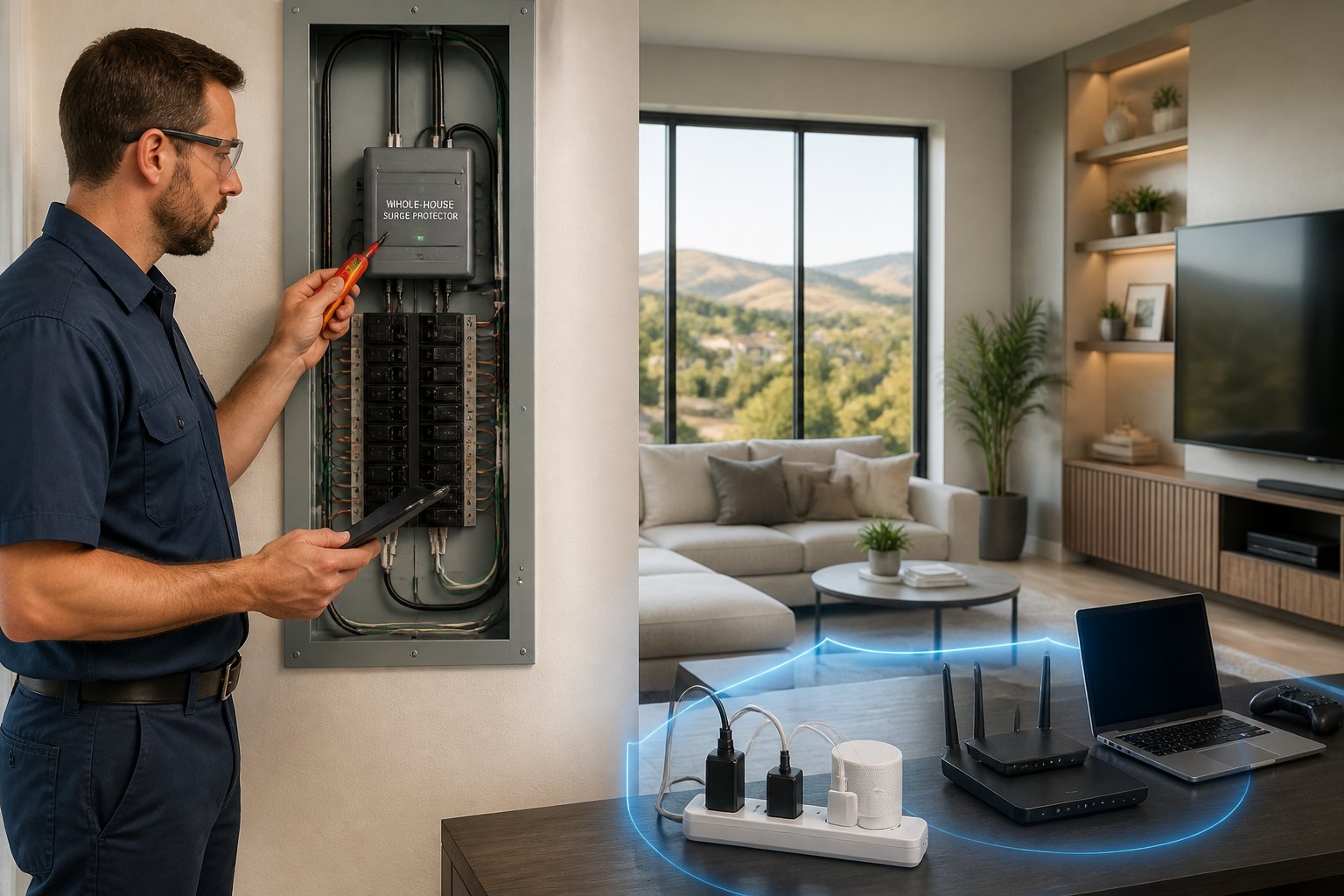
Inspections also review smoke detector placement and suggest surge protection for electronics. In Fair Oaks, quick repairs from licensed pros really do protect your family and property.
Extending System Lifespan
Inspections spot small issues that can turn into big failures if ignored. Tightening connections, balancing loads, and swapping out old parts keeps panels, breakers, and wiring working longer.
Routine service takes the stress off appliances and prevents nuisance trips that wear out breakers. You end up with fewer emergencies and lower repair costs.
A professional inspection gives you a plan—what to fix now, what to keep an eye on. AAA Electrical Services offers same-day service and stocked vans, so most fixes happen in one visit and your system runs reliably.
Choosing a Certified Electrical Inspector in Fair Oaks
Choose someone who puts safety and local code first. Look for proof of licenses, experience with Fair Oaks homes, and clear communication so your inspection doesn’t turn into a headache.
What Qualifications to Look For
Ask for a current California electrical contractor license and state certification. Get license numbers and proof of insurance before you book. These show the inspector plays by the rules and you’re covered if anything goes sideways.
You want someone with years of residential inspection experience—especially with older Fair Oaks wiring, panels, and breakers. Ask about recent training on new systems like EV chargers or solar. References or sample reports help you see if they do thorough, code-focused work.
Technicians who give you written reports with clear photos, a list of safety fixes, and upfront pricing are worth it. It helps when inspectors explain things in plain English and can come back quickly if something urgent pops up.
Local Fair Oaks Inspection Services
Pick a company serving Fair Oaks and nearby spots like Sacramento, Folsom, and Rancho Cordova. Local inspectors know Sacramento County code quirks and issues like old knob-and-tube wiring or undersized panels.
Ask if they do full-panel checks, test circuits, outlets, and grounding, and verify smoke/CO devices. Make sure they check breaker labeling and test AFCI/GFCI protection where it’s required. These are the big ones for local safety.
If convenience matters, look for teams with stocked vans and flat-rate pricing so there aren’t surprise bills. AAA Electrical Services uses a safety-first approach, has certified techs, and offers same-day service—stuff a lot of Fair Oaks homeowners appreciate.
After the Electrical Inspection: What Comes Next?
You’ll get a list of next steps, details on any issues, and a timeline for repairs so you can keep your family and home safe. Check the report, decide what’s urgent, and plan repairs with licensed pros.
Receiving Your Inspection Report
You’ll get a written report listing everything the inspector checked and any safety issues found. Expect photos, circuit labels, and code notes for things like overloaded panels, loose wires, or missing outlet covers.
Look for a priority rating. High-priority stuff (hot smells, constant breaker trips, exposed wires) needs fixing ASAP. Lower-priority items might just be maintenance or upgrades—like adding GFCIs or replacing old outlets.
If anything in the report confuses you, call the inspector or your electrician and ask for a plain-language explanation. Keep the report with your home records and give a copy to anyone doing repairs or future inspections.
Common Follow-Up Steps
First up, schedule repairs with a licensed electrician who can pull permits if needed. In Fair Oaks and nearby, a pro often handles same-day fixes since their vans are stocked—most jobs (up to 93%) get done on the first visit.
Repairs usually mean tightening loose connections, replacing breakers or panels, adding proper grounding, or installing GFCIs/AFCIs. Expect an upfront price and a timeline for work and inspections.
After repairs, ask for a final checklist or re-inspection to make sure everything meets code. Save all receipts and permits for warranties or future buyers. AAA Electrical Services can help with this—safety-first work, stocked vans, and certified techs who handle inspections and repairs all over the Sacramento area.
Frequently Overlooked Aspects of Electrical Wiring Inspections
Some details hide problems that raise fire risk or cause annoying breaker trips. Paying attention to safety devices and signs of wire damage behind walls keeps your home safer.
Checking GFCI and AFCI Devices
Test GFCI outlets in kitchens, bathrooms, garages, and outside. Hit the test and reset buttons—they should trip and restore power right away. If a GFCI won’t trip or reset, it’s probably worn or miswired and needs replacing.
AFCI protection is required in a lot of living areas now. Use an AFCI tester in bedrooms and living rooms to see if the breaker trips for arc faults. If it doesn’t trip, or it trips too much with normal use, get a licensed electrician to check the wiring and breaker.
Label which outlets are protected by each GFCI or AFCI. Note any that only protect some downstream outlets. For peace of mind, schedule a pro inspection—AAA Electrical Services’ licensed techs can test and replace these devices same day, with stocked vans to wrap up most jobs on the spot.
Hidden Wire Damage
Look for clues that wiring behind walls is damaged: scorch marks on outlets, frequent breaker trips, or hot switch plates. These often point to loose connections or insulation breakdown you can’t see.
Pests, moisture, and old insulation cause hidden wire damage. Ask your inspector to check attic runs, basement penetrations, and spots near plumbing. They should also look for nail or screw hits where drywall meets studs.
Thermal imaging and continuity tests can reveal hidden problems without tearing up walls. If testing shows high resistance, frayed wires, or bare copper, plan for targeted repairs or rerouting. Quick repairs keep risks down and circuits working.
Frequently Asked Questions
Here’s a rundown of common cost, timing, process, and local resource questions about residential electrical inspections in Fair Oaks. You’ll find rough price ranges, what gets checked, and what to expect during a visit.
What are the typical costs associated with electrical wiring inspections in homes?
A basic home electrical inspection usually runs $150–$350, depending on home size and how complex things are. Older homes or ones with extra buildings can bump up the price.
More detailed inspections, like a full safety check or pre-sale inspection, may cost $300–$600. Ask about flat-rate pricing so you know what’s included.
How frequently should homeowners schedule inspections for their electrical systems?
Get a full electrical inspection every 3 to 5 years for most homes. Do it sooner if you live in an older house, after major renovations, or if you notice frequent breaker trips or flickering lights.
Also schedule one when buying or selling, and after any electrical work or storm damage.
What steps are involved in a residential electrical wiring inspection?
The inspector checks the electrical panel, breakers, and main disconnect for safety and code. They look at visible wiring, outlets, switches, and grounding for wear, overheating, or bad connections.
They’ll test GFCIs and AFCIs, inspect lighting and appliance circuits, and verify service capacity against household needs. You’ll get a short written report with issues and suggested fixes.
Can you estimate the price for inspecting an electrical panel in my home?
A focused electrical panel inspection typically costs $100–$250. The price depends on panel accessibility, panel age, and whether they include testing or small repairs.
Need a panel upgrade or parts replaced? The inspector will give a separate estimate for labor and materials.
Who are some reputable electrical inspectors or companies in the Fair Oaks area?
Look for licensed, insured, and state-certified electricians with local experience and good reviews. Choose a company with transparent flat-rate pricing, same-day service, and background-checked techs.
AAA Electrical Services covers Fair Oaks and nearby areas with a safety-first approach, stocked vans for fast repairs, and licensed, Nexstar-trained technicians.
What should I expect during a professional electrical wiring inspection?
The inspector will probably ask if you’ve noticed any weird electrical issues lately, then open up the panel and start checking circuits. They’ll whip out their tools—testing voltage, continuity, grounding, and making sure protective devices are doing their job.
Try to clear some space around the panel before they show up, and be ready to wander room to room with them. Afterward, you’ll get a written summary with their findings, any safety concerns, and what they think you should do next.