Electrical reliability in California homes isn’t just about having power today. You need a setup that can handle modern electrical loads, stay safe during heat waves, and keep up as your house ages. In older Southern California homes and plenty of Sacramento-area houses, small warning signs often hint at bigger issues that really shouldn’t be ignored.
Catching problems early, fixing unsafe wiring and weak components, and planning upgrades around your home’s real power needs—those are the basics for better long-term reliability. This approach keeps your family safer and helps your system handle new demands without unnecessary stress.
Key Takeaways
- Small warning signs can point to bigger electrical hazards.
- Inspections and maintenance help with smarter upgrades.
- Planning for capacity protects your home as power needs grow.
Start With Warning Signs That Point To Bigger Problems
Little changes in your home’s behavior can reveal hidden electrical issues before they blow up. If you see patterns, not just a one-off glitch, it’s time to take them seriously and call a licensed electrician.
What Flickering Lights And Dimming Lights Usually Mean
Flickering or dimming lights usually mean you’ve got loose connections, overloaded circuits, or aging parts. Sometimes, it’s just an appliance kicking on, but if it’s happening in multiple rooms, your system’s probably under stress.
If the lights dip when you turn on the microwave, HVAC, or a space heater, your home might be pushing its limits. That’s pretty common in houses that now support more gadgets than the original wiring was built for.
Why Breaker Trips And Tripped Breakers Should Not Be Ignored
Breaker trips aren’t just random annoyances—they’re doing their job to keep you safe. If they trip often, your system might be overloaded, a circuit could be failing, or an appliance may need attention.
Don’t just reset and forget. If you’re seeing the same issues repeatedly, get same-day troubleshooting so a small problem doesn’t spread.
When Warm Outlets Or A Burning Smell Signal Electrical Hazards
Warm outlets are never normal. And if you smell something burning near a receptacle, switch, or panel, treat it as urgent. These symptoms can signal loose wiring, heat buildup, or a failing connection that could lead to damage or even fire.
Notice heat, discoloration, buzzing, or odor? Stop using the circuit and call for help right away. A good tech with a stocked truck can usually find the issue quickly and fix it on the spot if it’s localized.
Inspect The System Before Planning Upgrades
Don’t upgrade blindly. An electrical inspection shows you what’s minor wear and what’s a bigger deal, so you spend money where it matters.
What An Electrical Inspection Should Cover In California Homes
A proper inspection should check the panel, branch circuits, outlets, switches, visible wiring, grounding, and safety devices. It also needs to consider how you actually use your home now—not just how it was wired decades ago.
Especially in older California homes, the inspection should factor in heating and cooling demand, EV charging plans, solar setups, and other modern loads. That way you get a practical roadmap for maintenance and upgrades.
How Electrical Inspections Reveal Aging Wiring And Unsafe Wiring
Electrical inspections spot aging wiring by looking for brittle insulation, outdated materials, bad connections, or overheating. Unsafe wiring often hides behind walls or inside the panel and isn’t obvious day-to-day.
This really matters in older homes around Sacramento, Roseville, Rocklin, Elk Grove, and neighboring areas. The sooner you find old wiring, the easier it is to avoid repeat failures and big repairs down the road.
Why Licensed Electricians Matter For Accurate Load And Safety Reviews
Licensed electricians know how to check load, code compliance, and safety risks without just guessing. They’ll tell you if a circuit is failing, if an outlet needs protection, or if your panel can still support the home safely.
Honest communication and clear recommendations matter here. AAA Electrical Services uses licensed electricians who help you make decisions for safety, capacity, and long-term reliability.
Fix The Foundation: Wiring, Grounding, And Outlet Safety
The stuff you don’t see is often what matters most. Quality wiring, proper grounding, and safe outlets are the base for a dependable system.
When Outdated Wiring Or Old Wiring Calls For Rewiring
Outdated or old wiring becomes a headache when it can’t safely handle today’s demands or shows wear. If the insulation’s brittle, connections are failing, or you’re relying on patch jobs, rewiring is probably the smarter long-term move.
Whole-home rewiring makes sense when problems keep popping up in different rooms. It means safer appliance use, cleaner performance, and better peace of mind.
Risks Linked To Aluminum Wiring, Two-Prong Outlets, And Outdated Fuse Box Equipment
Aluminum wiring can loosen and overheat at connections if not handled right. Two-prong outlets don’t ground modern gear, and an old fuse box can’t offer the protection (or convenience) of newer panels.
These setups don’t always fail immediately, but they do raise your risk. If your house still has old wiring or legacy stuff, a licensed electrician can help you weigh repair, replacement, or a bigger upgrade.
Why Proper Grounding, Grounding And Bonding, GFCI Protection, And AFCI Protection Improve Reliability
Proper grounding and bonding keep things steady and reduce shock risk by giving stray electricity a safe path. GFCI protection is a must in wet areas, and AFCI protection helps cut fire risk from arcs.
These safeguards stop small faults from turning into big disasters. In kitchens, baths, laundry, garages, and bedrooms, they’re key to long-term safety.
Upgrade Panel Capacity For Modern Living
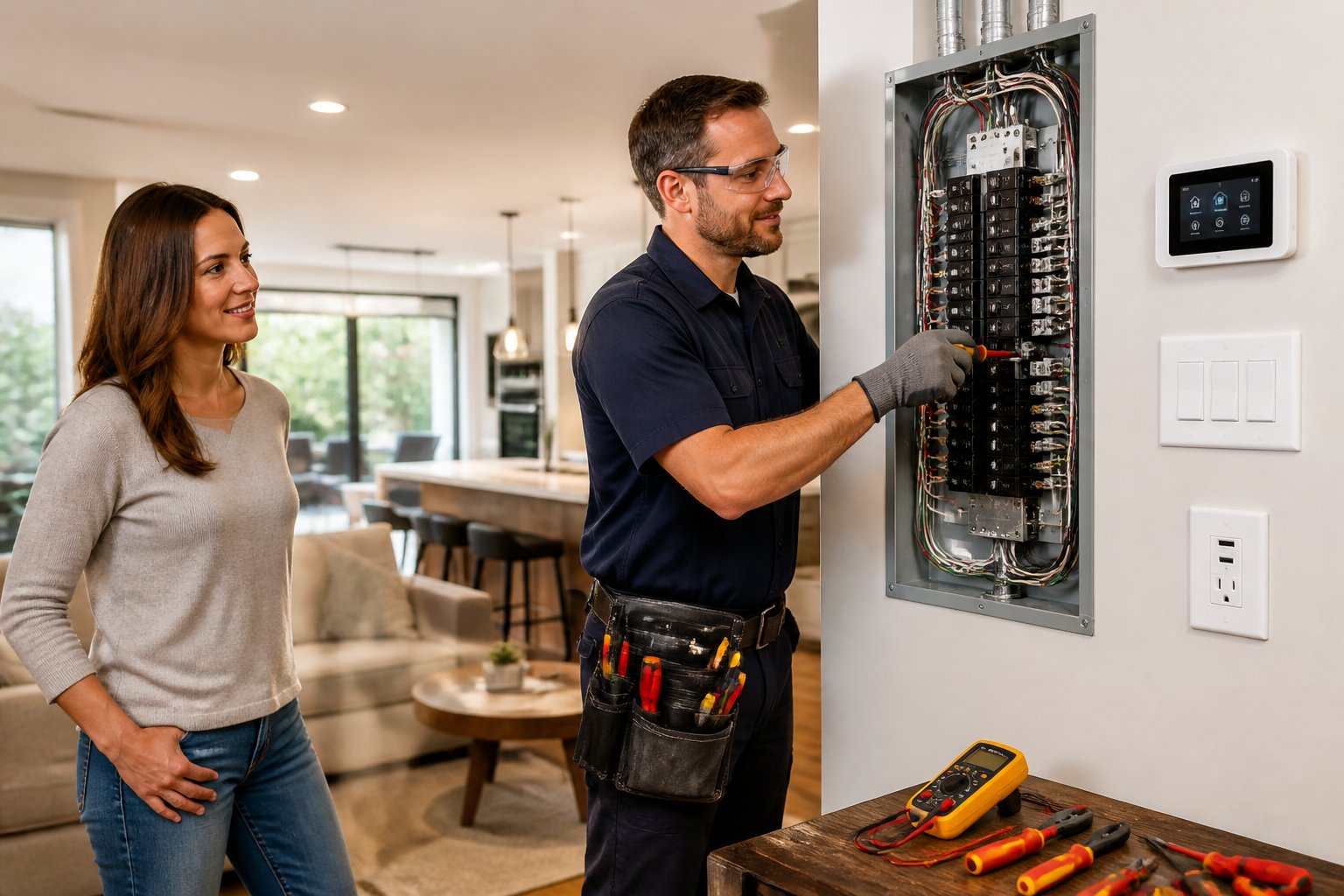
A lot of California homes look great but just don’t have enough electrical capacity. A panel upgrade gives your system room to breathe and keeps circuits from getting overworked.
How To Know If You Need A Panel Upgrade Or Panel Replacement
You might need a panel upgrade or replacement if breakers trip all the time, lights dim when you use appliances, or you keep adding new stuff to already busy circuits. Other clues: an old panel, heat near the box, or remodeling plans that add more electric gear.
If you’re adding EV chargers, upgrading HVAC, or redoing your kitchen, talk panel capacity early. A licensed electrician can check your current load and let you know if an upgrade is the safer bet.
Why Electrical Panel Upgrades Reduce Overloaded Circuits
Upgrading the panel helps distribute power better and gives you more usable space. That means fewer nuisance trips, more even performance, and less stress on your equipment.
A new panel also makes future upgrades way easier. For homes in Sacramento, Folsom, Elk Grove, and nearby, this can mean fewer headaches when you add appliances or charging equipment.
Planning Dedicated Circuits For EV Chargers, HVAC, Kitchens, And Home Offices
Dedicated circuits keep high-demand equipment from fighting for the same power. It’s especially important for EV chargers, HVAC, kitchens, and home offices—places where loads can spike during the day.
Plan dedicated circuits now so you don’t wind up with overloaded ones later. It’ll help with smoother performance and fewer surprises as you upgrade.
Add Protection That Prevents Repeat Failures
Once your system’s stable, protection and maintenance keep it that way. The idea is to catch wear early and keep little issues from coming back.
Where Surge Protection Fits Into A Reliable Home Electrical System
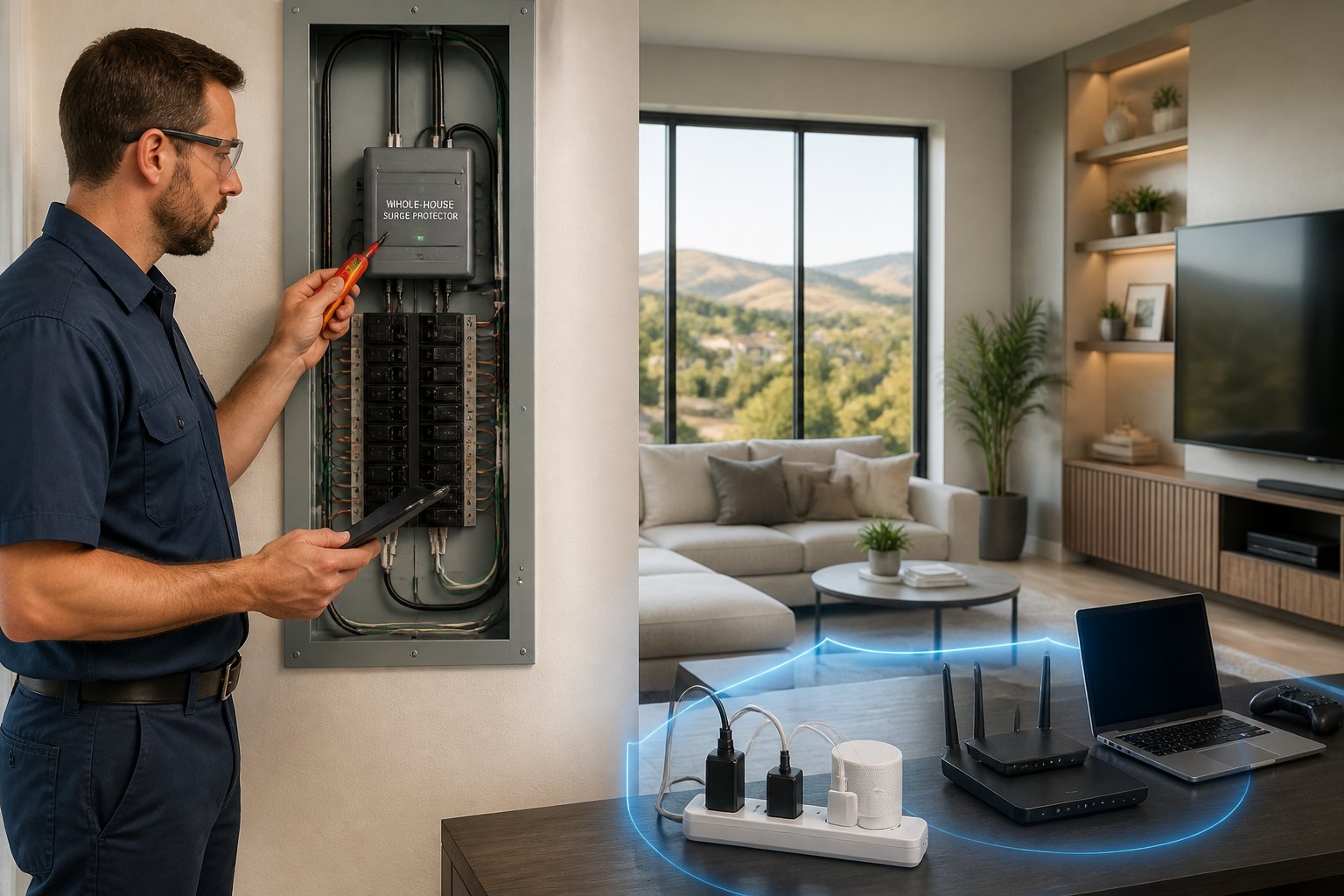
Surge protection shields your gear from utility switching, nearby lightning, and power spikes from inside the house. It’s a big help if you’ve got smart devices, TVs, computers, garage openers, or HVAC controls.
Whole-home surge protection adds a solid layer of defense. It works best alongside good grounding and a properly set up panel.
How Preventive Maintenance Helps Catch Loose Connections And Wear Early
Preventive maintenance lets you catch loose connections, worn breakers, and aging parts before they fail. Vibration, heat, and everyday use can quietly weaken your system, even if things seem fine on the surface.
Regular checkups support safety and can save you from emergency calls. Sometimes, just tightening key connections makes a real difference.
When Same-Day Troubleshooting Makes Sense Versus A Larger Upgrade
Same-day troubleshooting is great when a circuit suddenly fails, an outlet stops working, or you notice something weird and need answers fast. A well-stocked service truck can usually handle focused issues quickly and get power back safely.
Go for a bigger upgrade if the problem is structural, keeps coming back, or ties to capacity. Honest advice from a licensed electrician helps you avoid wasting money on temporary fixes.
Choose Improvements That Support Efficiency And Future Needs
The best electrical upgrades don’t just restore power—they help your home work smarter. When you plan ahead, you boost energy efficiency and take stress off the system.
How Electrical Upgrades Can Improve Energy Efficiency
Upgrades improve energy efficiency by cutting wasted power, supporting new equipment, and ditching outdated parts that work too hard. Better wiring, smarter controls, and good circuit planning all help your home run smoother.
Efficiency also means less stress on the system, which can lead to fewer repairs, lower bills, and better comfort.
Smart Thermostats, LED Lighting, And Other Low-Strain Improvements
Smart thermostats help your HVAC run more steadily and avoid unnecessary cycling. LED lighting uses way less power and doesn’t add as much heat.
Other easy wins: upgraded outlets, new switches, ceiling fan wiring, and minor load balancing. These might seem minor, but they make your home easier to maintain in the long run.
Working With An Electrician In Anaheim Mindset: Hire Qualified Local Pros For Long-Term Results
Think like a homeowner in Anaheim: hire local pros, look for clear pricing, and aim for results that last. The same thinking works in Sacramento, Rancho Cordova, Natomas, Carmichael, Woodland, Auburn, and nearby spots.
Pick licensed, certified electricians who explain your options, show up in clean trucks, and respect your home. Whether you need a quick fix or a big upgrade, that professionalism helps protect your investment and keeps your system reliable for years.
Frequently Asked Questions
What are the most common electrical issues that cause outages or flickering lights in California homes?
Loose connections, overloaded circuits, aging wiring, and bad breakers are top culprits. Utility interruptions and appliances cycling on and off can also cause problems, especially during heat waves.
How can I tell if my electrical panel needs an upgrade to handle modern appliances safely?
Frequent breaker trips, buzzing, heat around the panel, or no room for new circuits are strong signs. If you’re adding EV charging, HVAC, or kitchen gear, get your panel checked.
What steps can I take to protect my home’s electrical system during heat waves and high-demand periods?
Don’t run too many big appliances on the same circuit, keep your AC maintained, and use surge protection. Preventive maintenance helps you spot weak connections before heat makes them worse.
Which whole-home surge protection options work best for preventing damage from utility switching and lightning?
Surge protection at the panel is usually the best first step. It works even better with good grounding and point-of-use protectors for sensitive electronics.
How can I reduce the risk of wiring-related electrical fires in older houses?
Replace outdated wiring, fix loose connections, install GFCI and AFCI protection, and address two-prong outlets or old panels. A professional inspection can uncover risks before they become emergencies.
What should I ask a licensed electrician during a home inspection to ensure long-term reliability?
You’ll want to ask about the panel’s capacity, the state of the wiring, grounding, outlet safety, and if there’s any surge protection in place. Don’t forget to check if there are warning signs of overload—sometimes they’re easy to miss. It’s smart to find out which repairs can’t wait, which upgrades could be put off, and what changes might make life easier down the road.