If you live in the Sacramento area, having a reliable standby generator can protect your home during power outages. It keeps your lights on, food fresh, and essential systems running.
The cost to install a whole-house generator in Sacramento usually ranges from $5,000 to $12,500, depending on the size and features you choose.
Choosing the right generator and a trustworthy installer is important for safety and peace of mind. Local experts with over 40 years of experience can help you find the best option for your home and handle installation with care.
Knowing what to expect can make the process easier and help you avoid extra costs later.
Understanding Residential Generator Installation
Installing a generator at your home means you need to know what type fits your needs. You should also understand how the installation works and what kind of generator will keep your power going during outages.
This helps you plan and choose the best option for your house and budget.
What Is a Home Generator?
A home generator supplies electricity during a power outage. It automatically or manually turns on when the main power goes out.
This keeps lights, appliances, and essential systems running. Generators come in different sizes based on the power you need.
You figure this out by listing your important appliances and checking their wattage. This prevents buying a generator that’s too big or too small.
How Generator Installation Works
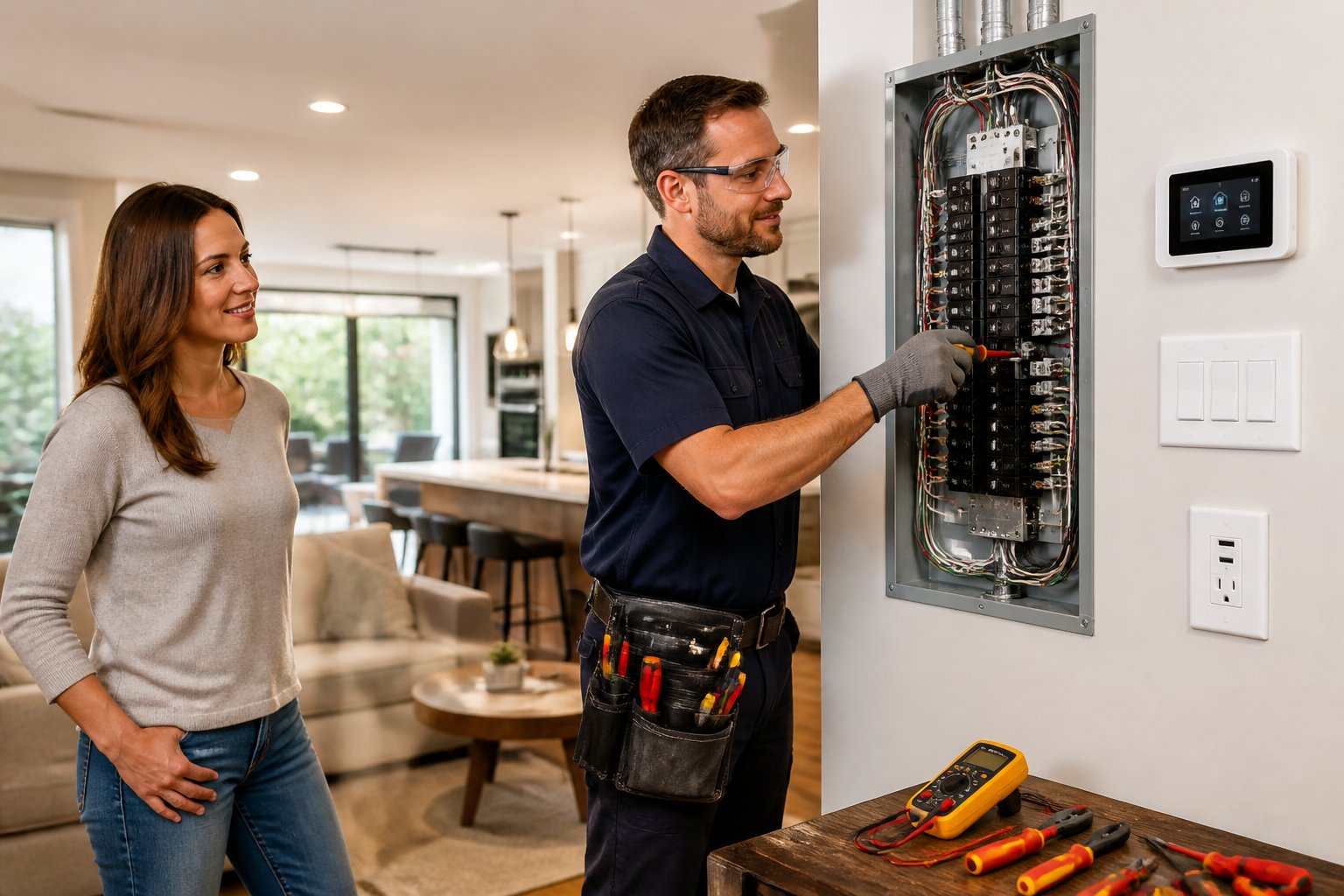
You start by choosing a licensed electrician or a specialist to install your generator safely. The process includes checking your home’s power needs and local rules.
A key step is installing a transfer switch. This device connects your generator to your home’s electrical system and prevents backflow to the grid, which keeps everyone safe.
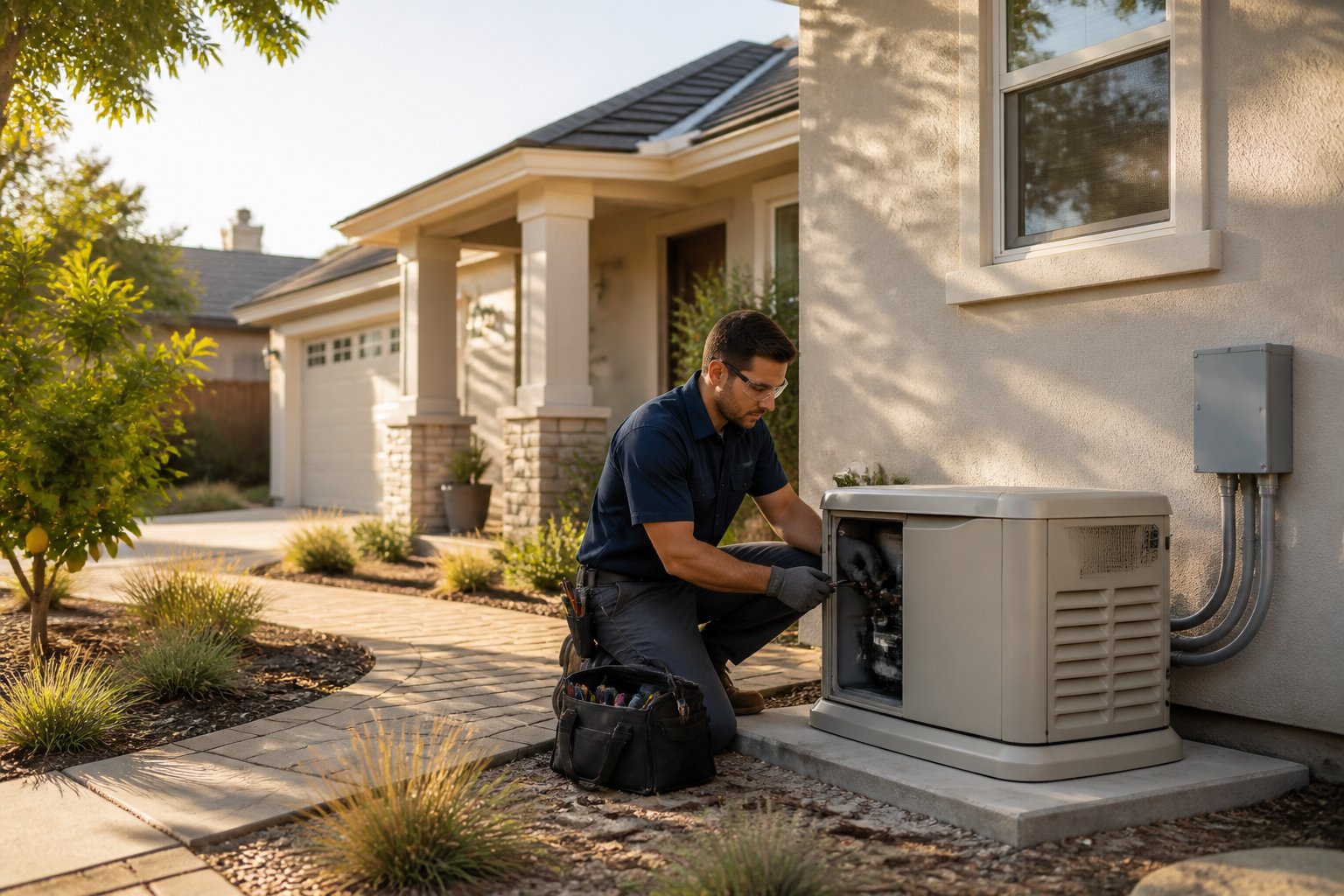
The installer mounts the generator outside, near your home, then wires it to the transfer switch. They test the system to make sure everything works smoothly.
Types of Generators for Residences
There are mainly three types you’ll see:
- Standby Generators: Permanently installed and turn on automatically when power fails. They run on gas or propane.
- Portable Generators: Smaller, can be moved, and you usually connect them manually during outages.
- Whole-House Generators: These supply power to your entire home and offer the most reliable backup.
Each type fits different budgets and power needs. Pick the one that matches your lifestyle and home size.
Benefits of Installing a Generator in the Sacramento Area
Installing a generator in Sacramento helps you stay safe and keeps your power on when outages happen. It makes your home more secure and gives you peace of mind during emergencies.
Enhanced Home Safety and Security
A generator keeps your essential systems running during a power outage. This includes security alarms, outdoor and indoor lights, and your garage door opener.
Keeping these active helps you avoid accidents and unwanted visitors at night. With power maintained, your home stays safer.
It also supports medical devices if anyone in your family relies on them. Having a reliable power source reduces the stress and risks linked to sudden blackouts.
Your generator must be installed correctly by licensed experts. This ensures the system works safely and protects your home's wiring.
Power Reliability During Outages
Sacramento is prone to power interruptions, especially during storms or high demand periods. A home generator gives you a steady power supply without waiting for crews to restore electricity.
Once the grid fails, an automatic switch on your generator starts the backup power within seconds. Your refrigerator, heating or cooling, and lights keep running without interruption.
Generator size matters here. Choosing the right one for your house means you can power all important appliances.
Peace of Mind for Sacramento Homeowners
Having a generator means you won’t worry about losing power at inconvenient times. It protects your food, electronics, and home comfort.
Knowing you can keep your daily routine during an outage reduces anxiety. This is especially important if storms or wildfires increase the chance of blackouts in your area.
A generator also adds value to your home. It shows future buyers that your house is prepared for emergencies, which can be a big selling point in Sacramento.
Choosing the Right Generator for Your Home
Picking the right generator means looking at how much power you need, what fuel works best for you, and how the power switches on during an outage. These details help make sure your generator runs smoothly and keeps your home safe and comfortable.
Sizing Your Generator
You need a generator that matches your home's power needs. Start by adding up the wattage of all the important appliances, like your fridge, furnace, and lights.
This total is your starting point. Generators are sized by watts, usually ranging from 5,000 to 20,000 watts for homes.
If you want to power your whole house, go for a larger model. For just essentials, a smaller one might do.
Choosing a size that's too small means some appliances won’t work during an outage. Too big can be more expensive and waste fuel.
An electrician can help you figure out the right size based on your home’s systems.
Fuel Options for Sacramento Residents
Most home generators run on either natural gas, propane, or diesel. Natural gas is popular in Sacramento because it’s available through local pipelines and provides a steady supply.
Propane is a good choice if your home isn’t connected to a gas line. It stores well but needs regular refilling.
Diesel generators are less common for homes but can be good for larger systems. Consider fuel availability, cost, and how long your generator needs to run during an outage.
Natural gas often requires less maintenance and won’t run out during long outages if connected properly.
Automatic vs. Manual Transfer Switches
Your generator needs a way to switch power from the main grid to itself during an outage. You have two options: automatic or manual transfer switches.
Automatic switches turn on your generator and switch your home power automatically. This means less hassle when the power goes out.
They are more expensive but very convenient. Manual switches require you to start the generator and flip the switch yourself.
These are cheaper but need you to be home and ready during an outage. If you want peace of mind with minimal effort, an automatic transfer switch is best.
Manual switches save money but need your attention to work properly.
The Generator Installation Process in Sacramento
Getting a generator installed involves several important steps. You need to follow rules, pick the best spot for your generator, and have experts do the job safely.
Permit and Code Requirements
Before installation, you must get permits from the city. Sacramento has strict rules to ensure safety and proper placement.
You’ll need to submit plans showing the generator’s location and electrical connections. The local building department will check if your setup follows codes.
The codes cover noise limits, distance from property lines, and safe fuel storage. These rules keep your neighborhood safe.
Hiring a licensed electrician helps you meet these requirements. They know how to get permits quickly and avoid delays.
Site Selection and Preparation
Choosing where your generator will go is important. It should be close to your main electrical panel but far enough from windows and doors to reduce noise and fumes.
Make sure the site is level and has good drainage. This prevents water damage.
You’ll also want to clear away any plants or debris near the area. The generator needs proper airflow to work well.
Some generators need a concrete pad for support. Your installer will check if this is needed.
Professional Installation Steps
A licensed technician will first turn off your home’s power to work safely. Next, they install a transfer switch.
This device connects the generator to your home's electrical system and switches power automatically during outages.
The generator and transfer switch are wired together following safety codes. The installer then tests the system to make sure everything works correctly.
They will explain how to operate and maintain your generator. Good installers provide same-day service and handle cleanup after the job.
Costs and Financing Options
Installing a home generator can vary in price depending on the size, type, and any extra work needed. You can also explore ways to save money through rebates and financing plans for Sacramento homeowners.
Average Installation Costs
In Sacramento, installing a home generator usually costs between $5,000 and $15,000. The exact price depends on the generator size, brand, and whether your home needs electrical upgrades like a new panel.
Labor and permit fees add to the overall cost. Skilled electricians will handle the setup to meet local safety standards.
Whole-house generators tend to be at the higher end of the price range. Portable models cost less but offer limited power.
Available Rebates and Incentives
Some utility companies and local programs offer rebates or incentives to help lower the cost of installing a generator. These deals often focus on energy-efficient or standby generators.
You should check with Sacramento’s local utility providers or government websites. Programs change, so staying updated can help you find discounts, tax credits, or special offers.
Financing Plans for Homeowners
Many companies in Sacramento, like AAA Electrical Services, offer financing options to spread the cost of your generator installation over time. These plans can include low monthly payments or interest-free periods.
Financing helps you get a reliable backup power source without a large upfront payment. When considering financing, look for clear terms and affordable rates.
Maintenance and Servicing Your Residential Generator
Keeping your generator in good shape means regular checks, fixing common problems, and using trustworthy services. Knowing what to look for and who to call helps you avoid unexpected breakdowns.
Routine Generator Inspections
You should check your generator at least once every few months. Look for visible signs of wear like corrosion or leaks.
Check the oil level and coolant, as low fluids can cause damage. Run the generator regularly, even when you don’t need it for power.
This helps prevent parts from seizing up. Also, make sure the battery is charged and terminals stay clean.
Keep a log of your inspections and maintenance. This record helps you spot patterns and gives technicians useful info if repairs are needed.
Troubleshooting Common Issues
If your generator won't start, first check the fuel level and battery charge. Dirty spark plugs or clogged fuel filters often cause problems too.
Unusual noises could mean loose parts or engine trouble. If you smell fuel or notice black smoke, stop using it and get professional help.
Resetting the circuit breaker or checking connections often fixes smaller electrical issues. Avoid trying repairs you’re unsure about to keep things safe.
Quality Service Providers in Sacramento
Look for providers with experience in residential generators and proper licenses. A good service company will offer clear pricing and same-day visits.
Choose technicians who carry common parts with them, so they can fix your generator faster. Check reviews to find teams known for good communication and reliable work in Sacramento.
Having a reliable service partner gives you peace of mind during outages and ensures your generator is always ready.
Why Work With Local Sacramento Experts?
Choosing a local Sacramento expert means your generator will be installed with real knowledge of the area's weather and rules. Local professionals know what works best here and make sure your system meets all legal safety standards.
Experience With Sacramento's Climate
Sacramento’s hot summers and occasional wet winters can affect how your generator performs. Local experts understand these climate patterns and can recommend the right generator size and type for your home.
They also know how to place your generator to protect it from heat damage or flooding. Proper placement helps your generator run efficiently when you need it most.
You can trust local installers to suggest equipment that handles Sacramento’s dry spells without risking overheating. This keeps your home powered safely during outages year-round.
Knowledge of Local Codes and Regulations
Every area has rules about how home generators must be installed. Local Sacramento technicians know these rules inside and out.
They understand state certification requirements and the permits you need before starting work. This means less hassle and faster service for you.
Local experts also follow safety standards that protect your family and neighbors. These include rules about noise, emissions, and connection to the main electrical system.
Choosing a licensed Sacramento installer ensures your generator is set up correctly and legally.
Safety Tips for Home Generator Owners
Using a home generator safely means paying close attention to how you operate it and store its fuel. Knowing the right steps can keep your family safe and your generator working well during outages.
Safe Operation Practices
Always run your generator outdoors in a dry, well-ventilated area. Never use it inside your home, garage, or basement because of deadly carbon monoxide gas.
Before starting, check your generator for damage or leaks. Keep it away from windows and doors to prevent fumes from entering your house.
Use heavy-duty, outdoor-rated extension cords that match your generator’s power needs. Don’t connect too many devices at once to avoid overloading the unit.
Turn off the generator and let it cool before refueling. Fuel spills on hot engines can cause fires.
Keep a carbon monoxide detector in your home, especially near bedrooms. Test it regularly to ensure it works.
Storage and Fuel Handling Guidelines
Store fuel in approved containers in a cool, dry place far from your home. Don’t keep large amounts of fuel inside the house.
Label your fuel containers clearly. Keep them out of reach of children and pets.
Use fresh fuel. Old fuel can make your generator run poorly or not start.
If you store fuel for a long time, add a fuel stabilizer to keep it from breaking down.
When filling your generator, turn it off and let it cool down first. Clean up any spills immediately.
Keep a fire extinguisher nearby.
Environmental Considerations
When you choose a generator for your home, consider its impact on the environment. You can reduce pollution and save energy by making smart choices about the type of generator you use.
Reducing Your Carbon Footprint
Choose generators that use cleaner fuels like natural gas or propane. These fuels produce fewer harmful emissions than gasoline or diesel.
Perform regular maintenance to help your generator run efficiently and cut down on emissions. Test and tune your generator often.
Place your generator in a well-ventilated area. This reduces pollution around your home and prevents exhaust gases from building up.
Efficient Generator Options
Look for generators labeled as energy-efficient or EPA-certified. These models use less fuel and provide reliable power.
Consider inverter generators. They adjust engine speed based on power needs, using fuel more efficiently and making less noise.
Battery backup systems paired with solar panels are another good option. They offer clean energy and can reduce your reliance on fuel-based generators during outages.
Choose the right type and size to avoid wasting energy and keep your system cost-effective.
Frequently Asked Questions
Installing a generator involves understanding costs, regulations, sizing, and timelines.
What are the typical cost ranges for installing a residential generator in the Sacramento area?
The cost depends on the generator type, size, and installation complexity. Prices usually range from about $5,000 to $15,000 or more for a whole-house system.
Fuel type and electrical system upgrades can also affect the total price. Get a detailed quote from a licensed installer to know your exact costs.
Are there specific local regulations or permits required for generator installation in Sacramento homes?
Yes. Sacramento requires permits for home generator installations to ensure safety and code compliance.
Use licensed electricians who understand local codes. They usually handle permit applications for you as part of the installation process.
How do I choose the right size generator for my home energy needs?
Start by assessing how much power your home uses during outages.
A licensed electrician can help calculate your wattage needs based on your appliances and systems. The right size prevents power shortages and unnecessary costs.
Can you recommend any reputable companies that install residential generators near Sacramento?
AAA Electrical Services is well-known in the area for generator installation and repair.
They have over 40 years of experience, are licensed and insured, and focus on safety and quality work.
What is the average installation time frame for a home generator once I’ve decided to proceed?
Installation usually takes one to three days.
The time depends on the system size, your home’s electrical setup, and any extra work needed, such as fuel line hookups or permits.
How should I maintain my residential generator to ensure it operates reliably?
Check oil levels regularly. Run the generator on a test schedule.
Inspect the generator for any wear or damage. You can hire professionals for annual maintenance.
Follow manufacturer guidelines for basic care. This approach helps prevent failures during emergencies.