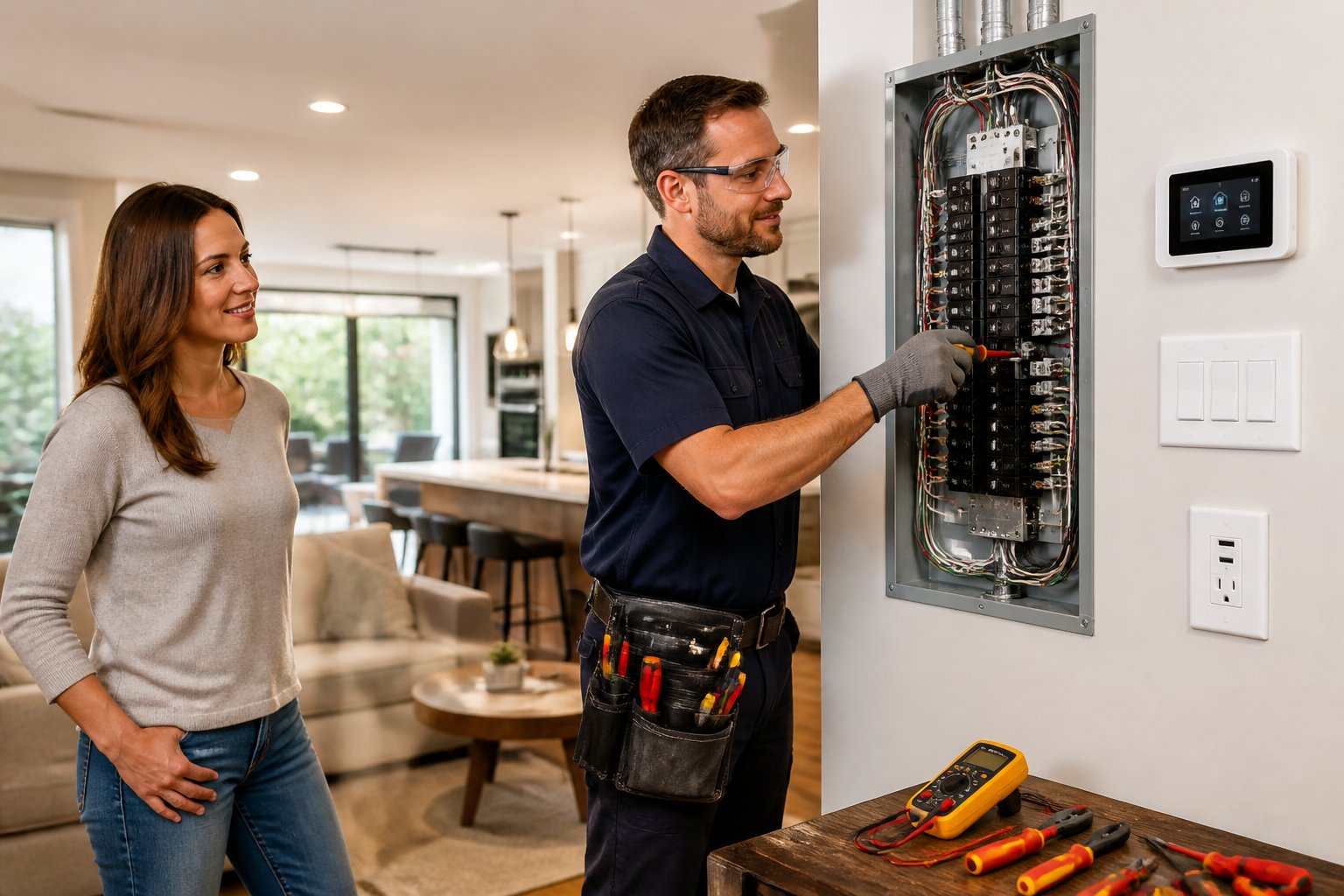
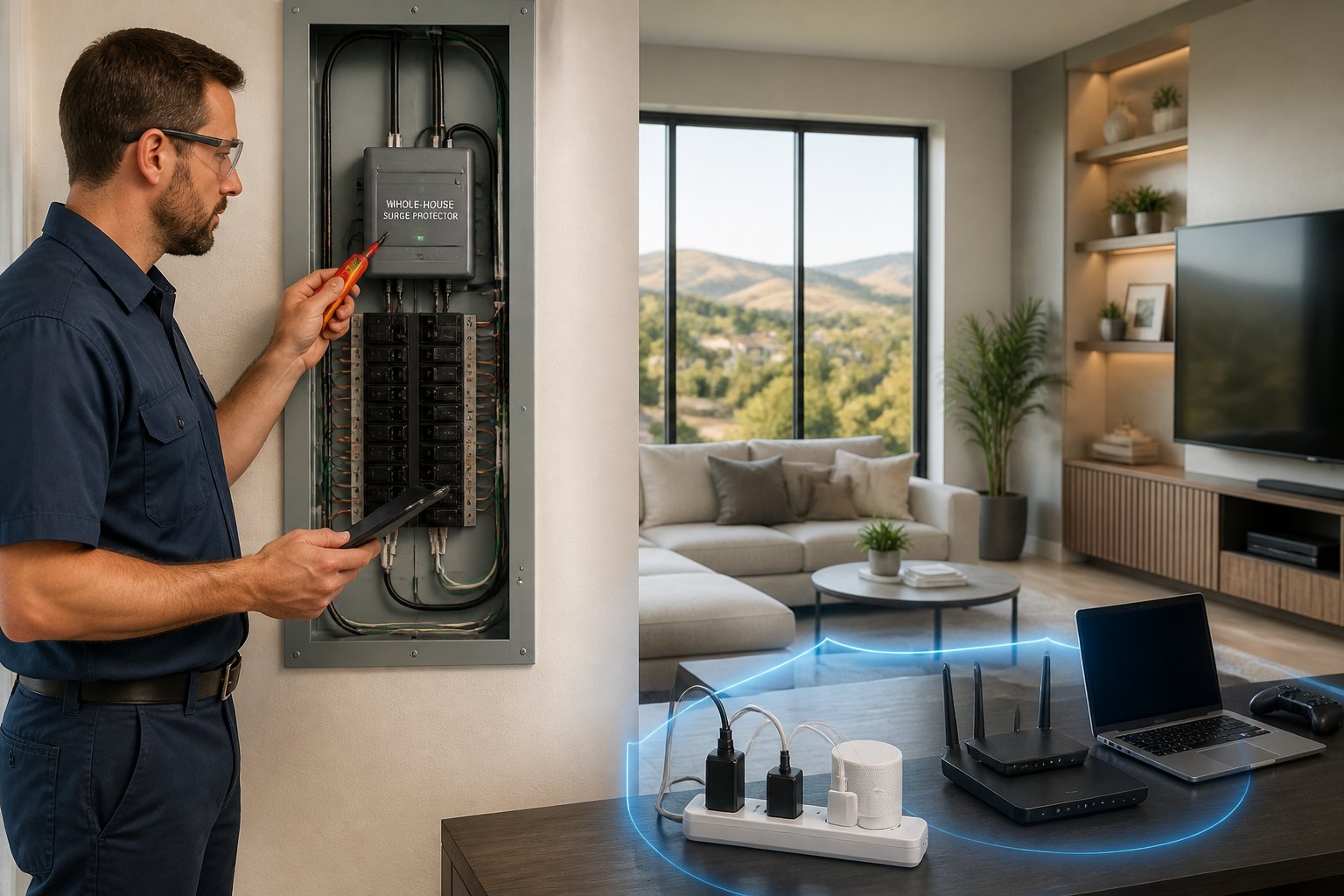
Keeping attic electrical wiring safe from heat damage is crucial for your home and family. Attics get pretty hot, especially in summer, and that heat can wear out wires, cause overheating, or even spark fires. To protect attic wiring, make sure you’ve got good ventilation, avoid overloading circuits, and schedule regular inspections by licensed professionals like AAA Electrical Services in Sacramento and nearby areas.
Keep wiring snug and secure, and swap out old or damaged parts as soon as you spot them to prevent sparks or overheating. If you’ve got flickering lights, warm outlets, or breakers that trip all the time, don’t ignore it—these are warning signs your attic wiring needs attention. Licensed electricians can show up fast with stocked vans and handle problems on the spot, which is a real relief.
Understanding Heat Risks in Attic Wiring
Attic wiring faces some tough conditions that can lead to electrical problems if you’re not careful. It’s worth knowing what causes heat buildup, why attic wiring is at special risk, and what might go wrong if heat damages it.
Common Sources of Excessive Heat
Heat in the attic sneaks in from all sorts of places. On hot days, temps can shoot above 120°F—poor ventilation or insulation just makes it worse. Appliances like water heaters or HVAC units near wiring crank up the heat even more.
Sunlight streaming in through roof vents or gaps adds to the problem. Sometimes, heat comes from electrical devices that aren’t installed right or from overloaded circuits. Try to keep wiring away from these hot spots whenever you can.
Check your attic insulation and keep vents clear. It’s smart to have a licensed electrician look over your wiring now and then—they’ll catch signs of heat stress before things get dicey.
Why Attic Wiring Is Vulnerable
Attic wiring just doesn’t get a break. Airflow is usually lousy up there, so hot air hangs around. Insulation on the wires can get brittle or even melt if it’s too hot.
Wiring often runs close to hot pipes or recessed lights, which doesn’t help. Lots of attics still have old wiring that’s not built for high temps, making it even riskier. Heat-damaged wires are way more likely to short out or start a fire.
Choosing cables rated for higher temps and keeping wiring away from hot spots is essential. If you’re not sure what to do, AAA Electrical Services focuses on safety-first electrical work—they know how to protect your home.
Potential Consequences of Heat Damage
Heat-damaged wiring is no joke. Insulation can crack, exposing bare metal—hello, short circuits, shocks, or even electrical fires. Loose connections made worse by heat can make lights flicker or appliances fail.
You might catch a burning smell, see scorch marks, or find outlets that just quit working. If you let it slide, you’re looking at expensive repairs (and some sleepless nights).
Regular electrical inspections by pros spot heat damage early. AAA Electrical Services offers same-day service from a team that treats your home like their own—they’ll get things fixed quickly and safely.
Choosing the Right Wiring for Attic Environments
Attics heat up fast, especially in summer. That heat can wreck wiring if you don’t pick the right stuff. Using proper wire types, sizes, and protective materials keeps attic wiring safe and reliable.
Recommended Types of Heat-Resistant Wiring
For attics, you want wiring that can handle the heat. Look for THHN/THWN wires or NM-B cables rated up to 90°C (194°F). These hold up much better than standard wires.
Metal-clad (MC) cables are another solid option—they’ve got a metal jacket that shields wires from heat and physical knocks. Don’t cheap out with non-rated wires; they’ll just melt or fail.
Always check the wire’s temperature rating. That way, your attic’s heat won’t break down the insulation and cause bigger problems.
Proper Wire Gauge Selection for High Temperatures
Wire size matters—a lot. Thinner wires carry less current and heat up faster. In hot places like attics, that’s just asking for trouble.
Use the American Wire Gauge (AWG) chart as a baseline, but bump up a size if your attic’s on the warm side. That extra thickness helps prevent overheating.
Not sure which size to pick? A licensed electrician from AAA Electrical Services can walk you through it and make sure your wiring fits both the heat and your power needs.
Usage of Appropriate Conduit Materials
The right conduit protects attic wiring from both heat and bumps. PVC conduit is common—it holds up against moderate heat and moisture, but if your attic gets hotter than 140°F, skip it.
Metal conduits like EMT (Electrical Metallic Tubing) or rigid steel conduit (RMC) are better for really hot attics. They’re tougher and handle high temps without breaking a sweat.
Conduit also keeps wires off hot surfaces, so heat doesn’t build up on the wiring itself. Make sure fittings are tight to keep out dust and bugs.
When you use the right conduit, wire type, and gauge, your attic’s electrical setup is a lot safer. For pro installation with flat-rate pricing and same-day service, AAA Electrical Services has your back.
Installation Best Practices to Prevent Heat Damage
If you want safe attic wiring, focus on good airflow, smart cable placement, and secure fastening. These steps help prevent overheating and cut down fire risks. It’s not just about safety—it also makes sure your electrical system lasts.
Providing Adequate Ventilation
Ventilation is a big deal in the attic. Make sure you’ve got vents that let cool air in and hot air out. Ridge vents, soffit vents, and gable vents all help air circulate.
If airflow’s not great, heat builds up and wires overheat. That ruins insulation and can spark fires. Check that nothing’s blocking your vents.
Attic fans can help if natural airflow isn’t enough. When running new wiring, keep cables out of blocked vent areas. If you’re not sure your attic’s ventilated well enough, a licensed electrician from AAA Electrical Services can take a look and offer tips.
Optimal Routing Away from Heat Sources
Don’t run wiring near hot stuff like heating ducts, water pipes, or spots where sunlight pours in. Heat breaks down insulation faster if cables are too close.
Route wires along cooler parts—rafters that don’t get hot are a good bet. This helps your system stay strong, even when the attic feels like an oven.
Keep wiring organized and separated from other equipment. Label cables, and don’t bunch them together. AAA Electrical Services’ electricians can design safe routes that actually make sense for your home.
Securing Cables for Safe Positioning
Secure attic wiring so it doesn’t move around and build up heat. Use cable staples or straps made for electrical wires, fastening them to joists or rafters.
Don’t bend wires too sharply or squeeze them—insulation can get damaged. Leave space so air can move around the cables.
Loose wires rub and wear out faster. Secure wiring stays neat and is less likely to get damaged by heat or rough surfaces.
For safety-focused electrical work by licensed pros in Sacramento and nearby, AAA Electrical Services is a solid pick. Their team uses flat-rate pricing and stocked vans for quick, tidy installs that put your family’s safety first.
Monitoring and Maintenance for Lasting Safety
Protecting attic wiring from heat isn’t a one-and-done job. You’ve got to check things regularly, spot heat problems early, and fix little issues before they get out of hand.
Regular Inspection Schedules
Set a regular schedule to check attic wiring—once a year at least. If your attic gets crazy hot or the wiring’s old, check more often. Look for cracked or brittle insulation.
You can do a basic visual check, but having a licensed electrician from AAA Electrical Services come by each year is smart. They’ll test outlets, breakers, and connections to make sure everything’s safe in hot attic temps.
Here’s a quick checklist:
- Inspect wiring insulation
- Test breakers and outlets
- Check junction boxes for signs of overheating
- Clear out dust or debris that traps heat
Sticking to this routine helps you catch problems before they get expensive or dangerous.
Detecting Signs of Overheating
Keep an eye out for flickering lights, warm or discolored outlets, or buzzing near switches—these can all signal heat damage. Smell something burning or like melted plastic in the attic? That’s a big warning sign.
A non-contact thermometer works for checking temps around wiring. If you see anything over 140°F (60°C), call an electrician. High temps can melt insulation and start fires.
If your breaker trips a lot or smells hot, don’t brush it off. That’s a sign your wiring needs help.
Addressing Minor Issues Before They Escalate
Don’t let small problems turn into wallet-draining disasters. Tighten loose connections, replace damaged insulation, and clear out dust or junk that traps heat.
AAA Electrical Services comes with stocked vans, so most repairs get done fast, often in one visit. That means less downtime and a safer attic.
If you notice warm outlets or breakers that keep tripping, act quickly. Early repairs keep your family safe and your electrical system humming, even in a hot attic. Regular maintenance is worth it for the peace of mind alone.
When to Seek Professional Electrical Services
Sometimes you just need to call a pro. Spotting problems early and knowing when to get expert upgrades can save you money and headaches—and keep your attic wiring safe from heat.
Recognizing Signs That Require an Electrician
If you see flickering lights, warm or discolored outlets, or hear buzzing near attic wiring, it’s time for expert help. Frequent breaker trips or burning smells are serious—don’t ignore them, since they usually mean overheating or failing wires.
Heat can wreck insulation, leading to shorts or sparks. If your attic feels hotter than usual or you spot moisture, get a pro to check for heat damage or unsafe connections.
AAA Electrical Services offers same-day inspections and repairs in Sacramento and nearby, so you’re not left waiting while problems get worse.
Benefits of Professional Attic Wiring Upgrades
Upgrading your attic wiring with a pro boosts safety—old, damaged wires are swapped for heat-resistant materials that can handle attic conditions. This cuts the risk of fire from overheated wires.
You’ll also get modern breakers and outlets matched to your home’s needs. Licensed techs make sure everything is up to code, so you don’t have to worry.
With fully stocked vans, AAA Electrical Services can usually finish attic wiring repairs or upgrades in one visit. Their clear pricing and tidy work make it easier to trust your attic’s electrical safety.
Frequently Asked Questions
Attic wiring safety isn’t just about following rules—it’s about using materials and methods that actually work to prevent heat damage and electrical hazards. The right choices help your wiring last longer, even when conditions aren’t ideal.
What are the best practices for protecting attic electrical wires from extreme temperatures?
Go with wiring rated for higher temps, like THHN or THWN-2. Keep wires away from hot spots such as heating ducts or exhaust fans. Don’t bundle too many wires together, or you’ll get heat buildup.
Are there specific building codes to consider when running electrical wiring in an attic?
Definitely. Local and national codes spell out what wire types and installation methods you need. Wires usually have to be secured and protected against damage. Check your local code or ask a licensed electrician to make sure your wiring is up to all safety standards.
How can I safely manage wiring in an attic with blown insulation?
Don’t bury wiring under insulation unless it’s rated for it. Keep wires accessible for inspections. Using conduit or cable trays helps protect wires in insulated areas.
What is the proper way to lay insulation around electrical wiring to prevent heat damage?
Put insulation around wires, but don’t cram it tight against them. Give the wires a bit of breathing room so air can move freely and heat doesn’t get trapped. Pick insulation that fits your attic’s climate—think about both temperature and moisture.
Can insulation be placed directly on top of attic electrical wires without posing a safety risk?
That depends. If you’ve got wiring rated for direct contact with insulation—like NM-B or some THHN in conduit—it’s generally fine. Otherwise, laying insulation right over wires can trap heat, which isn’t good and could even be dangerous. Not sure about your wiring? Honestly, it’s best to call in a pro to take a look.
What are effective methods for preventing electrical wire overheating in an attic space?
Spread out the electrical load so you don't end up overloading circuits. Make sure you use breakers that match the wire ratings, and keep an eye out for any signs of wear or heat damage. AAA Electrical Services can handle inspections and repairs with a safety-first mindset—plus, they offer same-day service and upfront pricing, which makes protecting your home and family a whole lot less stressful.