Keeping your outdoor outlets safe during rainy seasons matters more than most folks realize. Moisture and electricity? Not a great mix. Best bet: cover those outlets, use outdoor-rated stuff, and keep water away whenever you can. You’ll dodge shocks, fires, and all sorts of headaches if you stay ahead of the weather.
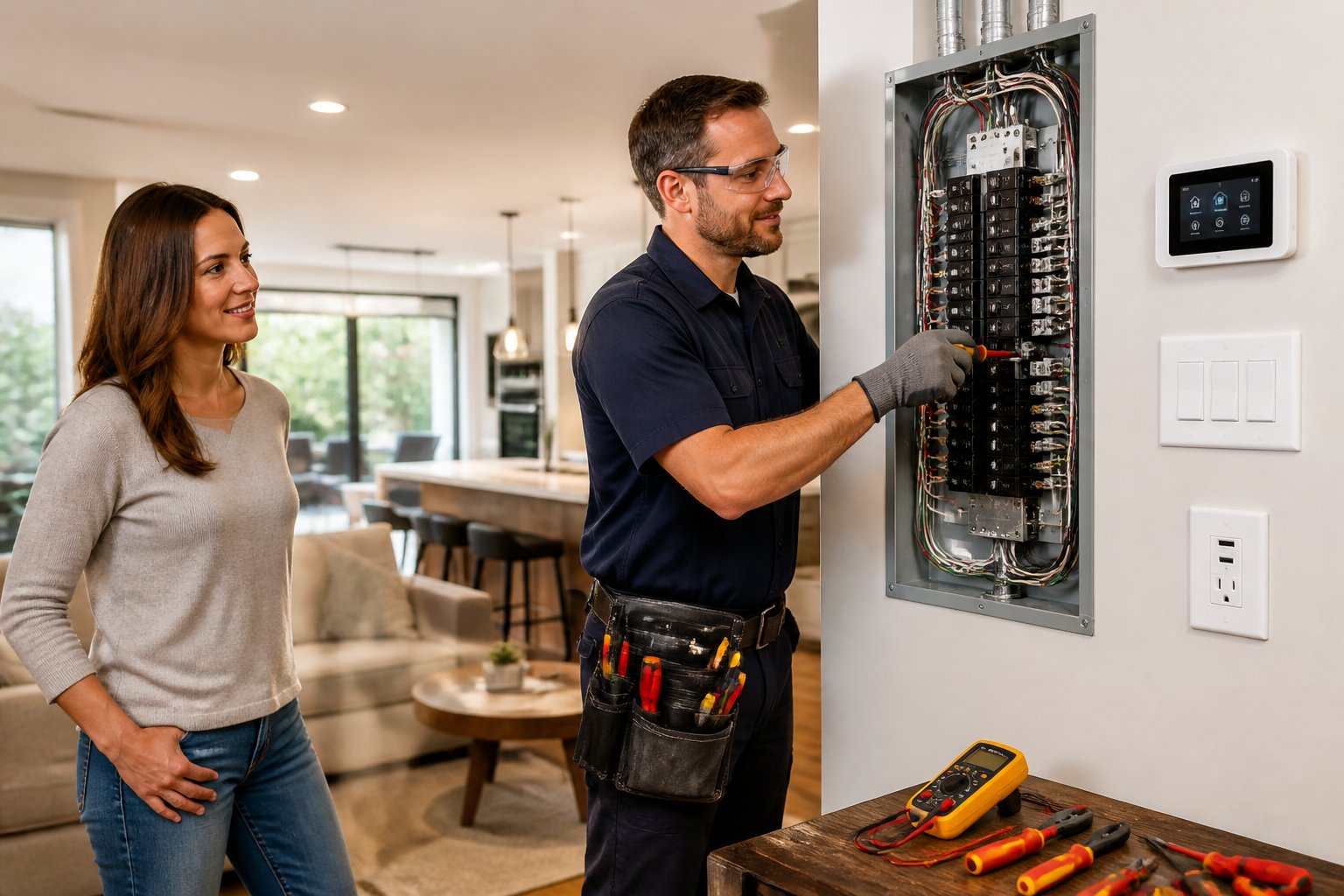
Take a minute now and then to inspect your outdoor outlets. Look for cracks, exposed wires, or anything that looks off. Weatherproof covers help, and GFCI outlets are a must. If you spot trouble, don’t mess around—call in AAA Electrical Services or another pro. They’ll sort it out fast, and you won’t lose sleep over safety.
In places like Sacramento, where the weather can flip in a day, having reliable outdoor outlets is a real comfort. Honestly, letting licensed electricians handle the tough stuff just makes life easier. You get quick help, fair prices, and the confidence that rain won’t ruin your weekend plans.
Choosing the Right Outdoor Outlet Covers
Picking the right outdoor outlet cover is about more than looks. You want something that keeps rain out, lets you plug in what you need, and doesn’t fall apart after a season or two. A good cover blocks water and keeps electrical hazards at bay, especially when the weather won’t cooperate.
Weatherproof Covers
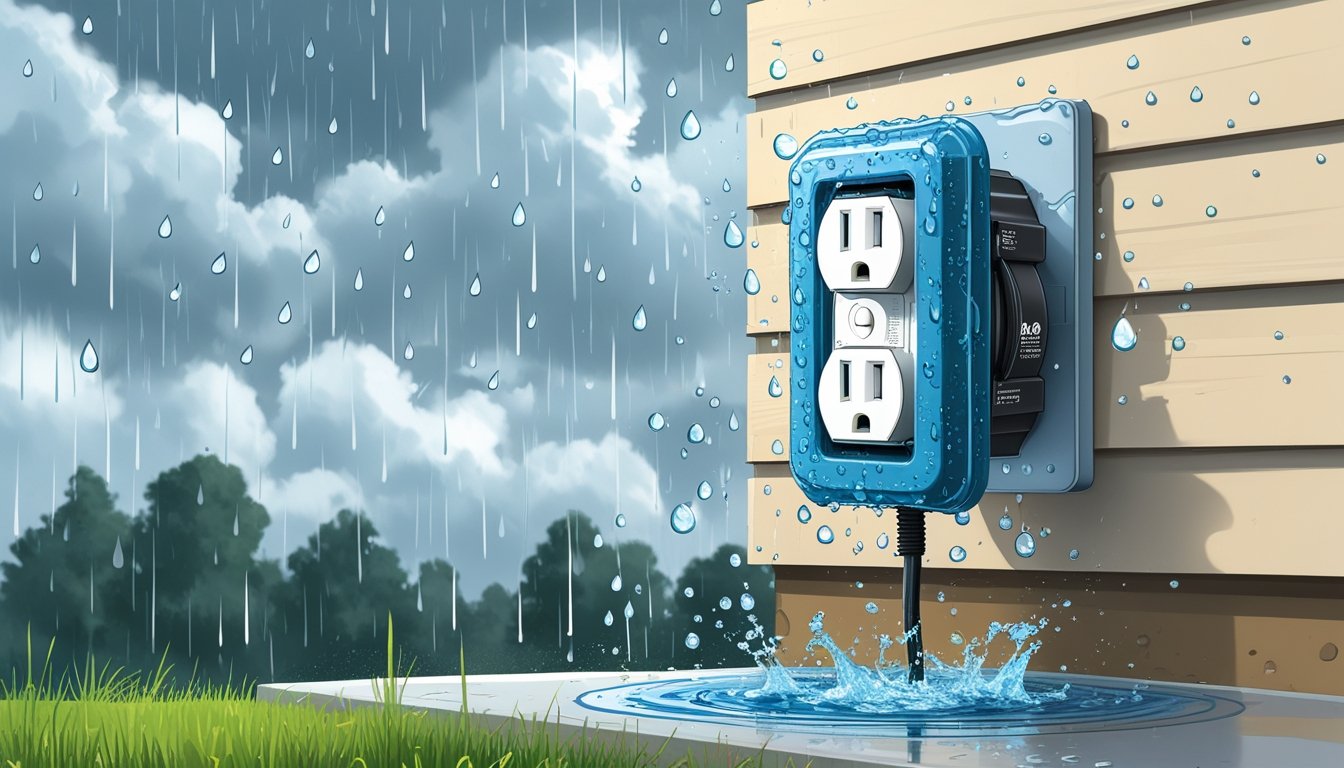
Weatherproof covers are your first line of defense. They fit snugly and keep water from sneaking in. Look for “weatherproof” or “watertight” labels, especially if your outlets face the elements directly.
Go for covers with a gasket or rubber seal. Some snap shut on their own, which is handy when you’re juggling garden tools or wrangling kids. Just make sure it’s easy to open when you need it but closes tight every time.
Match the cover to your outlet—single or double, whatever you’ve got. If it’s loose or doesn’t fit right, water’s going to find a way in. Check for UL-listed or RainCheck ratings; that’s how you know it’s up to standard.
In-Use Covers for Wet Locations
If you need to keep something plugged in during a downpour, in-use covers are the way to go. They’re roomy enough for cords and keep everything dry, even when plugged in.
Look for “in-use while wet” or “bubble covers.” They’re tough and follow outdoor safety rules. The cover should lock down tight but not be a pain to open. Some are clear, so you can check the plug without opening it—kind of a nice touch.
Material Quality
Materials matter. Polycarbonate or UV-resistant plastics hold up well against sun and rain. Metal covers can work, too, but watch out for rust unless they’re coated. Cheap plastic gets brittle and cracks—skip those if you can.
AAA Electrical Services usually recommends covers that balance toughness and weather resistance. Not sure which one to buy? Ask a licensed tech, especially if you’re in Sacramento or somewhere with weird weather swings.
Proper Installation of Outdoor Outlets
If you want your outdoor outlets to survive the rainy season, focus on sealing, smart placement, and getting them installed right the first time. That’s how you keep water out and avoid electrical messes.
Sealing and Gasket Use
You’d be surprised how fast water finds its way in if you skip sealing. Use weatherproof covers with gaskets—they create a tight seal and keep the rain out.
Make sure the cover actually closes all the way. For spots that get hammered by rain or spray, go with an in-use or bubble cover. Add a bead of waterproof sealant around the edges for extra backup.
Check the seals each season. If the gasket looks tired or cracked, swap it out. It’s a small thing, but it makes a big difference.
Elevated Placement
Don’t install outlets right at ground level—raise them up at least 12 to 18 inches. If you live where it snows, go even higher.
Putting outlets higher keeps them away from puddles, mud, and runoff. Avoid low spots where water lingers after storms. Check your local code for the minimum height. Tucking outlets under eaves or covered patios helps too.
Professional Electrical Work
Let’s be honest: DIY electrical work outside can go sideways fast. Licensed electricians know how to wire, ground, and mount outdoor outlets so they’re safe and legal.
AAA Electrical Services sends out licensed, insured techs who show up ready to fix things same day, if possible. They get it done right and don’t leave you guessing. You really don’t want to risk code violations or safety issues—call the pros and rest easy.
Routine Maintenance and Inspection
If you want your outdoor outlets to last through the rainy season, you’ve got to give them a little attention. Regular care goes a long way—just check for damage, clean off debris, and make sure safety devices like GFCIs are working. It’s not rocket science, but it does keep your family safer.
Checking for Wear and Damage
Take a close look at your outlets now and then. Cracks, weird colors, or loose bits usually mean trouble. Covers should shut tight—if they don’t, water gets in.
If you see sparks, hear buzzing, or smell something odd, stop using that outlet. Damaged wiring can lead to shocks or fires. It’s not worth the risk—get a licensed electrician on it. AAA Electrical Services handles these repairs fast and doesn’t play games with pricing.
Cleaning Debris and Moisture
Leaves, dirt, and water pile up around outdoor outlets, especially when it rains for days. Clear away debris regularly. Wipe off any moisture with a dry cloth.
Never spray water on outlets to clean them. Use a soft brush for tight spots. Keeping things dry and clean helps prevent shorts and keeps your outlets working longer.
Testing GFCI Outlets
GFCI outlets are required outside for good reason—they cut power if there’s a problem. Test them every month: hit “Test,” and the power should cut. Press “Reset” to turn it back on.
If the GFCI doesn’t trip or reset, it’s time to repair or replace it. Don’t wait—faulty GFCIs are dangerous in wet weather. Call AAA Electrical Services or another pro to handle it.
Additional Waterproofing Techniques
Keeping outlets dry in a storm isn’t always easy, but a few extra steps can make a big difference. Sealing around outlet boxes and using waterproof covers gives you a better shot at avoiding water damage.
Applying Sealant Around Boxes
A bead of waterproof sealant around your outlet boxes can stop leaks before they start. Go for high-quality silicone or acrylic latex caulk made for outside. Clean the area first—old caulk and dirt mess up the seal.
Lay down a smooth bead where the box meets the wall. Fill any cracks or gaps you see. Give it time to cure before the next rain hits. If you’re not into DIY, AAA Electrical Services can handle sealing and installation with a focus on family safety.
Using Waterproof Enclosures
Waterproof enclosures are like armor for your outlets. They’re built to keep rain and snow out, even when you need to plug stuff in. Look for NEMA 3R ratings or higher.
Find covers with tight gaskets. Some let you close the lid with a plug inside—super handy when you need power outside but still want protection.
Adding a tough enclosure cuts down on risk during storms. AAA Electrical Services installs these quickly, and you won’t get hit with surprise fees. It’s a solid investment for a safer rainy season.
Safe Usage Practices During Rainy Seasons
Outdoor electrical safety isn’t just about hardware—it’s about habits, too. A few smart moves can help you avoid shocks and fires when the weather turns nasty.
Avoiding Overloading
Plugging too many things into one outlet is asking for trouble, especially when it’s wet outside. Overloaded circuits overheat and can spark or short out.
Stick to outdoor-rated extension cords and don’t daisy-chain cords together. Check the wattage on your devices and make sure you’re not pushing the outlet past its limit. If you always need more power, have extra weatherproof outlets installed by a pro. It’s safer for everyone.
Unplugging During Storms
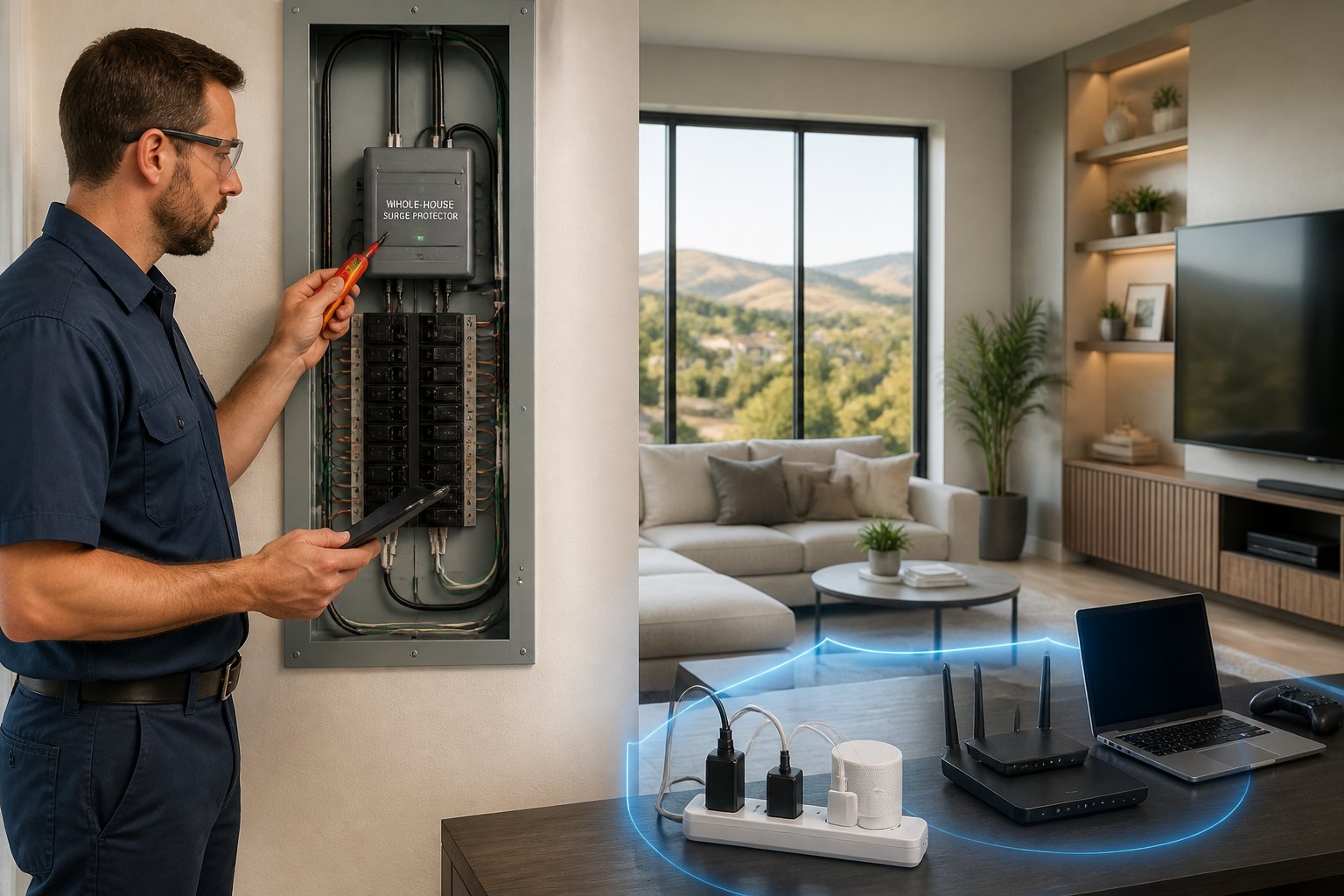
When storms roll in, unplug your outdoor gear. Lightning causes power surges that can fry electronics or start fires. Even if something’s off, it’s safer to unplug.
If you see dark clouds or hear thunder, pull the plug on garden lights, decorations, or tools. And honestly, don’t use outdoor outlets at all during heavy rain or lightning. Better safe than sorry, right?
Frequently Asked Questions
Outdoor outlets and rain don’t mix well, but the right covers and good habits make a big difference. Check that everything fits and works—don’t wait for a problem.
What kind of weatherproof cover should I use for my outdoor outlets?
Go for a cover that seals the whole outlet, even with a plug in. Gasket seals are best. Look for “in-use” or “bubble type” covers—they protect both the outlet and whatever’s plugged in.
Can I DIY a solution for protecting my outdoor outlets from rain?
You can install basic covers yourself if you’re careful. Don’t use plastic bags or homemade fixes—they trap moisture and don’t last. For top safety, have AAA Electrical Services or another pro do the job.
How can I ensure my outdoor decoration plugs are safe during wet weather?
Use outdoor-rated extension cords and plugs with built-in weather protection. Make sure connections are snug and always use a GFCI outlet. Bring decorations inside when you’re not using them—it’s just easier.
Is it necessary to replace outdoor outlet covers for better rain protection?
If your covers are cracked, loose, or won’t close, swap them out. New covers seal better and use tougher materials. Check your outlets regularly and don’t ignore small problems.
What are the best practices for maintaining outdoor electrical safety during the rainy season?
Look for cracks, rust, or wear before the rains start. Keep the area around outlets tidy and dry. Don’t overload circuits or use sketchy cords. If you’re seeing frequent outages or water damage, it’s time for a professional inspection.
How do I use large plugs with outdoor outlets while keeping them shielded from the rain?
Look for weatherproof outlet covers that actually fit big plugs—some have deeper boxes or rubbery seals that wrap around chunky cords pretty well. Not sure which one’s right? Honestly, it can be tricky to guess, so you might want to ask AAA Electrical Services for help picking and installing a cover that works for your setup.