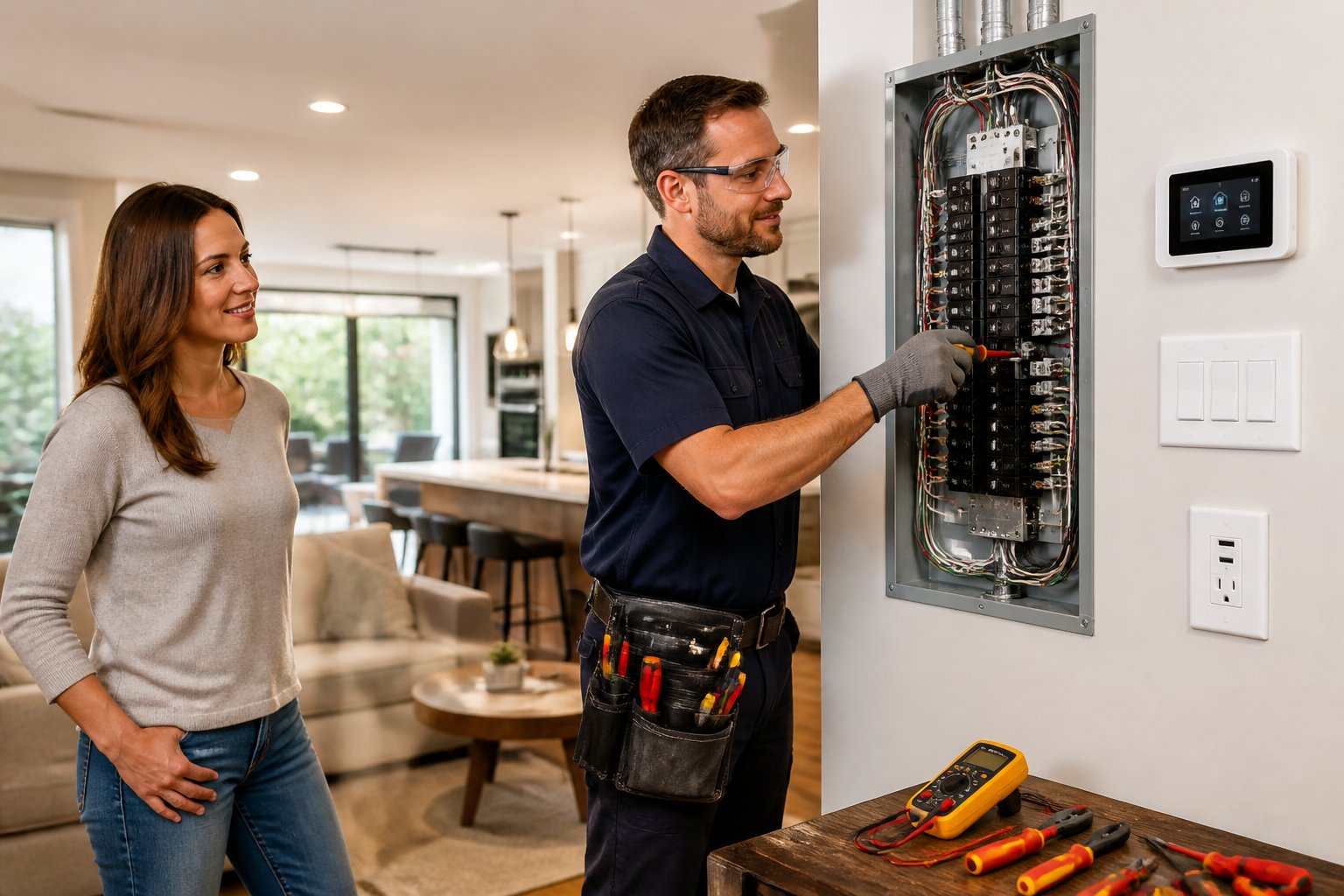
Keeping your electrical panel running right is crucial for a safe, reliable home. Want your panel to work well? Don’t overload circuits, keep the panel clear of dust, and get it checked regularly by a licensed electrician. That’s how you’ll avoid headaches like overheating, flickering lights, or constantly tripping breakers.
Your panel handles all your home’s power, so even a tiny issue can quickly become a big deal. That’s why it’s worth trusting pros like AAA Electrical Services. Their techs show up with stocked vans and usually fix things in one visit—no endless waiting, no sneaky fees.
Routine maintenance can help your panel last longer and improve energy use. If you’re in Sacramento, Roseville, or nearby, keeping an eye on your panel will protect your home and help you avoid future power hassles.
Understanding Your Electrical Panel
Your electrical panel is the hub for all your home’s power. When you know how it works, you’re way less likely to run into trouble. Get familiar with its main parts, the kind you’ve got, and how it actually sends electricity around.
Components and Functions
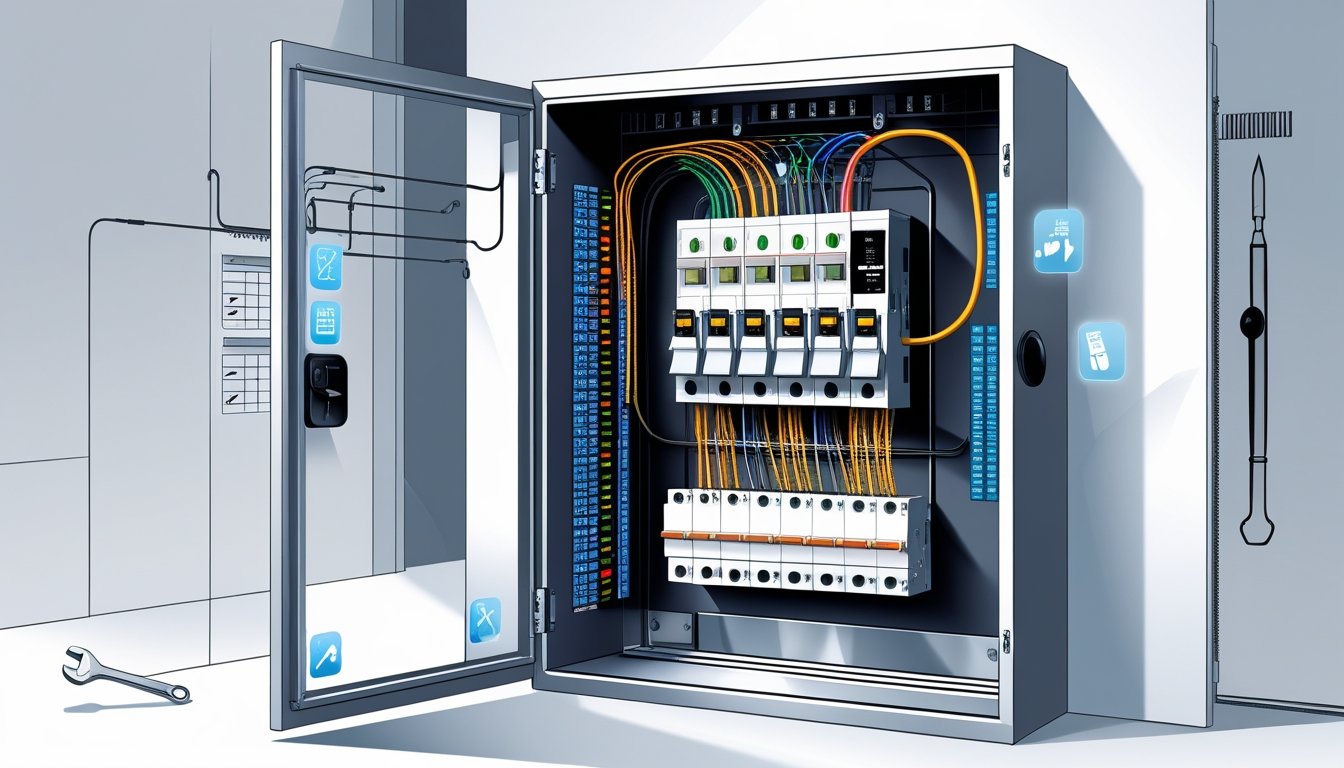
Inside your panel, you’ll see a few key parts. The main breaker acts like a master switch for all incoming electricity. Then you’ve got smaller breakers, each one protecting a different circuit—if something goes wrong, they’ll trip and cut the power.
Bus bars run through the panel, carrying electricity to those breakers. There’s usually a grounding bar too, which helps prevent shocks. All these pieces work together to keep your home’s power steady and safe.
It’s important to keep these parts clean and dry. If breakers trip a lot or you spot wear and tear, don’t mess around—call a pro like AAA Electrical Services. Licensed electricians know what to look for and how to keep your family safe.
Types of Electrical Panels
Most homes use a circuit breaker panel—those are the ones with switches you can reset. Some older places still have fuse panels that need new fuses when they blow.
If you’ve got extra power needs, you might have a subpanel. That’s a smaller panel connected to the main one, perfect for new circuits or big appliances like EV chargers.
Knowing your panel matters because it affects repairs and upgrades. For example, switching from fuses to breakers makes life safer and easier. If you’re not sure what you need, AAA Electrical Services can help you figure it out.
How Electrical Panels Distribute Power
Your panel gets power from the utility meter and sends it through your home’s circuits. It comes in through the main breaker, travels along the bus bars, then goes out through individual breakers to each area or appliance.
Each breaker is built for a certain amount of power. Pull too much, and it trips—cutting off electricity to keep things safe. This setup protects your home and your family.
If you understand how power moves through your panel, you’re less likely to overload it. Don’t plug too many things into one circuit, and get your panel checked regularly. That’s how you keep things running smoothly.
Routine Maintenance for Peak Efficiency
If you want your panel to last, check on it regularly and take care of the basics. Pay attention to how it looks, how it works, and whether it’s clean. Spotting wear or damage early can save you a lot of trouble.
Visual Inspections
Take a good look at your panel now and then. Any cracks, burns, or weird colors around the box or breakers? Those might mean overheating or damage. Keep the area around the panel clear—if there’s an emergency, you’ll want easy access.
If you smell something odd, like burning or harsh chemicals, shut off the power and call a pro right away. And if you ever see smoke or sparks, don’t wait—these are serious warnings.
Testing Circuit Breakers
Breakers are there to protect you. Every few months, test them by flipping each one off and on again, slowly. If a breaker keeps tripping or won’t reset, it could be worn out or overloaded. You’ll probably need a pro to fix or replace it. Working breakers are your first defense against fires and outages.
Cleaning Panel Interiors
Dust, bugs, and dirt can sneak inside your panel and cause problems like overheating or shorts. If you’re going to clean, turn off the main power first.
Use a dry cloth or a vacuum with a soft brush to gently clear out dust. Never use water or sprays. If it’s really dirty or you’re unsure, just call a licensed electrician—they’ve got the tools and know-how.
Checking for Corrosion
Rust or corrosion on breakers, screws, or the panel itself is a bad sign. Moisture or leaks often cause it, and it can mess up connections or even create hazards.
If you spot corrosion, don’t try to fix it yourself. Call a certified tech. AAA Electrical Services can inspect and maintain panels in Sacramento and nearby areas. Keeping corrosion in check is one of the best ways to protect your home.
Avoiding Overloads and Imbalances
If you want your panel to run well, you’ve got to manage the load and make sure circuits aren’t taking on too much. It’s also smart to learn the warning signs before a small problem turns into a big one.
Calculating Electrical Load
To avoid overloading, figure out how much power your home uses. Add up the wattage of everything on a circuit and compare it to the circuit’s capacity (usually 15 or 20 amps). If you’re pushing the limit, you’ll trip breakers or risk damage.
Quick numbers:
- 15-amp circuit: about 1,800 watts (15 × 120)
- 20-amp circuit: about 2,400 watts
If you’re getting close, unplug a few things or have a pro install a new circuit to share the load.
Balancing Circuit Usage
Spread out your devices—don’t load up one circuit with all the heavy stuff. Don’t plug a bunch of big appliances into one outlet or power strip. Use different rooms or circuits for things like heaters, ovens, or AC units.
Balancing helps prevent flickering lights and breaker trips. If you notice one circuit always feels overloaded, it might be time for a rearrangement or upgrade. AAA Electrical Services can help with upfront pricing and quick service.
Recognizing Warning Signs
Keep your eyes open for:
- Frequent breaker trips
- Flickering or dimming lights
- Buzzing sounds at the panel or outlets
- Warm or discolored outlets
These are red flags. Don’t ignore them—call someone you trust. AAA Electrical Services techs can show up fast and handle repairs with your safety in mind.
Upgrading Outdated Electrical Panels
Old panels just can’t keep up with today’s tech and appliances. Upgrading can stop constant breaker trips, overheating, or even fire risks. If you know when to replace your panel and how to pick the right one, you’ll keep your home running safely.
Identifying When an Upgrade Is Needed
Think about an upgrade if your panel’s over 20 or 30 years old. Other clues: breakers trip a lot, lights flicker or dim, or your panel feels warm or shows rust. Still using a fuse box? That’s a big sign you’re overdue.
Added something major, like an EV charger or big AC? Your old panel might not handle the extra load. Overloads can cause outages or even fires. Have a licensed electrician check things out and tell you if it’s time for a change.
Choosing the Right Panel for Your Home
Pick a panel that matches your needs now and in the future. Most modern homes use 100 to 200 amps. Planning on more appliances, solar, or an EV charger? Go for a bigger panel now—it’ll save you hassle later.
Look for panels with built-in safety features. Upgraded breakers (like arc fault or surge protection) can help prevent fires and protect your gadgets. With AAA Electrical Services, you get flat-rate pricing and same-day upgrades, so there are no surprises.
Improving Safety and Preventing Hazards
Keeping your panel safe isn’t just about following the rules—it’s about protecting your home from surges and wiring issues. These steps lower your risk of fires, shocks, and device damage. It’s worth being thorough.
Installing Surge Protection
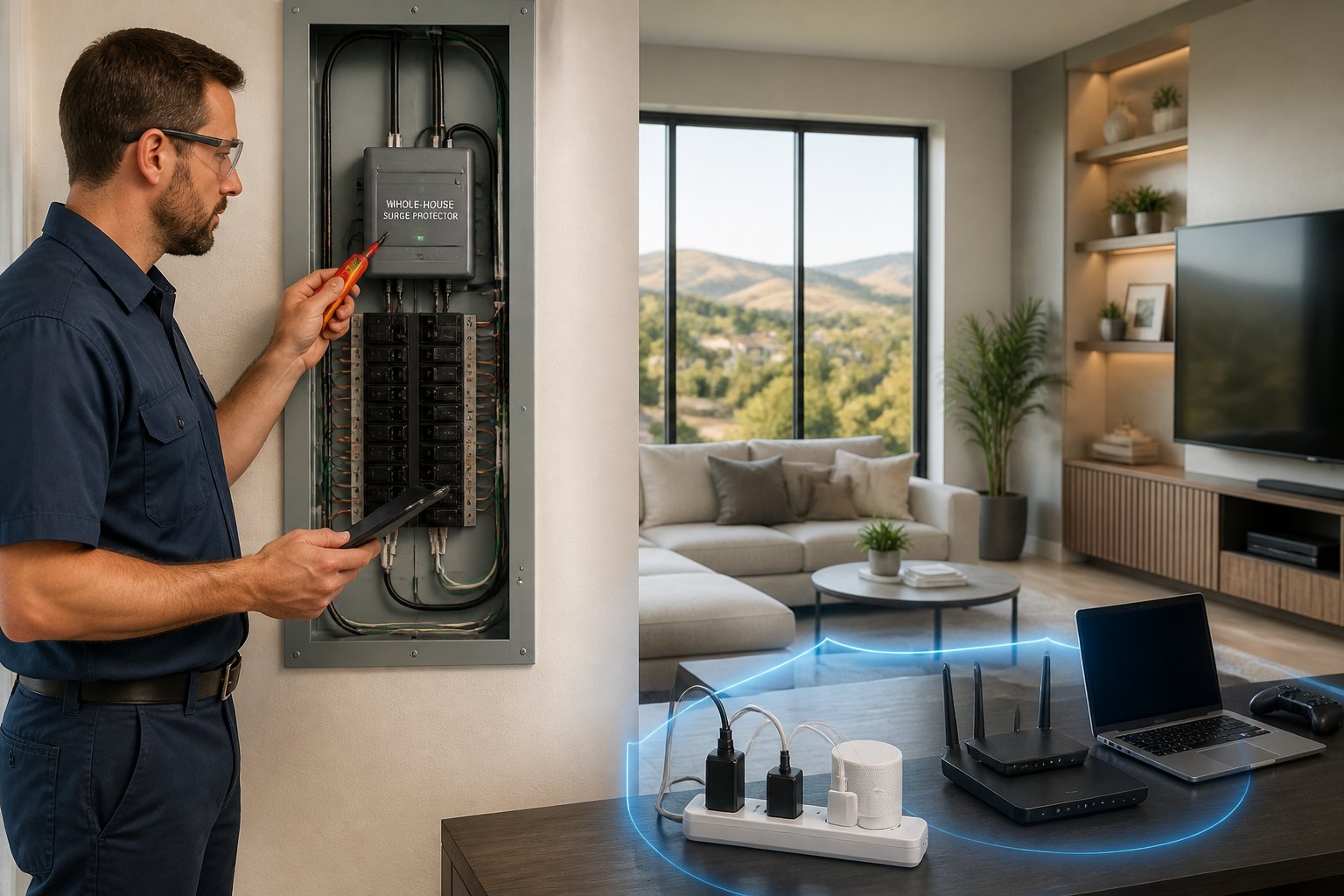
Power surges are sudden voltage spikes that can fry your appliances or even start a fire. Surge protection stops those spikes before they reach your wiring.
Surge protectors redirect extra voltage safely into the ground. There are whole-house models that connect right to your panel, and smaller ones for specific outlets. Whole-house is usually the way to go for full coverage.
Let licensed pros like AAA Electrical Services handle the install. They’ll pick the right gear and set it up safely. Surge protection can save you a ton of money and stress by avoiding costly repairs.
Ensuring Proper Grounding
Grounding sends extra electricity into the earth, so you don’t get shocked or start a fire. Without it, electrical faults can get dangerous fast.
Check that your grounding system meets current codes. That usually means a ground wire to a rod or metal water pipe. Good grounding also helps surge protectors do their job.
If your house is older, you might not have proper grounding. Let a licensed electrician take a look and fix it if needed. Having this sorted out is a real must for safety.
Energy Efficiency Tips for Homeowners
Keeping your panel running smooth means watching your power use and picking efficient appliances. Little tweaks can cut your bills and keep your system from getting overloaded.
Monitoring Power Usage
Knowing where your electricity goes is the first step. Use a smart meter or energy monitor to see real-time usage.
Focus on big energy hogs—heating, cooling, kitchen stuff. Those are usually the culprits when your panel gets overloaded.
Try not to run all your big appliances at once. If breakers trip or lights flicker, your system’s struggling and might need a checkup.
AAA Electrical Services can help with energy-saving solutions and keep things safe. Regular monitoring means fewer surprises.
Investing in Energy-Efficient Appliances
Swapping out old appliances for energy-efficient ones is an easy win. Look for Energy Star ratings—they save power without sacrificing performance.
LEDs use way less juice than old bulbs and last longer, too. Upgrading lights can really lower your home’s power draw.
Smart thermostats are another good move. They adjust heating and cooling automatically, so you don’t waste energy when you’re out.
If you’re adding a bunch of new, efficient appliances, you might need a panel upgrade to handle the load safely. That way, everything runs smoothly and you don’t risk overloads.
Choosing the right gear and keeping an eye on your usage helps protect your home and your wallet. It’s a smart way to keep everyone comfy and safe.
When to Call a Licensed Electrician
Sometimes you just know when a problem’s out of your league. Electrical panels? Yeah, those are one of those times. If you want your home’s power to stay safe and steady, you’ve got to know when it’s time to call in someone who’s done this a thousand times before. And honestly, a little preparation before a pro shows up goes a long way—makes the whole inspection easier and, frankly, safer.
Recognizing Problems Beyond DIY
If you ever catch a whiff of something burning, see smoke curling up near outlets, or your breakers keep tripping for no clear reason, don’t mess around. Those are big red flags. That’s when you put down the screwdriver and pick up the phone.
Trying to fix your own electrical panel? Not a great idea. These things are complicated and, let’s be real, dangerous if you’re not trained. If you spot frayed wires, sparks, or you open the panel and it just looks… wrong—call a pro.
Teams like AAA Electrical Services show up with the right gear, the right parts, and they know what they’re looking for. Their vans are usually packed for same-day fixes, so you’re not left in the dark (literally or figuratively). Plus, you’re not getting hit with weird surprise charges.
Preparing for Professional Inspections
If a pro’s coming over for an inspection, clear out the space around your electrical panel. Seriously, don’t make them climb over boxes or laundry. It just makes everything go smoother.
Before they arrive, you might want to test your GFCI outlets, and jot down any switches or plugs that seem off. Take a look at cords and plugs for any obvious wear—but don’t try to fix them yourself.
During the check, the electrician will look at your wiring, breakers, grounding, and the overall state of the panel. If you’ve done a bit of prep, it’s easier for them to catch little problems before they turn into something expensive or dangerous.
In the Sacramento area, AAA Electrical Services is known for same-day help and straightforward pricing. They’re friendly, too, which doesn’t hurt.
Frequently Asked Questions
Keeping your electrical panel in good shape isn’t rocket science, but it does take regular habits and a little attention. Label things clearly, check for trouble now and then, and don’t wait too long if you think something’s off.
What are the best practices for maintaining an electrical panel in top condition?
Try to keep the panel area clean and dry—no one wants moisture or dust getting in there. Don’t overload your circuits; spread out your devices when you can. Keep an eye out for rust, loose wires, or anything that just doesn’t look right. And if you need repairs or upgrades, hire a licensed electrician. It’s not worth the risk.
How often should you schedule a professional electrical panel inspection?
Every 3 to 5 years is a good rule of thumb. But if your breakers are tripping a lot or your lights flicker like you’re in a haunted house, get it checked sooner. Catching issues early is way better than dealing with a big mess later.
Can you explain the importance of the 36-inch clearance rule for electrical panels?
That 36-inch clearance rule? It means you need three feet of open space in front of your panel. It’s not just for looks—it makes it safer and easier to get to the panel if something goes wrong. Plus, it keeps you on the right side of the code.
What steps can homeowners take to ensure their circuit breakers are functioning properly?
Flip your breakers off and on every few months to make sure they’re not stuck. If a breaker trips a lot or won’t reset, don’t force it—there’s probably a real problem. That’s a good time to call in a pro. AAA Electrical Services can usually sort out breaker issues the same day.
What are the common signs that indicate an electrical panel may need an upgrade or repair?
If your lights flicker, breakers trip all the time, you smell burning, or the panel feels hot, pay attention. Adding new appliances or if your panel is over 20 years old? Probably time to think about an upgrade. It’s all about making sure your home can keep up with modern life—safely.
How can you safely label and organize circuit breakers in an electrical panel?
Grab some clear, printed labels and stick them next to each breaker so you know exactly which circuit it controls. I’d suggest keeping a simple list or even a quick sketch nearby—maybe taped inside the panel door—that shows what each breaker does. Update it if you ever switch things around. Trust me, when you’re in a hurry or the lights go out, you’ll be glad you took the time. Oh, and skip the permanent marker on the panel itself; it just gets messy and hard to change later.