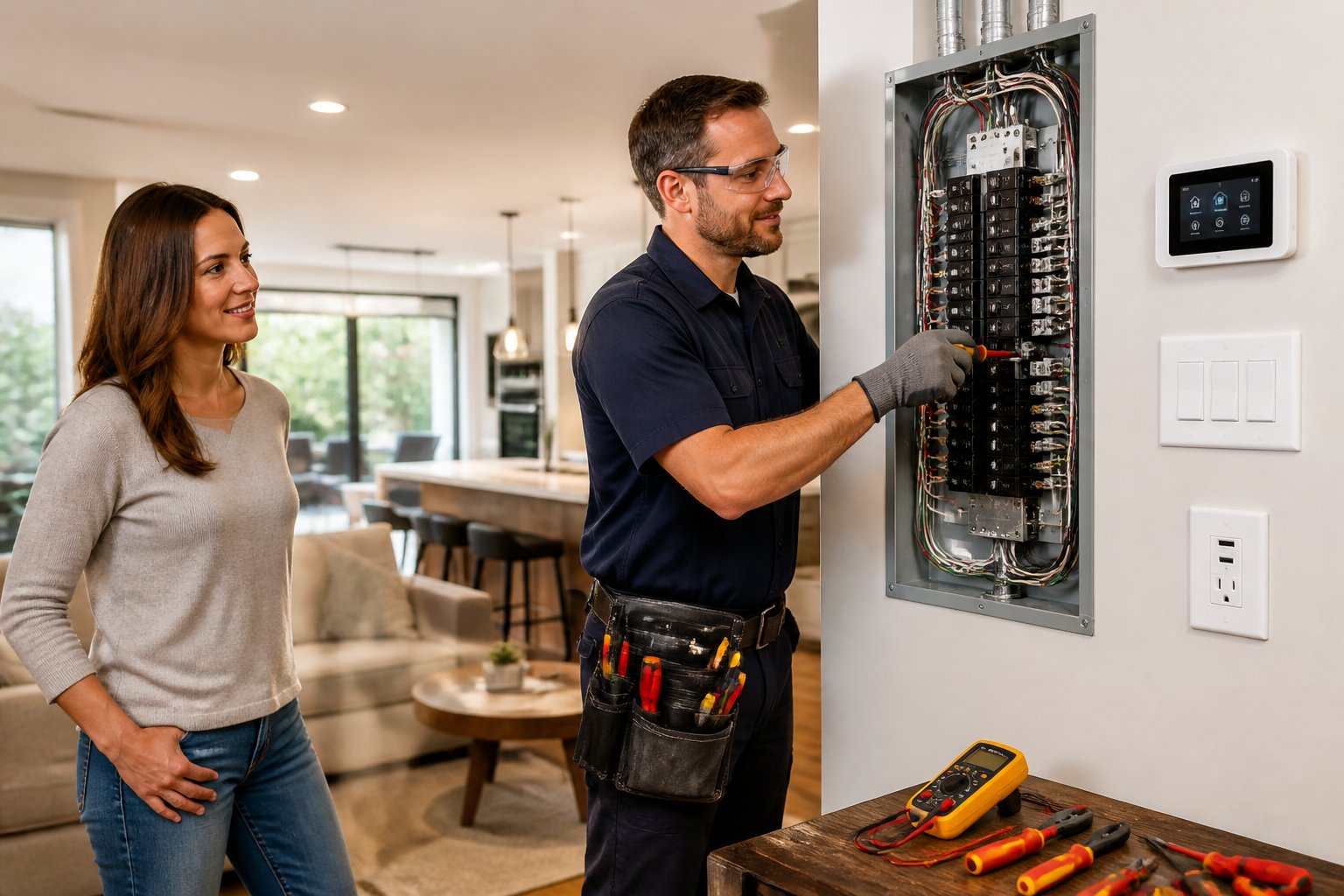
Renovations can be exciting but also tough on your home's electrical system. As you upgrade or change things, your wiring and panels might have to handle more power or new configurations. Keeping your electrical system stable during renovations means protecting your family and your home from power surges, overloads, and unexpected outages.
Proper planning and professional help matter a lot. You’ll want licensed experts who know how to manage power flow safely while work is underway. AAA Electrical Services offers same-day service with stocked vans, so if anything pops up, repairs can happen fast to keep your project on track.
Whether you’re adding outlets, upgrading your panel, or putting in modern tech, having a trusted team nearby can help you skip costly mistakes and ease your mind. In Sacramento and neighboring areas, AAA Electrical Services puts safety first, with honest pricing and real expertise.
Assessing Your Current Electrical System
Before you start any renovations, check how your electrical system is doing. Look at its age and power limits, spot risks like worn wires or loose connections, and make sure you’re up to code. This simple step helps you avoid nasty surprises.
Evaluating Capacity and Age
Start by figuring out how much power your system can handle. Older homes sometimes have panels rated for just 60 amps or less, which likely isn’t enough for new appliances or gadgets you want to add. Most modern homes need at least 100 amps.
Check how old your panel and wiring are. If your panel’s pushing 20 or 30 years, it might be worn out or just not up to today’s needs. Old panels often mean tripping breakers or outlets that just don’t work right. If your system can’t handle your plans, it’s time for an update to keep things safe.
Identifying Potential Hazards
Watch out for flickering lights, buzzing from outlets or switches, or warm wall plates—these can mean loose connections or overloaded circuits, and that’s a fire risk.
Damaged or frayed wires? That’s serious. If you spot exposed wires, scorch marks, or weird smells, stop using that area and get a pro inspection. AAA Electrical Services can check things out fast and fix them so you’re safe while renovating.
Understanding Local Code Requirements
Every city has rules about electrical work. Codes cover wiring types, panel sizes, grounding, and where outlets go. Before you start, check if your system meets the latest standards for Sacramento and nearby towns.
If your system’s outdated by code, you’ll have to upgrade during renovations. That keeps your project legal and your home protected. Working with a certified electrician means you’ll pass inspection and avoid headaches later.
Planning for Safe Power Use During Renovations
Managing your electrical system during renovations takes a little strategy. Figure out which circuits you can’t live without, estimate the power your project will need, and set up temporary power safely.
Deciding on Essential Circuits
Pick which circuits must stay on while you’re working. Usually, that’s lighting in work areas, the fridge, smoke detectors, and security systems.
Turn off circuits powering rooms or appliances you won’t use. This cuts down on overload risks. Label your breaker panel clearly so you know what’s what—no guessing in a pinch.
AAA Electrical Services suggests checking your panel to see if your breakers are in good shape. If it’s old or jam-packed, consider upgrading before you start. That’ll help you avoid power headaches.
Estimating Power Needs
Before plugging in tools or extra lights, add up how much juice your renovation will use. Tally the power ratings (watts or amps) for everything you’ll run at once—tools, lights, equipment.
If your total load is even close to your breaker’s limit, you risk tripping breakers or worse. Leave yourself a margin for safety.
Not sure how to figure this out? Get a pro’s help. AAA Electrical Services can send someone out same day to check your setup and suggest upgrades or tweaks to keep things humming.
Temporary Power Solutions
Temporary power needs care. Don’t lean on extension cords for long or heavy loads—they can overheat or trip someone. Install temporary outlets or use generator power with the right safety steps.
If you need a generator, set it up outside and away from windows to avoid carbon monoxide. Use a transfer switch to hook it safely to your panel.
For temporary lighting, go with LED work lights—they use less power and stay cool. Always shut off power before touching wiring. Honestly, having licensed pros handle this stuff just makes life easier.
Protecting Electrical Circuits From Damage
Protecting your electrical system during renovations isn’t just about luck. You need to control power, shield wires and outlets, and keep an eye out for overloads. These steps help you dodge big problems and keep the power flowing.
Using Circuit Breaker Lockouts
Circuit breaker lockouts keep a circuit off during work. They’re simple—just fit the lockout over the breaker switch, and it can’t be turned on until you remove it.
Lockouts mean nobody flips the power back on by accident. Pros from AAA Electrical Services always have these on hand and know when to use them. Make sure every breaker tied to your project is locked out for safety.
Shielding Wiring and Outlets
During renovations, exposed wires and outlets are sitting ducks. Cover outlets with plastic guards or tape, and wrap wires in sleeves to block dust, nails, or heavy stuff from doing damage. This also keeps dirt and moisture out, which can cause shorts or corrosion.
Label wires before you cover them up, so anyone working knows what’s what. If you’re cutting drywall or moving walls, shield the circuit panel too—keep dust and debris out. A little effort here saves you from headaches later.
Monitoring for Overloads
Renovations mean more devices and tools, which can overload circuits. Overloads trip breakers or, worse, start fires. Watch your breakers and unplug tools if you notice flickering lights or warm outlets.
Spread heavy equipment across different circuits. If you’re not sure your panel can handle it, have a pro check. AAA Electrical Services can do a quick inspection or panel upgrade to keep things safe.
Coordinating With Licensed Electricians
Keeping your electrical system stable during renovations really comes down to working with good electricians. You need to choose the right pro, schedule inspections at the right times, and make sure all the paperwork’s in order. That’s how you keep things safe and up to code.
Choosing a Qualified Professional
You want someone you trust handling your home’s electrical work. Make sure they’re licensed, insured, and certified—that way, you know they’re trained and experienced.
Ask about their local track record and whether they offer clear pricing. AAA Electrical Services sends background-checked techs with fully stocked vans, often fixing issues the same day. A local expert who treats your home with care is worth it.
Scheduling Inspections
Inspections matter—before, during, and after your project. Have a licensed electrician check things out at each stage to catch code problems or hidden damage early.
Regular inspections help prevent overloads and wiring issues. Make sure your electrician works with your contractor and keeps things moving. Inspections by pros keep your system stable all the way through.
Reviewing Work Permits and Documentation
Before any work starts, make sure you have the right permits. Permits mean the job gets inspected and meets local codes, protecting your home and your wallet.
Keep copies of permits, inspection reports, and invoices. You’ll need them for future repairs or if you ever sell. Licensed electricians like those at AAA Electrical Services usually handle the paperwork for you. Always ask what permits are needed and get proof.
Post-Renovation Safety Checks
Once the dust settles, it’s time to make sure your electrical system is safe and working right. Test all circuits, update panel labels, and check that your devices actually work with the new setup. It’s worth the time.
Testing All Circuits
Test every circuit after the renovation. Use a tester or get a licensed electrician to check each breaker and outlet. Make sure everything turns on and off without tripping.
Watch for flickering lights, odd noises, or warm outlets—those could mean wiring issues. AAA Electrical Services does thorough checks to keep you safe.
Updating Panel Labels
Your panel should clearly show which breakers control what. Renovations can change things around, so update your labels with simple names like “Kitchen outlets” or “Living room lights.”
Good labeling saves time in an emergency and makes future repairs easier. If your panel’s a mess, have a pro organize it.
Verifying Device Compatibility
Not every device works with new wiring or panels. Double-check that switches, outlets, and fixtures are rated for your new setup. For example, dimmer switches need the right bulbs—otherwise, you’ll get flicker or burnouts.
If you’ve added big stuff like EV chargers or a generator, make sure your panel and wiring can handle it. Sometimes upgrades are just necessary. AAA Electrical Services can help you sort it out and keep things safe.
Frequently Asked Questions
Renovations can really test your electrical system. Focusing on safety, steady power, and protecting old wiring makes a difference. You’ll want to avoid breakdowns and handle the quirks of older homes. Protecting your infrastructure during construction is just smart.
What are the best practices for maintaining electrical safety during home renovations?
Turn off power to the work areas before you start. Wear proper gear and don’t overload circuits.
Have a licensed electrician inspect your system before and after. It’s the best way to catch hidden problems early and keep everyone safe.
How can you secure a steady voltage supply when updating your home's electrical system?
Make sure your main panel can handle new circuits or higher demand. Upgrade breakers if needed to prevent tripping.
Use good materials and solid wiring techniques for steady voltage. AAA Electrical Services keeps parts on hand for quick repairs if anything goes wrong.
What methods are recommended for ensuring the safety of old electrical wiring?
Get old wiring inspected for damage and code compliance. Replace anything frayed or outdated.
Use the right circuit breakers and test them regularly. Older homes usually benefit from panel upgrades for safety.
What steps should be taken to prevent electrical system breakdowns during an upgrade?
Plan your layout before you start to avoid stressing circuits. Don’t DIY main panels or breakers.
Schedule inspections during and after the work. Fast repairs keep little issues from becoming big ones.
What are the top electrical considerations to keep in mind when renovating an older house?
Older homes might have knob-and-tube wiring or outdated panels. Upgrading to modern breakers and outlets cuts fire risk.
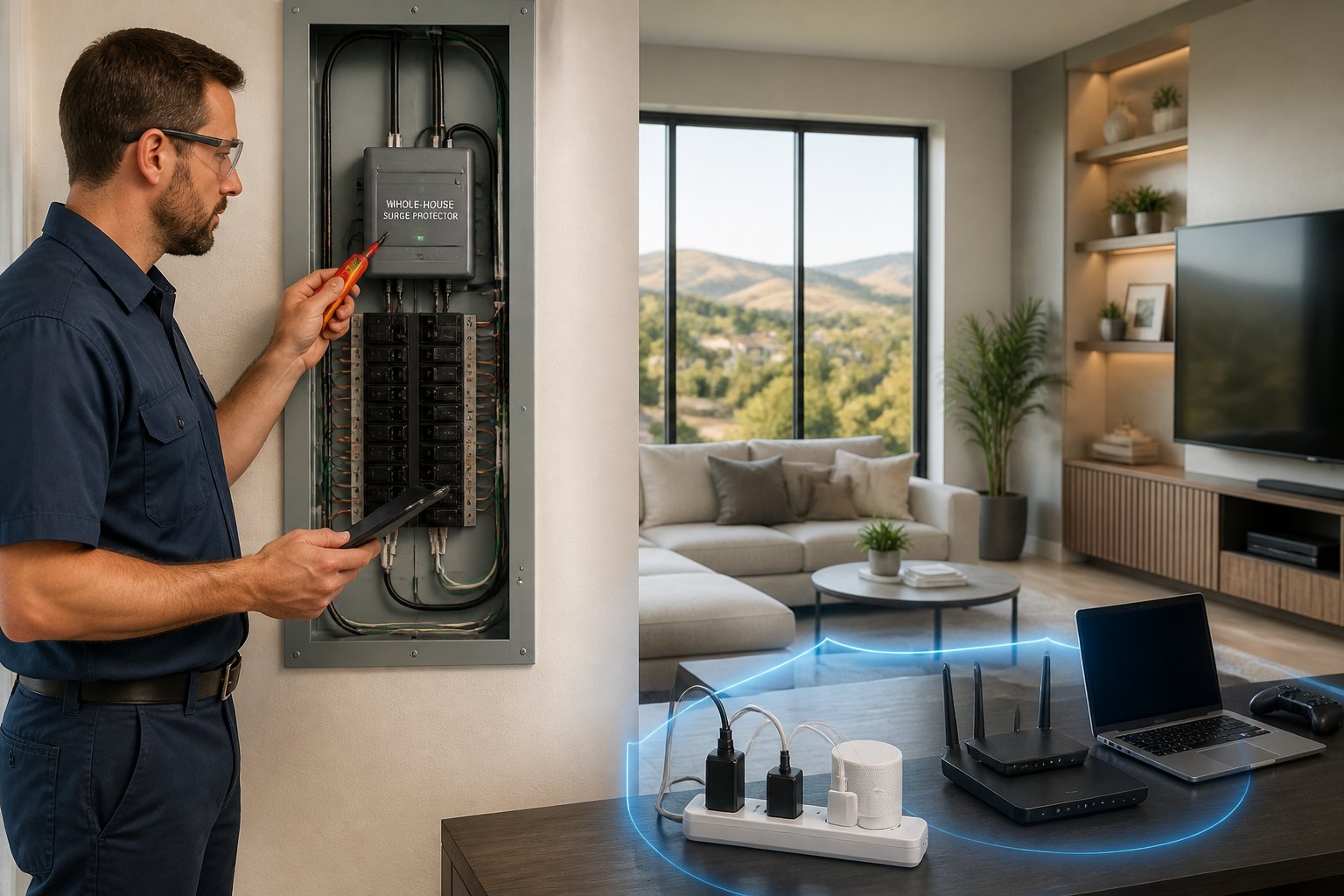
Think about surge protection and better grounding. These upgrades protect your stuff and your family.
How do you protect your electrical infrastructure from damage during major construction work?
Cover any exposed wiring and mark it clearly—nobody wants a surprise zap or an expensive mistake. Sometimes, it just makes sense to set up temporary power so the job can move along without a hitch.
Honestly, it’s worth teaming up with pros like AAA Electrical Services. They’re quick to respond, and they actually seem to care about keeping your home safe through all the chaos of renovations. Plus, their “warehouse on wheels” setup? That’s saved my day more than once—no waiting around for parts or tools.