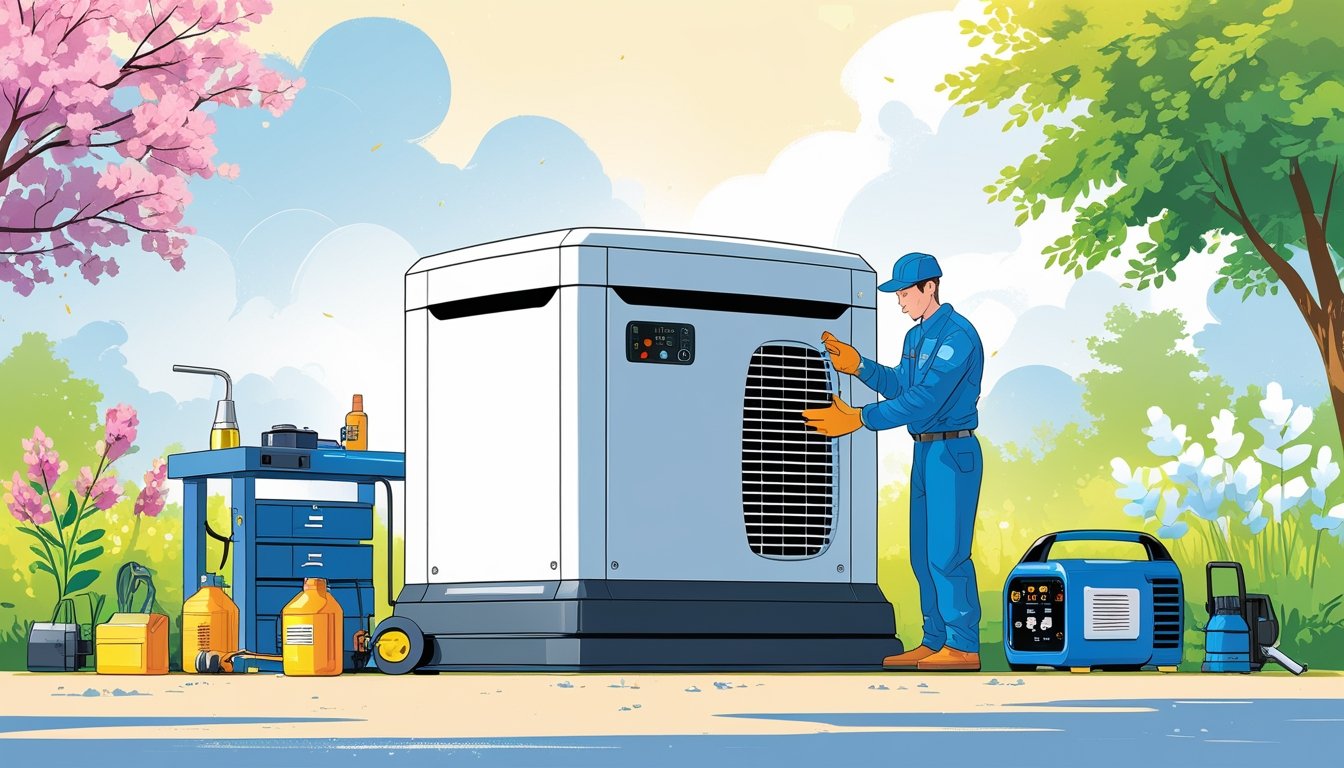
Keeping your backup generator in good shape year-round is key if you want it to work when the lights go out. Regular maintenance cuts down on surprise breakdowns and helps keep your home powered safely during outages. Even if your generator only runs once in a while, it still needs checks to stay ready.
Test your generator regularly, swap the oil and filters as needed, and keep it clean and well-ventilated. AAA Electrical Services (serving Sacramento and nearby) can help with inspections and repairs—handy if you want peace of mind. Their licensed techs show up same day, vans stocked, ready to fix most issues on the spot.
You don’t want to be left in the dark, literally or figuratively, so regular upkeep just makes sense.
Understanding Your Backup Generator
Backup generators are a real lifesaver when the grid goes down. Understanding the basics—types, main parts, and how they actually work—makes it easier to keep yours ready for action.
Types of Backup Generators
There are two main types of backup generators: portable and whole-house standby.
Portable generators are smaller, easy to move, and you have to set them up each time. Most run on gasoline.
Whole-house standby generators are bigger and get installed outside your home. They hook up to your electrical system and start automatically when the power drops. Usually, these run on natural gas or propane.
Honestly, standby generators are just more convenient and safer for most families. They’ll power the essentials without you lifting a finger.
Key Components and Functions
A generator’s got a handful of important parts working together to make electricity:
- Engine: Burns fuel for mechanical energy.
- Alternator: Turns that mechanical energy into electrical power.
- Fuel System: Delivers gas or propane to the engine.
- Battery: Fires up the engine when needed.
- Transfer Switch: Switches your home from grid to generator power safely.
You’ll want to check these parts regularly. Change the oil in the engine, keep the battery charged, and pay attention to anything that looks off. It’s just basic prevention.
How Backup Generators Operate
When the power cuts out, a standby generator senses it and kicks on automatically.
It sends power to your home through the transfer switch, which keeps your home’s wiring separate from the grid—this keeps everyone, including utility workers, safer.
Once the grid’s back, the generator shuts itself off and waits for the next time it’s needed.
AAA Electrical Services can help keep this whole process running smoothly, with certified techs who actually show up when you need them.
Establishing a Year-Round Maintenance Schedule
If you want your generator to work all year, you need a plan. That means regular checks, seasonal tweaks to your checklist, and keeping decent records. It’s not rocket science, but it does help avoid headaches.
Setting Regular Inspection Intervals
Give your generator a serious look at least twice a year—spring and fall work well. These inspections catch little problems before they turn into wallet-draining repairs. Listen during weekly test runs for odd noises, and keep an eye out for oil leaks or worn parts.
Clear out debris around the generator for good ventilation. Check fuel levels, change oil as the manufacturer suggests, and if something feels off, call in a pro like AAA Electrical Services.
Seasonal Maintenance Checklists
Generators need different TLC depending on the season. In winter, focus on battery health and keep fuel from freezing up. In summer, check the cooling system and swap air filters more often—dust and heat are not your friends.
Try a seasonal checklist:
Spring and Fall:
- Change oil
- Replace air filters
- Test battery
- Clean vents
Winter:
- Check antifreeze
- Run weekly
- Inspect fuel system
Summer:
- Clean air filters more
- Inspect cooling fans
- Test transfer switch
A checklist just helps you remember what needs doing.
Tracking Service History
Keep a log of what you’ve done and when. Jot down dates, what got fixed, and who did the work. It’s not just for your memory—if you ever sell the house, buyers love seeing proof the generator’s been looked after.
Organized records mean fewer repair surprises. AAA Electrical Services can help set up a maintenance plan that fits your schedule.
Performing Routine Inspections
Regular inspections let you catch small stuff before it blows up into big problems. Check for wear, test how your generator starts and stops, and keep an eye out for warning lights or odd alerts.
Visual Checks for Wear and Damage
Give your generator a good once-over. Look for cracks, rust, or loose bits outside. Make sure fuel lines aren’t cracked or leaking, and that battery terminals are clean and tight. Any puddles or leaks under the unit? That’s a red flag.
Check the air filter—if it’s dirty, swap it out. Oil should be at the right level and not look gross or smell burnt. If you see worn belts or damaged wires, don’t wait around—fix them.
Testing Start-Up and Shut-Down Procedures
Start your generator up regularly—most models do this automatically once a week. Listen for weird sounds like knocking or sputtering.
After it runs a bit, shut it down to make sure that goes smoothly too. It should start and stop without drama. If it struggles at start-up or shuts down funny, that’s your cue to call a pro.
Checking Warning Lights and Indicators
Watch for warning lights or error codes on your generator. Flashing lights or red alerts could mean low oil, high temps, or battery trouble.
Don’t ignore alerts—check your manual and call AAA Electrical Services in Sacramento if you spot anything worrying. Their techs actually show up fast and don’t play games with pricing.
Fuel System Care
Your generator’s fuel system needs a little attention to stay reliable. Watch fuel quality, check for leaks, and use additives if you want your generator ready to go.
Monitoring Fuel Quality
Fuel goes bad if it sits too long, especially gasoline. It can gum up fuel lines and filters. Diesel can get contaminated or develop water and microbes.
Check fuel for cloudiness, weird smells, or separation. Gasoline older than a month? Probably best to swap it out. Diesel tanks need checking more often—water and gunk love to sneak in.
Store fuel in sealed containers, somewhere cool and out of the sun. If it smells off, drain and replace before running the generator.
Addressing Fuel Leaks
Fuel leaks are dangerous and can wreck performance. Check fuel lines, fittings, and the tank for cracks, corrosion, or wet spots.
If you see a leak, shut down the generator and clean up the spill right away. Replace any busted hoses or seals with the right parts.
If this all sounds like a hassle, AAA Electrical Services can handle it safely and quickly—they show up with the parts you need.
Adding Stabilizers and Preservatives
Fuel stabilizers keep gasoline fresh longer. Add them to new fuel before storing. Run the generator a few minutes to mix it through the system.
For diesel, use preservatives to stop corrosion and microbial growth. Especially important if your generator sits unused for a while.
Honestly, this step is easy and saves you from a world of trouble when you actually need your generator.
Battery Maintenance Tips
Your generator’s battery is the difference between a smooth start and, well, nothing. Check its health, keep connections clean, and make sure it’s charged.
Inspecting Battery Health
Look over the battery for cracks, leaks, or bulges—if you see any, replace it right away.
Test voltage with a multimeter. A good 12-volt battery should read about 12.6 volts or a bit more when off. Below 12.4? It’s probably on its way out.
Before storm season, double-check the charge level. Dead batteries are a top reason generators fail to start.
Cleaning and Tightening Connections
Dirty or loose battery terminals can ruin your day. Mix up some baking soda and water, scrub off corrosion with an old toothbrush, rinse, and dry.
Make sure the cables are tight. Loose connections can kill your battery or mess up the starter.
A shot of terminal protector spray helps keep corrosion from coming back. It’s a tiny job that pays off.
Charging and Replacement Guidelines
Keep your battery topped off, especially if the generator doesn’t run often. Use a smart charger or maintainer so you don’t overdo it.
If your battery won’t hold a charge, just replace it. Most last 3-5 years if you treat them right. Don’t try to stretch it—dead batteries only fail when you need them most.
Not sure what to do? AAA Electrical Services can help, and their techs won’t leave you hanging.
Oil and Filter Management
If you want your generator to run smooth, keep up with oil and filter changes. Use the right oil type and get rid of used oil the right way.
Checking and Changing Oil
Check oil before each use, or at least every few months. Use the dipstick or gauge—engine cool and level.
If the oil looks dark, gritty, or smells burnt, change it. Usually, changing oil every 50-100 hours is about right. Use the oil your manufacturer recommends and don’t overfill.
Replacing Oil and Air Filters
Oil and air filters keep junk out of your engine. Swap the oil filter every time you change the oil.
Check air filters monthly. Clean them if they’re dusty, replace if they’re damaged or filthy. A clogged air filter can make your generator run hot or rough.
Disposing of Used Oil Properly
Used oil is nasty stuff—don’t pour it down the drain or on the ground. Collect it in a sealed container and take it to a recycling center or drop-off site.
AAA Electrical Services can handle oil changes and disposal if you’d rather not deal with the mess.
Air Intake and Exhaust System Upkeep
To keep your generator running safely, don’t let the air intake or exhaust get blocked. Regularly clean vents, check exhaust outlets for damage, and clear out any buildup.
Cleaning Air Intake Vents
Air intake vents bring in fresh air. Over time, dust and debris can clog them, making the engine run hot or even stall. Check every few months or after storms.
Use a soft brush or vacuum to gently clear away dust and cobwebs. If vents have screens, pop them off and clean those too. Don’t use water or harsh cleaners—it’s not worth the risk. Keeping airflow clear helps your generator breathe and keeps it from overheating.
Inspecting Exhaust Outlets
Exhaust outlets push harmful gases away from your home, so you’ll want to check them now and then for cracks, rust, or anything blocking the way. A blocked or damaged exhaust can cause engine trouble and let dangerous fumes drift too close.
Watch for rust spots, soot, or loose fittings. Clear away leaves, snow, or junk from the exhaust pipe. If you spot damage, it’s smart to call AAA Electrical Services—they’ll handle repairs safely and quickly. Same-day service and flat-rate pricing make things easier and help keep your system safe.
Preventing Blockages and Buildup
Blockages in intake or exhaust systems can lead to expensive repairs and safety risks. Keep the area around your generator free from leaves, plants, and clutter. Trim bushes or grass that could block airflow.
When the weather’s rough, toss on a breathable cover made for your model. It keeps rain and dust out but still lets air move. Don’t forget to schedule professional inspections once a year. Local, licensed techs can spot problems early and keep your generator reliable, which is honestly a relief.
Testing Emergency Operation
To keep your backup generator trustworthy, run tests and pay attention to how it behaves. Jotting down what you notice during these tests helps you spot issues early and makes sure your generator’s ready when you need it.
Simulating Outages
To mimic a power outage, turn off your main power breaker. This makes your generator kick in, just like during a real blackout. Let it run for 15–30 minutes so it can stabilize and power your home.
Watch for a smooth start-up and steady power—no weird noises, please. Check that your most important appliances and circuits are working. Only run essentials like fridges, lights, or medical devices to avoid overloading.
Doing this every few months helps you stay ahead of problems. AAA Electrical Services suggests this routine for keeping your home powered and your family safe.
Monitoring Generator Performance
While your generator runs, keep an eye (and ear) out. Check fuel levels and sniff for leaks or strange smells. Listen for odd sounds—knocking, rattling, anything unusual. Glance at the control panel for warning lights or error codes.
If your generator uses oil or coolant, make sure levels are good. Low oil or coolant can cause engine damage or sudden shutdowns. If something’s off, don’t wait—call a licensed technician.
Use a digital multimeter to check voltage output—simple tools make a difference. Staying on top of these checks helps your generator stay reliable and saves you from big repair bills.
Documenting Test Results
Write down the date, how long you ran the test, and anything you noticed. A basic chart or logbook works fine:
DateTest DurationFuel LevelOil LevelNoise/Air SmellWarnings/ErrorsNotes 10/13/202520 minutesFullNormalNoneNoneGenerator started smoothly
Keeping a record helps you spot patterns, like rising fuel use or repeating errors. Bring this log to your annual generator inspection with AAA Electrical Services. Good records give you peace of mind and help keep your home safe.
Protecting Your Generator from the Elements
Weather and debris can mess with your generator’s performance. Covering it properly, fighting off rust, and clearing out snow or leaves will help it last longer and break down less.
Weatherproof Housing Solutions
A solid, weatherproof enclosure shields your generator from rain, wind, and sun. Pick something made from rust-resistant stuff like aluminum or heavy plastic. This keeps the engine and important bits safe from water.
Ventilation’s a must. Without airflow, your generator overheats. Some enclosures come with built-in vents or fans to keep things cool and dry.
Set your generator on a raised platform or concrete pad. That way, water can’t pool underneath when it pours. Steer clear of low spots that flood.
Preventing Rust and Corrosion
Rust is a headache—it eats away at metal parts and causes failures. Check for rust on the frame, bolts, and connections.
Spray exposed metal with a rust inhibitor or slap on some paint. Wipe off dirt and moisture regularly. After storms, give your generator a quick clean—inside and out.
If you’re storing your generator for a while, cover it loosely with a breathable tarp. That keeps out moisture but lets air move, which helps prevent rust.
Managing Snow and Debris
Snow can block vents and freeze fuel lines, making startup a pain. Brush it off gently to keep vents open and avoid ice buildup.
Clear away leaves, grass, and dirt from the base. That kind of debris can clog air filters or cause overheating. Check and clean air filters every few months or whenever your manual says.
Keep the area tidy to avoid attracting critters that might chew on wires or fuel lines.
If you want reliable help, AAA Electrical Services offers generator maintenance for Sacramento and nearby. Their same-day service and safety-first approach are honestly reassuring.
Troubleshooting Common Issues
Backup generators can be finicky, especially if they sit unused. Before a power outage, check the fuel, look for error alerts, and make sure your generator starts up right.
Addressing Startup Failures
If your generator refuses to start, check the battery first. Weak or dead batteries are a usual culprit. Clean the terminals and make sure connections are tight.
Look at the fuel supply. Old or stale fuel makes starting tough. If it’s been a while, drain the old fuel and refill with fresh gasoline.
Check the oil, too. Low or dirty oil can keep the engine from starting. Stick to a regular oil change schedule.
Fuel Supply Problems
Fuel issues are a top reason for generator trouble. Gasoline and diesel go bad after a while, which clogs filters or carburetors. Use fuel stabilizers if you’re storing fuel for more than a month.
Watch the fuel and air filters. Dirt blocks fuel flow and hurts performance. Swap them out as the manufacturer recommends, or if your generator starts stalling or running rough.
In cold weather, fuel lines can freeze. Look for winter blend fuel or keep your generator somewhere protected if you’re in a chilly spot like Sacramento or Roseville.
Error Codes and Alarms
Modern generators have digital displays for error codes or alarms. These let you know about low oil, overheating, or electrical issues.
Check your manual or the manufacturer's site to figure out what the codes mean. Sometimes it’s as easy as refilling oil, clearing vents, or hitting reset.
If you can’t fix it, call AAA Electrical Services. Their licensed techs show up fast, vans loaded with parts, and they put safety first. They’ll get your generator running again so you’re not left in the dark.
Professional Servicing and Support
Keeping your backup generator in good shape means teaming up with folks you trust. AAA Electrical Services delivers professional servicing with your family’s safety in mind. Their licensed, state-certified techs know how to inspect, repair, and maintain your generator so it keeps humming along.
You’ll get same-day service and flat-rate pricing—no surprises. Their “warehouse on wheels” vans show up stocked, so they can usually fix things in one visit. That saves you time and stress, especially when you need power ASAP.
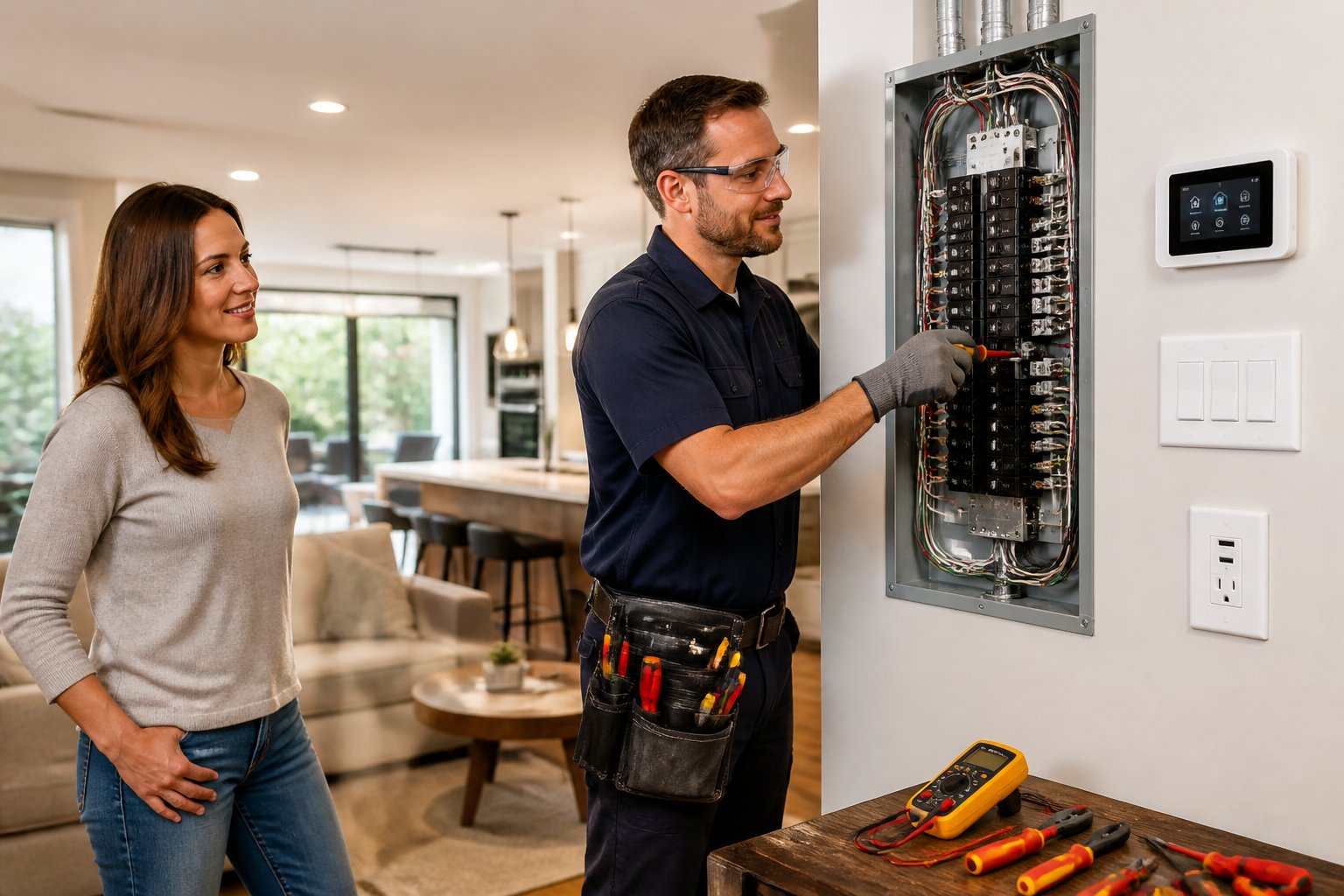
Regular professional servicing catches problems before they snowball. Techs check fuel, oil, filters, and the transfer switch to keep your generator ready. They follow safety codes for installation and repairs, protecting your home and utility workers.
Twice-a-year maintenance is a solid guideline. It keeps your generator reliable and helps it last longer. You’ll rest easier knowing your backup power source is ready when the grid goes down.
If you’re in Sacramento, Roseville, or nearby, expert support is close. Local pros mean honest advice, tidy work, and a team that treats your home right. With AAA Electrical Services, you can feel good about your generator’s safety and performance.
Energy Efficiency and Safe Usage
Keeping your backup generator running well takes more than the occasional peek. You’ll want to think about how to make it last, reduce wear, and keep everyone safe when it’s on.
Maximizing Generator Lifespan
To help your generator last, run it now and then even if you don’t need it. This keeps the engine and battery in working order. Try running it 20–30 minutes once a month.
Change the oil every 100 hours or at least once a year. Clean or swap the air filter often—dust is no friend. Store your generator in a dry, covered spot when it’s not in use to protect it from bad weather.
Getting it serviced by licensed pros like AAA Electrical Services helps catch issues early. Their quick repairs and stocked vans keep your generator healthy.
Reducing Unnecessary Wear
Only use your generator when you really need it. Don’t run it at full blast all the time. Use a transfer switch to prioritize essential appliances—this avoids overload and eases stress on the system.
After a storm or outage, let your generator cool before refueling or shutting it off. Sudden stops or running on empty can do damage. Keep it clear of debris, snow, or standing water.
Routine inspections keep things safe and efficient. AAA Electrical Services can check your system for unnecessary wear, which helps prevent breakdowns and extends its life.
Operating Safely Around Backup Generators
Always set up your generator outside in a well-ventilated spot. Never run it in garages or basements—carbon monoxide is deadly.
Use a transfer switch to connect your generator to your home’s panel. This prevents dangerous backfeed and keeps utility workers safe.
Keep kids and pets away from running generators. Store fuel safely, away from anything that might spark. Stick to your manual for proper use and regular maintenance.
Staying safe with your backup power setup means protecting your home and family, and it really helps to have licensed experts who care about your safety.
Storing and Preparing for Extended Downtime
If your backup generator will be idle for a while, store it right. Run the engine until it burns off the last of the fuel—old fuel can gum things up.
Change the oil and swap the air filter before storage. Stale oil and dirty filters can cause trouble when you start it up again. Disconnect the battery or use a trickle charger to keep it from dying.
Store your generator in a clean, dry place—away from moisture and dust. Cover it with a breathable fabric cover so dirt stays out, but air can still flow. Skip plastic covers, which trap moisture.
Before storing, either drain the fuel tank or add a stabilizer. This keeps fuel from breaking down and causing engine headaches later. Remember, fuel can go bad in about 30 days.
If you’re in Sacramento or nearby, AAA Electrical Services can help get your generator ready for long breaks. Their licensed team puts safety first and treats your home with respect.
A few simple steps now will keep your generator ready all year. It’ll also save you on repairs and give you peace of mind when it’s time for backup power.
Frequently Asked Questions
Keeping your backup generator in good shape means checking it regularly, cleaning it up, and knowing what those indicator lights are trying to tell you. Regular tests and paying attention to signals can help you avoid surprises when you need power.
What steps should I take for annual maintenance of my backup generator?
Change the oil and air filter every year. Check the battery, and clear dust or debris from around the unit to keep air moving. Inspect fuel lines and connections for leaks or damage.
How can I ensure my generator stays in good condition when not in use?
Run your generator once a month for 10–15 minutes. This keeps the engine lubricated and the battery charged. Store fuel safely, and keep the area dry and tidy.
What do the different indicator lights on my Generac generator mean?
Green means everything’s fine. Yellow is a heads-up—maybe low oil or scheduled maintenance. Red signals a fault that could stop the generator from running safely.
How frequently should I run tests on my Generac generator?
Try running your generator under load once a month. That way, you’ll know it can actually handle your power needs if there’s an outage. It’s also smart to book a full service inspection with a certified technician each year.
Why won't my Generac generator start when there's a red and yellow light displayed?
Seeing both a red and yellow light? That usually means there’s a system fault—maybe low oil, a battery issue, or something else going on. Check your manual for any codes, or just call a licensed pro to figure it out and get it running again.
What signifies the hours of protection on a Generac generator, and how does it relate to maintenance?
The hours of protection show you how long your Generac generator has actually run. This number matters because it tells you when it’s time for things like oil changes or swapping out filters. If you keep an eye on those hours, you’ll catch maintenance before it’s overdue. That’s what keeps your generator humming along when you really need it.
For expert help with your generator or any electrical issues in Sacramento, Roseville, Elk Grove, or nearby, AAA Electrical Services handles it all with a safety-first attitude, same-day visits, and straightforward pricing.