Thinking about getting an EV charger for your Mather home? You’ll skip fuel stops, charge while you sleep, and make daily driving easier—all while keeping your family safe if the unit’s installed right. A Level 2 home charger usually does the trick, and local pros can check your panel, handle the red tape, and get you charging fast and safely.
We’ll help you figure out which charger matches your driving, what kind of panel upgrades or permits Mather often asks for, and what kind of costs to expect. You won’t be left wondering what’s next, since local electricians can often offer same-day service and take care of details like permits.
Want a smooth install? Look for clear flat-rate pricing, techs who show up ready, and a team that actually respects your home. We’ll get into those details so you can make a choice that works for your family.
Benefits of Installing an EV Charger at Home
Having a charger at home just makes life easier. Plug in overnight, wake up to a full battery, and forget about those extra stops during your day.
Home charging usually costs less than public stations, especially if you charge at night when rates drop. That can really cut your per-mile cost.
A home charger means you’re in control—charge when you want, at your own pace, and head out on time.
Adding a Level 2 charger can boost your property appeal. More buyers want EV-ready homes, especially around Sacramento.
Safety’s a big deal. Getting the work done by licensed professionals helps prevent overloads and keeps your home protected.
There are often rebates and tax credits that can lower installation costs. Check your city’s incentives and ask your electrician about permits.
Fast, clean installs matter too. Same-day service and techs with stocked vans mean less waiting and fewer headaches.
If you want help, AAA Electrical Services does customized, safety-focused installs with certified techs. They’re upfront about pricing, so you know what you’re getting into.
Types of EV Chargers Available for Mather Residents
Pick a charger that fits your daily driving, garage layout, and what your panel can handle. Charging speed and features vary, so choose something that fits your routine and your wallet.
Level 1 vs Level 2 Chargers
Level 1 uses a regular 120V outlet. You’ll get about 3–5 miles of range per hour—fine if you drive short distances or can leave the car plugged in all night. It’s cheap to set up because you usually just plug in, but make sure your outlet is up to the task.
Level 2 runs on 240V and gives you 12–60 miles per hour, depending on your car and charger. Most Mather homeowners go for Level 2 for everyday use. Upfront costs are higher if you need a new circuit or panel upgrade. With solar or time-of-use rates, Level 2 can charge fast when power’s cheapest.
Smart Chargers
Smart chargers connect to Wi‑Fi or Bluetooth so you can schedule charging, watch your energy use, and get updates on your phone. Scheduling lets you charge when electricity is cheapest. Some models even work with your home energy system—handy if you’ve got solar or want to avoid overloading your panel.
Keep in mind, smart chargers need a good Wi‑Fi signal in your garage or driveway. They can track charging history and show power use, which helps with costs and battery health. If you want remote control or scheduled charging, a smart Level 2 is a popular pick.
Portable Charging Options
Portable EV chargers plug into either 120V or 240V outlets and can travel with you. A portable 120V unit is good for emergencies or older homes. Portable 240V chargers work faster if you have the right outlet, but the wiring and breaker still need to be up to code.
Always check the plug and circuit before using a portable 240V charger. Keep an adapter or cord organizer in your car. If you need a new 240V outlet at home, AAA Electrical Services can help—often with same-day, flat-rate service.
Selecting the Right EV Charger for Your Needs
Pick a charger that matches how far you drive, your car’s charging port, and what your panel can handle. Think about charging speed, future needs, and possible panel upgrades.
Evaluating Charging Speed and Capacity
Daily driving makes charging speed important. Level 1 (120V) adds about 3-5 miles per hour—okay for short commutes and overnight charging.
Level 2 (240V) is the go-to for most homes. It adds 15-40 miles per hour, so most EVs are full by morning. Check the charger’s amps (30A–80A); higher amps mean faster charging but might need a beefier circuit.
Look at your driving habits and how quickly you need a full charge. Planning to add another EV? A higher-capacity charger or one with load sharing can help you avoid expensive panel upgrades.
Compatibility With Your EV Model
Chargers don’t all work the same with every car. Check your EV’s onboard charger rating (kW) to see the fastest it’ll take. A 7.2 kW onboard charger won’t go any faster with a 12 kW station.
Most North American EVs use SAE J1772 for AC charging. Tesla owners need an adapter. Also, check your car’s max continuous amps so you match the charger and circuit safely.
Want smart features? Make sure the app works with your vehicle and lets you schedule charging or track energy use.
Future-Proofing Your Home Charging Setup
Think ahead—maybe you’ll get a second EV or start driving more. Upgrading your electrical panel now could save cash and hassle later. Moving from 100A to 200A service is a common jump if you want two Level 2 chargers or have other big loads.
Look for a charger with adjustable current, load balancing, and Wi‑Fi. Firmware updates are nice—they keep your charger up to date.
If you’d rather not guess, AAA Electrical Services can check your panel, recommend the right breaker, and offer flat-rate, same-day service in the Sacramento area.
Understanding Installation Requirements in Mather
You’ll need to see if your panel can handle a charger, check permit rules, and pick a certified installer who actually follows safety guidelines. These steps affect your cost, timing, and charging speed.
Electrical Panel Assessment
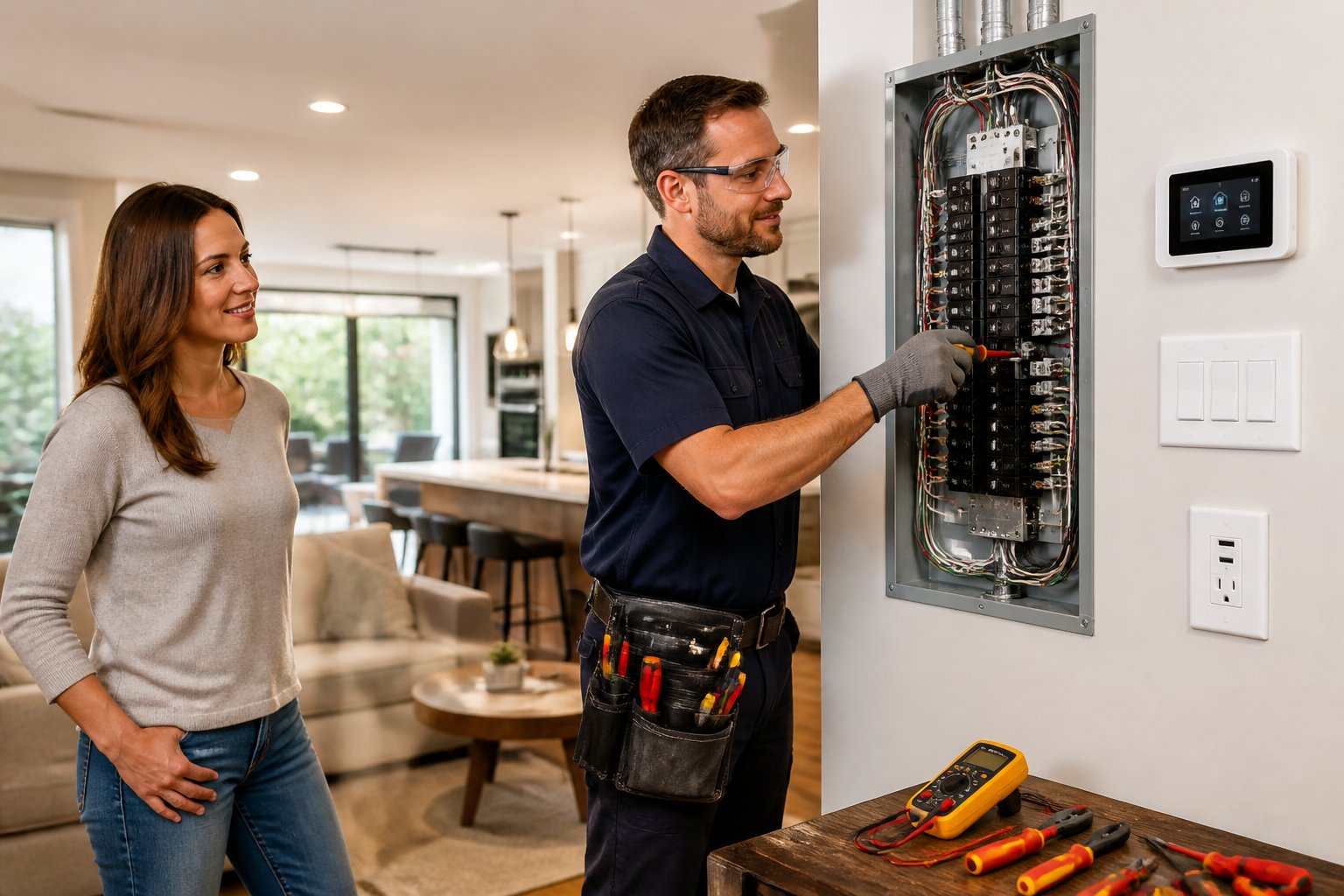
First, check your panel’s main breaker size (100A, 200A, etc.) and see what circuits you’ve already got. A Level 2 charger usually needs a dedicated 40–50 amp circuit. If your panel’s close to full, you might need a panel upgrade or a subpanel.
Have an electrician check your household load and see if there’s room for a new breaker. They’ll look for shared circuits, old wiring, and whether your meter can handle more demand. Ask for a written estimate with needed parts, labor, and any panel work.
Share your future plans—solar, heat pump, second EV—so your installer can set you up for the long haul and avoid repeat upgrades.
Permits and Local Regulations
Mather follows Sacramento County and city codes, which usually require a permit and inspection for a fixed EV charger. Permit details vary—some places want wiring diagrams and breaker info.
You’ll probably need an electrical permit, and maybe a meter or service upgrade approval, plus a final inspection. Fees and timelines differ, so have your electrician handle the permits. That way, the work stays up to code and helps with resale value.
Hang on to all inspection forms and permits. They show your install met safety standards and could be important for insurance or selling your home.
Choosing a Qualified Installer
Go with a licensed, insured electrician who’s done EV chargers before and has local references. Look for techs who give upfront, flat-rate pricing and show up with everything they need. Ask about certifications and their process.
Get a written quote listing the charger brand, circuit size, breaker type, conduit, permits, and timeline. Make sure they’ll do a final load calc and leave your space clean. AAA Electrical Services is one local option—licensed, family-focused, and offering same-day service with a satisfaction guarantee.
Cost Breakdown for Home EV Charger Setup
You’ll pay for the charger, the electrician’s work, and maybe get rebates or incentives. Prices depend on charger type, your electrical panel, and permit needs.
Charger Unit Costs
Level 2 chargers are most common. Basic models start at about $300, while smart, Wi‑Fi-enabled chargers run $400 to $800. Top-end units with load management or heavy-duty hardware can go over $1,000.
Pick a charger with enough power for your EV (usually 32–48 amps). Look for sturdy cords and a weatherproof case if it’s going outside. A 3-year warranty is a good idea—it can save you on repairs.
Here’s a tip: compare hardwired and plug-in models. Plug-ins are often cheaper to swap out, but hardwired installs look cleaner and cut down on tripping hazards.
Installation and Labor Fees
Most installs cost between $546 and $2,750. The price depends on how far the circuit runs, whether you need a panel upgrade, or if you need trenching or conduit.
Typical work includes running new wire, adding a 240V circuit, installing a breaker, and pulling permits. If your panel’s maxed out, a panel upgrade might add $1,000–$3,000. Sacramento electricians often offer flat-rate pricing and same-day service—get a quote that lists parts, labor, and permits.
Always use a licensed electrician who does safety-first work. AAA Electrical Services has licensed techs, stocked vans, and clear pricing.
Potential Rebates and Incentives
Federal tax credits sometimes help with EV chargers and related electrical work—check the latest IRS rules. California and local utilities may offer rebates or bill credits for Level 2 installs or panel upgrades.
Rebates vary and might need pre-approval, specific models, or proof of permits and receipts. Some limit funds by ZIP code or require a licensed contractor.
What to do: contact your utility, check state programs before you sign anything, and keep all invoices, permit numbers, and photos for rebate claims.
Maximizing Convenience and Efficiency
Where you put your charger, when you charge, and using smart controls can make day-to-day EV charging easier and cheaper. Focus on placement, timing, and how it fits into your home setup.
Optimal Charger Placement
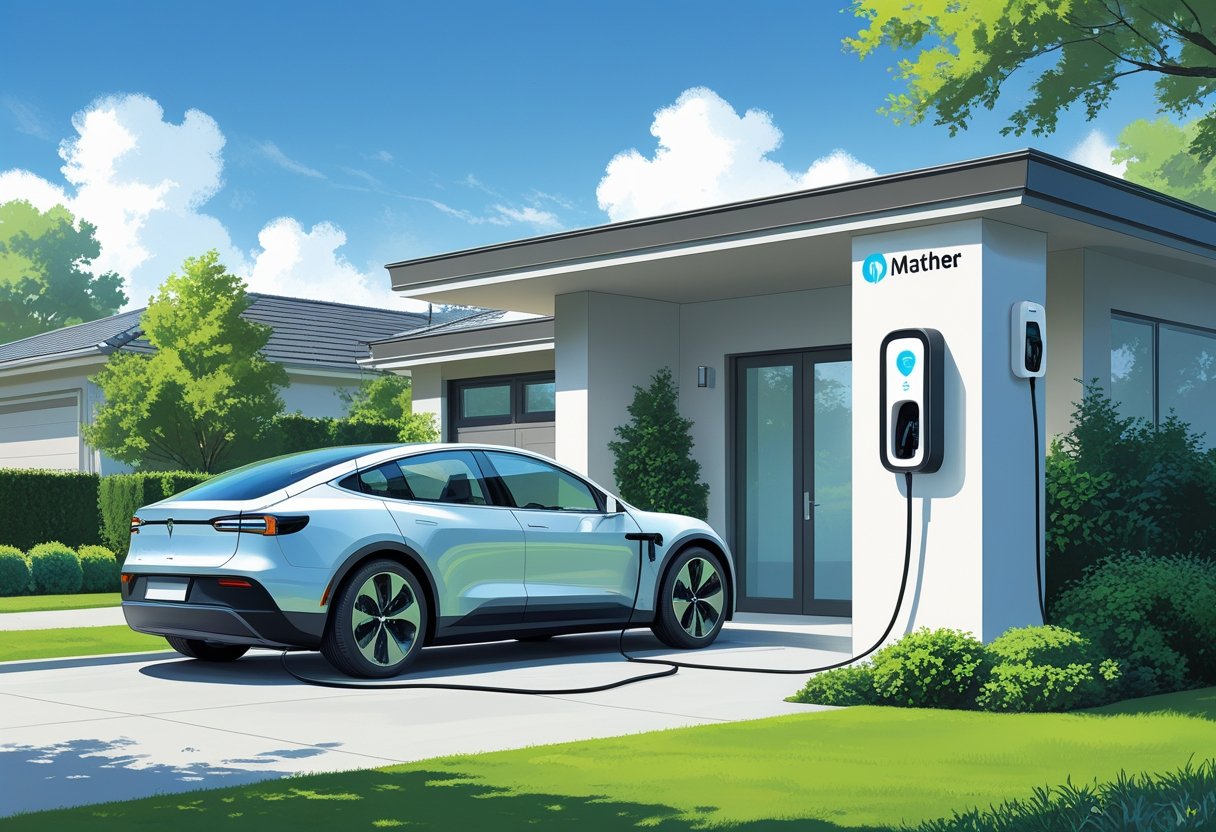
Put the charger so the cable reaches your car’s port without stretching across walkways or dragging on the ground. In the garage, mount it 42–48 inches from the floor and close to a dedicated 240V circuit. For driveways, a wall mount or short pedestal keeps things tidy.
Think about weather and safety: keep chargers out of direct rain or sun, and near motion lights or cameras if you can. In Sacramento and nearby cities, short cable runs mean fewer tripping hazards and lower installation costs.
Nighttime and Off-Peak Charging
Charging overnight uses lower utility rates and eases grid demand. Check your plan for off-peak hours—lots of providers offer cheaper rates from 10pm to 6am. Set your charger to start after off-peak begins.
Need a full battery by morning? Use a delayed start so charging wraps up right before you head out. With time-of-use billing, smart scheduling can really cut costs without messing with your routine.
Integrating With Smart Home Systems
You can link your charger to a smart home hub or app for remote control and monitoring. Use the charger’s app to set timers, check energy use, and get alerts about charging status. If you want to avoid charging during peak demand, connect the charger to your home energy system or smart meter.
Got solar panels or thinking about upgrading? Try to coordinate charging so you use your own solar power first. That way, you’ll use less grid electricity and get more value from both the charger and your solar setup. For any installation, it’s best to call licensed pros—like AAA Electrical Services—for wiring, permits, and safe integration. Let’s be honest: electrical work isn’t the place to cut corners. Keeping your home and family safe is worth it.
Safety Considerations for EV Charger Installation
Make safety your first priority—especially when it comes to the electrical path and weather protection for your charger. Double-check that wiring, grounding, and outdoor seals all meet code so you’re not left with surprises later.
Proper Grounding and Wiring
Your charger needs a dedicated 240V circuit with the right breaker size listed on the label. Use copper conductors sized for the charger’s full-load amps, and install a separate circuit so nothing else competes for power.
Grounding is a must. Connect the charger ground to your home’s grounding electrode system—bond it to the main grounding wire or rod as your local code requires. Use the correct gauge for the grounding conductor, and secure everything with listed clamps or terminals.
Have a licensed electrician check your panel capacity. If there’s not enough room in your main breaker or panel, consider adding a subpanel or upgrading. Ask for a circuit diagram and proof of inspection, just to be sure everything’s up to code.
Weatherproofing Outdoor Installations
If you’re installing outdoors, try to mount the charger under a porch or canopy to limit direct exposure to rain and sun. Pick a charger with a NEMA or IP rating that suits your local weather—IP66 or NEMA 4 usually works well for Sacramento’s rainy spells.
Use weatherproof conduit, gaskets, and outdoor-rated boxes for all cable entries. Seal any wall penetrations with exterior caulk and add a drip loop to the cable so water doesn’t run inside the enclosure.
Mount the unit at the height the manufacturer recommends, and avoid spots that flood. Every now and then, check the seals, fittings, and cord for cracks or corrosion so you can catch problems early. If you’re not sure, AAA Electrical Services can handle the install and make sure everything passes inspection.
Maintaining Your EV Home Charger
Keep your charger clean, check connections, and watch for warning lights. Regular checkups and quick fixes help you avoid bigger headaches and keep charging smooth.
Routine Inspections
Take a look at the charger housing for cracks, rust, or water pooling at least once a month. Wipe it down with a damp cloth and keep ventilation holes clear so it doesn’t overheat.
Before every use, check the cable and plug for cuts, frays, or exposed wires. Look for loose pins or bent connectors—don’t use the charger if anything seems off.
Every few months, check the mounting and conduit for tight fastenings. If it’s wall-mounted, make sure the anchors are still solid and the unit doesn’t move when you tug the cable.
Watch the ground-fault and status lights each time you charge. If they flash or the charger quits mid-charge, tag it and stop using it until you’ve figured out the issue or called a pro.
Troubleshooting Common Issues
If the charger won’t start, check if the breaker tripped. Reset it and try again—if it keeps tripping, don’t keep pushing it. Call an electrician.
If charging seems slow, look at your vehicle’s settings and the charger’s amperage. Make sure your circuit and panel are up to the task; sometimes you’ll need a panel upgrade to get consistent Level 2 speeds.
If connectors won’t fit together, clean the plug and inlet with a soft brush and check for debris or corrosion. Avoid sprays or solvents—if you need to, use an electrical contact cleaner that’s approved for the job.
When you see persistent errors or damage, call a licensed technician. AAA Electrical Services does same-day service, comes with stocked vans, and handles safety-first electrical work.
Sustainable Charging Practices
A few smart choices about energy sources and charging habits can cut your bills and shrink your home’s carbon footprint. Pair your charger with clean energy and manage when and how you charge—it’s good for your wallet and your electrical system.
Using Renewable Energy Sources
Pairing a home EV charger with rooftop solar lets you use clean power for most daily driving. If you already have solar, set your inverter and charger to favor daytime charging so your car pulls from your panels. No solar yet? Consider a portable solar-battery combo or plan for a solar + battery setup next time you update your panel.
Check your city’s permit and interconnection rules—Sacramento-area requirements can vary a lot. A licensed electrician can make sure your panels, inverter, battery, and charger all play nice together. AAA Electrical Services can help you figure out if your home’s ready for solar and keep everything up to code.
Energy Management Tips
Try to shift charging to off-peak hours if your utility offers cheaper rates. Program your Level 2 charger or use a smart app to start charging after 10 PM or whenever rates drop. Just this tweak can make a real dent in your electricity bill.
Don’t always charge to 100%—sticking to 80–90% for daily use keeps your battery healthier and charge times shorter. Planning a road trip? Top off to 100% the night before. Also, keep an eye on your home panel load—don’t run your oven, dryer, or HVAC at the same time as EV charging unless your panel can handle it. A licensed, insured electrician can add a dedicated circuit or upgrade your panel for safer, more reliable charging.
Local Resources and Support for Mather EV Owners
There’s local help for EV charger installation and maintenance across Sacramento County and nearby towns. Local building departments handle permits and safety inspections—check with Mather’s permitting office before you start. It’s a hassle if you skip this step, so don’t.
Look for licensed electricians who know EV chargers and local rules. Safety-first electrical work matters, especially for your family and home. AAA Electrical Services offers same-day service, flat-rate pricing, and certified techs who can check your panel, handle upgrades, and pull permits.
Here’s how to get started:
- Contact your utility for rates or incentives.
- Schedule an electrical panel assessment to check capacity.
- Ask your installer about permits, inspections, and timelines.
Community groups and local government sites sometimes list rebates, EV programs, and workplace charging info. These resources can help with costs and show you nearby charging options while you wait for your home unit. Hang onto permits and invoices—they’re useful for warranty claims or resale.
When picking a contractor, ask about background checks, insurance, and whether they bring stocked vans for quick fixes. Honest pricing and clear communication go a long way. Having a trusted local team makes home charging a lot less stressful.
Frequently Asked Questions
Got questions? Here’s what you should know about electrical upgrades, Level 2 installation basics, typical costs, finding local installers, how the Wallbox Pulsar Plus compares, and whether Lowes installs chargers.
What are the typical installation requirements for a home EV charger?
Most homes need a dedicated 240V circuit and a spot near your parking area.
A licensed electrician should check your panel, wiring, and meter to make sure you’ve got the needed capacity and safety.
If your breaker box is full or underpowered, you might need a panel upgrade.
Permits and inspections are almost always required by local code.
How can I install a Level 2 EV charger at my residence?
Start by having a licensed electrician check your electrical panel and do a site inspection.
They’ll size the circuit, pull permits if needed, and install a dedicated 40–60 amp breaker and wiring.
Mount the charger close to where you park and run conduit or protected wiring.
Finish with testing, labeling, and a code inspection to confirm everything’s safe.
What's the average cost to install an EV charging station at home?
You’re looking at a typical range of about $546 to $2,750, depending on the charger and electrical work.
Simple installs on an existing 240V circuit are cheaper; panel upgrades or long wiring runs can push costs higher.
Don’t forget permit fees, electrician labor, and any needed upgrades when you’re getting an accurate quote.
Ask for flat-rate, upfront pricing so you’re not surprised by the final bill.
Are there professionals near me who can install a fast charger for my electric vehicle?
Yes—licensed electricians in your area can install a fast Level 2 charger.
Look for local, insured, certified installers who handle EV charger installs and pull permits.
AAA Electrical Services covers Sacramento and nearby cities with same-day options.
They offer licensed techs, flat-rate pricing, and stocked vans for quick fixes.
What's the difference between a Wallbox Pulsar Plus and other home EV chargers?
The Wallbox Pulsar Plus is a compact Level 2 charger with Wi‑Fi/Bluetooth features for scheduling and monitoring.
Other chargers might be bigger, offer more power, or have different apps and load management.
Compare power output (amps), connector type, smart features, and mounting style to find what fits your needs.
Pick a charger that matches your car’s onboard charger and your home’s electrical limits.
Does Lowes provide installation services for home EV chargers?
Some big-box retailers set up installation through local contractors, but it really depends on where you live.
It's a good idea to check what your local store offers, and always double-check the installer's license, insurance, and warranty before you commit.
You might just prefer calling a local licensed electrician directly—they'll usually handle permits and stick around for any post-installation issues.
In the Sacramento area, AAA Electrical Services handles certified installation, keeps safety front and center, and lays out their pricing without surprises.