Getting ready for your generator installation appointment can make everything easier and keep your home safe. First things first: clear the installation area and have your permits handy—this way, licensed electricians can get right to work and stick to local codes. If you know where your main electrical panel is and keep the space open, the techs can get the job done faster.
When you book with AAA Electrical Services, you’re not just getting skilled work. You’re getting a safety-focused team that actually cares about your family’s needs. These folks are fully licensed and usually show up with the right parts to fix things on the spot, which means less waiting around if you’re in Sacramento or nearby.
Make these preparations, and you’re setting yourself up for a safe, legal installation that’ll keep your lights on when you need them most.
Understanding Your Generator Installation Appointment
When you book a generator install, you’ll get a clear plan: what’s happening, who’s doing it, and what kind of generator you’re getting. Knowing these basics helps you feel ready and keeps surprises to a minimum.
What to Expect During the Appointment
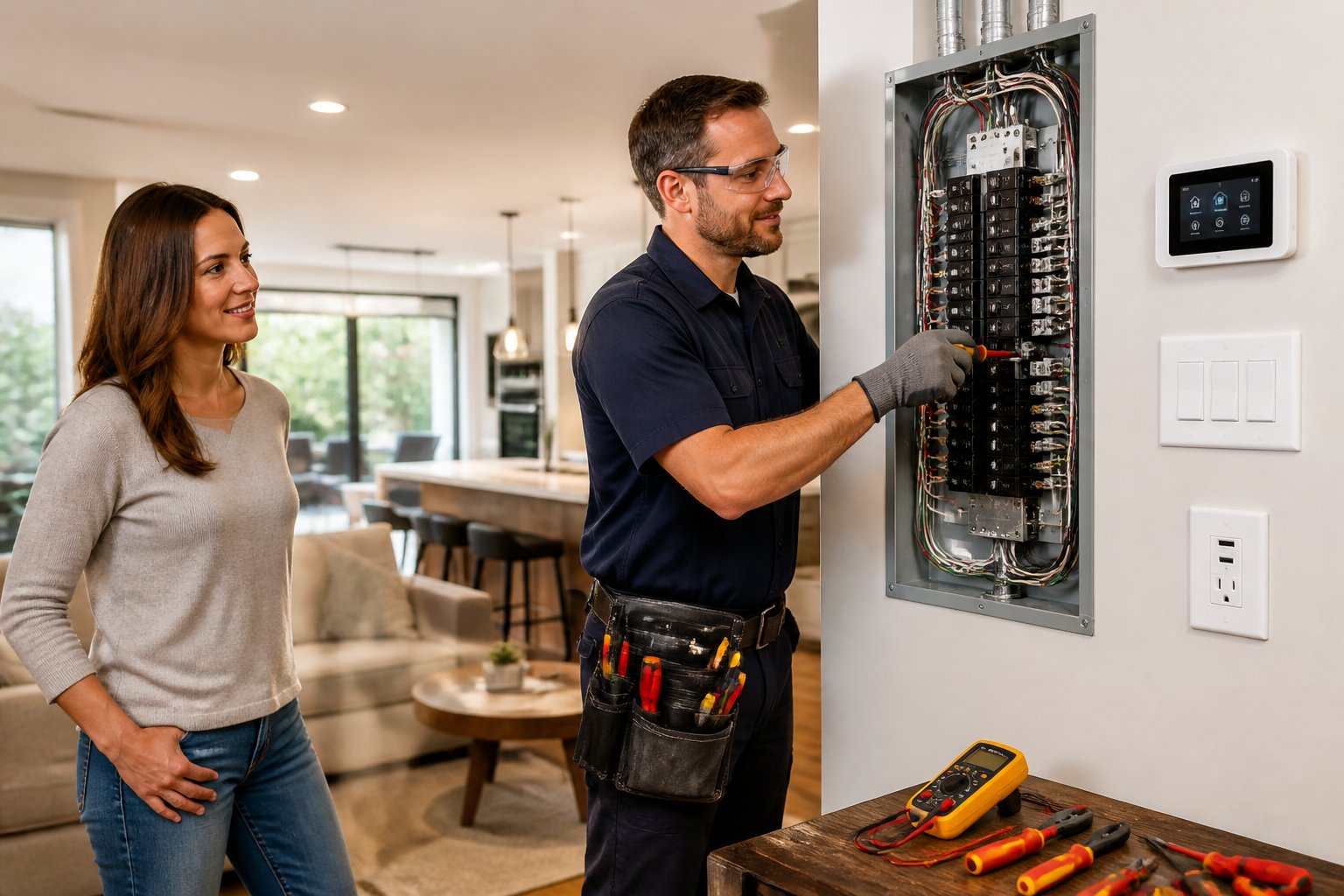
Technicians start by looking over your home’s electrical needs and figuring out the best spot for the generator. They’ll check your panel, take a look at the connections, and make sure everything matches your power requirements.
AAA Electrical Services handles the full setup, including hooking up the generator to the transfer switch. They’ll run a test to see if it kicks in during an outage. Usually, the whole thing takes a few hours, but it can vary depending on your house.
They’ll clean up before they leave, and then walk you through how to operate and maintain your new system. If you’re unsure about anything, just ask—they’re there to help.
Benefits of Professional Installation
Letting licensed electricians handle your generator install means you’re up to code and following safety standards. That’s a big deal—it cuts down on electrical hazards and the risk of bad connections.
AAA Electrical Services brings a lot of experience, so you’re less likely to hit snags. They keep your generator running as it should, especially when you need it most.
You don’t have to mess with permits or wiring, either. The pros take care of those headaches. And usually, you’ll get some kind of service guarantee, which is always nice for peace of mind.
Types of Generators Typically Installed
Most home backup systems use either portable or standby generators. Portable ones cost less but you have to set them up and connect them yourself when the power goes out.
Standby generators get installed outside, permanently. They kick on automatically if you lose power, so you don’t have to lift a finger.
Most standby units run on natural gas or propane. Depending on your needs, they can power just your essentials—like the fridge and lights—or your whole house. Your installer will help you pick the right size to match your place.
Essential Preparations Before the Appointment
A little planning before your installation goes a long way. Gather the paperwork, pick a good spot for your generator, and make sure the installers can get to it without tripping over stuff. These steps can save everyone time and avoid headaches.
Gathering Necessary Documents and Information
Pull together any paperwork about your home’s electrical system. This might be recent inspection reports, a few utility bills, and any permits your city or county wants. If you know your home’s electrical capacity, that’s even better—it helps the installer size your generator right.
If you’ve got details about your electrical panel or records from a previous generator, have those ready too. Jot down which appliances you can’t live without during an outage.
Having this info handy lets AAA Electrical Services focus on your family’s safety and get the job done right.
Selecting the Installation Location
Pick a spot outside that meets code and keeps your generator safe. It should be flat and stable—ideally, on a concrete pad. Don’t put it too close to windows, doors, or vents, or you’ll risk exhaust fumes sneaking in.
Leave at least 3 feet of space around the generator for airflow and maintenance. If you’re unsure, ask a pro to check your yard and suggest the safest spot.
A good location means your generator runs quietly and safely, with less risk of problems during use.
Ensuring Clear Access for Installers
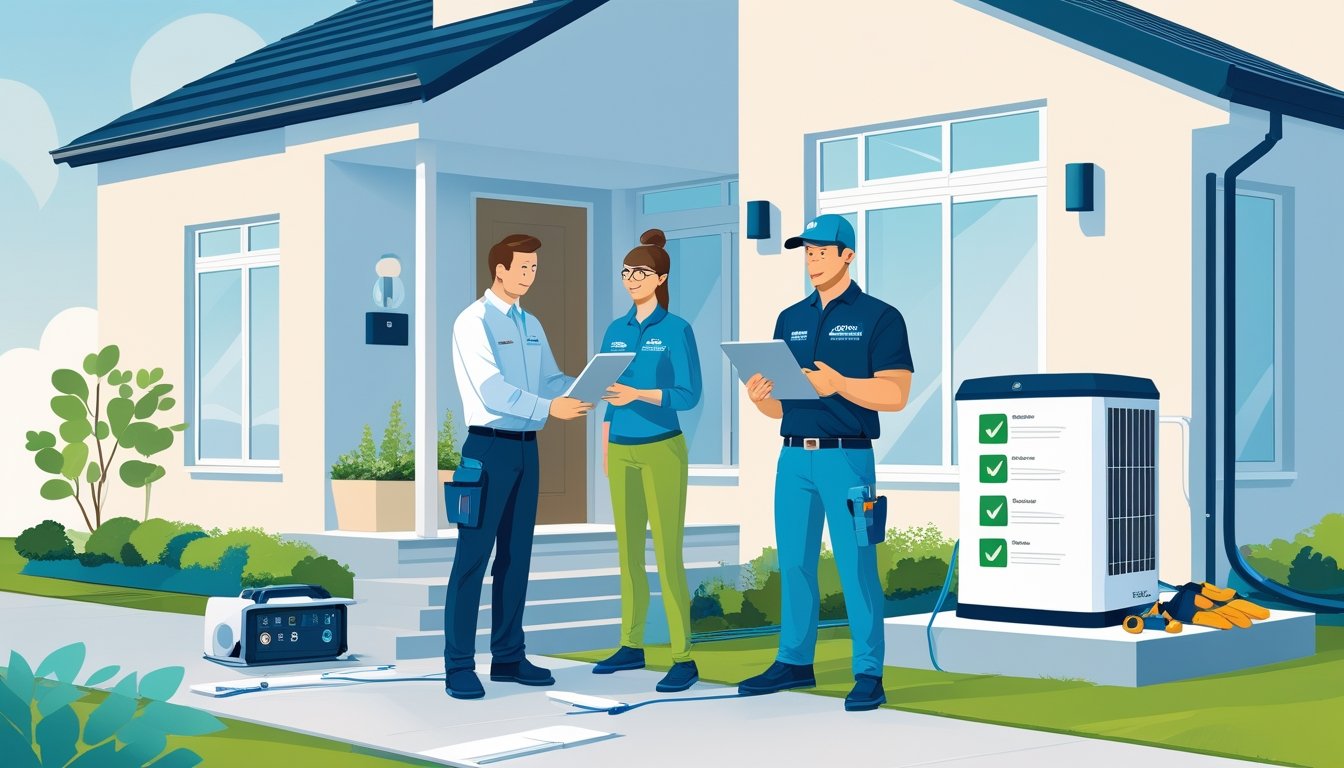
Make sure installers can get to the work area easily. Move any debris, furniture, or cars that could get in the way. They’ll need space to unload gear and set up safely.
Clear the path from your driveway to where the generator will sit. If you’ve got pets, keep them away from the work zone. Let your installer know about any tight spots or fences ahead of time.
When the site’s ready, the AAA Electrical Services team can get in and out faster—and stick to their “clean home certified” promise.
Home Assessment and Site Readiness
Before installation, check that your home’s electrical system can handle a generator and get the site ready. Make sure your panel’s up to the job, follow local rules, and prep a safe spot for the generator.
Checking Electrical Panel Compatibility
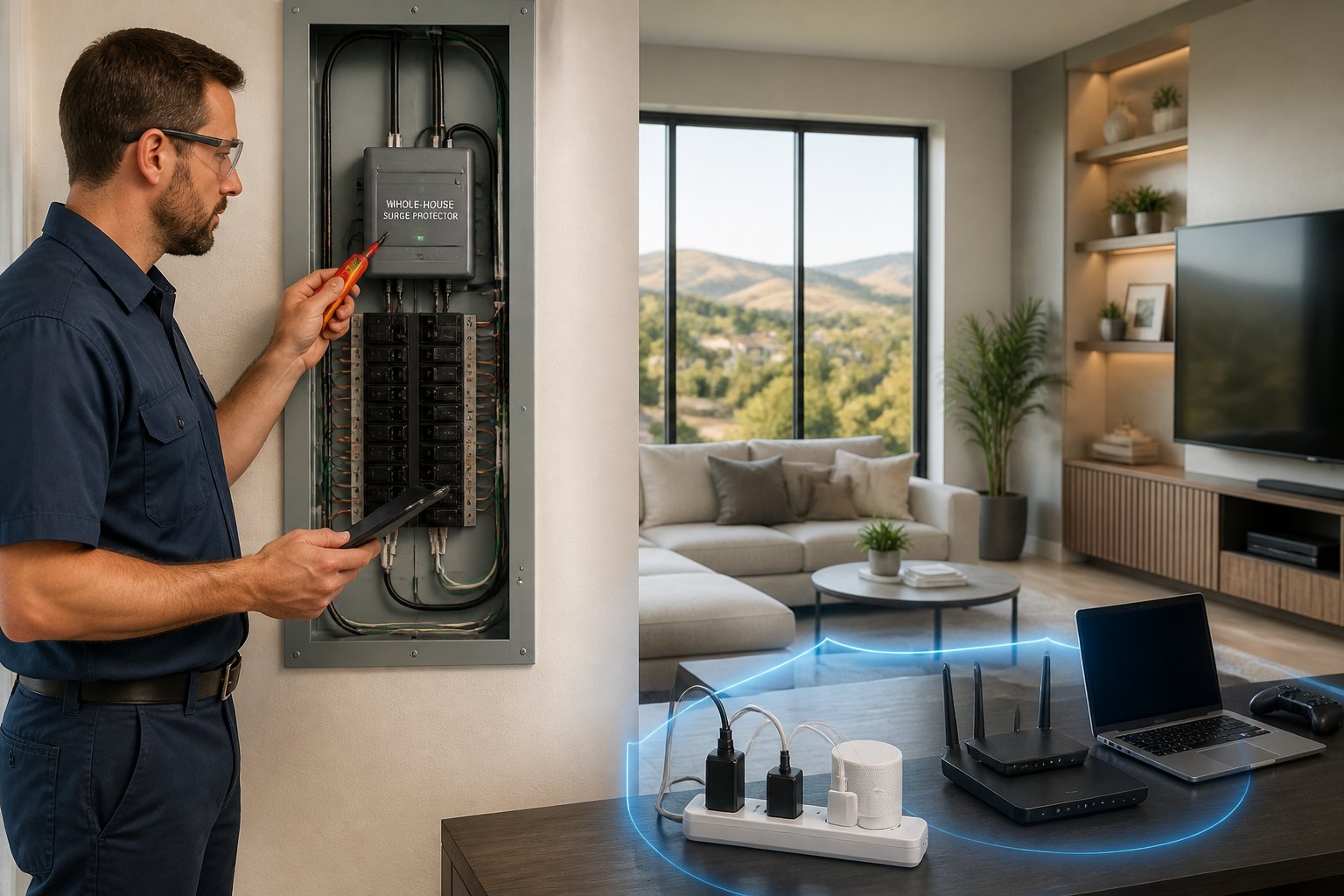
Your electrical panel needs to support the new generator. Since the generator connects through a transfer switch, your panel should have enough space and the right breakers.
Here’s what to look for:
- Open slots for the transfer switch
- Good panel condition—no rust or broken parts
- Amperage rating that matches your generator
If your panel’s old or too small, you might need an upgrade. AAA Electrical Services can check this for you and help you avoid headaches later.
Reviewing Local Codes and Permits
Every city has its own generator rules. You might need permits to stay legal in Sacramento, Roseville, or wherever you are. Skipping permits can cause delays.
Check for:
- Required distances from windows, doors, and vents
- Rules about noise or fuel types
- Special installation practices for your area
Permits usually mean submitting plans and passing an inspection. AAA Electrical Services can walk you through it and keep things simple.
Preparing the Site for Placement
The generator needs a safe, flat, and easy-to-reach spot outside. Keep your family safe from exhaust and make it easy for techs to work.
Prep by:
- Clearing away debris, plants, or bushes
- Making sure the ground is level (concrete pad or gravel is best)
- Checking for overhead wires or water sources nearby
Leave clear access to power sources and the panel for future service. A ready site helps the installation go quickly and without trouble.
Safety Steps for Installation Day
Safety matters—especially when you’re bringing heavy equipment onto your property. Keep your family secure and the work area clear so everything runs smoothly.
Securing Pets and Children
Before the work starts, keep pets and kids away from the area. There’s heavy equipment and electrical work, so you don’t want anyone wandering in.
Set up a room or fenced area where they’ll be comfortable and out of the way. Let your installer know if you’ve got pets that get nervous or protective. That way, everyone’s prepared.
This keeps distractions down and lowers the risk of accidents. Your family’s safety comes first, no question.
Clearing Debris and Obstacles
Tidy up the area where the generator will go. Get rid of any trash, garden tools, or furniture. You want a flat, clean space for safe placement.
Watch for low branches or wires that might get in the way. The more open the area, the easier and safer the job.
A clear workspace helps the team move faster and avoids damage to your property. AAA Electrical Services tries to keep things neat, but a little prep on your part helps a lot.
Shutting Off Power If Required
Sometimes, the main power needs to be shut off briefly for a safe connection. Ask your installer if this is part of your job so you can be ready.
If the power’s going off, turn off sensitive electronics and let your family know. This helps avoid lost data or appliance issues. The installer will take care of it safely and follow all codes.
Knowing what to expect with power shutoff keeps things running smoothly. Trust the licensed pros to handle it safely.
Communication With Your Installer
Good communication makes the installation go smoother. Double-check the details and share any concerns or special instructions upfront.
Confirming the Appointment Date and Time
Double-check your appointment time and date. This helps prevent surprises or scheduling mix-ups. A confirmation call or text from your installer the day before is always helpful.
If you need to reschedule, give as much notice as you can. It makes it easier for everyone to adjust.
Jot the appointment down or add it to your phone calendar. AAA Electrical Services offers same-day service in Sacramento, so clear timing helps them show up when you expect.
Discussing Special Instructions or Concerns
Let your installer know about anything special—like parking, gate codes, or areas to avoid. If you’ve got concerns about noise, pets, or anything else, speak up.
Ask questions if you’re not sure about something. Honest conversation builds trust and helps prevent mistakes. AAA Electrical Services takes your family’s safety seriously and will respect your home from start to finish.
What to Do After Installation
Once your generator’s in place, a few quick steps will keep it working and reliable. It’s worth the effort to check the system and set up regular maintenance.
Final Walk-Through and Demonstration
After the install, your tech will walk you through how everything works. They’ll show you how the generator turns on during an outage.
You’ll see a demo to prove it powers your essentials. This is your chance to ask questions about starting, stopping, or keeping up with maintenance. Don’t be shy—it’s better to ask now.
The tech may also point out emergency procedures and show you where switches and fuel shutoffs are.
Scheduling Maintenance and Service Checks
Routine maintenance keeps your generator ready. Plan for at least one inspection a year.
During service, AAA Electrical Services will check oil, battery, and fuel systems. They’ll clean parts and test the automatic switch.
Set up your maintenance schedule early so you don’t forget. Regular checks can catch small issues before they become expensive repairs.
Ask about membership plans for discounts or quicker service. It’s a good way to keep your generator in top shape without overspending.
Helpful Tips for a Smooth Experience
Getting ready for generator installation is less stressful when you know what to ask and who to call if something comes up. Good questions keep things on track, and having emergency contacts handy helps if you run into trouble.
Preparing Questions for Your Installer
Before your appointment, jot down questions based on your setup. Ask how the generator connects to your electrical panel—and if they’ll use a transfer switch (it’s important for safe power flow and avoiding backfeed).
Find out about the maintenance schedule and any tips for keeping your generator running well. Ask if you need permits in your area and whether the installer handles them.
Ask how long the installation will take and how long your yard will be a work zone. Knowing what to expect helps you plan your day. AAA Electrical Services suggests asking about their safety steps and how they’ll protect your home during the process.
Making a List of Emergency Contacts
Before your installation, jot down emergency contacts where you’ll actually find them when you need them. Include your generator installer, your go-to electrician, and the local utility company. If something weird happens or you notice a problem, you’ll save yourself a scramble.
Definitely write down AAA Electrical Services—having their number can make a huge difference, since their stocked vans and same-day service mean you’re not left waiting. Add in your area’s non-emergency police and fire department contacts, too. You just never know.
Stick the list somewhere obvious, like the fridge or taped right by your electrical panel. It’s a little thing, but it really does make life easier if anything goes sideways during or after the installation.
Frequently Asked Questions
Getting ready for a generator install? There’s more to it than just picking a spot. You’ve got to think about where it’ll go, what you’ll need to buy, safety basics, and making sure you’ve got the right paperwork sorted.
What steps should I take to prepare my home for a generator installation?
First, clear out the spot where the generator will sit. Make sure there’s enough room for both the unit and the installer to move around.
If your technician asks, turn off any nearby power sources on the day. And it’s smart to keep pets and kids out of the area until everything’s done.
Is there anything specific I need to buy before the generator is installed?
Most installation packages include the generator and the transfer switch. Sometimes you’ll need to pick up fuel or a special connector, but your installer will tell you if that’s the case.
Just ask your AAA Electrical Services tech if you need anything extra ahead of time. Saves a headache later.
How should I choose the best location for my new generator?
Pick an outdoor spot with good airflow, close to your electrical panel. Don’t put it right by windows, doors, or vents—nobody wants exhaust sneaking inside.
Set it on a flat, steady surface, and make sure it meets local codes. Your installer can double-check the spot if you’re unsure.
What safety protocols must be followed during the generator installation process?
Let licensed professionals handle all electrical hookups. Grounding and following code isn’t just paperwork—it’s what keeps your house safe.
Wait until the technician finishes and walks you through the safety steps before trying to use the generator.
Can you provide a checklist of things to do on the day of installation?
Sure thing. Clear out any furniture or clutter from the installation area. Have someone home to answer questions for the tech.
Keep pets and kids away, and be ready to flip the main power off for a bit when the installer asks.
Are there permits required for generator installation, and how do I secure them?
In most places, you’ll need a permit before you can install a generator. Your electrical service provider—like AAA Electrical Services—usually takes care of the permit process, which is a relief for most folks.
But if you end up needing to do it yourself, just reach out to your local city or county building department. They’ll have the forms and details you need, though sometimes the process isn’t as straightforward as you’d hope.