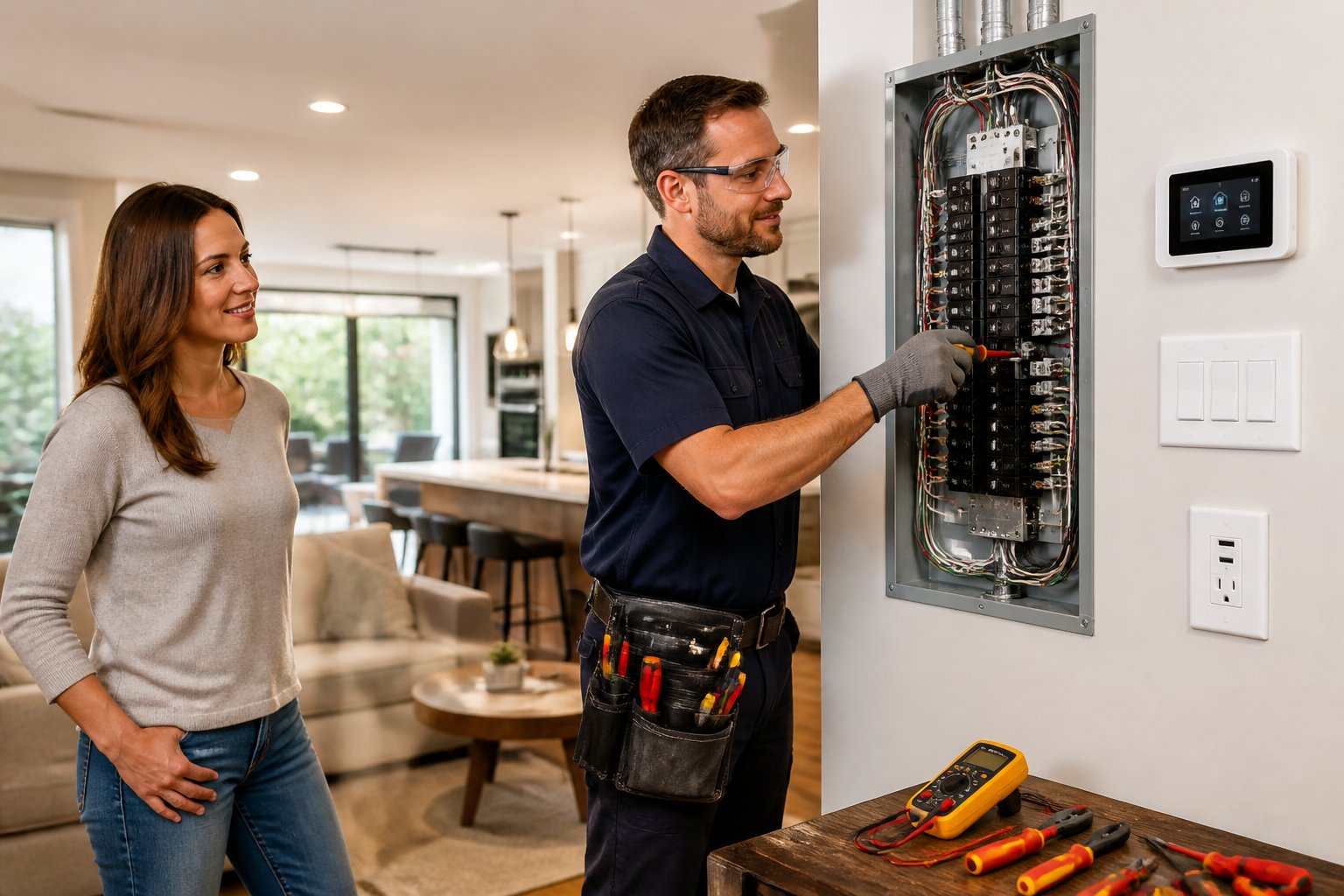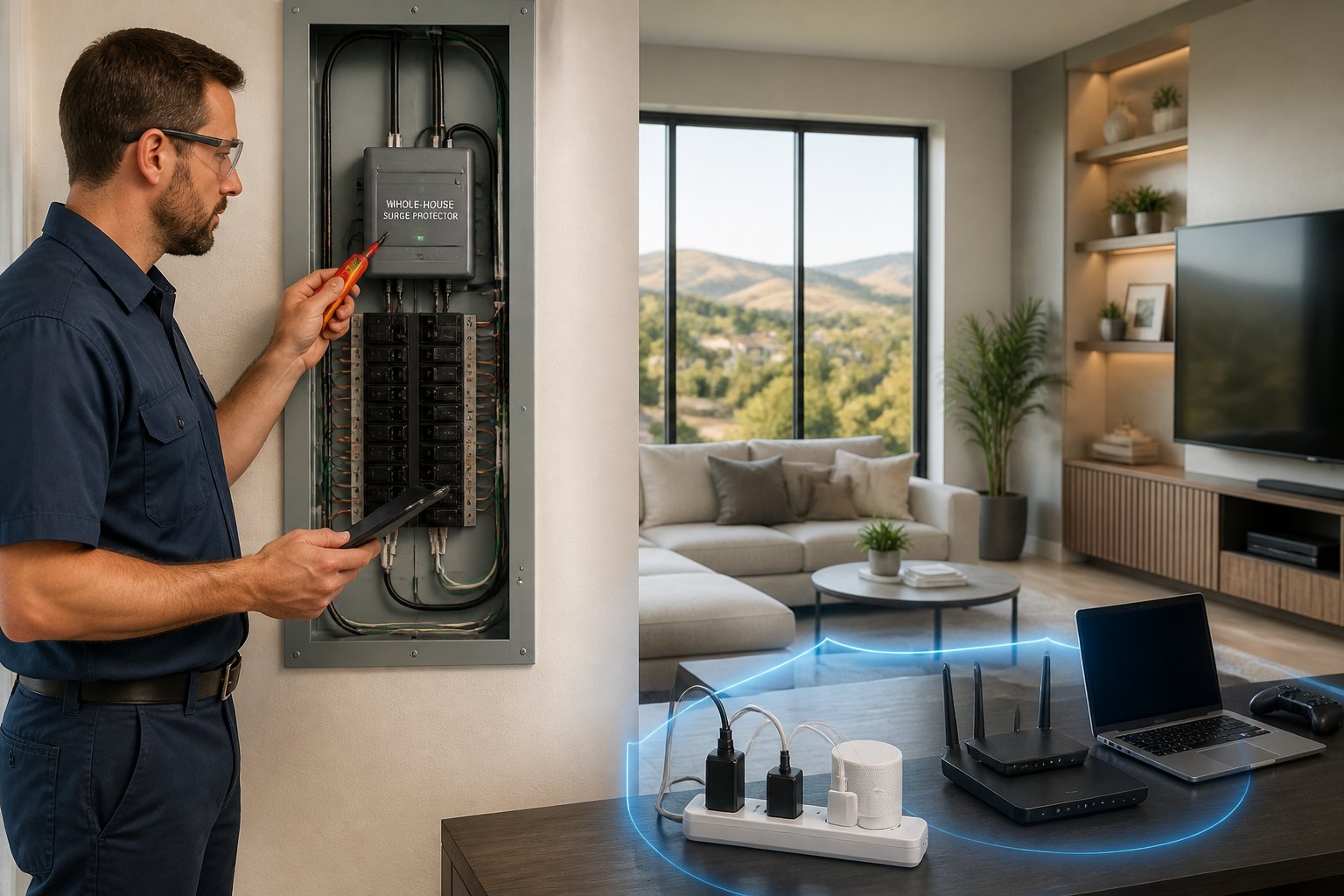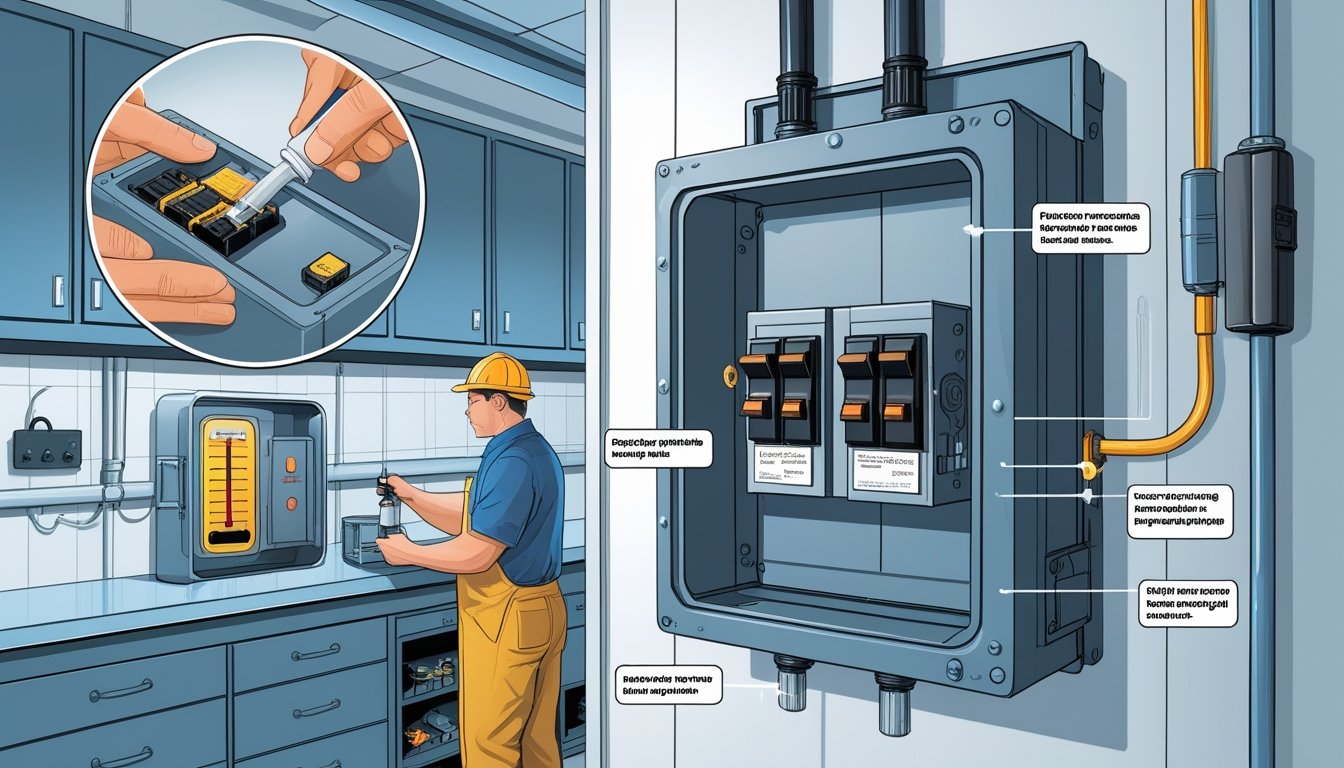
Living in a humid climate makes your breaker box more prone to corrosion, which can lead to real electrical headaches down the line. To prevent breaker box corrosion, keep the area dry and well-ventilated, and schedule regular inspections to catch any early signs of damage. These steps help protect your home’s electrical system and keep your family safe.
Humidity triggers rust and corrosion on the metal parts inside your breaker panel, sometimes causing breakers to malfunction or, worse, creating dangerous electrical faults. At AAA Electrical Services, we’re all about keeping Sacramento-area homes safe with same-day service and repairs you can count on. Our team’s been at this for over 40 years—licensed, honest, and quick to spot corrosion before it snowballs.
Understanding Breaker Box Corrosion
Breaker box corrosion puts your home's electrical safety and reliability at risk. If you know what causes corrosion, what to look for, and the potential dangers, you’re way ahead in keeping your panel (and family) safe.
Causes of Corrosion in Humid Climates
High humidity lets moisture settle inside your breaker box, making metal parts rust and corrode. This gets worse if the box sits in basements, garages, or on exterior walls where air barely moves. When dust or dirt mixes in with the moisture, corrosion speeds up.
Condensation is another sneaky culprit. Warm air hitting a cold breaker box can leave water droplets behind, slowly damaging metal over time. Old or cracked seals on the panel cover let even more moisture sneak in.
So, keeping your breaker box dry and sealed really matters. Installing it in a dry, breezy spot helps a lot. Folks in Sacramento and nearby can have AAA Electrical Services check things out and help keep moisture at bay.
Signs and Symptoms of Corrosion
Corrosion usually shows up as rusty stains or flaky buildup on the metal bits inside your breaker box. Sometimes you’ll spot green or white powdery stuff, especially on wire terminals or breakers. If a breaker feels warm or gets sticky when you try to switch it, corrosion might be messing with it.
You might notice your breaker box tripping more often for no obvious reason. Corrosion can mess up connections, causing shorts or uneven power flow. Sometimes there’s a faint burning smell or a weird buzzing sound from the panel—never a good sign.
If you think you see corrosion, don’t wait. Get a pro to check your breaker box soon. Ignoring these signs just ups the risk of electrical failure or fire.
Risks Associated With Corroded Breaker Boxes
Corroded breaker boxes weaken your electrical system and create safety risks. Corrosion breaks down connections, so your breakers might not trip when they should during an overload or short.
That kind of failure can cause electrical fires, shocks, or fry your appliances and wiring. Moisture-driven corrosion cuts the lifespan of your panel and breakers, so you might have to repair or replace them sooner than you’d like.
Honestly, having experienced pros like AAA Electrical Services handle your electrical work is just smart. Their licensed techs focus on safety, show up with stocked vans, and actually tell you what’s going on. Catching problems early and caring for your panel helps protect your home from corrosion-related hazards.
Effective Prevention Strategies
Protecting your breaker box from corrosion means fighting moisture and exposure. You want the area dry, breezy, and shielded from humidity. These habits keep your electrical system safer, especially if you live somewhere muggy.
Ensuring Proper Ventilation
Ventilation really matters for keeping moisture away from your breaker box. Make sure your panel’s in a spot with decent airflow. Avoid tight, closed-off places where humid air just hangs around.
If your breaker box is in a basement or closet, maybe add vents or a little exhaust fan. That’ll help push out damp air and pull in drier air. Better airflow means less rust and corrosion on your panel’s metal parts.
Tiles, vents, or grilles near the box help air move around naturally. Check these spots now and then and clear out dust or cobwebs. It’s a small thing, but it helps your breaker box last.
Installing Dehumidifiers
In humid areas, a dehumidifier is a real lifesaver for your breaker box. It pulls extra moisture out of the air, keeping things dry and less likely to corrode.
Small, portable dehumidifiers work great for single rooms like basements or utility closets. Try to keep humidity between 30% and 50%—that sweet spot helps prevent dampness without drying things out too much.
Running a dehumidifier during wet months is just a good habit. It makes the space safer for your breaker box and comfier for your family. AAA Electrical Services can help you figure out what kind of setup works best for your home.
Applying Protective Coatings
Adding protective coatings inside and around your breaker box gives you another layer of defense. These coatings keep metal parts from rusting when moisture sneaks in.
Look for corrosion-resistant paints or sprays made for electrical panels. They create a barrier that shields critical components from humidity. Make sure to pick coatings that won’t mess with electrical safety.
Apply the coating carefully and follow the instructions. Focus on screws, metal surfaces, and any exposed wires. If you’re unsure, just call a licensed electrician from AAA Electrical Services—they’ll handle it safely.
Mixing good ventilation, a dehumidifier, and protective coatings can really cut down the risk of corrosion and keep your breaker box in good shape for years.
Routine Maintenance for Breaker Boxes
Keeping your breaker box in shape helps prevent corrosion and keeps your home safer. Regular checks, careful cleaning, and the occasional pro inspection go a long way.
Regular Inspections
Every few months, give your breaker box a once-over for rust, corrosion, dirt, or cracks around the cover or inside. These are early signs that moisture’s getting in.
Check that breakers feel snug and secure. If any are warm or trip a lot, something’s up. Keep the area dry and clutter-free to cut down on humidity and dust.
Jot down what you spot during inspections. That way, if you call AAA Electrical Services for help, they’ll get a clearer picture right away.
Cleaning Procedures
Cleaning your breaker box matters, but you’ve got to be careful. Always turn off the main power before opening the panel—no exceptions. Use a dry, soft cloth to gently wipe away dust and dirt.
Skip liquids or sprays inside the box; moisture just makes corrosion worse. If you see rust or corrosion, call a pro to handle it safely.
Fix any leaks or moisture nearby and consider tossing a few moisture-absorbing packs around the panel. It’s a simple way to keep humidity down and your breaker box protected.
Scheduling Professional Checkups
Even if you’re diligent, a professional inspection once or twice a year is a must. Licensed electricians test breakers and connections to make sure everything’s working right.
AAA Electrical Services offers fast, thorough checkups with licensed, background-checked techs who treat your home with care. They’ll spot hidden corrosion you might miss.
Routine pro care helps you dodge big problems like fires or pricey repairs. Plus, they’ll let you know if your breaker box needs upgrades or a replacement to keep up with your home’s needs.
Upgrading and Sealing Electrical Panels
Keeping your breaker box safe from humidity starts with solid upgrades and tight seals. Making your panel tough against moisture and corrosion means a safer, more reliable electrical system. A bit of weatherproofing and the right parts really make a difference.
Weatherproofing the Breaker Box
You’ll want a weatherproof cover on your electrical panel to keep moisture out. These covers fit snug and block rain, condensation, and humidity from getting inside. Double-check the fit and make sure it’s made for outdoor or damp spots.
Look for cracks or gaps around the door and frame and seal them with weatherproof caulking or gaskets. If you can, put the box in a shaded or sheltered spot to keep rain and sun off it. These moves help you avoid rust and electrical trouble.
AAA Electrical Services recommends regular inspections for wear and tear. They offer upfront pricing and same-day weatherproofing if you need it fast.
Using Rust-Resistant Components
Your breaker box will hold up better if you use rust-resistant parts. Stainless steel panels or those coated with zinc or powder-coated paint fight corrosion. Inside, swap out old parts for circuit breakers and screws made from corrosion-proof materials.
Upgrading to rust-resistant components during repairs helps you avoid constant fixes. Rust raises electrical risks, so investing in better materials keeps things safer. Ask licensed electricians for advice that fits your local weather.
Choosing rust-resistant parts is just smart. With the right materials and pro installation, you protect your family and get peace of mind—especially in humid places like Sacramento.
Environmental and Household Considerations
Stopping corrosion in your breaker box means controlling moisture inside and outside your home. Keep indoor humidity low and make sure water drains away from your house so electrical parts stay dry.
Managing Indoor Humidity Levels
High indoor humidity speeds up corrosion on wires and breakers. Use a dehumidifier in damp spots like basements or laundry rooms. Open windows for fresh air and run exhaust fans in kitchens and bathrooms.
Keep air moving around your breaker box. If it’s in a small room or closet, a fan or vent helps. Don’t put the box near heat sources or places where condensation collects.
Check your breaker panel often for moisture or rust. If you see trouble, call AAA Electrical Services. Their techs show up fast, in uniform, and have the gear to fix problems right away.
Improving Drainage Around the Home
Water pooling near your foundation can push moisture into walls and electrical panels. Check gutters and downspouts to make sure they send water at least 5 feet away from the house.
Slope the soil around your place so rainwater runs off, not toward your breaker box. It’s a basic step, but it really helps.
Fix outdoor pipe or sprinkler leaks fast—even small leaks raise humidity and feed corrosion.
Keep plants and mulch away from your breaker panel’s enclosure. They trap moisture and speed up rust.
Staying on top of maintenance and inspections helps you avoid pricey electrical repairs and keeps your family safer. AAA Electrical Services can help with tailored safety services all around Sacramento.
Frequently Asked Questions
Keeping your breaker box dry and rust-free is key for safety. That means controlling moisture, picking the right materials, checking things often, and sometimes adding protective coatings.
What's the best way to protect my breaker box from moisture?
Keep your breaker box somewhere cool and dry. Make sure the area gets plenty of airflow, and don’t put it near water sources like sinks or humidifiers. Adding a moisture-resistant cover also helps.
Can I use coatings to prevent corrosion in my electrical panel?
Yes, anti-corrosion sprays or protective coatings made for electrical panels help slow rust. Just be careful—only apply them when the power’s off.
Are there any effective dehumidifying practices for circuit breaker areas?
Running a dehumidifier in the breaker box room cuts down on moisture. For really damp spots, a few moisture absorbers or silica gel packs near the panel can help too.
What materials are recommended for preventing humidity damage to electrical boxes?
Go for breaker boxes made from rust-resistant metals like stainless steel or coated steel. Plastic or fiberglass panels also stand up well to moisture in humid climates.
Why does my breaker box show signs of rust, and how do I stop it?
If you see rust on your breaker box, moisture’s getting in and hanging around on the metal. That’s not great. You’ll want to figure out where the dampness is coming from—maybe a sneaky leak or just too much humidity in the area—and sort that out first. After that, scrub off the rust as best you can, then slap on a rust inhibitor so it doesn’t just come back again.
How often should I inspect my breaker box for signs of humidity damage?
Honestly, it’s a good idea to check your breaker box at least twice a year. Just pop it open and scan for any rust, damp spots, or corrosion around the connections. Catching issues early can save you a headache (and your wallet) down the road.
If you’d rather not mess with electrical stuff, reliable inspections and expert help are easy to find. AAA Electrical Services offers same-day support with licensed folks who know their stuff—serving Sacramento and the surrounding areas. Honestly, having pros handle your electrical work just feels safer.