Electrical panel overheating can cause serious problems like power outages and fire hazards. The best way to prevent it is to make sure your panel isn’t overloaded, keep it clean, and have a licensed electrician inspect it regularly.
Pay attention to signs like frequent breaker trips or buzzing sounds. These signs can help you catch issues early.
You might think small flickers or dim lights are just annoyances, but they could mean your electrical system is struggling. Upgrading your panel to handle your home’s power needs and avoiding DIY fixes can keep your system running safely.
Understanding Electrical Panel Overheating
Electrical panels can overheat for several reasons. Knowing what causes this and how to spot the signs can help you act quickly.
Common Causes of Electrical Panel Overheating
Overheating often happens when your panel handles more electricity than it was designed for. Adding new devices like EV chargers or HVAC units without upgrading the panel can cause problems.
Loose or corroded connections inside the panel make heat build up faster. Worn-out breakers or damaged wiring can also cause excess heat.
Dust and dirt inside the panel block airflow and add to the problem.
Signs and Symptoms to Watch For
Watch for buzzing sounds coming from the panel. This noise signals loose connections or electrical issues.
Check if breakers trip often, especially without a clear cause. You may notice a burning smell or discoloration on the panel cover.
Warm or hot surfaces on or near the panel are a warning sign too. These symptoms mean you should call a professional to inspect your system.
Risks and Dangers Associated with Overheating
Overheated panels can cause electrical fires, putting your home and family at risk. Excess heat can damage wiring and appliances connected to the circuit.
If overheating continues, breakers might fail to protect the system properly. This can lead to outages or permanent damage to your electrical setup.
Regular Electrical Panel Maintenance
Keeping your electrical panel in good shape helps stop overheating and other problems. Watch for loose connections, clean dust and debris, and get regular checkups from experts to keep everything working safely.
Routine Inspection Checklist
Check your electrical panel regularly for signs of trouble. Look for buzzing sounds, burning smells, or warm spots on the panel.
Check if breakers trip often without reasons. Make sure all wires and connections are tight and free from rust or corrosion.
Inspect for any cracks or damage to the panel's exterior. Using a flashlight helps you see inside clearly.
Note any unusual signs and address them quickly.
Cleaning and Dust Removal Tips
Dust and dirt can build up inside the panel and cause problems. Always turn off the main power before cleaning to stay safe.
Use a dry, soft brush or a vacuum with a brush attachment to remove dust gently. Never spray water or cleaning liquids inside, as moisture can cause short circuits.
Avoid touching any wiring or components directly. Keeping the panel clean helps it cool properly and reduces the risk of overheating.
Scheduling Professional Inspections
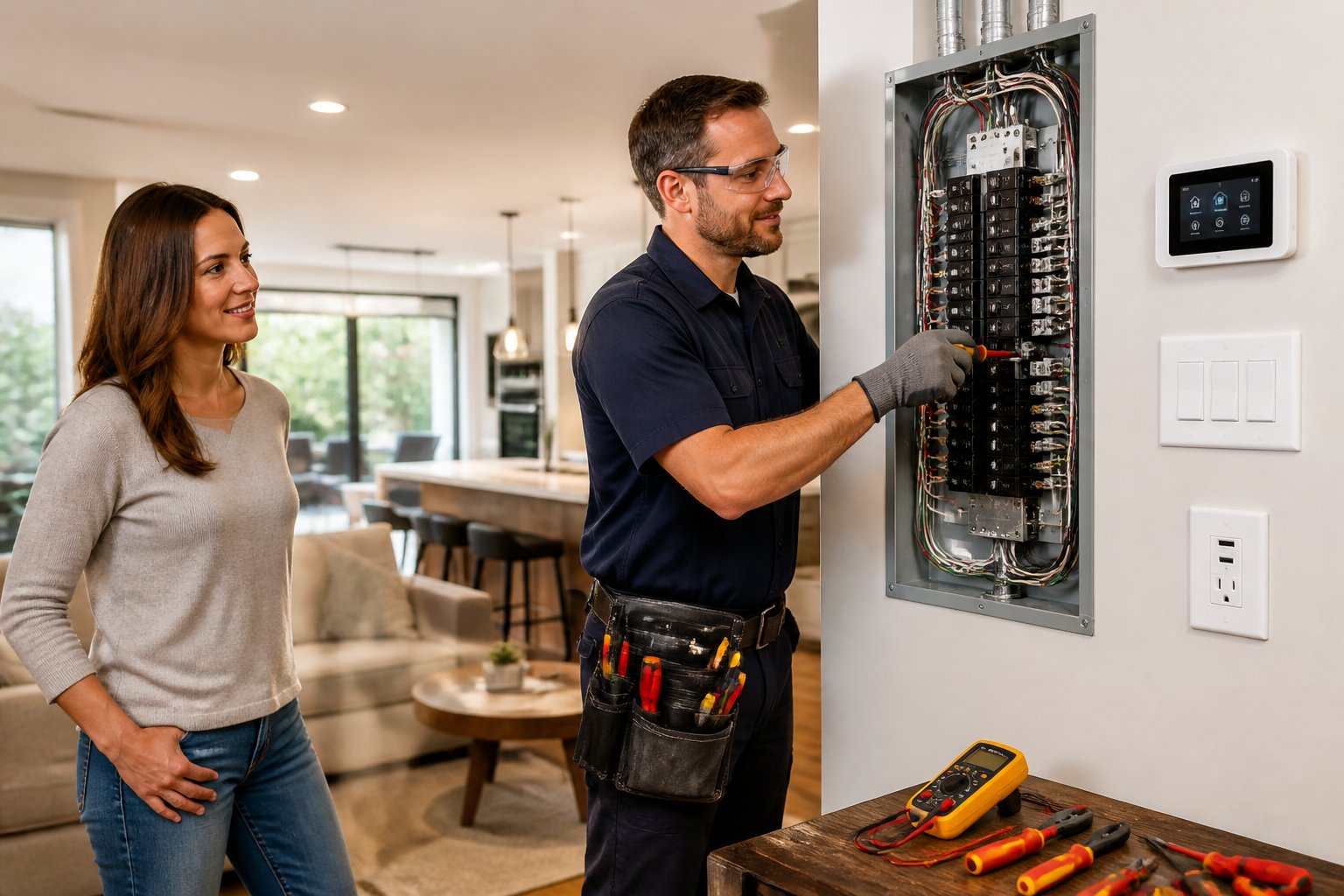
A licensed electrician should inspect your panel yearly. They can test how well it distributes electricity and spot worn or damaged parts.
Professionals tighten connections, replace old breakers, and upgrade any outdated components. They also make sure your panel meets safety codes.
Regular inspections by a pro can catch hidden problems before they cause damage or outages.
Proper Installation and Upgrades
Making sure your electrical panel is installed correctly and upgraded when needed can help stop overheating. You need the right panel size, balanced circuits, and modern parts to keep your system safe and working well.
Choosing the Correct Panel Size
Your panel size must match how much power your home uses. If your panel is too small, it will get overloaded and overheat.
A panel rated for at least 100 amps is common for most homes, but larger homes may need 200 amps or more. When choosing a new panel, think about future needs too.
More appliances or electronics mean more power. Upgrading to a panel with extra capacity helps you avoid overheating problems.
Ensuring Proper Circuit Loading
Each circuit in your panel should carry a balanced load. If one circuit has too many devices, it will trip breakers often and cause heat buildup.
Spread electrical use evenly across circuits. Avoid plugging many high-power appliances into the same circuit.
Regularly check your breakers to make sure none trip frequently. That’s a sign of an overloaded circuit.
Updating Outdated Components
Old panels and breakers can wear out and cause overheating. Parts like breakers may weaken and fail to shut down when needed, increasing the fire risk.
If your panel shows signs like buzzing, burning smells, or frequent breaker trips, replace the old parts or upgrade the whole panel. Modern panels have better safety features and can handle today’s power demands more safely.
Improving Electrical Panel Ventilation
Keeping your electrical panel cool helps it run safely and last longer. Place the panel in a good spot for airflow, add proper ventilation, and make sure nothing blocks air around it.
Optimal Location for Airflow
Choose the right spot for your panel. Place it where air can move freely.
Avoid tight corners, small closets, or spaces with no windows. Rooms with good ventilation or near vents work better.
If your panel is in a basement or garage, make sure the area does not get too hot or humid. Keep the panel away from heat sources like water heaters or direct sunlight.
Ventilation Solutions for Panels
If your panel is in a room with limited airflow, add ventilation. Install vent grills near the panel to help air move in and out.
Using a small fan designed for electrical setups can also cool down the panel. Vented panel doors with built-in vents increase airflow.
Choose vents that meet safety standards to avoid dust or moisture getting inside the panel.
Avoiding Obstructions Around the Panel
Keep the area around your panel clear. Don’t stack boxes, tools, or anything else close to it.
Obstructions block air circulation and can cause heat buildup. Make sure nothing leans against the panel or covers the vents.
Keep at least 3 feet of clear space in front of the panel for safety and cooling. This space also helps you reach the panel quickly during an emergency.
Avoiding Electrical Overloads
To keep your electrical panel from overheating, learn how to spot when circuits are overloaded and use circuit breakers correctly. Doing this helps prevent damage and keeps your home safe from electrical problems.
Identifying Overloaded Circuits
Overloaded circuits happen when you plug in too many devices on one line. You might notice your lights flickering or your breakers tripping often.
These are clear signs that a circuit is carrying too much power. Look for appliances that use a lot of electricity, like heaters, air conditioners, or kitchen gadgets.
If they share the same circuit, this can cause overloads. Move some devices to other outlets or unplug things you don’t need.
If you smell burning or see scorch marks around outlets, this is serious. Stop using that circuit until an electrician checks it.
Using Circuit Breakers Appropriately
Circuit breakers protect your wiring. They switch off the power when the current gets too high.
If your breakers trip too often, your panel might be struggling. Never reset a breaker more than once without fixing the cause.
If it trips again quickly, the problem is still there. Using a breaker that is too weak or old can cause it to trip unnecessarily, while faulty breakers might not trip at all.
Make sure your breakers match the capacity of your circuits. For example, a 15-amp breaker should only protect wiring designed for 15 amps.
Using the right breaker helps avoid overheating and keeps your home safe.
Safe Electrical Practices for Homeowners
To keep your electrical panel from overheating, watch for warning signs and always use safe habits around your home’s electrical system. Knowing when to get professional help and how to handle electrical devices safely protects you and your family.
Recognizing When to Call an Electrician
If your breaker panel buzzes, feels hot, or the breakers keep tripping, you need a professional. Overheating can lead to fire hazards or damage to your home’s wiring.
Do not try to fix wiring issues yourself unless the power is completely off. Faulty repairs can cause serious shocks or more problems.
If your electrical panel is old or keeps malfunctioning, it might be time to upgrade. A certified electrician can check for hidden issues and suggest the safest solutions.
Staying Safe Around Electrical Equipment
Always keep your hands dry and stand on a non-slip surface when working near electrical panels or outlets. Never touch electrical equipment barefoot or with wet hands.
Avoid overloading circuits by plugging in too many devices at once. Use extension cords carefully and never run them under rugs or across traffic areas.
Turn off the power before changing fuses or resetting breakers. If you hear popping sounds or see sparks, step back and call a professional immediately.
By following these safe habits, you reduce your risk of shock or fire in your home.
Monitoring and Detection Technologies
Watching your electrical panel’s temperature helps catch problems early. There are smart ways to spot hot spots and changes in heat before they cause damage.
Thermal Imaging for Hot Spots
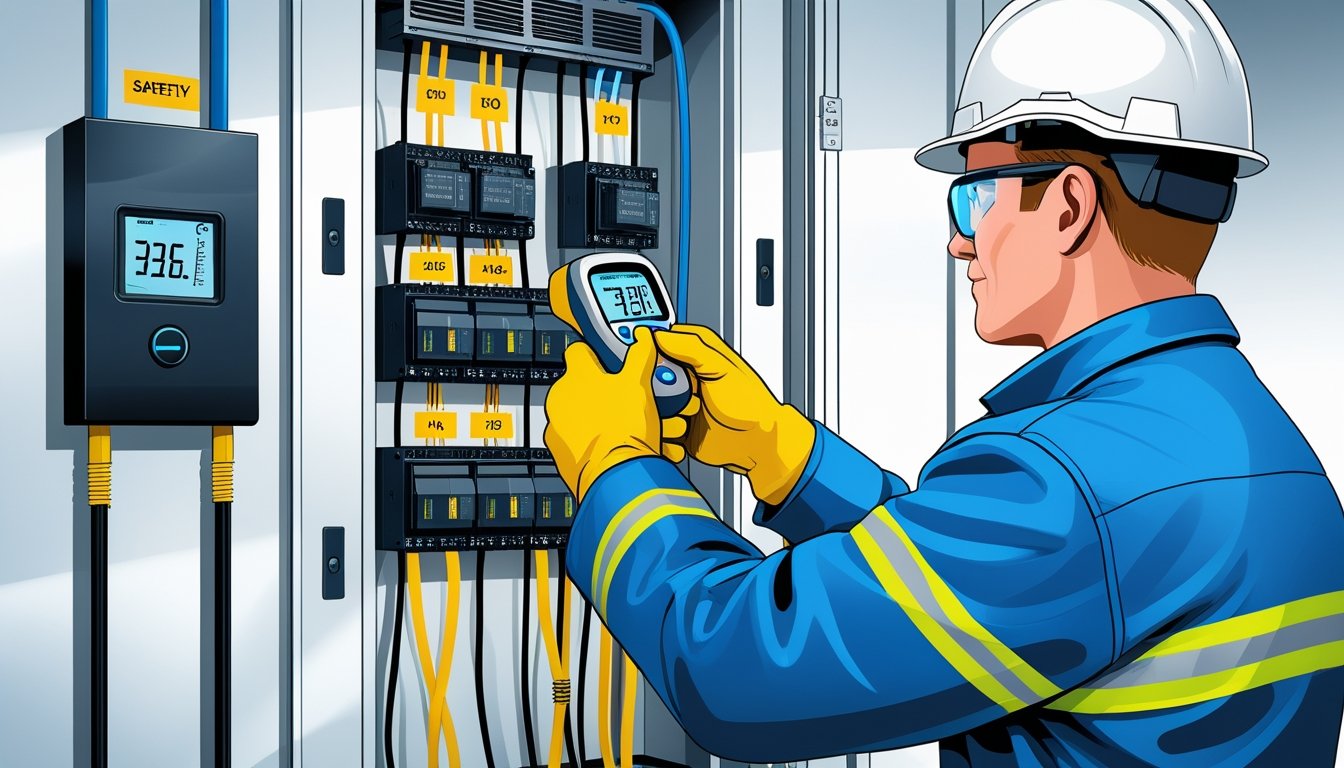
Thermal imaging cameras detect heat without touching the panel. You can see hot spots that aren’t visible to the eye.
These areas might show loose connections, overloaded circuits, or worn parts. Using thermal imaging regularly lets you find overheating early.
You can then plan repairs before problems get worse. Many handheld thermal cameras show color changes clearly, making it easy to spot trouble.
Smart Sensors and Monitoring Devices
Smart sensors track temperature and electrical load in real time. They send alerts to your phone or computer if they detect unusual heat or changes.
Some sensors connect with breakers and offer detailed info about current and voltage. This helps you see if any circuit is working too hard.
Installing these devices can save you time and money by preventing overheating damage. They give you constant monitoring without checking the panel yourself.
Key features:
- Real-time temperature tracking
- Load monitoring
- Alerts for overloads or heat buildup
- Easy installation on existing panels
Responding to Electrical Panel Overheating
If your electrical panel is overheating, act quickly and carefully to avoid damage or danger. Know what steps to take right away and how to prevent future problems.
Immediate Actions to Take
First, turn off the main breaker to stop the flow of electricity. This reduces the risk of fire or further damage to the panel.
Avoid touching the panel or breakers if you see sparks, smoke, or feel heat. Check for any obvious problems like loose wires or a buzzing sound.
If you spot these or if the panel remains hot after shutting off power, do not try to fix it yourself. Call a licensed electrician immediately.
They have the training to safely inspect and repair the overheating issue. Trying to repair an electrical panel on your own can be dangerous.
Long-Term Prevention Strategies
To prevent overheating, keep your panel clean and dry. Avoid placing it near water or in humid areas because moisture can cause short circuits and corrosion.
Schedule regular electrical inspections to spot problems early. An electrician can tighten connections and replace worn parts before they overheat.
Upgrade your panel if it cannot handle your current electrical load. Modern homes with devices like EV chargers or new HVAC systems often need panels with higher amperage.
Never overload your circuits. Turn off or unplug devices that cause breakers to trip frequently.
Frequently Asked Questions
What are the best practices for maintaining my home's electrical panel to avoid overheating?
Keep your panel clean and dry. Have a professional check for loose connections or corrosion.
Avoid overloading circuits by spreading out your electrical use.
How often should I have my electrical panel inspected to ensure it's functioning safely?
Get your panel inspected every 1 to 3 years. If you notice flickering lights or frequent breaker trips, ask for an inspection sooner.
Can installing a cooling system help in preventing my electrical panel from overheating?
Most homes do not need cooling systems for panels. If your panel is in a hot or poorly ventilated space, use fans or improve airflow to reduce heat.
What are some common signs that my electrical panel might be at risk of overheating?
Look for buzzing noises, burning smells, warm or hot panel covers, and breakers that often trip. Flickering lights can also be a warning.
Are there specific electrical panel brands or models that are less prone to overheating issues?
Choose panels from trusted manufacturers who meet safety standards. Older or cheap models may not handle power well and could overheat more easily.
How does proper electrical load management contribute to preventing panel overheating?
Balancing power use across your circuits keeps each part from getting too hot.
Do not plug too many high-power devices into the same circuit.