Preventing overloaded circuits at home keeps your family safe and avoids costly electrical problems. The best way to stop overloaded circuits is by spreading out your power use, avoiding too many devices on one outlet, and making sure your electrical panel can handle your home's needs.
When circuits get overloaded, breakers trip to protect your home. Repeated trips can signal bigger issues like faulty wiring or an outdated panel.
Understanding how to manage your electrical load can save you from unexpected power outages and potential fire hazards. AAA Electrical Services, serving Sacramento and nearby areas, offers expert advice and quick repairs to help you maintain a safe electrical system.
With over 40 years of experience, their licensed technicians ensure your home’s circuits work properly and safely. This gives you peace of mind.
Understanding Electrical Circuits
Electrical circuits bring power safely to your home. Knowing the parts of a circuit and how the electrical load works can help you avoid problems.
This knowledge lets you take simple steps to keep your home safe. It also helps your devices work well.
Basic Circuit Components
Every electrical circuit has a few key parts. The power source (usually your home's electrical panel) sends electricity through wires.
The wires carry this power to your outlets and devices. The load is any device or appliance that uses electricity, like lights or refrigerators.
A switch controls whether the electricity flows or stops. To stay safe, the circuit includes a circuit breaker or fuse.
These devices cut off power when too much electricity flows. This prevents damage, fires, or electrical shocks.
If a part is faulty or the flow is too high, safety devices trip to protect your home.
How Electrical Loads Work
Each device in your home needs a certain amount of power, measured in amperes (amps). When you turn on multiple devices at once, their total amps add up.
Your circuit can only handle a certain amount of amps safely. If the total power demand goes over this limit, the circuit becomes overloaded.
For example, if a 15-amp circuit powers a heater and several lights, the total amps may exceed 15. This can cause the breaker to trip.
Balancing how much load you place on each circuit helps keep everything safe. Avoid plugging many appliances into one outlet or extension cord.
Common Causes of Overloading
Overloading happens most often when too many devices run on one circuit. Common causes include:
- Using multiple high-power devices, like space heaters or air conditioners, on the same circuit.
- Old wiring or electrical panels unable to handle modern power needs.
- Faulty devices that draw more power than usual.
- Extension cords or power strips overloaded with several devices.
Ignoring these signs can cause frequent breaker trips or even electrical fires.
AAA Electrical Services can help you check your circuits and panels. Their licensed technicians offer fast, same-day service with honest pricing to protect your family and home.
Signs of an Overloaded Circuit
When your home's electrical system is overloaded, it often shows specific warning signs. Recognizing these early can help you avoid bigger problems like electrical fires or damage to your devices.
Pay attention to how your breakers behave, how your lights act, and any heat around outlets or switches.
Frequent Circuit Breaker Trips
If your circuit breaker keeps tripping, it means the circuit is drawing more power than it can safely handle. Breakers cut power before wires overheat and cause damage.
Frequent trips often happen when too many devices run on the same circuit at once. This is a clear signal your electrical panel or wiring may need an upgrade.
Having AAA Electrical Services check your system can help you pinpoint the cause and keep your family safe. Breakers tripping often can mean your load is too high or there is a fault somewhere.
Flickering or Dimming Lights
When lights flicker or dim, especially in one room or near certain outlets, it’s usually a sign of an overloaded circuit. This happens because the voltage drops when too many devices draw power at the same time.
Flickering can also indicate loose connections or aging wiring. If you notice this happening regularly, don’t ignore it.
These issues increase fire risk and cause unnecessary wear on your electrical system. A professional inspection from a licensed team—like AAA Electrical Services—can find the cause and suggest solutions, like spreading out your electrical load or upgrading your panel.
Overheated Outlets and Switches
Outlets or switches that feel warm or hot to the touch are serious warning signs. Overheating often means the wiring or outlet is handling more electricity than it was designed for.
This can lead to melted parts, sparks, or even fire hazards. Check your outlets regularly, especially where you plug in many devices or appliances.
If you experience this, unplug devices immediately and call a licensed electrician. Fixing overheated outlets early keeps your home safe and prevents costly repairs later.
Evaluating Your Home's Power Needs
Knowing exactly how much power your home uses helps you avoid overloaded circuits. It means looking at your total electrical demand and spotting which appliances use the most energy.
Doing this makes it easier to plan upgrades or changes that keep your home safe.
Calculating Electrical Load
Start by adding up the wattage of everything plugged in at your home. Check labels on appliances and devices to find their power use, measured in watts (W).
Include lights, kitchen gadgets, heaters, and electronics. A simple way is to list out each item and note its wattage.
Then add up these numbers to get a rough total load. Compare this total to your main breaker’s capacity—often 100 or 200 amps.
Breakers sized too low for your demand will trip often. If you find your load near or above your panel’s max, it might be time to upgrade.
This helps prevent trips and keeps your home safe from electrical hazards.
Identifying High-Wattage Appliances
Look closely at appliances that use a lot of energy at once. Common examples are:
- Electric ovens and stoves
- Space heaters
- Air conditioners
- Water heaters
- Clothes dryers
These devices often need their own dedicated circuit. Sharing a circuit with other items can overload the wiring.
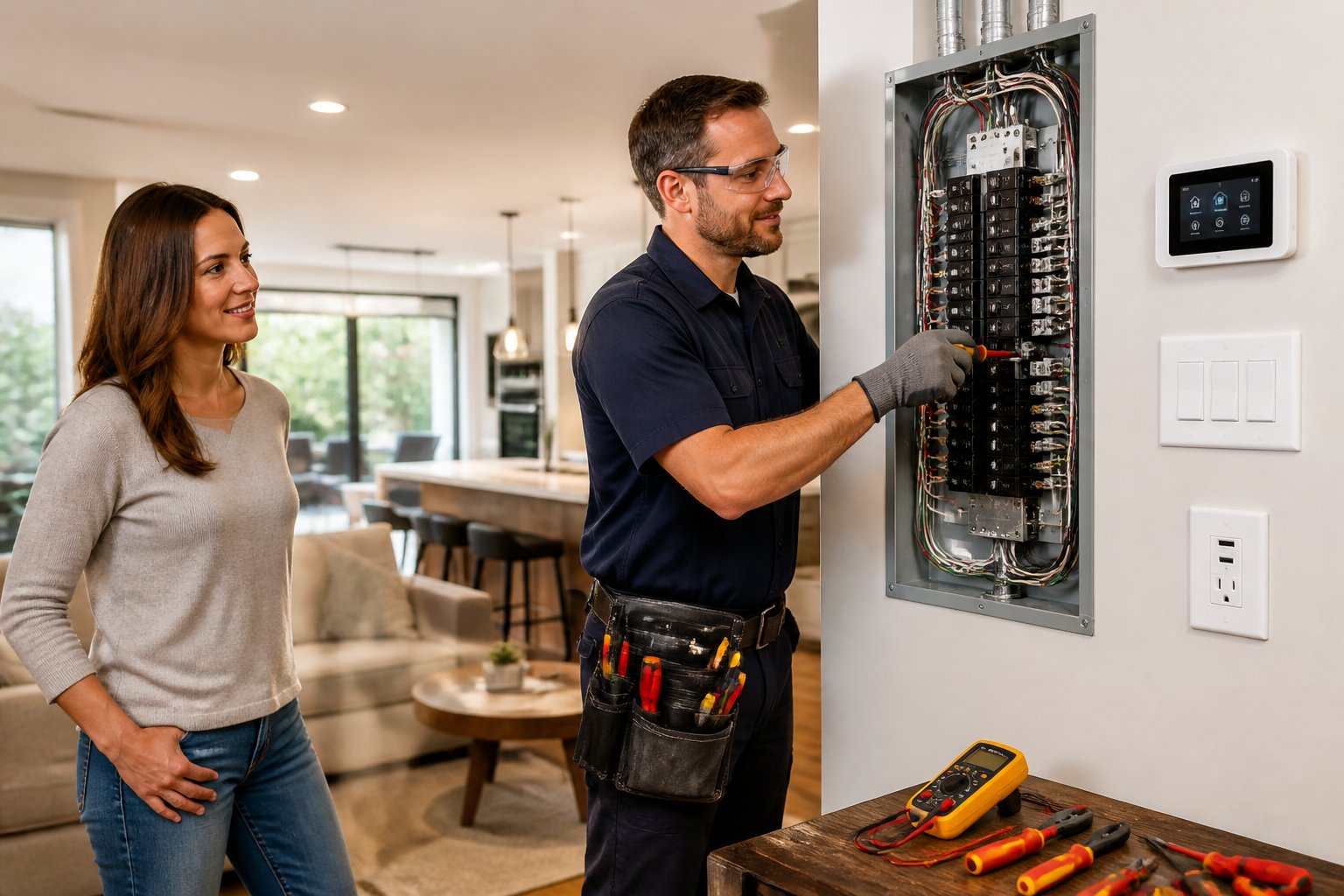
Check your circuit breaker panel for labels or marks showing which circuit serves which area or appliance. When you add new high-wattage equipment, such as an EV charger, your existing panel might not handle the extra load.
That’s a good time to call experts like AAA Electrical Services to check if your system needs upgrading.
Mapping Circuit Usage
Next, identify how your home's circuits are currently divided. Turn off one breaker at a time and note which rooms or appliances lose power.
This helps you map which circuits serve what areas. Knowing this lets you spread out heavy loads.
For example, avoid using multiple high-watt devices on the same circuit. Keeping circuits balanced reduces the chance of overloads and breaker trips.
Use a simple table to record circuits and connected rooms or appliances:
Circuit NumberRooms/Appliances Served 1Kitchen outlets and lights2Living room outlets3Washer and dryer4HVAC system
If your circuits aren’t labeled or this process feels confusing, a professional inspection can help. AAA Electrical Services offers thorough electrical inspections across Sacramento and nearby areas.
Safe Electrical Practices at Home
Preventing overloaded circuits means managing how you use power strips, placing appliances wisely, and timing their use. These actions can keep your electrical system safe and working well.
Avoiding Daisy-Chaining Power Strips
Never plug one power strip into another. This practice, called daisy-chaining, can easily overload your outlets and cause breakers to trip or create fire hazards.
Each power strip has a limit to how much power it can handle. Connecting them multiplies the risk.
Use only one power strip per outlet and check the strip’s rating to make sure it matches the devices you’re plugging in. Avoid high-power items like heaters or microwaves on power strips.
Always unplug power strips when not in use. AAA Electrical Services recommends using quality strips with surge protection.
Proper Placement of Appliances
Place heavy appliances like refrigerators, microwaves, and air conditioners on separate circuits whenever possible. These devices draw a lot of power and can overload regular outlets if grouped together.
Keep appliances plugged directly into wall outlets, not extension cords or power strips, especially for those with high power needs. Avoid clustering many devices in one area.
This spreads the electrical load and reduces chances of overloading. Ensure vents and fans aren't blocked to help appliances run efficiently.
Arranging your appliances correctly helps maintain steady power and prevents overheating of wires.
Scheduled Appliance Use
Avoid running multiple high-energy appliances at the same time. For example, don’t use your oven, dishwasher, and washing machine all at once.
Staggering their use helps prevent sudden spikes that overload your circuits. Create a simple schedule to run big machines during different times, like dishwasher during the day and laundry at night.
This lowers the risk of breaker trips and keeps your home safer. If you notice frequent breaker trips, it might be time to call AAA Electrical Services for a panel inspection.
Upgrading and Maintaining Electrical Systems
Keeping your home’s electrical system up to date is key to avoiding overloaded circuits. This includes setting up the right circuits and upgrading your breakers when needed.
Regular professional inspections help protect your home and keep your power running smoothly.
Installing Dedicated Circuits
Dedicated circuits are just for certain high-power areas like kitchens, home offices, or entertainment centers. When you have separate circuits for heavy devices like microwaves, computers, or gaming systems, you reduce the risk of overloading a single circuit.
Without dedicated circuits, too many devices sharing one circuit can cause breaker trips or power flickering. Installing these circuits means your electrical system handles the load better and runs more safely.
If you’re adding outlets or new appliances, consider asking an expert to set up dedicated circuits. This small step can stop problems before they start.
Upgrading Circuit Breakers
Circuit breakers protect your home by cutting power if there’s too much electricity flowing. If your breakers trip a lot, your electrical panel may need an upgrade.
Newer breakers can manage more power, helping to prevent frequent trips and overloads. Upgrading to a higher capacity panel, like from 100 to 200 or 300 amps, might be necessary if you’ve added devices or appliances over the years.
This upgrade improves safety and gives you room to add future electrical needs. A licensed professional can handle installation and ensure everything meets local codes.
Professional Electrical Inspections
Licensed electricians can catch problems early, such as worn wiring or outdated panels. These inspections help spot circuits that might be overloaded or breakers that need replacing.
A detailed inspection provides a clear picture of your electrical system’s health. AAA Electrical Services offers thorough home inspections in Sacramento and nearby areas.
Their technicians explain issues clearly and offer honest advice on upgrades or repairs. Scheduling an inspection every few years keeps your system safe and avoids sudden power problems.
What to Do if You Suspect an Overload
If your circuit breaker trips often, lights flicker, or outlets feel warm, these are signs your electrical system might be overloaded. Taking quick and careful steps can keep your home safe and prevent damage.
Immediate Safety Steps
First, turn off or unplug devices causing the overload. Avoid touching breakers or outlets that feel hot.
If the breaker trips, reset it only after unplugging some devices to reduce the load. Check for any burning smells or sparks.
If you notice burning smells or sparks, leave the area and call a professional immediately. Keep children and pets away from the affected area until it’s safe.
Open windows if there is any smoke or a burning smell. Don’t use water near electrical parts.
Reducing Load on Affected Circuits
Spread out electrical devices across multiple circuits to prevent overloads. Avoid plugging many high-power items into the same outlet or power strip.
For example, don’t run a heater, toaster, and microwave on one circuit. Unplug devices you don’t need running at the same time.
Use a power strip with built-in circuit protection to help prevent future overloads. Label your breaker box to know which circuits control certain rooms or appliances.
This helps you balance the load and avoid crowding one circuit with too many devices.
Contacting a Licensed Electrician
If overload signs continue, call a licensed electrician like AAA Electrical Services. Their technicians can inspect your wiring and panel to find risks before they cause damage.
AAA Electrical Services offers same-day service with stocked vans, so they fix your problem fast. They provide fair, flat-rate pricing and put your family’s safety first.
An electrician can recommend upgrades like a new panel or installing additional circuits. These options help prevent overloads long term and keep your family safe.
Long-Term Strategies for Prevention
Preventing overloaded circuits keeps your home’s electrical system safe and reliable. Regular maintenance, teaching your family about safe electricity use, and planning upgrades all help protect your home.
Routine Maintenance Checks
Check your electrical system regularly to spot problems before they turn into hazards. Look for signs like flickering lights, warm outlets, or frequently tripped breakers.
These can signal poor connections or overloaded circuits. Set a schedule to inspect power strips and extension cords.
Replace any damaged cords, and avoid running cords under rugs or furniture where heat can build up. Keep your breaker panel clean, dry, and free from dust.
AAA Electrical Services offers thorough electrical inspections to keep your system in great shape. Their technicians detect hidden issues early and provide safety-first electrical work.
Educating Household Members
Everyone in your home plays a role in preventing circuit overloads. Teach your family to avoid plugging too many devices into one outlet or power strip.
Explain why heavy appliances, like space heaters or microwaves, need their own dedicated circuits. Show kids and guests how to use outlets safely.
Remind them never to touch switches or outlets with wet hands. Use surge protectors for sensitive electronics to protect your devices and your home’s electrical system.
Clear communication about electrical safety reduces risks. When your whole household understands these simple rules, your home stays safer.
Planning Electrical Upgrades
As your home’s electrical needs grow, you may need upgrades to prevent overloads. Consider adding more circuits if you use many high-power devices or have remodeled areas with new outlets and lighting.
Upgrading your electrical panel supports newer appliances and improves your home's safety. AAA Electrical Services specializes in panel upgrades and circuit breaker installation.
Schedule an evaluation if you’re unsure what upgrades fit your needs. The right enhancements help you avoid frequent trips to the breaker and keep your family safe.
Upgrade TipsBenefits Add dedicated circuitsReduces overload riskUpgrade panel capacitySupports modern appliancesUse surge protectorsProtects electronics
Additional Resources for Home Safety
Keeping your home’s electrical system safe is important. Book a professional electrical inspection to find hidden issues before they become big problems.
AAA Electrical Services offers same-day inspections with licensed, certified technicians who respect your home and provide honest advice. Here are a few easy-to-follow tips to improve safety:
- Avoid overloading outlets with too many devices.
- Use power strips with built-in circuit breakers.
- Replace damaged cords and unplug appliances when not in use.
- Don’t rely on extension cords for long-term use.
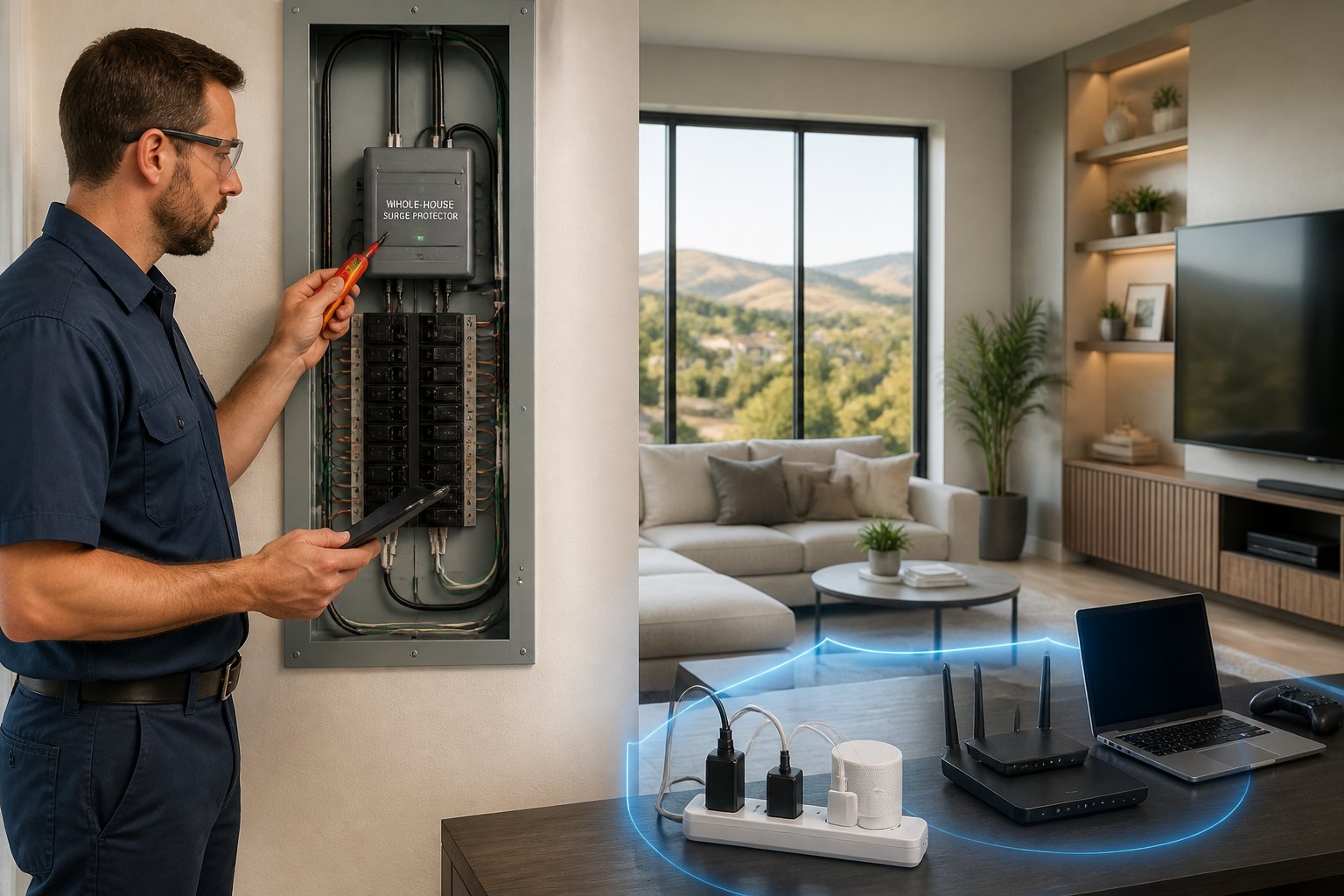
For extra peace of mind, consider installing whole house surge protection. This can stop power surges from damaging your appliances and wiring.
If you want to manage your home’s electrical needs better, think about upgrades like new circuit breakers or panel repairs. AAA Electrical Services stocks parts in their vans, so many repairs happen the same day.
You can also join a membership program to get ongoing discounts on repairs, installations, and maintenance. Always choose trusted professionals who prioritize your family’s safety with flat-rate pricing and clear communication.
Frequently Asked Questions
Keeping your home’s electrical system safe means knowing how to manage outlets and circuits properly. Spot early signs of trouble and take quick action to avoid hazards.
What steps can I take to avoid overloading my home electrical outlets?
Plug in only a few devices at a time on each outlet. Avoid using extension cords or power strips for heavy appliances.
Spread out your electrical load by using different circuits for high-powered devices like heaters, microwaves, and air conditioners. If you often reach the limit, have an electrician upgrade your panel or add new circuits.
What are the warning signs that indicate a potential circuit overload?
Frequent tripping of your circuit breaker is a clear sign of overload. Flickering lights or outlets that feel warm to the touch are also warnings.
Buzzing sounds from outlets or breakers and burning smells are serious warnings. Stop using the affected areas and call a professional immediately.
Can you offer tips for safely managing multiple appliances to prevent circuit overloads?
Turn off appliances not in use to reduce the load on your circuits. Avoid running many high-wattage devices at the same time on the same circuit.
Use dedicated outlets for heavy equipment. AAA Electrical Services can help you set this up to keep your home safe and efficient.
What should I do if my circuit breaker is frequently tripping?
First, unplug devices on that circuit. Reset the breaker by switching it fully off and then back on.
If trips continue, it might be a wiring issue, a bad breaker, or an overloaded panel. Contact AAA Electrical Services for a quick inspection and repair with same-day service.
How can I tell if a circuit is overloaded without obvious symptoms?
You might notice slower appliance performance or minor power interruptions. Over time, wiring can wear down and cause hidden risks.
Regular electrical inspections by licensed professionals can catch these problems early and protect your home before big issues arise.
Is there a safe way to fix an overloaded outlet without professional help?
You can fix simple problems, such as moving appliances to different outlets or unplugging some devices.
Never try to fix wiring or breakers yourself. Electrical repairs are dangerous.
Always call licensed electricians, like the team at AAA Electrical Services. They follow safety-first practices.