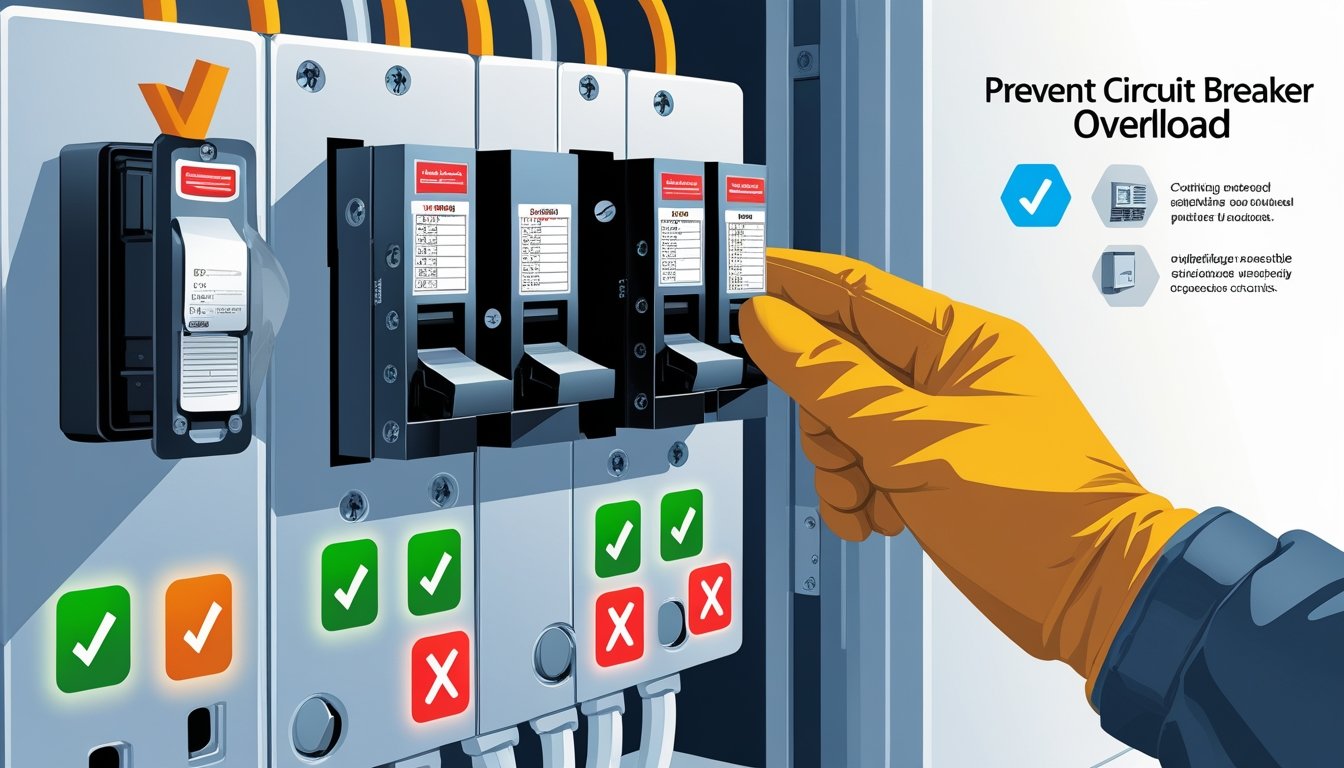
Overloading your circuit breaker leads to surprise power outages and even safety hazards at home. The best way to prevent overloading? Keep an eye on how much electricity you use on each circuit and try not to plug in too many things at once. Balancing your electrical system really does keep your home safer.
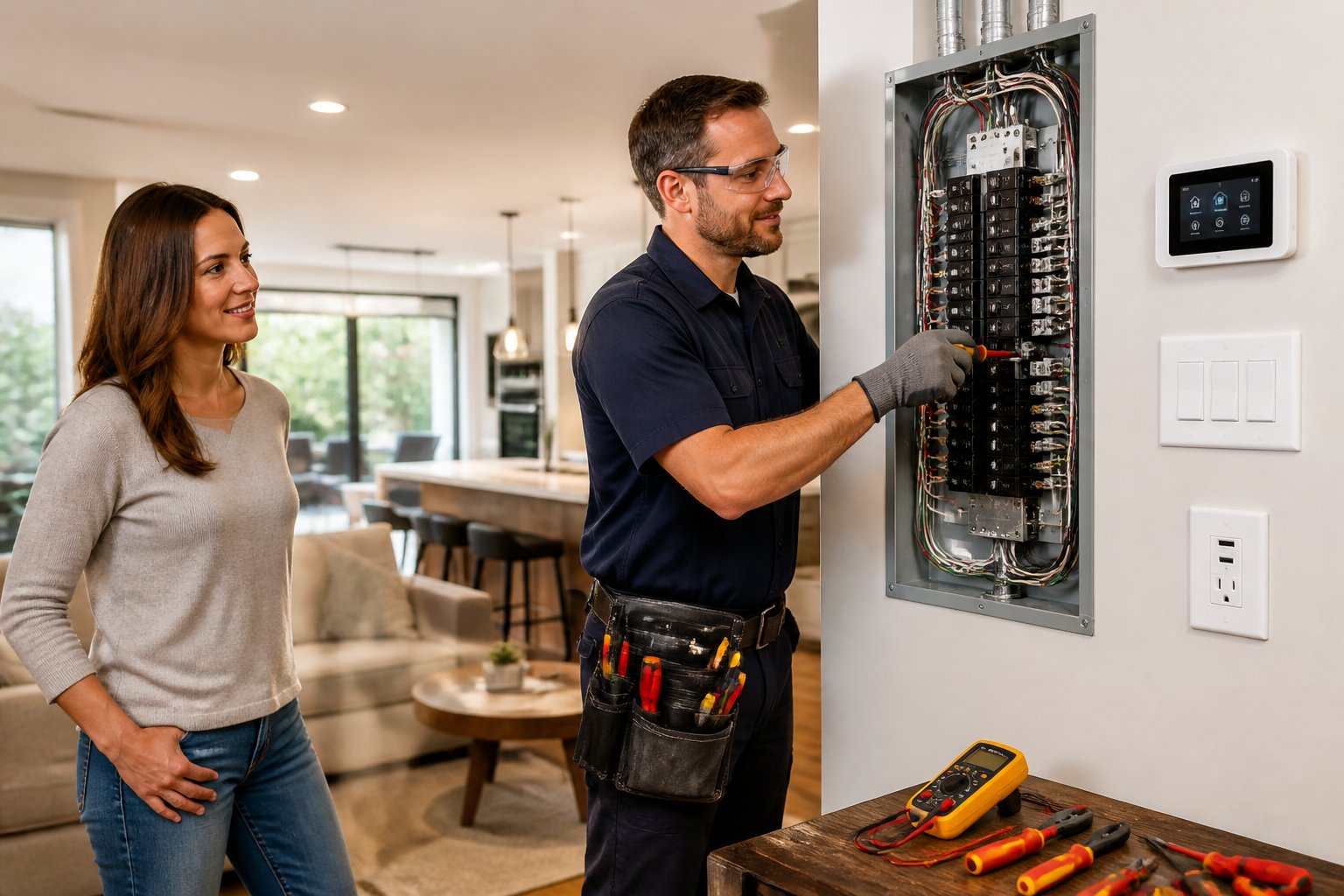
Check your circuit breaker panel every so often for signs of wear or overheating. If your breaker trips a lot, your circuits might need repair or an upgrade. At AAA Electrical Services, our licensed experts offer same-day service and can help you sort out these issues quickly, with honest pricing and no hidden fees.
If you’re in Sacramento or nearby, we know the local electrical quirks and offer solutions like panel upgrades and electrical inspections to stop overloads before they start.
Understanding Circuit Breaker Overload
Knowing how your circuit breaker gets overloaded can help you avoid those annoying power cuts and keep your home safer. It's about spotting the signs and understanding the risks. Sometimes, just knowing what to look for makes all the difference.
What Is Circuit Breaker Overloading?
Circuit breaker overloading happens when too much electrical current flows through one circuit. Your breaker can only handle so much before it trips and shuts everything off.
It’s a bit like a traffic jam—too many cars on the road, and things come to a halt. Overloading usually happens if you run several big appliances at once on the same circuit. The breaker steps in to prevent wires from overheating.
Common Signs of an Overloaded Circuit
You might see your circuit breaker trips over and over, or maybe certain outlets feel oddly warm. Flickering lights when you turn something on? That’s a clue. If you ever smell burning near outlets or your breaker panel, that’s a serious red flag.
Buzzing noises from outlets or breakers and sluggish appliances are other signs that your system’s under strain. If you notice any of this, don’t just hope it goes away—call in a pro like AAA Electrical Services for a look.
Why Overloading Is Dangerous
Overloading heats up the wires in your walls, which can spark electrical fires. It also wears out your appliances faster. The breaker trips to stop this from happening.
Ignoring overloads? Not a good idea. Damaged wiring is expensive and puts everyone at risk. It’s always safer to let licensed electricians handle repairs and upgrades. AAA Electrical Services sends certified techs for same-day service to keep your home protected.
Calculate Your Electrical Load
Knowing how much electricity your home uses helps you avoid overloading the circuit breaker. You’ll want to figure out the total current on each circuit and get the basics of amps, watts, and volts. It’s not as tricky as it sounds, and it keeps everything running smoothly.
How to Measure Total Circuit Load
List all the devices and appliances plugged into a single circuit. Look for each item’s power rating—it’s usually on a sticker or in the manual. This tells you how much electricity it uses, usually in watts or amps.
Add up all the power ratings on the circuit. If you’re getting close to your breaker’s limit, it’s time to unplug something or spread devices onto another circuit. For example, with a 15-amp breaker, try to keep your total load below 12 amps to avoid trips.
A clamp meter can measure real-time current on a circuit. Just clip it around a wire and it’ll show you the amps. If you’re not sure how to use one or need help, AAA Electrical Services offers same-day help from licensed techs in Sacramento and nearby.
Understanding Amps, Watts, and Volts
You’ll run into three main units: amps, watts, and volts. Amps (A) measure current—the flow of electricity. Breakers are rated by amps, so that’s the number you want to watch.
Volts (V) are the pressure pushing the current. In the U.S., most outlets run at about 120 volts.
Watts (W) are the total power used, calculated as:
Watts = Volts × Amps
If you know the watts and volts, you can find amps by dividing watts by volts. This helps you see how much load your devices put on a circuit.
By keeping an eye on your total amps, you’ll avoid nuisance trips and keep your system safe. It’s the kind of family-first thinking AAA Electrical Services stands by—making sure your home stays safe with straightforward help.
Distribute Appliances and Devices Safely
Spreading out your devices and appliances makes it less likely your circuit breaker will trip. Don’t cram everything into one outlet, and make sure big appliances have their own circuits.
Avoid Plugging Multiple Devices Into One Outlet
Plugging too many things into a single outlet or power strip can overload the circuit. That’s how breakers trip—or worse, how fires start.
Try to keep it simple. Don’t run several high-wattage devices like heaters, microwaves, or TVs off the same power strip.
Quick tips:
- Use different outlets for high-energy stuff.
- Unplug gadgets when you’re not using them.
- Don’t daisy-chain extension cords or power strips.
These habits keep your system balanced and cut down the risk of overload.
Use Dedicated Circuits for High-Power Appliances
Big appliances like ovens, AC units, and washers should each have their own circuit. These draw a lot of juice and can overload a shared circuit fast.
If your breaker trips whenever you use a major appliance, you probably need a dedicated circuit. This way, one appliance won’t knock out power elsewhere.
AAA Electrical Services can install or upgrade circuits for you, fast and safely. Their licensed pros put your family’s safety first.
Dedicated circuits help your breaker do its job and keep your home safer from electrical problems.
Upgrade and Maintain Your Electrical System
Keeping your electrical system up to date and well-maintained stops those annoying breaker trips and keeps your home safer. Knowing when to replace old wiring or breakers—and understanding the benefits of upgrading—can save you plenty of headaches.
When to Replace Old Wiring or Circuit Breakers
If your breakers trip a lot, your lights flicker, or your home’s electrical system is 20-30 years old, it might be time to swap out old wiring or breakers. Old wiring just can’t keep up with today’s electrical loads. Outdated breakers may not trip when they should, which is a fire risk.
Watch for warm outlets, buzzing sounds, or burning smells near your panel. These are warning signs. If your breaker panel looks ancient, consider an upgrade. AAA Electrical Services offers thorough inspections and safe replacements—often on the same day.
The Benefits of Circuit Breaker Upgrades
Upgrading your breaker panel can boost your home’s safety and let you use more electricity without hassle. New panels handle bigger loads and lower the risk of overloads tripping things up. You also get modern safety features like arc-fault circuit interrupters (AFCIs) that help prevent fires.
A new system protects your appliances and can even bump up your home’s value. It’s reassuring to know your wiring can handle modern devices—think EV chargers or solar panels. AAA Electrical Services offers flat-rate pricing and speedy upgrades in Sacramento and nearby, with safety as the top goal.
Practice Safe Usage Habits
Safe electricity use at home is really about smart habits. Simple stuff—like unplugging gadgets you’re done with and getting regular checkups—keeps your breaker from overloading. These habits help keep your home and family safe from electrical headaches.
Unplug Unused Devices
Even when you’re not using them, plugged-in devices can still draw power and add to your circuit’s load. Unplug chargers, kitchen appliances, or electronics when you’re done. It’s a small thing, but it helps.
Don’t plug too many gadgets into one outlet. Power strips with built-in breakers are handy, but never chain multiple strips together. That’s just asking for trouble.
By unplugging what you’re not using, you lower the chance of tripping your breaker. It’s an easy habit with a big payoff.
Schedule Regular Electrical Inspections
Get a licensed electrician to inspect your home’s wiring and breaker panel every few years. They’ll catch issues early—stuff like worn wires, loose connections, or overload risks.
Regular inspections confirm your breaker’s still working right and hasn’t worn out. If you’re in Sacramento or nearby, AAA Electrical Services does these inspections with friendly, fast service. Their techs usually come ready to fix things on the spot.
Routine checks mean less worry and a safer, more reliable electrical system.
Recognize When to Call a Licensed Electrician
If your breaker keeps tripping or you spot serious electrical issues, don’t just hope for the best. Some problems need professional help to keep your home safe. Knowing when to call an expert saves time, money, and a lot of stress.
Troubleshooting Persistent Overloads
A breaker that trips all the time usually means your electrical system is overloaded. Maybe too many devices are running on one circuit, or maybe something’s faulty.
Try unplugging a few things and reset the breaker. If it still trips, or keeps resetting, something deeper is probably wrong.
Persistent overloads mean you might need a circuit upgrade or a repair. A licensed electrician can check it out safely and suggest fixes—like new circuits or a bigger breaker.
Trying to DIY this? Not the best idea. You could miss hidden dangers and end up with worse problems. Calling a pro keeps your family safe and might save you money in the long run.
Identifying Major Electrical Hazards
Some warning signs are too serious to ignore. Call a licensed electrician right away if you notice burning smells, scorch marks on outlets, flickering lights, or sparks when plugging things in.
These usually mean faulty wiring or damaged parts—a real fire risk.
A professional will check your home’s wiring and fix unsafe conditions. At AAA Electrical Services, licensed techs use up-to-date safety standards to keep your home and family safe. Their stocked vans mean they can often fix things the same day.
If you’re not sure about an electrical problem or see damage, call a licensed expert right away. Don’t risk it—your family’s safety is worth it.
Smart Solutions for Modern Homes
Keeping your electrical system balanced isn’t just about plugging things in the right spots. You can use tech to track your energy use and upgrade your breaker panel for more control.
Install Energy Monitoring Devices
Energy monitors show exactly how much electricity each device uses. These gadgets help you spot which appliances are power hogs.
You can connect a monitor to your breaker panel or use smart plugs with built-in meters. With this info, you can make smarter choices—like running heavy appliances at different times so you don’t overload a circuit.
Some monitors even send alerts when usage spikes, so you can act before a breaker trips. Adding energy monitors adds a safety net and might even lower your bills if you use energy more wisely.
Consider Smart Breakers
Smart breakers step in for old-school breakers and bring some handy upgrades. They’ll detect overloads and cut the power right where it’s needed, instead of just flipping everything off.
A few of these smart breakers even hook up to apps, so you can check your home’s electrical status from your phone—pretty convenient if you ask me. You might reset breakers remotely or turn off a single circuit without ever opening the panel.
They make things safer by sending clear alerts when something’s off. You’ll spot issues faster, and it’s easier to keep tabs on your energy use.
If you’re in Sacramento or nearby, AAA Electrical Services can install smart breakers for you. They even offer same-day service, so you don’t have to wait around for peace of mind.
Frequently Asked Questions
Handling your home’s electrical load isn’t rocket science, but it does take a little know-how. Keep an eye on how you use appliances, track energy use, and check up on your circuits before anything goes wrong. Using power strips wisely and doing some routine checks can go a long way.
What are the best ways to manage multiple appliances at home to avoid tripping the breaker?
Try not to pile too many big energy users on the same circuit. Spread out things like heaters, microwaves, and ACs—don’t let them all run in one room if you can help it. And honestly, just unplug stuff you’re not using.
Can you share tips for identifying which devices use the most electricity in my home?
Anything with a heating element or a motor—think ovens, dryers, fridges—probably eats up the most power. Grab a plug-in energy meter if you’re curious, or just check the labels for wattage. It’s usually right there.
How can I tell if a circuit is already too loaded before adding more appliances?
If your breaker trips a lot or lights flicker when you turn something on, that’s a red flag. Try a circuit load calculator, or better yet, ask a pro to take a look at your panel before adding more gadgets.
Could you provide steps on how to properly use power strips to prevent circuit overload?
Stick to low-power stuff on power strips—don’t plug in a bunch of space heaters. Never daisy-chain strips together. Go for ones with built-in breakers or surge protection, and don’t go over the wattage limit on the label.
What routine maintenance can I perform to ensure my electrical system is operating safely?
Keep an eye out for frayed wires, warm outlets, or flickering lights—those are warning signs. Test your breakers now and then to make sure they’re still working. And if you’re unsure, call a licensed electrician for a check-up every so often.
Are there specific electrical items that I should avoid plugging in together to prevent overload?
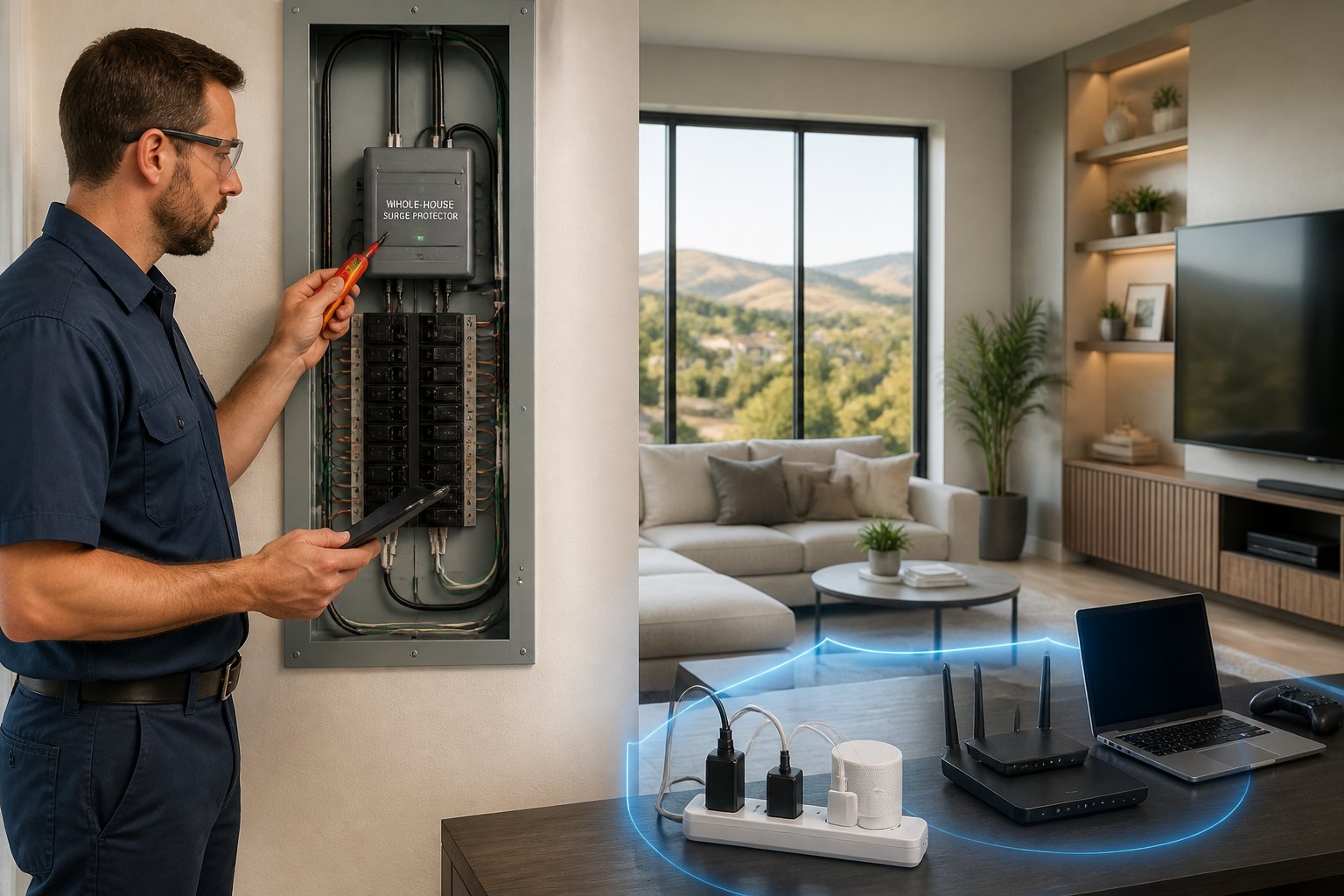
Try not to run several big appliances at once—like plugging in a space heater and an air conditioner on the same circuit. It's also smart to keep heavy-load devices away from your sensitive electronics. That way, you protect your system and your gadgets from unexpected issues.
If you're around Sacramento, AAA Electrical Services can swing by for same-day electrical repairs or upgrades. They're pretty focused on family safety, and you'll know what you're paying for upfront, which honestly takes some stress out of the whole process.