Outdated outlets are sneaky hazards in your home—they can seriously raise your risk of electrical fires. Honestly, the simplest way to cut fire risks from old outlets is just to swap them for modern, safer types like GFCI or tamper-resistant outlets. These upgrades help stop shocks and overheating, especially where there’s moisture.
If you notice cracked or loose outlets, weird burning smells, or lights that flicker, that’s a big red flag. Your safety matters, and having a licensed technician—like AAA Electrical Services—take a look and upgrade your outlets can stop disasters before they start.
AAA Electrical Services covers Sacramento and nearby spots, offering same-day service with vans packed for quick repairs. Their safety-first attitude means you’ll get honest pricing, professional work, and no surprises—just real protection for your home and family.
Recognizing Fire Hazards in Outdated Outlets
Old outlets can hide dangers you might not see. Spotting warning signs, overloads, or wiring problems, and knowing how materials wear out, all help you protect your family and your stuff.
Common Signs of Unsafe Outlets
Ever catch a burning plastic smell near your outlets? That’s usually wires overheating—could spark a fire. Flickering lights or warm outlets are also bad news.
Look for outlets that are cracked, discolored, or have black marks. That’s heat damage or arcing. If plugs fit loosely or fall out, sparks or shorts could happen.
If outlets trip breakers often or stop working for no reason, there’s probably something wrong inside. Don’t ignore these—get them checked out quickly.
Identifying Overloaded and Improperly Wired Outlets
Plugging too many things into one outlet strains the wiring. Overloads trip breakers, which is the system’s way of saying, “Hey, this could start a fire!” Extension cords as permanent fixes or cramming plugs into sockets just makes things worse.
Wiring mistakes—like reversed polarity or loose wires—can cause shocks or sparks. Two-prong outlets, without a ground, are way less safe if something goes wrong.
If your outlets seem outdated or overloaded, it’s time to upgrade. Licensed folks like AAA Electrical Services can add circuits or put in safer, grounded, GFCI-protected outlets where you need them.
Aging Materials and Their Fire Risks
Old outlets just wear out. Plastic cracks or melts, insulation on wires gets brittle, and suddenly you’ve got exposed live wires—fire risk goes up.
Outlets with knob-and-tube wiring or old two-prong designs don’t meet current safety codes. These outdated materials can’t handle today’s electrical demands and make fires more likely.
Upgrading panels and outlets with new, certified parts is a solid move. AAA Electrical Services can inspect and repair same-day. Their techs show up with stocked vans, so fixes are quick and reliable.
Upgrading Outlets to Prevent Fire
Outdated outlets spark, overheat, and yes—sometimes catch fire. Knowing when to replace them, picking safer options, and adding safety devices makes your home safer and your electrical system more reliable.
When to Replace Outdated Outlets
Replace outlets if you see cracks, burn marks, or loose plugs. If you get sparks, a burning smell, or your breaker trips, it’s time for an upgrade. Old two-prong outlets without a ground are a hazard too.
Homes built before the ’80s usually have outlets that can’t handle modern appliances. Flickering lights or dead outlets often point to wiring issues connected to old sockets. Swapping these out lowers fire risk and boosts electrical safety.
Choosing Safe and Modern Outlets
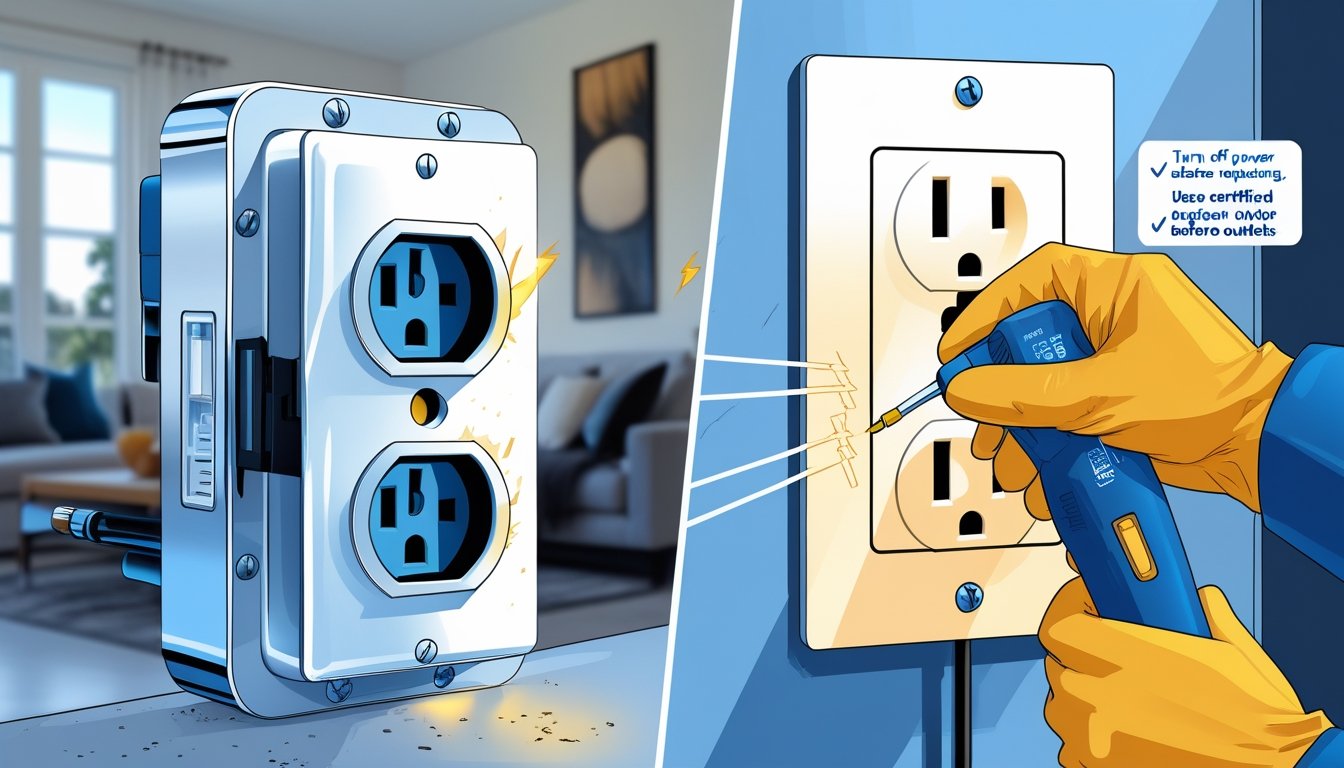
Modern outlets bring better safety. Outlets with grounding holes keep stray currents away from you, reducing shock risk.
Tamper-resistant covers are a must if you’ve got kids—they stop curious little hands from poking things into sockets.
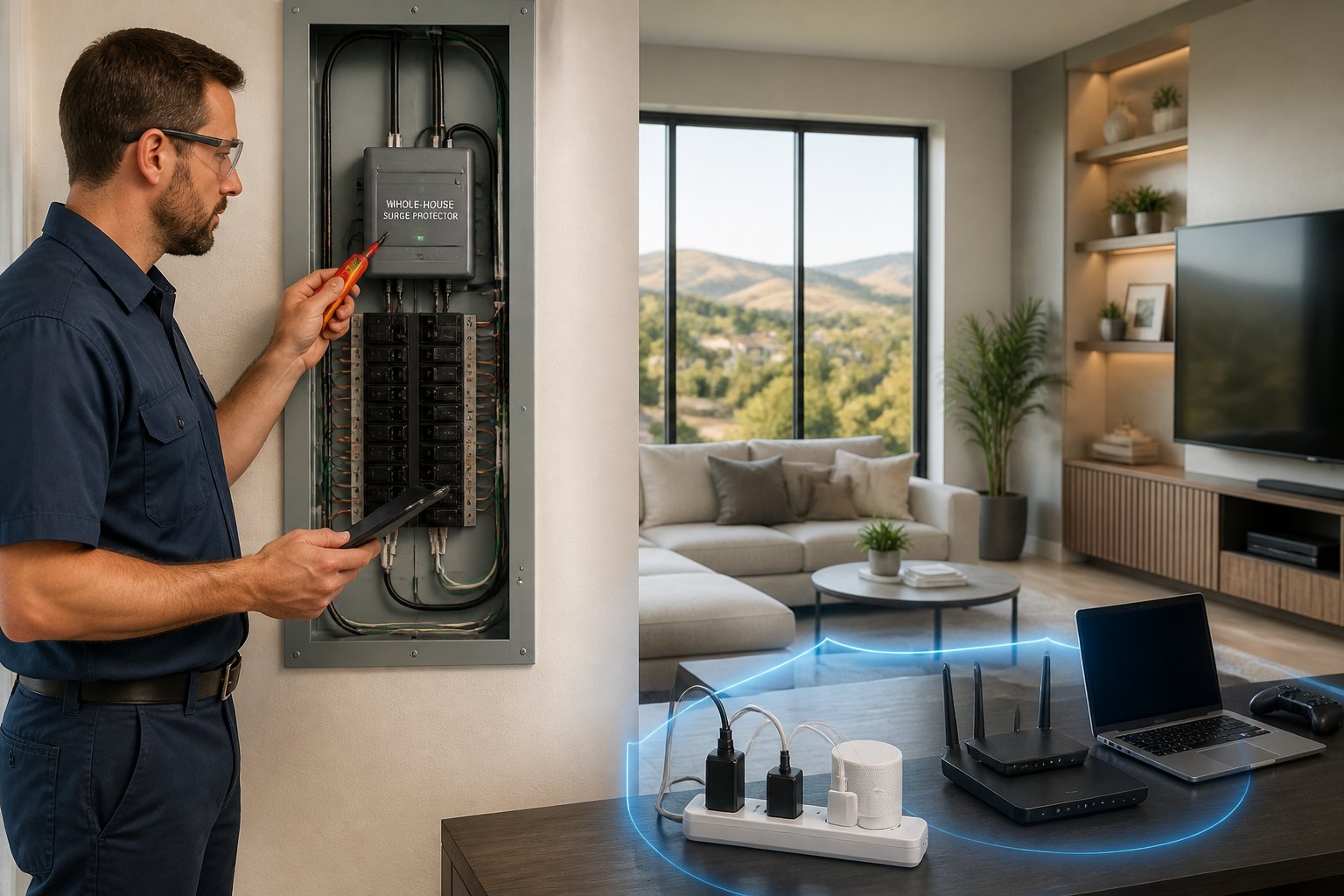
For kitchens, living rooms, or anywhere you plug in a lot, outlets with surge protection help guard your devices from power spikes.
Installing Ground Fault and Arc Fault Circuit Interrupters
GFCIs and AFCIs are two devices you should really consider. GFCIs shut off power fast if there’s moisture or a short—great for bathrooms, kitchens, and outside.
AFCIs sense tiny electrical arcs (which can start fires) and cut the power before things get out of hand. Bedrooms and living spaces benefit most here.
AAA Electrical Services can install these the same day. Their licensed pros show up with what they need, so your outlets get fixed right away and you can relax.
Routine Electrical Safety Checks
Keeping outlets safe means checking them regularly, testing how well they work, and getting expert inspections when needed. This simple routine helps stop fires from old or faulty outlets. Knowing what to look for—and when to call for help—protects your home and everyone in it.
Inspecting Outlets for Wear and Damage
Take a close look at every outlet. Cracks, burn marks, or discoloration around the plate? That’s usually a sign of overheating or deeper electrical trouble. Wiggle plugs—if they’re loose or fall out, the outlet’s probably worn and unsafe.
Pay extra attention to outlets near water, like in kitchens or bathrooms. Moisture plus old wiring is a recipe for trouble. Swap out any damaged or loose outlets quickly to avoid headaches later. Safe outlets mean fewer worries.
Testing for Proper Functionality
Testing outlets is easier than you might think. Grab an outlet tester—it’ll show if the wiring and grounding are right. For GFCIs (the ones with the “test” and “reset” buttons), press those regularly to make sure they trip and reset as they should.
If an outlet keeps tripping or fails a test, something’s up—maybe bad wiring or an overload. Don’t use it until a pro looks at it. Testing catches problems early and helps you avoid short circuits or worse.
Scheduling Regular Professional Inspections
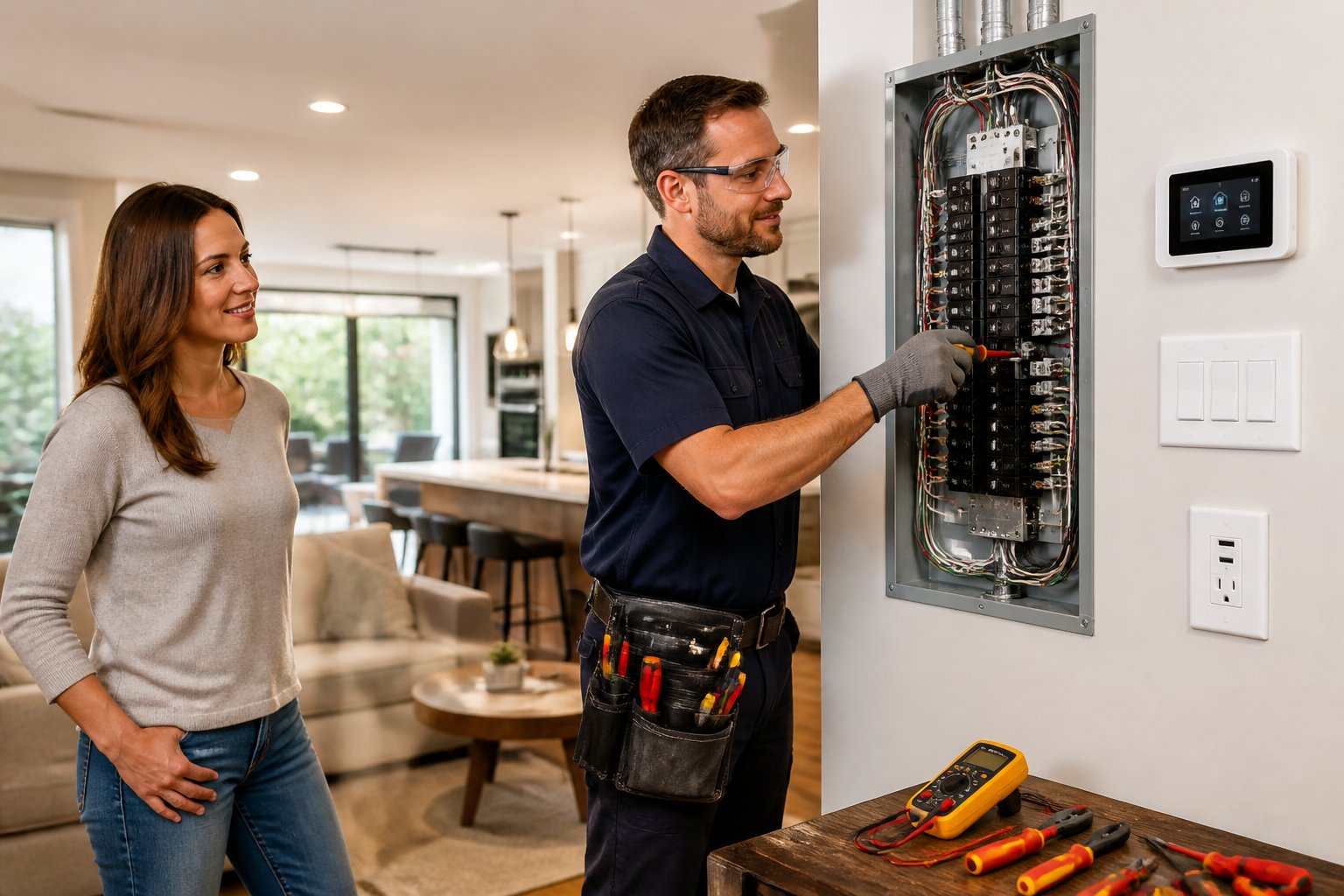
Even if everything looks fine, it’s smart to get a licensed electrician to check your system every so often. They look at wiring, breakers, and outlets for hidden risks. AAA Electrical Services does same-day inspections, flat-rate pricing, and sends certified techs for peace of mind.
Plan on inspections every few years, or sooner if you see frequent breaker trips or flickering lights. The pros usually fix things on the spot thanks to their well-stocked vans. Regular checks keep you up to code and your power running smoothly.
Safe Usage Practices for Electrical Outlets
Using outlets the right way helps prevent fires and other issues from old or worn outlets. Knowing how much to plug in and what equipment to use can save your home and gadgets from damage.
Avoiding Overloading
Plugging too much into one outlet is a classic cause of overheating and fire. Outlets can only handle so much current—push past that, and things heat up.
Tips to avoid overloading:
- Use high-power appliance outlets sparingly.
- Spread devices across different outlets or circuits.
- Don’t plug too many big items (heaters, microwaves, etc.) into one spot.
- Check outlets and cords for burns or melted plastic.
If you spot any issues, call a licensed electrician. AAA Electrical Services does quick, same-day checks and repairs to help you upgrade outlets safely.
Using Proper Extension Cords and Power Strips
Extension cords and power strips are handy, but only if you use them right. Don’t use an extension cord as a permanent fix for old outlets—they’re meant for short-term use and can’t handle heavy loads forever.
When you use them:
- Pick heavy-duty cords rated for your appliances.
- Don’t chain extension cords or power strips together.
- Use power strips with surge protectors for sensitive electronics.
- Keep cords out from under rugs or furniture, and don’t twist or pinch them.
If you need more outlets or safer options, think about upgrading your wiring and switches. AAA Electrical Services does reliable upgrades with flat-rate pricing and guaranteed quality. Their vans are stocked, so they usually fix things on the first visit—less hassle for you.
Educating Households About Fire Prevention
Knowing the risks and practicing safe habits is key to stopping electrical fires. Understanding warning signs and how to use your wiring right keeps your family safer.
Raising Awareness of Outlet Dangers
Outdated outlets can hide issues like worn wires or loose connections. These lead to heat or sparks—potential fire starters if ignored. Watch for outlets that feel warm, smell burnt, or look discolored.
A lot of older homes still have outlets without tamper-resistant features. That’s a big risk, especially with kids around. Upgrading to tamper-resistant receptacles is a smart step.
Regular inspections help catch risks early. AAA Electrical Services’ licensed electricians can spot hidden problems before they turn serious. Taking action with upgrades and repairs really does make your home safer.
Promoting Electrical Safety Habits
Safe outlet habits go a long way. Don’t overload them. Spread out your appliances across circuits. Use surge protectors for sensitive electronics.
Swap out frayed or damaged cords fast. Don’t rely on extension cords forever—have pros install more outlets if you need them. Pay attention to flickering lights or breakers that trip a lot—those are warning signs you shouldn’t ignore.
Pick up these habits and you’ll lower fire risks from outdated outlets. If you’re unsure, AAA Electrical Services offers same-day help from licensed pros who treat your home with care.
Frequently Asked Questions
Knowing what to watch for and what to do helps you avoid electrical fires. Regular checks, updates, and smart use really do make a difference.
What are the signs that my electrical outlets are outdated and might pose a fire risk?
Outdated outlets might feel warm or look discolored around the plug. You could notice sparks, crackling, or a burning smell when you use them.
Loose or broken outlets that don’t hold plugs tight are also risky. These mean your outlets need attention soon.
How can I safely update old electrical outlets to prevent fire hazards?
The safest move is to get a licensed electrician to swap old outlets for new ones. GFCI outlets are great for kitchens and baths.
Upgrading to tamper-resistant outlets boosts child safety. Avoid DIY replacements unless you really know what you’re doing.
What routine maintenance can reduce the chances of electrical fires from outlets?
Check outlets for cracks or burn marks. Don’t overload them or use damaged cords.
Unplug stuff you’re not using and keep outlets clean and dry. Scheduling pro inspections catches hidden problems early.
How often should I have a professional inspect my home's electrical system for fire safety?
Best bet is a full inspection every 1–3 years, depending on your home’s age and how much you use the system. Older homes or places with lots of issues should get checked more often.
AAA Electrical Services offers thorough, same-day inspections with upfront pricing—keeping your system safe and reliable.
Can overloaded outlets increase the risk of fire, and how do I prevent this?
Absolutely—packing too many plugs into one outlet can make things overheat or even spark. It’s a bad idea to run big stuff like heaters or microwaves on a power strip.
Try to spread out what you plug in, and stick to what the outlet can actually handle. If you keep running out of space, maybe it’s time to chat with an electrician about adding more circuits.
What safety devices should I install at home to protect against fires caused by faulty outlets?
GFCI outlets are a must for wet areas—they'll help keep you safe from shocks. Arc-fault circuit interrupters (AFCIs)? Those can spot dangerous electrical arcs early, stopping a fire before it even starts.
I’d also suggest using surge protectors to keep your electronics safe from sudden power spikes. Honestly, it’s smart to have a licensed electrician take a look and figure out what fits your place best.