Worried your home’s wiring might be hiding a safety problem? You should get an electrical inspection in El Dorado Hills to see what’s really going on with your outlets, panel, and breakers—catch hazards before they turn into emergencies. A professional inspection lays out clear steps to protect your family and avoid big repair bills.
Here’s what inspectors actually check, the common issues they spot, and how you can prep your home for a quick, thorough visit. AAA Electrical Services is known for safety-first work, same-day service, and certified techs who treat your place with care—so you get honest pricing and fast fixes when possible.
We’ll walk through what to expect from both residential and commercial inspections, how to pick a qualified inspector in El Dorado Hills, and what to do after you get the report. It’s all about keeping your home safe and code-compliant.
What Is Electrical Inspection in El Dorado Hills?
An electrical inspection checks the safety, wiring, and devices in your home. It confirms the system meets local rules and points out repairs or upgrades that protect your family.
Definition and Purpose
An electrical inspection means a licensed inspector gets hands-on with your home’s electrical system. They’ll look at wiring, the main breaker panel, individual breakers, outlets, switches, lighting, and visible connections.
Inspectors test outlets for grounding and polarity, make sure breakers work and are labeled right, and check for signs of overheating, corrosion, bad splices, or sketchy DIY work that could risk shocks or fires.
The main goal is safety and code compliance. You’ll get a clear list of hazards and fixes to consider. This helps prevent outages, lowers fire risk, and is often required for home sales, remodel permits, or insurance claims.
Local Regulations and Codes
El Dorado Hills follows California electrical codes plus a few local county tweaks. Inspectors need to know the California Electrical Code, local building ordinances, and any city permit rules.
Permits are usually required for panel upgrades, major rewiring, and some additions. If you’re selling a home or starting a renovation, a formal inspection and signed report are usually part of the process.
It’s smart to hire a state-certified electrician or inspector who knows Sacramento-area rules. AAA Electrical Services does code-compliant inspections and can help with permits, labeling, and the paperwork for county approval.
Common Types of Inspections
Routine safety inspection: A general check every 3–5 years or sooner for older homes. This covers outlets, switches, panel condition, and visible wiring.
Pre-sale inspection: Done before a home sale to find issues that buyers, agents, or lenders expect to be fixed or disclosed. It often includes a written report.
Post-installation inspection: Required after major work like panel upgrades, new circuits, or EV charger installation. The inspector checks that the work matches plans and code.
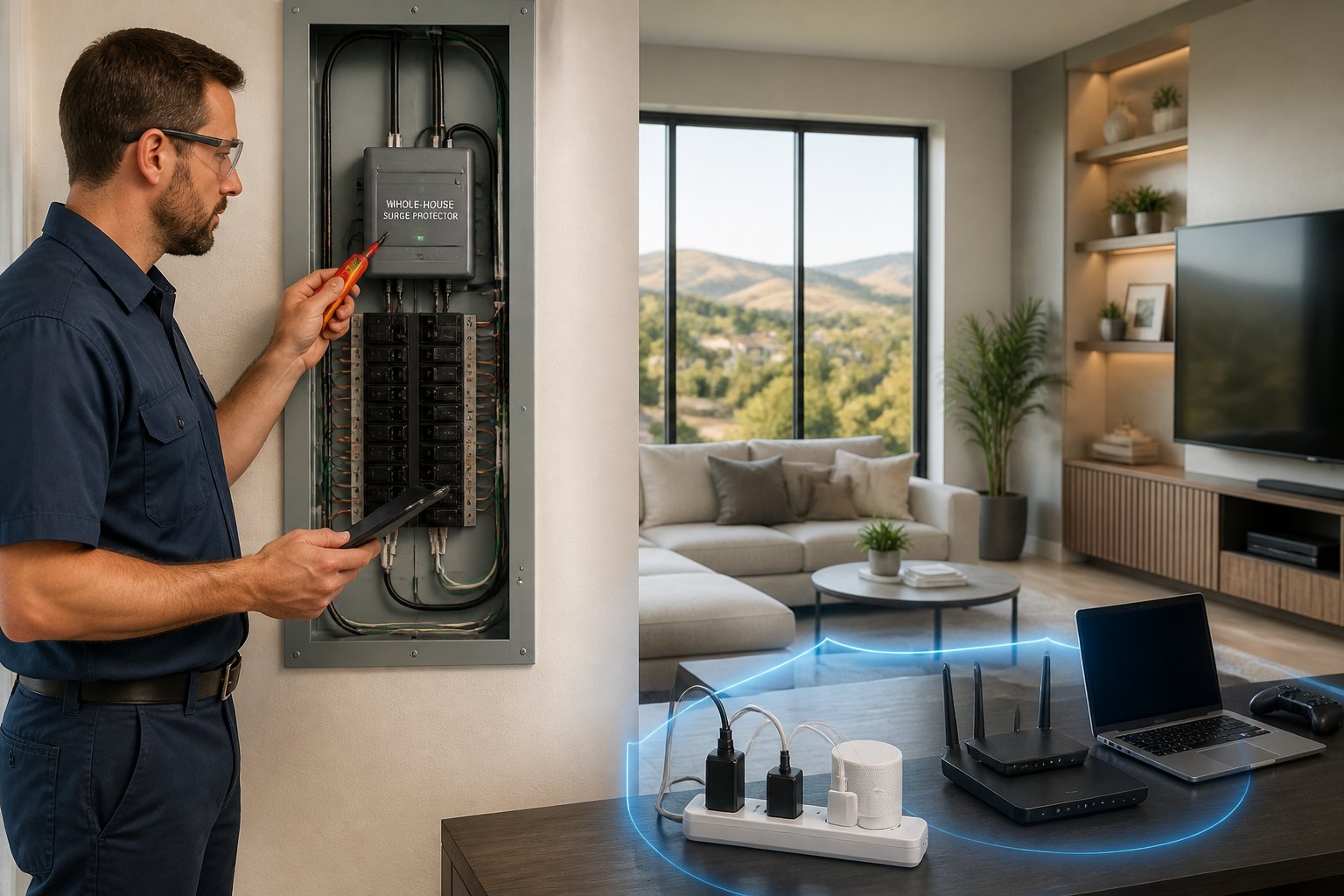
Specialty checks: Surge protection, generator hookups, and solar tie-ins need focused testing. For these, technicians test grounding, transfer switches, and inverter connections to make sure things run safely.
Why Electrical Inspections Matter
Regular checks catch worn wiring, bad breakers, and missing safety devices before they spark fires, shocks, or expensive repairs. Inspections help your home’s resale value and keep you in good standing with insurance and local code requirements.
Safety Benefits for Homeowners
An inspection covers wiring, outlets, switches, panels, and grounding to spot hazards you’d never see. Techs test breakers, check for overheating, and look for old aluminum or knob-and-tube wiring that’s more likely to fail or overheat.
Fixing problems early drops your risk of electrical fires and protects kids and guests from shocks. You get specific safety fixes like replacing damaged outlets, adding GFCIs in wet areas, or upgrading an overloaded panel.
If you’re in El Dorado Hills or nearby, prompt repairs and surge protection help protect your appliances and electronics from power spikes. AAA Electrical Services offers same-day service and stocked vans, so a lot of issues get fixed right away.
Legal Implications
Local building codes require certain electrical work to meet current safety standards. If you renovate, add circuits, or change a panel, an inspection verifies work meets code and prevents violations at sale or during a city inspection.
Failing to follow code can block a home sale or force costly retrofits. Inspections create a written record showing compliance, which helps when you sell your home or apply for permits for future projects.
Licensed, certified inspectors document findings and required fixes. Keeping those records makes it easier to prove work was done properly and can speed approvals for upgrades like EV chargers or a panel replacement.
Insurance Requirements
Insurance companies expect you to keep up with maintenance and may ask for inspections after major work, a claim, or if you have old wiring. An inspection report shows you fixed a hazard, which helps if you file a claim for fire or electrical damage.
If an insurer finds neglected or unsafe electrical systems, they might deny a claim or raise premiums. A clear inspection report reduces that risk and shows you took steps to prevent loss.
Share inspection reports with your insurance agent and keep copies for your files. Choosing licensed, insured techs and making sure repairs are documented supports your claim and meets most policy requirements.
Residential Electrical Inspection Services
Inspections focus on safety, code compliance, and finding repairs you can handle now to avoid bigger headaches later. You’ll get a snapshot of your wiring, panels, outlets, and safety devices—and clear next steps with cost-ready options.
Pre-Purchase Home Inspections
Buying a home in El Dorado Hills? A detailed electrical inspection protects your investment and your safety. Inspectors check service size, main breaker condition, panel labeling, and whether circuits are overloaded. They’ll test outlets for proper grounding and polarity and look for worn insulation, bad splices, or DIY work that doesn’t meet code.
They also test GFCI and AFCI protection in kitchens, bathrooms, garages, and bedrooms. You’ll get a written report listing any immediate hazards, repairs to consider, and rough timeframes. This helps you negotiate with the seller or plan upgrades before you move in.
Routine Electrical Assessments
Schedule routine assessments every 3–5 years or if you notice flickering lights, tripped breakers, or burning smells. These checks look at panel health, breaker function, surge protection, and load capacity for new needs like EV chargers or HVAC upgrades.
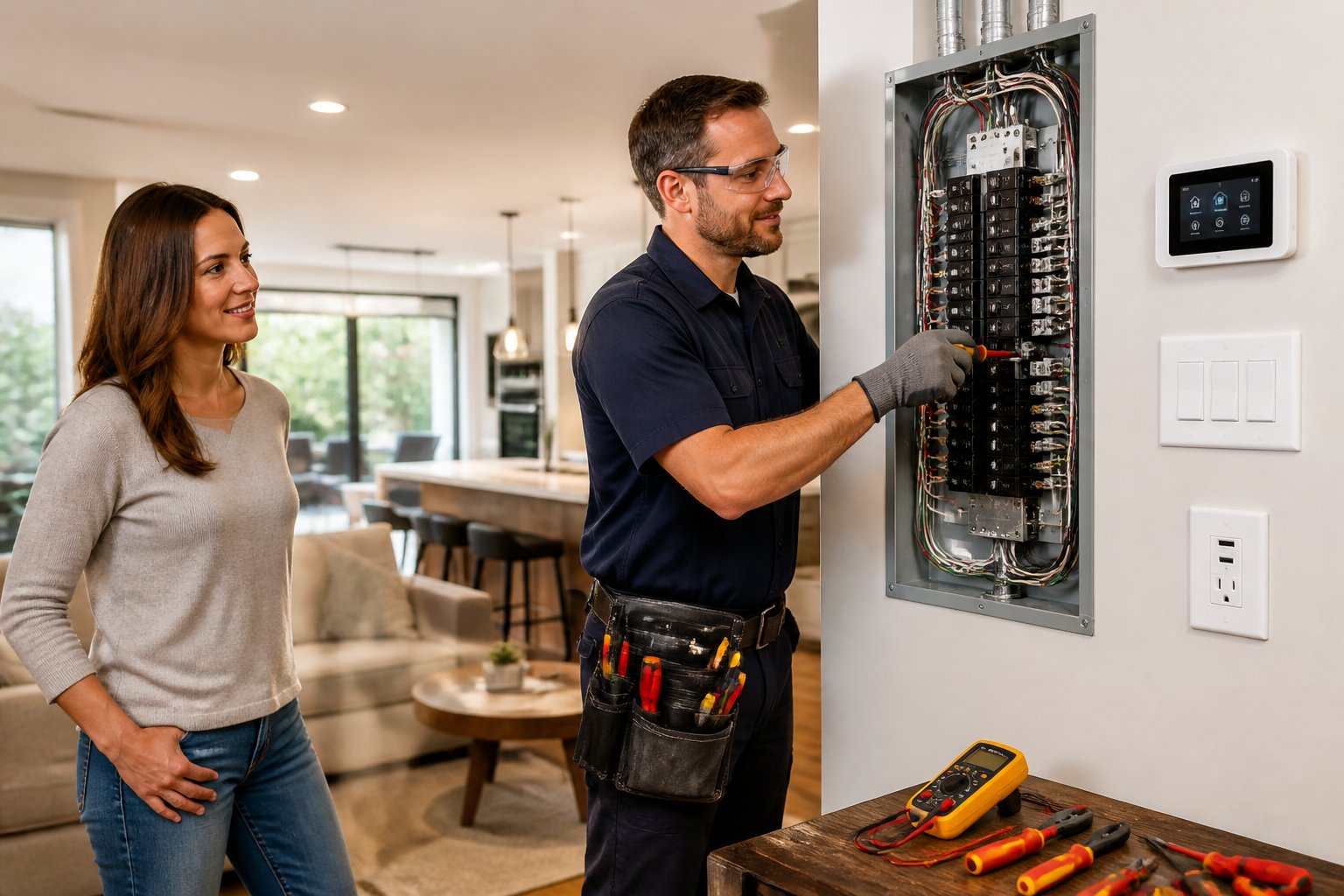
Techs open the panel to look for rust, loose connections, and heat damage. They’ll test circuits under load and check outlets, switches, and smoke/CO detectors. Expect clear, prioritized repair recommendations, flat-rate pricing, and notes on what needs attention right away.
Inspection for Remodeling Projects
Before you remodel, get a targeted inspection to make sure your changes will meet code and power needs. The inspector reviews panel capacity, available circuits, and the best spots for new outlets, lighting, and dedicated circuits for ovens, washers, or EV chargers.
You’ll get advice on panel upgrades, subpanel placement, and what permits you’ll need. The inspection helps prevent rework by confirming wiring routes, breaker sizing, and required AFCI/GFCI protection. Techs often carry common parts for quick fixes so your remodel can start sooner with fewer delays.
Commercial Electrical Inspections
Commercial inspections cover wiring, panels, grounding, and safety devices to protect people, equipment, and business continuity. Timely inspections lower fire risk, keep you up to code, and help operations run with less downtime.
Office and Retail Building Inspections
Inspectors check main service panels, subpanels, branch circuits, and emergency lighting in offices and stores. They test breakers, GFCIs, and AFCIs, and check outlets and data/voice cabling paths for proper separation from power lines.
Look for overloaded circuits in areas with a lot of plugs—think workstations and point-of-sale systems. Inspectors also make sure exit signs, emergency lights, and battery backups work when needed.
A thermal scan can spot hot connections before they fail. Documentation of findings and recommended repairs helps you budget and schedule fixes with less disruption for customers and staff.
Compliance for Business Operations
Commercial inspections confirm compliance with local codes and insurance requirements for things like fire alarms, egress lighting, and electrical permits. Inspectors review equipment nameplate ratings and verify that generators and transfer switches meet local standards.
Keep records of inspections and repairs to show regulators and insurers you maintain safe systems. That can lower liability and may qualify you for better insurance terms.
If you plan renovations, inspections identify where upgrades are needed for new loads like EV chargers, commercial HVAC, or kitchen equipment. Addressing compliance issues before they become violations saves time and money.
Special Considerations for Industrial Facilities
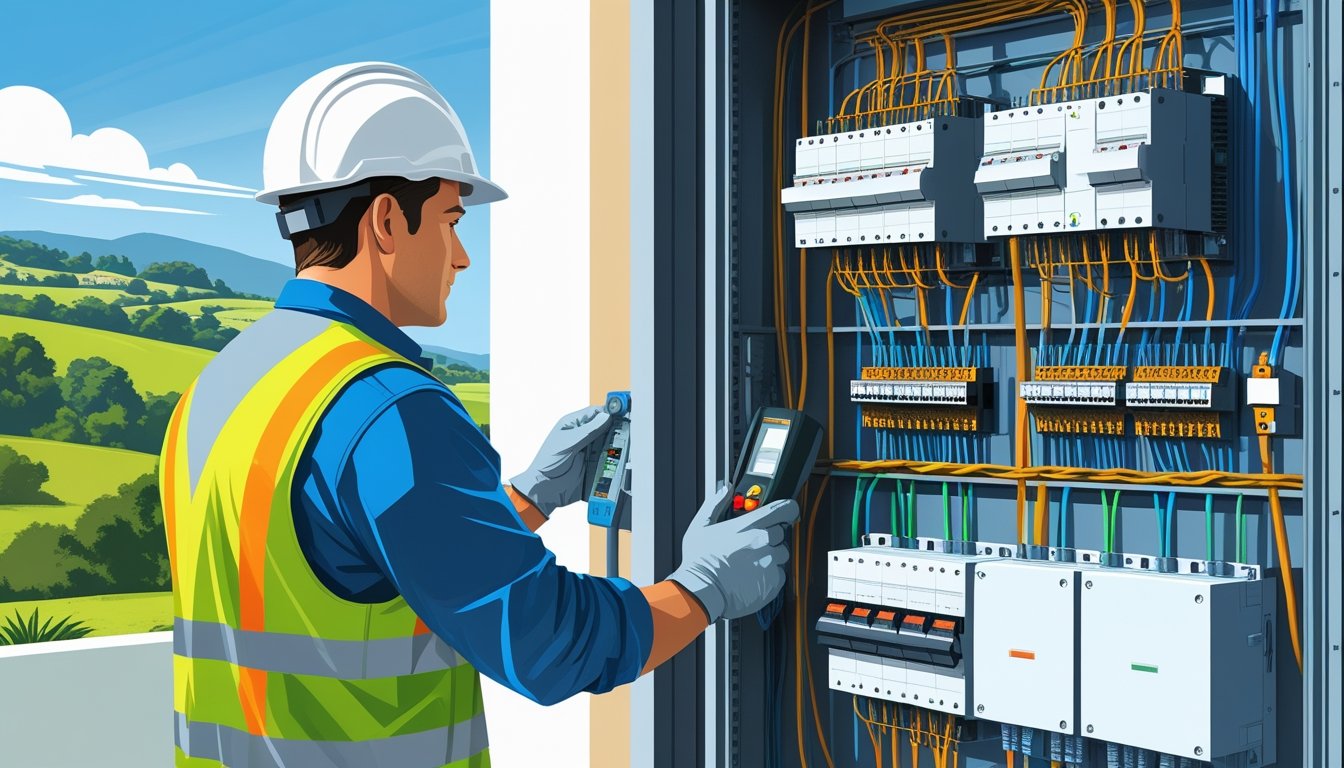
Industrial sites need inspections focused on large motors, control panels, and three-phase feeders. Inspectors assess motor starter protection, harmonic distortion, and proper grounding for heavy machinery.
Safety features like lockout/tagout readiness, emergency stop circuits, and rated enclosures in hazardous areas receive close attention. Arc-flash labeling and PPE recommendations are part of the report.
You may need specialized testing: insulation resistance, motor current analysis, and high‑voltage testing for larger systems. A qualified, certified technician can provide same-day fixes for many problems, helping you avoid long production losses.
The Electrical Inspection Process
An inspection covers wiring, panels, outlets, and devices for safety and code compliance. You’ll find out what needs repair, what’s working, and what to do next to keep your home safe.
Initial Consultation
You’ll set an appointment and share key details: home age, recent electrical work, and any problems like flickering lights or tripped breakers. Usually, there’s a phone or online pre-check so the inspector brings the right tools and plans enough time.
The inspector will confirm access points like the main panel, garage, attic, and crawl spaces. If you have documents—past inspection reports, permits, or contractor receipts—have them handy.
AAA Electrical Services offers same-day booking when possible and flat-rate pricing so you know costs up front. The tech will show up in uniform, ready with a stocked van to handle most issues right away.
Visual and Technical Assessment
The inspector starts with a visual sweep of outlets, switches, fixtures, and wiring for wear, overheating, or bad installs. They check the main service panel for loose connections, proper labeling, and correct breaker sizes.
Testing covers GFCI and AFCI function, outlet polarity, and branch circuit loads. The inspector measures voltage where needed and checks grounding and bonding. In older homes, they’ll look for knob-and-tube or aluminum wiring and flag safety concerns.
If they can fix it the same day, the stocked van usually has what’s needed—breakers, outlets, or tools to tighten up connections.
Reporting Findings
You’ll get a clear, written report listing safety issues, code violations, and recommended repairs. The report separates urgent hazards (like exposed live wires) from less urgent stuff (aging outlets, for example).
Each item includes a simple explanation, the risk level, and a ballpark cost or next-step idea. Photos and labeled panel diagrams make it easy to see what’s up.
Technicians explain options in plain language and offer flat-rate repairs or upgrades. If you want, they can usually handle common fixes right then—leaving your home clean and safer.
How to Prepare for an Electrical Inspection
Get your home ready by clearing access, gathering permits and receipts, and jotting down any problem spots or recent work. Make sure breakers, panels, outlets, and outside equipment are easy to reach and unlocked.
Checklist for Homeowners
- Walk through each room and test every outlet and switch. Write down any dead outlets, flickering lights, or tripped breakers.
- Remove clutter that blocks the electrical panel, meters, attic pull-downs, furnace, or dryer. Inspectors need 30–36 inches of clear space in front of panels.
- Make sure GFCI and AFCI outlets (kitchen, bathrooms, garage, bedroom circuits) are not painted over and can be tested.
- Turn off smart-home locks or give codes so inspectors can access locked rooms and the attic.
- Unplug sensitive electronics and move pets during the inspection to avoid interruptions.
Gathering Documentation
- Pull together permits, receipts, and invoices for any electrical work over the last 5–10 years—think panel upgrades, EV charger installs, or major repairs.
- Snap a photo of your home’s main electrical panel label or keep a copy handy, especially if it shows the panel schedule and breaker ratings.
- Toss in warranty papers for equipment like generators, EV chargers, or surge protectors if you’ve got them.
- If you have past inspection reports, include those. They help the inspector spot recurring issues or see what’s been fixed before.
- Keep the contact info for your electrician nearby. Sometimes inspectors need to double-check past work—this just makes it easier.
Access Requirements for Inspectors
- Unlock the main panel and any subpanels. If you can’t be there, leave a key or code close by.
- Clear a path to the attic, crawlspace, garage, meter, and exterior disconnects. Inspectors need to see wiring runs, the service mast, and the meter.
- Make sure there’s enough light in dark spaces. A lamp or flashlight is fine for attics and crawlspaces.
- If you have a gate or alarm, give the code or be around to let the inspector in.
- Want your own contractor there? Schedule them ahead of time. AAA Electrical Services can join inspections and talk upgrades if that’s your thing.
Choosing a Qualified Electrical Inspector in El Dorado Hills
You want someone who takes safety and local code knowledge seriously. Pick an inspector who’s licensed, experienced, and comes recommended by people you trust.
Certifications and Experience
Ask for their California electrical contractor license number and proof of insurance. A licensed inspector keeps up with code changes and has passed the state’s tests. Certifications like NICET or state inspector credentials show extra training and a better handle on tricky systems—think service panels, meter bases, grounding.
Find out how long they’ve worked in El Dorado Hills or the Sacramento area. Experience with both old and new homes matters—the wiring and problems can be totally different. If you want peace of mind, look for teams with background-checked techs and a clear satisfaction guarantee.
Questions to Ask
Go straight to the point: “Are you licensed and insured?” and “Can you share references from El Dorado Hills?” Ask how long inspections usually take and if you’ll get photos and a prioritized repair list in the report. Request a sample report to see how detailed they get.
Ask about repairs: “Do you handle fixes, or will I need someone else?” and “Is extra work flat-rate or hourly?” If you have an EV or generator, check if they inspect or install those. Clear answers now mean fewer surprises later.
Local Reputation and Reviews
Check reviews from folks in El Dorado Hills, Folsom, and Roseville. Look for repeated praise—quick arrivals, clear explanations, and clean work. If people mention same-day service, flat-rate pricing, or techs who come prepared, that’s a good sign.
Browse local business listings and community forums for consistent feedback. When you call references, ask about timeliness, clarity, and if the inspector caught issues that later turned out to be real. If AAA Electrical Services keeps coming up, it’s probably for a reason—they’re known for a family-safety-first approach, licensed techs, and same-day options.
Cost Factors for Electrical Inspections
Prices jump around based on your home’s size, how old the wiring is, and what the inspector needs to check. Time on site, code-compliance, and whether you’ll need repairs or permits also play a role.
Pricing Structure
Inspectors usually charge a flat fee for a standard inspection, hourly for more complicated jobs, or per item—like panels or EV chargers. In El Dorado Hills, a basic inspection lands somewhere between $100 and $300, but bigger homes or extra panels push it higher.
Flat rates keep things predictable. Hourly makes sense for older homes or when the inspector might need to open up walls. Ask if the quoted price includes a written report and photos so you know what you’re getting.
What’s Included in the Service
A standard inspection covers wiring, circuit breakers, outlets, switches, and the main panel. The inspector tests GFCIs/AFCIs, checks grounding, and looks for overheating, corrosion, or sketchy DIY work. They’ll flag code violations and recommend fixes.
Good services give you a clear, itemized report and help with permits if needed. AAA Electrical Services, for example, offers flat-rate pricing, same-day service, and techs who keep things tidy and well documented. That’s handy for planning repairs or showing proof during a sale or insurance claim.
Potential Extra Charges
Extra fees pop up for upgrades, repairs, or permit work found during the inspection. Think replacing a bad breaker, upgrading an old panel, adding grounding, or wiring for an EV charger. Parts, labor, and sometimes city permits add up.
If inspectors need to get into walls, attics, or crawlspaces, expect more labor and higher costs. Emergency or same-day repairs can also bump up the price. Membership discounts or a new-customer $35 off promo can help, but permit fees and subcontractor work usually add to your total.
Common Issues Found During Electrical Inspections
Inspections turn up all sorts of problems—some minor, some that could be dangerous. Knowing what’s common helps you spot trouble early and get it fixed.
Outdated Wiring
Old wiring—knob-and-tube, cloth-insulated, aluminum—can be a fire or shock hazard. These types often don’t have grounding and get brittle or loose over time. Inspectors check for frayed insulation, discoloration, or non-metallic sheathing that’s not up to code.
If your house is from before the 1970s or has a lot of DIY fixes, you’re more likely to have outdated wiring. Old fuse boxes or two-prong outlets are red flags. Upgrading improves safety and lets modern devices run without tripping breakers.
AAA Electrical Services can check aging wiring and suggest safe, code-compliant upgrades. Their techs usually have common parts in the van, so you might get fixes done right away.
Overloaded Circuits
Breakers tripping, burning smells, or lights dimming when you use appliances? Those are classic overloaded circuit symptoms. Overloads happen when too many things run on one circuit or a heavy appliance isn’t on its own line. This can overheat wires and cause fires.
Inspectors check circuit loads, breaker sizes, and whether big appliances have dedicated circuits. Solutions include adding new circuits, swapping in bigger breakers, or moving heavy loads to separate lines. Labeling the panel helps you avoid repeat overloads.
Flat-rate repairs mean you know the cost before work starts. Same-day service gets your safe power back fast.
Improper Installations
Bad installs show up as wrong wire sizes, loose neutral or ground wires, reversed polarity, or non-code outlets and fixtures. These mistakes cause shocks, flickering lights, and equipment breakdowns. Inspectors look for open splices, loose boxes, and the wrong fixtures in damp spots.
If lights flicker, outlets get hot, or switches act up, you might have one of these issues. Fixes range from tightening connections and swapping wires to moving devices into proper junction boxes. Permits and inspections make sure everything meets El Dorado Hills codes.
Licensed, Nexstar-trained techs focus on safety and clean up after themselves. That keeps your system compliant and your family safer.
Next Steps After Your Electrical Inspection
You’ll get a report showing hazards and what to fix. Use it to prioritize urgent dangers, plan repairs, and make sure everything lines up with building codes.
Addressing Safety Hazards
If the inspector points out exposed wires, overloaded circuits, or a bad breaker, act fast. Shut off power to the problem area if you can do it safely, and don’t use outlets or appliances on that circuit.
Make a quick list of what needs fixing first, with notes and photos from your report. Call a licensed electrician right away for anything that could cause shock or fire. Let them know about safety concerns so they bring the right gear.
AAA Electrical Services offers same-day repairs and stocked vans, which means you could get things fixed before the day’s out.
Scheduling Repairs
Start with the riskiest stuff—breakers, panels, bad wiring. Next, focus on broken outlets, switches, and lighting. Upgrades like surge protection or panel capacity can wait if they’re not urgent. Ask for an itemized quote so you see parts, labor, and permit costs.
Book a time slot and check if the techs carry what they’ll need. Flat-rate, upfront pricing means no surprise bills. If you’re in El Dorado Hills or nearby, double-check they serve your area and ask about same-day options.
Bring your inspection report to the repair visit and point out what matters most. This helps techs fix more in one go—stocked vans and experienced crews make a big difference.
Ensuring Code Compliance
Double-check which fixes need permits or a second inspection from El Dorado Hills building officials. Big stuff—like panel upgrades, new circuits, or whole-house rewiring—almost always needs a permit and a final sign-off.
Hire a licensed, certified electrician who knows the local codes and can pull permits for you. Get paperwork when the job’s done: permit receipts, contractor licenses, and the final inspection form. Keep these in your home file—they’re handy for resale or insurance.
If your report suggests grounding upgrades, more AFCI/GFCI protection, or boosting service capacity, get it done. It’s not just about code—it’s about avoiding future headaches.
Frequently Asked Questions
Here’s a quick dive into what happens during an electrical inspection in El Dorado Hills, how long it takes, typical costs, what techs check, and how to get ready. You’ll also see how to book an appointment and what to expect from local pros.
What can I expect during a residential electrical inspection?
A technician will walk through your home, test outlets, switches, panels, and grounding. They’ll look for loose connections, overloaded circuits, and signs of overheating or wear.
Expect some basic multimeter tests and a visual check of wiring and fixtures. The inspector will give you a written report with hazards and repair suggestions.
How much does a typical electrical inspection cost?
Prices depend on home size and what you need checked. Most single-family homes in the area fall within a pretty standard range, but ask for a flat-rate quote to avoid surprises.
AAA Electrical Services lists prices up front and sometimes offers new-customer discounts or membership deals. Double-check promos when you book.
How do I schedule an electrical inspection appointment in El Dorado Hills?
Call or book online with a licensed local electrician that works in El Dorado Hills. If you’re in a rush, ask about same-day slots.
Have your address, home age, and any obvious problems ready when you call. It helps the scheduler pick the right tech and tools.
What are the key components checked during an electrical inspection?
Inspectors check the main panel, breakers, branch wiring, outlets, switches, and grounding. They’ll also test GFCI and AFCI protection where it’s required.
They look at exterior service equipment, meter connections, and any visible junction boxes. Safety hazards like improper wiring, DIY jobs, and overloaded circuits get special attention.
Can you tell me the average duration of an electrical inspection?
Most single-family home inspections take about 1–2 hours. Larger or older homes with weird wiring can take longer.
If repairs are needed, the inspector will note them and estimate extra time. Ask for a ballpark time when you book.
What should I do to prepare my home for an electrical inspection?
Clear a path to your electrical panel, attic, and garage before the inspector shows up. If you’ve got cars in the garage, move them out, and prop open any doors so the technician can actually get to the equipment.
Jot down any issues you’ve noticed, along with where those stubborn outlets or switches are hiding. If you can dig up old electrical records or permits, have them handy—the inspector will probably appreciate it.