If you live in Sacramento or nearby, you might be asking yourself if a whole-house generator is really worth it. A whole-house generator keeps your lights on and your essential systems running when the power goes out—giving you and your family some much-needed peace of mind. That’s a big deal if you deal with frequent or long-lasting blackouts.
Picking the right generator and figuring out the installation process can get confusing fast. At AAA Electrical Services, we focus on safety-first electrical work by licensed pros who know what you’re dealing with. Flat-rate pricing and same-day service? Yep, we try to make this upgrade as simple and reliable as possible.
Whether you want backup for your whole house or just the essentials, a generator is all about keeping your family safe. Let’s dig into how this investment could protect your home and help you breathe easier during outages.
What Is a Whole House Generator?
A whole house generator is a backup power system that keeps your entire home running when the grid goes down. It supports your crucial appliances—heating, cooling, fridge, you name it. Knowing what type fits your needs and how it works helps you decide if it’s the right move.
Types of Whole House Generators
Whole house generators usually fall into two camps: standby and portable.
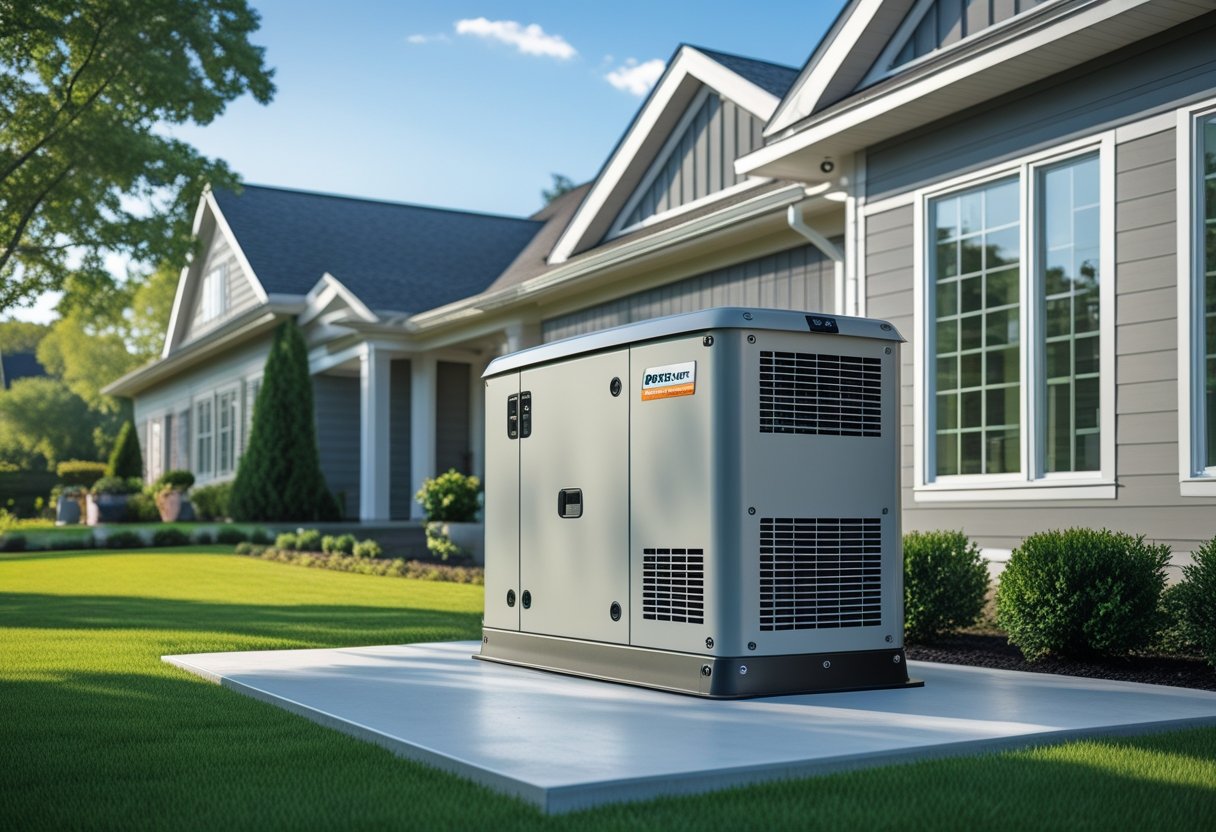
Standby generators are permanently installed outside your home. They kick on automatically when the power fails, running on natural gas, propane, or diesel. These can handle your whole house, including big appliances, HVAC, and lights.
Portable generators are smaller, movable, and need you to start them up manually. They usually run on gasoline or propane and can only power a few circuits or appliances at a time.
The right type depends on your power needs, budget, and how much hassle you’re willing to deal with. Standby models offer seamless support, while portables are more for temporary, limited use.
How Whole House Generators Work
A whole house generator connects to your home’s electrical system through a transfer switch. This switch safely shifts power from the grid over to your generator when the power drops.
When an outage hits, the generator senses the loss and (if it’s a standby type) starts up by itself. It provides electricity to your home—no action needed on your part.
The generator pulls fuel from tanks or your home’s gas line. Essential systems keep running, so your comfort and safety stick around. When the grid comes back, the generator shuts down and waits for the next time.
AAA Electrical Services offers safety-first electrical work with licensed pros for installation and maintenance. Same-day service and flat-rate pricing help keep your home protected—no surprises.
Top Benefits of Installing a Whole House Generator
A whole house generator gives you steady power when the grid fails. Your home keeps humming, devices stay protected, and your family’s safety isn’t left to chance. No manual setups or scrambling in the dark.
Convenience During Power Outages
When the power cuts out, you don’t have to do a thing. The generator starts up automatically, and your lights, appliances, and heating or cooling keep working. No dragging out a portable unit or hunting for gas cans. During storms or long outages, that convenience really matters.
Protecting Essential Appliances
Your fridge, freezer, sump pump—they’re all critical in emergencies. The generator keeps them running, so you avoid food spoilage and water damage. It’ll also support medical devices and other sensitive equipment that just can’t go off.
Keeping appliances running safely helps you avoid big repair bills. That’s one reason so many homeowners around Sacramento trust AAA Electrical Services for installation.
Continuous Home Security
When the power’s out, security alarms, cameras, and outdoor lights can fail, which is risky. A whole house generator keeps these systems up and running. Your home stays secure, blackout or not.
It’s a relief knowing your family is protected, especially with a generator installed by licensed pros who put safety first.
Cost Considerations and Investment Value
Getting a whole-house generator is a significant investment. You’ve got upfront costs, ongoing expenses, and it can even change how buyers see your home. It’s worth knowing the details before you jump in.
Upfront Costs
The initial cost to install a whole-house generator usually falls between $5,000 and $12,500. It depends on your generator’s size and your home’s energy needs—bigger homes need bigger (and pricier) units.
You’ll also pay for professional installation. Skilled electricians connect the generator to your panel, and sometimes you’ll need electrical panel upgrades.
At AAA Electrical Services, we do flat-rate pricing so you know what you’re paying up front. Installation includes tests to keep your home safe and compliant with local rules.
Ongoing Maintenance Expenses
After installation, your generator needs regular maintenance to stay reliable. That means testing, oil changes, battery checks—usually a few hundred bucks per year.
Generators run on fuel—natural gas, propane, or diesel—so you’ll need to budget for that too. Fuel costs vary, and running your generator monthly or after outages keeps it ready but uses up some fuel.
AAA Electrical Services offers same-day maintenance and repairs. Their stocked vans help get things fixed quickly, so you’re not left waiting during an outage.
Potential Increase in Home Value
A whole-house generator can bump up your home’s resale value. Buyers like knowing they won’t be left in the dark, especially in areas prone to outages.
In places like Sacramento or Roseville, a generator can be a real selling point. Professional installation by trusted local experts tells buyers you cared about quality and safety.
Sometimes, having a backup system even lowers your insurance premiums. It’s worth checking with your insurer about possible discounts.
Factors to Think About Before Installation
Before you install a generator, you’ll want to get clear on your home’s power needs, local laws, and fuel options. A little prep goes a long way toward a safe and smooth experience.
Home Energy Needs Assessment
Start by figuring out how much power your home actually uses. List your important appliances—fridge, heating, cooling, medical devices—and add up their wattage. That’ll help you pick the right generator size.
You can go all-in and power the whole house, or just cover the essentials. Full-home protection costs more, but you won’t be left guessing during an outage.
AAA Electrical Services can walk you through this step so you don’t end up overspending or getting stuck with too little power.
Local Regulations and Permits
Every city has its own rules about generator installation. You’ll need to check local codes and get permits before starting. These rules cover where you can put the generator, how loud it can be, and safety clearances.
Skipping permits can lead to fines or unsafe setups. Always use licensed electricians who know the local laws.
AAA Electrical Services keeps up with Sacramento-area codes, so your installation is legal and safe.
Fuel Source Options
Generators can run on natural gas, propane, or diesel. Each has its ups and downs.
- Natural gas usually costs less and connects to your home’s supply, but you’re out of luck if gas lines go down.
- Propane is stored in tanks and keeps working even if gas lines fail, but you’ll need to refill the tanks.
- Diesel delivers strong power but needs more maintenance and storage space.
Think about what fits your lifestyle and what’s available locally. A licensed pro can help you pick the safest, most reliable option.
Potential Drawbacks of Whole House Generators
It’s not all upside—whole house generators have a few downsides you should think about. Noise, space, and environmental impact can all play a role in your decision.
Noise and Space Concerns
Generators can be pretty loud—think 60 to 70 decibels, like a vacuum cleaner or a busy office. If it runs for hours, that can get on your nerves (and maybe your neighbors’ too).
You’ll also need to set aside some outdoor space. Generators go outside, usually on a concrete pad, which takes up yard space you might prefer for something else.
Local rules may limit how close you can install the generator to your house or property lines. AAA Electrical Services can help you figure out the best placement to meet safety and noise rules.
Environmental Impact
Generators mostly run on natural gas or propane. They’re cleaner than gasoline but still produce greenhouse gases. If you use your generator a lot, your home’s carbon footprint will go up.
Running a generator also creates exhaust fumes, which can be dangerous if not ventilated right. Make sure the setup keeps fumes away from your home.
If you’re worried about the environment, you might want to look into solar backup or battery storage. Still, for most folks, the reliability of a whole house generator is hard to beat during outages.
Are Whole House Generators Right for Every Home?
Whole house generators offer reliable power, but they’re not for everyone. Your typical power use, budget, and how often you lose electricity all factor in.
Ideal Situations for Installation
If you live somewhere with frequent or long outages, a whole house generator is a game-changer. It kicks on automatically and keeps everything running—heating, cooling, appliances, the works.
If you rely on medical devices or work from home, uninterrupted power is pretty much a necessity. These generators also add value if you want peace of mind during storms or emergencies.
Homes with higher power needs—lots of electronics, electric heating—get the most out of whole house units.
When Alternative Options Make Sense
If outages are rare or short in your area, a whole house generator might be overkill. Portable generators or partial backup systems can cover the basics without the big price tag or complex installation.
Budget tight? The install alone can run $5,000 to $12,000, depending on your needs and setup.
Smaller homes or those with lower power demands might do fine with partial backup. AAA Electrical Services can help you figure out what fits your needs and budget, with clear pricing and solid advice.
Choosing the Right Generator for Your Home
Picking a generator comes down to knowing your home’s power needs and choosing a brand you can count on. That way, you avoid overloads and make sure your generator works when it matters.
Sizing Your Generator
To get the right size, add up the wattage of the appliances and systems you want to run during an outage. Whole-house generators usually range from 7,000 to 20,000 watts.
List out your essentials—fridge, heating/cooling, lights, Wi-Fi—add the watts, and you’ll have a ballpark figure.
Don’t go too small or you’ll risk overloads and faster wear. Too big, and you’re just spending extra cash. A pro from AAA Electrical Services can help you land on the right size for your home.
Selecting Reliable Brands
A trusted brand means your generator won’t let you down in an emergency. Look for brands with solid reviews, good customer service, and features like remote monitoring or quieter operation.
When you buy through a company like AAA Electrical Services, you get installation by licensed techs who make sure your generator fits your electrical system and runs safely.
Reliable brands plus expert installation mean your family and home stay powered when you need it most.
Installation Process Overview
Putting in a whole house generator isn’t a one-step job. First, you’ll need to figure out whether you want to hire a professional or tackle it yourself. There’s also some prep work to do around the house, and you’ll want a rough idea of how long the whole thing might take.
Professional Versus DIY Installation
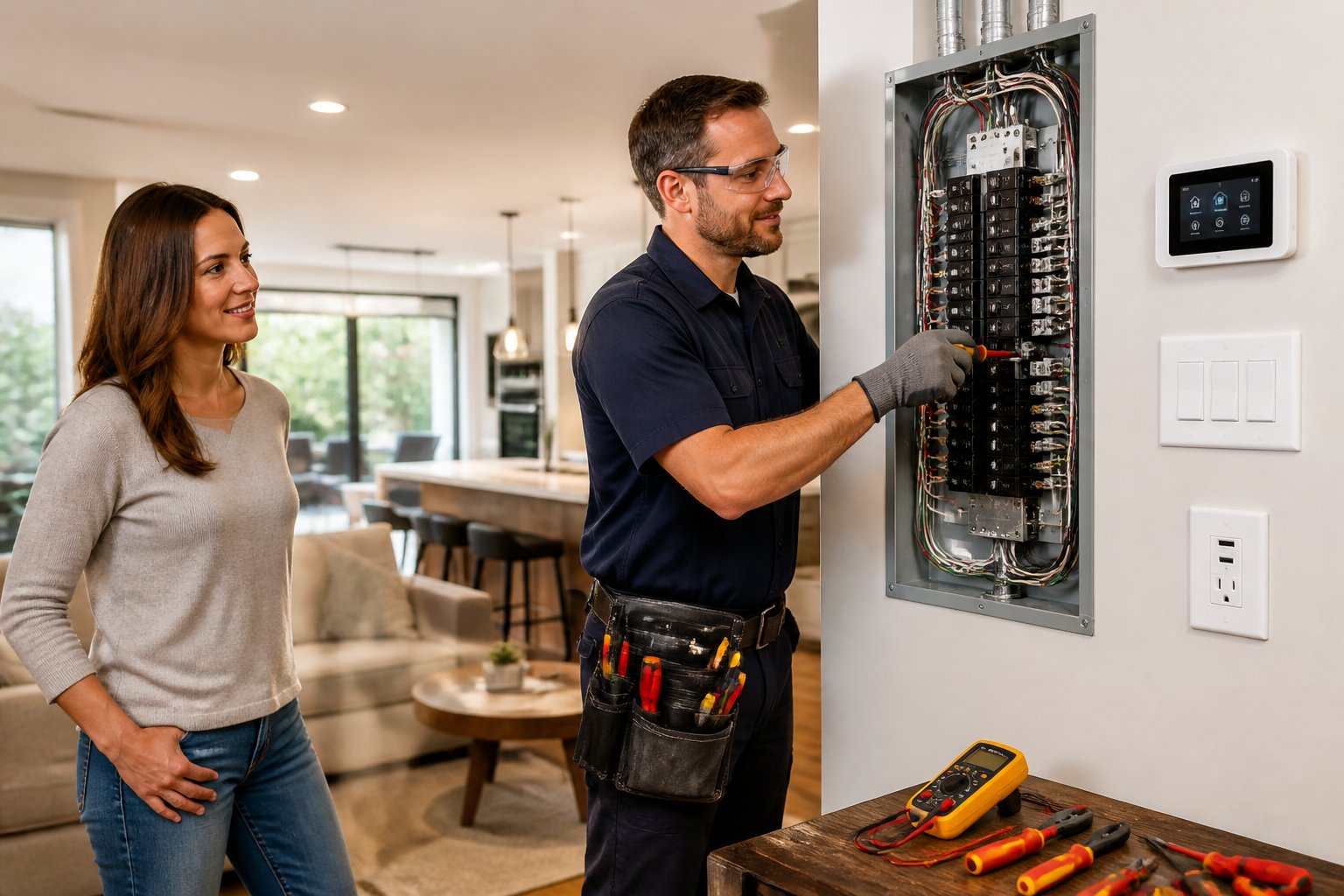
Going with a pro means you get licensed, insured folks who actually know what they’re doing. They handle the tricky stuff—upgrading circuit breakers, setting up transfer switches, and making sure everything’s up to code. Plus, they take care of permits, which can be a headache in Sacramento and nearby towns.
If you’re thinking about DIY, sure, you might save some cash upfront. But the risks? They’re real. Mess something up and you could be looking at power problems or even safety hazards. It’s slower, too, and you’ll need tools and some serious electrical know-how. Honestly, for something as important as a home generator, having AAA Electrical Services or another trusted company handle it just feels safer.
Timeline and Preparation Steps
It all starts with picking a good spot near your main electrical panel. The tech might need to upgrade your circuit breakers so the system doesn’t trip when the generator kicks on.
Mounting a transfer switch comes next, which lets you control where the power flows during an outage. Permits and inspections? Pretty much always required, and they can stretch the timeline a bit.
Most installs wrap up in one to three days, start to finish. If you clear the area and plan for a short power cut, things go a lot smoother. AAA Electrical Services keeps you in the loop and aims for a quick, safe install without a bunch of back-and-forth.
Maintenance Tips for Longevity
To keep your whole-house generator running well, you’ve got to give it some attention. Check it regularly and get it serviced every year—don’t wait for it to fail when you really need it.
Routine Inspections
Every few months, pop the hood (well, not literally, but you know what I mean) and check things over. Look at the oil and air filter—if either’s low or dirty, it’ll bog down performance.
Give the battery and connections a once-over. Tighten up any loose cables and clean off corrosion. Try running the generator under load for about half an hour. Keeps everything lubricated and ready for action.
Listen for weird noises, sniff for odd smells, and scan for leaks during these tests. Catching little issues early saves you from bigger headaches later.
Annual Servicing
Once a year, go for a full tune-up. Change the oil, swap out filters, and check spark plugs or fuel lines. It’s basic stuff, but it makes a difference.
AAA Electrical Services can send out a pro with the right gear and parts. They’ll handle it all in one visit, usually from a van that’s got everything on board.
They’ll also test the transfer switch and wiring—just to be sure your generator’s actually going to power up the whole house when you need it.
Frequently Asked Questions
A whole-house generator keeps your place running when the grid goes down, protects your appliances, and keeps life comfortable. If you’re weighing your options, you’re probably wondering about the perks, sizing, costs, installation, and what kind of upkeep you’re signing up for.
What are the benefits of having a whole-house generator?
A whole-house generator steps in when the power goes out—lights stay on, heating and cooling keep working, and your fridge doesn’t turn into a science experiment.
No need for extension cords or picking which appliances to unplug. Plus, it keeps security systems and medical devices online, which is kind of a big deal.
How do I determine the right size generator for my home?
You’ll want a generator that matches your home’s energy use. Most whole-house units run from 7,000 to 20,000 watts, depending on what you’re powering.
Add up the wattage for your biggest appliances. If you’re not sure, AAA Electrical Services can help you figure out what size keeps everything running without hiccups.
What is the typical cost of installing a whole-house generator?
Costs usually land somewhere between $5,000 and $12,500. It depends on generator size, how tricky the install is, and local permit requirements.
AAA Electrical Services gives you flat-rate pricing, so you know what you’re in for before anyone starts drilling holes.
Can I install a whole-house generator myself, or should I hire a professional?
This job means working inside your electrical panel and messing with wiring. For safety’s sake, hiring a licensed pro is the smart move.
AAA Electrical Services’ certified techs handle everything, making sure your system is safe and up to code.
What maintenance does a whole-house generator require?
You’ll need to change the oil, replace filters, and check the system regularly. Keep the area around it clear for ventilation—no one wants exhaust backing up.
A professional service, like AAA Electrical Services, can do a full checkup to keep things running smooth and reliable.
How often should a whole-house generator be tested to ensure functionality?
Try to test your generator about once a month. Let it run under load for 15-30 minutes—just to make sure it’ll actually kick in when you need it.
Honestly, giving it a look during seasonal maintenance isn’t a bad idea either. That way, you can spot any weird issues before they turn into real problems.