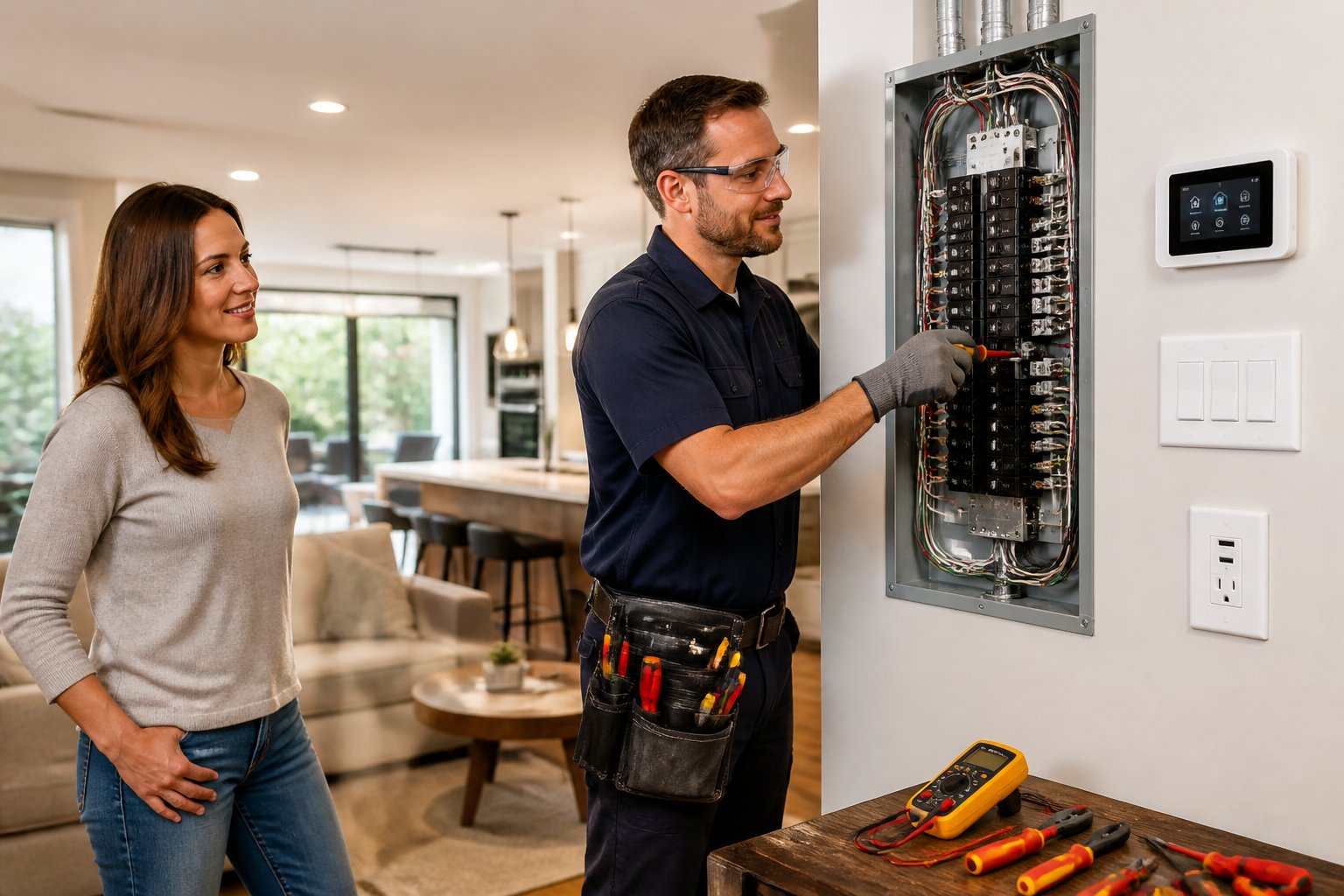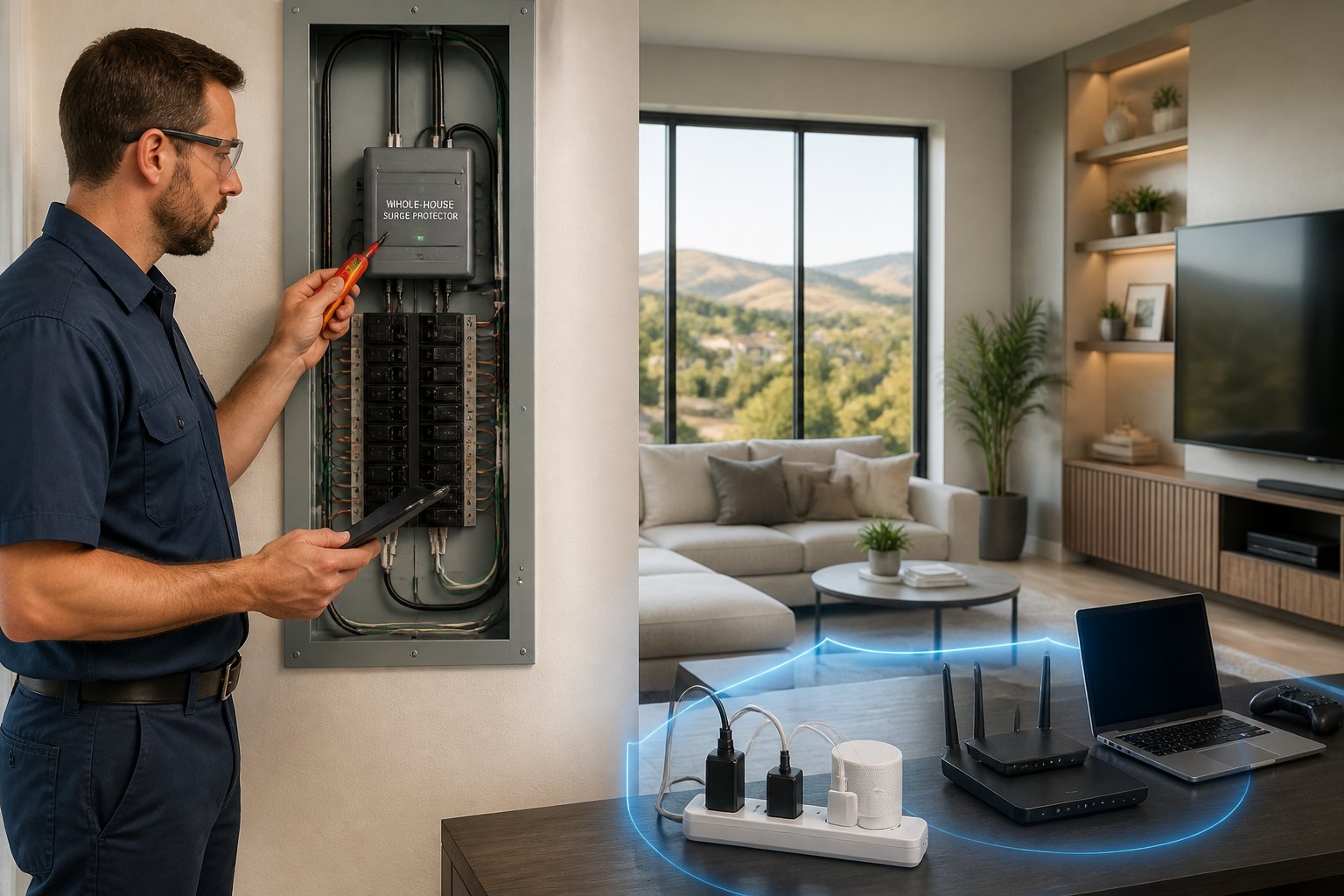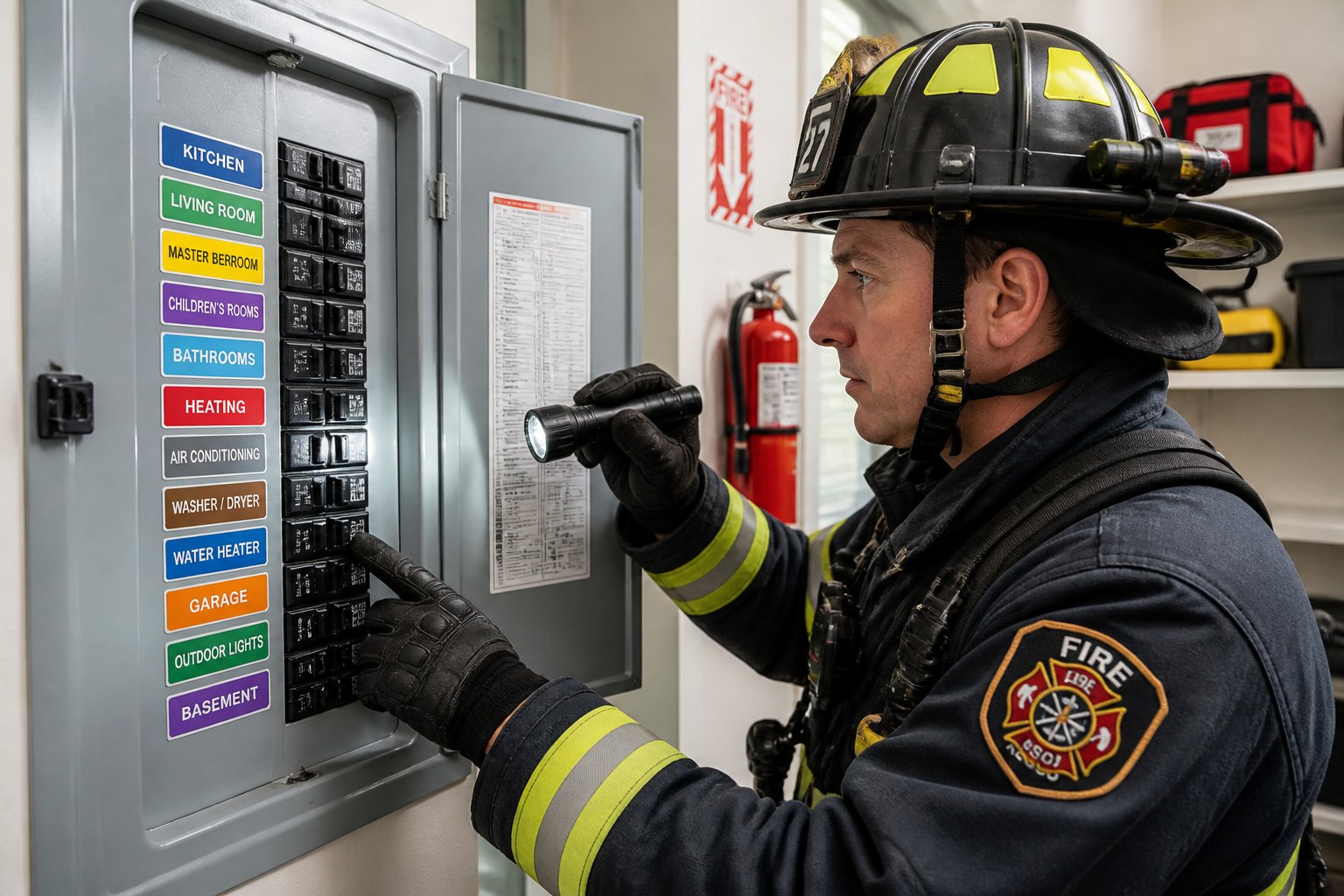
Most folks don’t think about their breaker panel until something’s burning, buzzing, or tripping. But that little directory? It can be the difference between a close call and a disaster. Proper panel labeling isn’t just for show—it lets you cut power fast, skip the guessing, and keep your family safer when every second seems to matter.
Clear panel labels also make troubleshooting less of a headache, speed up service calls, and help first responders or a licensed electrician do their jobs without confusion. In homes from Sacramento to Roseville, Elk Grove, Folsom, and nearby, accurate labels keep people from shutting off the wrong circuit, let responders focus on the real hazard, and make urgent repairs way less stressful.
When your panel’s organized and easy to read, you get more than just convenience. You get a safer way to disconnect, better control during emergencies, and a little peace of mind knowing your electrical system’s not leaving you in the lurch.
Key Takeaways
- Clear labels cut down on dangerous guesswork.
- Accurate directories make emergency shutdowns faster.
- Updated panels help keep repairs and inspections safer.
How Clear Breaker Directories Help In An Emergency
A good breaker directory lets you spot the right circuit instantly—no fumbling around in a panic. Electricians and first responders can see the panel schedule, find the right circuit breakers, and act quickly when safety’s at stake.
Why Seconds Matter During Smoke, Sparking, Or Burning Odors
If you smell burning insulation or spot smoke by an outlet, you don’t have time to play breaker roulette. Clear labels let you cut power to the right spot fast, stopping damage from spreading. A readable circuit map can keep a small issue from turning into a disaster.
How Accurate Circuit Identification Reduces Dangerous Guesswork
Guessing which breaker handles the kitchen, garage, or AC? That’s a recipe for mistakes—maybe even shutting off something vital at the worst time. Accurate circuit IDs help you isolate problems quickly and avoid killing power to things like medical devices or fridges when you need them most.
What First Responders And Electricians Need To See Quickly
First responders and electricians want clear breaker labels, a full panel schedule, and honest circuit names they can trust. They’ll also want to know if a breaker controls big stuff—water heaters, furnaces, EV chargers, or a subpanel. When labels are up to date and readable, everyone stays safer.
What Good Panel Labels Should Include
Good panel labels tell you exactly where each circuit leads and what it powers. The best labels are simple, specific, and easy to match to actual rooms, appliances, or safety devices.
Specific Room And Load Descriptions Homeowners Can Understand
Use real descriptions like “primary bedroom outlets,” “garage lights,” or “kitchen countertop outlets”—not vague stuff like “miscellaneous.” You shouldn’t have to guess what each breaker protects. If a load only serves one big appliance, say so.
When To Note GFCI, AFCI, And Dedicated Circuits
If a breaker feeds a GFCI-protected bathroom or an AFCI-protected bedroom, write that on the label. Same goes for dedicated circuits—fridges, microwaves, sump pumps, EV chargers, and furnaces. That detail helps you avoid flipping the wrong breaker and makes service calls faster.
Why Voltage And Warning Information Matters
Voltage ratings and warning labels matter if your panel has special equipment, multi-wire circuits, or anything that needs extra caution. Those warnings can save you or a tech from a nasty surprise. Clear labeling helps everyone make safer choices, especially with newer gear or added features.
Common Labeling Mistakes That Create Safety Risks
Bad labels are almost as risky as no labels. The biggest offenders? Handwritten notes you can’t read, directories that never get updated, and circuit names that don’t match what’s actually in the panel.
Why Handwritten Labels Often Cause Confusion
Handwritten labels fade, smudge, or just disappear when the panel gets dusty or hot. They’re often missing details, which slows down repairs. If your home’s been worked on over the years, old handwriting might not match what’s really there.
The Problem With Outdated Directories After Remodels
Remodels can shuffle circuits around, but people rarely update the panel labels to match. You end up with a directory that looks fine but sends you to the wrong breaker when it matters. Always update labeling after changes—kitchen makeovers, new lights, extra outlets, solar, or a panel upgrade.
How Vague Names Slow Maintenance And Troubleshooting
Labels like “bedroom,” “misc,” or “upstairs”? They’re not helpful. You waste time checking circuits one by one. Clearer names make repairs faster and safer, and your panel more reliable in the long run.
Safety Rules And Code Standards Homeowners Should Know
Panel labeling isn’t just a nice touch—it connects to real safety expectations in the national electrical code and similar standards. Good labeling supports code compliance and makes everyone’s job safer.
What The National Electrical Code Requires For Identification
The national electrical code wants breakers and circuit info to be legible and specific enough to ID the area or equipment supplied. That’s why accurate labeling matters during inspections and repairs. When labels match the circuits, you cut down on confusion and help protect your home from avoidable hazards.
How OSHA Labeling Requirements And NFPA 70E Apply
OSHA and NFPA 70E focus more on workplaces and big electrical setups, but their safety ideas still apply at home, especially with major equipment. Readable labels, hazard warnings, and clear circuit IDs help people take the right precautions before opening a panel. That’s a bigger deal if you’ve got a workshop, detached garage, or multiple subpanels.
When Arc Flash And Shock Warnings Matter More In Complex Setups
Arc flash info really matters if your system has higher-capacity gear, generators, solar, or oddball distribution setups. Shock and ground fault risks go up, and warning labels keep people alert. A licensed electrician can tell you if your setup needs more than just a basic breaker directory.
How To Verify Circuits Without Taking Unnecessary Risks
Verifying circuits is helpful, but you’ve got to do it safely. The best methods use circuit tracing, careful testing, and leaving live panel work to a pro if it’s more than a simple check.
Safer Ways To Trace A Breaker To A Room Or Appliance
You can start tracing by flipping one breaker at a time and checking what turns off. A helper, a floor plan, and a simple circuit map make it easier. If your home in Sacramento, Folsom, or Citrus Heights is a maze, let a pro handle it—they’ll get it done with less hassle.
When A Non-Contact Voltage Tester Helps
A non-contact voltage tester can tell you if a receptacle or switch still has power before you touch it. It’s handy for basic checks, especially when updating labels. Still, use it within its limits—it’s not a replacement for a professional’s tools or know-how.
Why Lockout/Tagout And Live Panel Work Are Jobs For Pros
Lockout/tagout and live panel work? Leave that to the pros. Those steps are there to stop accidental energizing and protect people from nasty shocks. If you need fast, same-day service, AAA Electrical Services sends out clean, respectful techs in stocked vans to diagnose, update labels, and fix things safely with clear flat-rate pricing.
When Relabeling Should Be Part Of A Bigger Electrical Update
Relabeling usually makes the most sense when you’re already upgrading your electrical system. A panel swap, new equipment, or even a remodel can totally change how power flows, so tough, readable labels should be part of the plan.
Signs Your Home May Need A Panel Upgrade
If breakers trip a lot, the panel cover gets warm, you hear buzzing, or you’ve added big loads like EV chargers or hot tubs, it might be time for a panel upgrade. Growing areas like Elk Grove, Rocklin, and Natomas often need more capacity as families add more tech and appliances. When the panel changes, don’t forget to update the labels.
Choosing Durable Labels That Last
Durable labels beat out handwritten notes or cheap stickers every time. Look for materials that stand up to fading, moisture, and regular use, so your labeling stays readable for years. Strong labels mean you’re not redoing them over and over.
When Professional Label Printing Improves Long-Term Reliability
Industrial label printers—like DuraLabel—make panel labeling more consistent and readable, especially if you’re doing a full refresh. Uniform, printed labels make troubleshooting easier down the road. For homeowners who want reliable panel labeling and better safety, a proper printed directory can save time during inspections, repairs, and in emergencies.
Frequently Asked Questions
How does clear electrical panel labeling help first responders act faster during an emergency?
Clear labeling shows responders which breaker controls the trouble spot, so they can shut off power right away. That’s huge during smoke, fire, flooding, or a burning odor—when they need access to the right disconnect fast.
What safety risks can happen when breaker panels are mislabeled or not labeled at all?
Mislabeled panels can send you to the wrong breaker, waste precious time, or kill power to the wrong spot. That confusion ups the risk of shock, damage, and slow response in an emergency.
Which areas of a facility should be labeled to help emergency crews quickly shut off power?
At home, label circuits for kitchens, laundry rooms, bathrooms, garages, HVAC, water heaters, EV chargers, generators, and any detached structures or subpanels. The idea is to help crews find the right circuit fast and safely.
What do OSHA and NFPA guidelines typically expect for electrical panel and circuit labeling?
They expect labels to be readable, accurate, and specific—enough to support safe operation, maintenance, and emergency response. In more complex setups, you might need hazard warnings and arc flash info too.
What information should a good panel label include to avoid confusion during an incident?
A good label should list the room or load, mention GFCI or AFCI protection if it’s there, and show any key voltage warnings or notes about dedicated circuits. The wording should be clear enough that you can act fast without second-guessing.
How often should panel labels be checked and updated after renovations or equipment changes?
Check those labels whenever you remodel, swap out appliances, upgrade the panel, add solar, or repair a circuit. Honestly, it doesn’t hurt to glance at them during regular electrical checkups—keeps things accurate and way less confusing if something ever goes wrong.