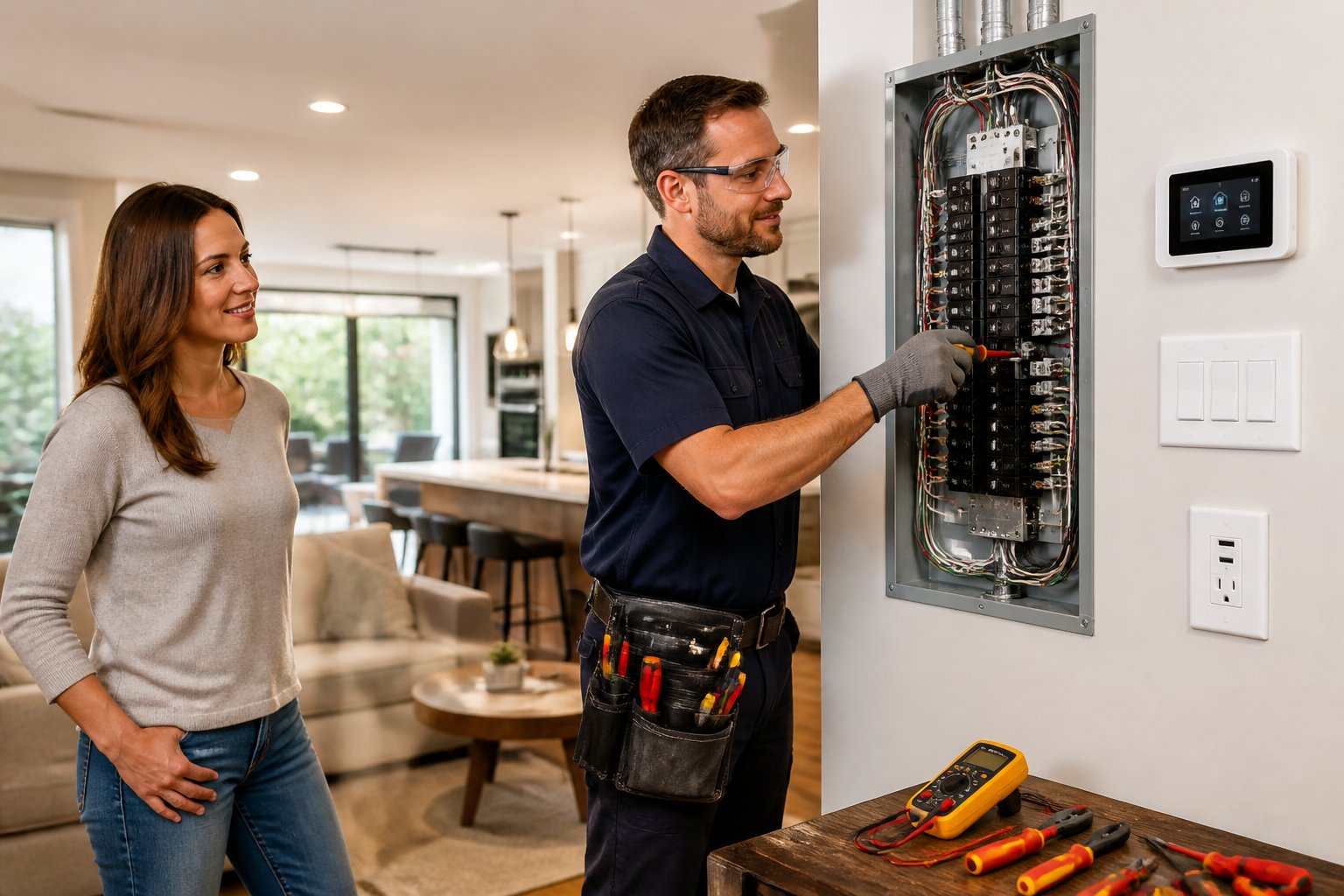
Thinking about adding or swapping outlets in Yuba City? You want safe, code-compliant outlet installation that protects your family and keeps your home running—without the guesswork. Local licensed electricians can put in new outlets, swap old ones for GFCI or USB types, and add circuits for big-draw devices like EV chargers or kitchen gadgets.
Try to plan outlet placement around how you actually use each room—and maybe even for future stuff, like a home office or electric car. AAA Electrical Services offers same-day service, flat-rate pricing, and techs who show up with the right parts for most jobs, so you’re not stuck waiting days to use your new outlets.
Overview of Electrical Outlet Installation in Yuba City
Putting in new outlets or upgrading them in your Yuba City home can boost safety, let you use new appliances, and make sure you’re up to code. You’ll have choices for outlet types, need to follow permit rules, and get real benefits from hiring licensed electricians.
Common Types of Electrical Outlets
Standard 120V duplex outlets cover most basics—lamps, chargers, you name it. Tamper-resistant (TR) outlets are a good idea, especially with kids around, since they block small objects and are now required in homes for child safety.
In kitchens, garages, and outside, Ground-Fault Circuit Interrupter (GFCI) outlets protect against shocks. You’ll need them anywhere water and electricity might mix. Arc-Fault Circuit Interrupter (AFCI) outlets or breakers help prevent wiring fires, especially in bedrooms and living rooms.
Heavy appliances or an EV charger? You’ll need a dedicated 240V outlet or its own circuit. USB outlets and smart switches are handy, but only if the circuit can handle them. Pick outlets rated for what you’ll actually plug in—no one wants overheating or tripped breakers.
Local Electrical Codes and Permits
Yuba City sticks to California and local building codes for outlet placement, circuits, and safety devices. You’ll find GFCI rules for kitchens, bathrooms, garages, and outdoors, plus AFCI requirements in most living areas. Spacing matters too—outlets need to be close enough so you’re not relying on extension cords, especially along walls and countertops.
Most new outlets or circuit changes require a permit and inspection. This isn’t just red tape—permits make sure work is safe and keep your home insurance valid. Licensed electricians know what local inspectors look for and can handle permits for you, which saves time and headaches if something’s not right.
Why Professional Installation Matters
A pro electrician matches outlets to the circuit, the code, and how you’ll use them. They’ll test wiring, grounding, and safety devices like GFCIs and AFCIs, so you’re not left with shocks, fire risks, or annoying trips. Pros also catch hidden issues—old knockouts, aluminum wiring, or overloaded panels—that could turn a “simple” job into a real safety fix.
Go with a licensed, insured team offering upfront pricing and same-day service when possible. AAA Electrical Services focuses on safety, sends licensed pros, and stocks their vans so they can fix things fast—especially handy if your project hits a snag.
Planning Your Electrical Outlet Placement
Good outlet placement just makes life easier and safer. Think about what you plug in, where you need to charge devices, and how to avoid overloading circuits.
Assessing Your Home's Electrical Needs
Walk through each room and jot down the devices you use most. High-draw stuff like fridges, microwaves, window ACs, heaters, and EV chargers need special attention. Count up where you want outlets—countertops, next to the bed, desks, and media centers.
Some spots need their own circuits (kitchen, laundry, garage, or a workbench). Dedicated circuits help prevent trips and lower fire risk. Also, check your panel—older homes here might need upgrades before you add a bunch of outlets.
Don’t forget future plans. If you might add an EV charger or workshop, plan those circuits now. It’s easier (and cheaper) to do it all at once.
Choosing Optimal Locations
Put outlets where you’ll actually use them—no one likes tripping over extension cords. In living rooms, outlets go at standard height behind media centers and every 6–12 feet along walls. Kitchens have their own spacing rules; GFCIs go near sinks.
Bedrooms? Outlets on every wall and near beds for lamps and chargers. Garages and basements need weatherproof or heavy-duty outlets, and GFCI protection anywhere moisture might be an issue. Mount higher outlets for wall TVs and consider USB combos for charging.
Sketch it out on a floor plan before anyone drills. Mark heights, appliance spots, and where cables will run. It helps your electrician and keeps surprises to a minimum.
Safety Precautions Before Installation
Turn off power at the breaker and double-check with a tester before touching wires. If you’re not certified, seriously, bring in a licensed electrician—working live can be deadly. Yuba City follows NEC and local codes, so a pro keeps you compliant and takes care of the permits.
Use GFCI outlets by water and AFCI protection in bedrooms and living spaces. Label new circuits in the panel so the next owner (or tech) knows what’s what. Ask for a post-install inspection to confirm it’s safe and up to code.
AAA Electrical Services sends licensed techs, offers upfront pricing, and can often do the job same-day to keep things smooth and safe.
Step-By-Step Electrical Outlet Installation Process
Here’s a quick walkthrough of the tools, safety prep, and wiring steps for a safe new outlet install. Run through the checklist, shut off power, and make solid wire connections to stay on the right side of code—and protect your home.
Gathering the Right Tools and Materials
Grab these before you start: voltage tester, wire strippers, needle-nose pliers, screwdrivers, outlet box (old work or new), 15A or 20A outlet (match your circuit), grounding screw, wire nuts, electrical tape, and the right wire (14/2 for 15A, 12/2 for 20A). Don’t forget a flashlight, safety glasses, and gloves.
For kitchens or baths, get a GFCI outlet. Wall-mounted TV or big appliance? You’ll want a dedicated circuit and heavier wire. Keep your permits and code book handy—most places require GFCIs near sinks and have box fill rules.
Preparing the Work Area
Shut off the breaker for the circuit you’ll be on and lock the panel if you can. Use a non-contact tester at the outlet or wires to make sure power’s really off. Clear the area, watch for drywall dust, and lay down a drop cloth.
Mark the outlet spot and height with a level. If you’re cutting a new hole, follow the box template and steer clear of studs or pipes. For remodel (old-work) boxes, check that the drywall fits the box clamps. If you spot damaged insulation or burned wires, stop and call a licensed pro. No shame in that—better safe than sorry.
Wiring and Securing the Outlet
Feed the cable into the box and secure it to the stud or use old-work clamps. Strip about 3/4 inch of insulation from each wire. Connect the hot (black) wire to the brass screw, neutral (white) to silver, and bare ground to green. Tighten the screws well—loose wires can overheat.
Push the outlet in gently, making sure wires aren’t pinched. Use the right screws to mount the outlet flush with the wall. Turn the power back on and test with a receptacle tester for correct wiring and ground. If it’s a GFCI, check the trip button. AAA Electrical Services sends techs who follow these steps and focus on family safety—plus, they can handle same-day repairs if you need it.
Upgrading Outlets During Remodeling
Upgrading outlets can cut shock and fire risks and bring modern convenience. Focus on smart placement, code rules, and hiring licensed techs for work that lasts.
Replacing Standard Outlets With GFCI
Remodeling a kitchen, bath, garage, or outdoor space? GFCI outlets are a must where water’s around. They cut power fast if there’s a fault, lowering shock risk near sinks, counters, and appliances.
Wire each GFCI to protect the right downstream outlets—a single GFCI can cover several if done right. Yuba City code usually requires GFCIs in wet spots, so pull a permit if you need one.
Always test after install—hit the test/reset buttons to make sure it trips and resets. A licensed electrician will wire it right, label everything, and make sure your remodel passes inspection.
Adding USB and Smart Outlets
USB outlets make charging phones and tablets way easier—no more hunting for adapters. Pick ones with surge protection and enough ports for your stuff. Put USB outlets by nightstands, desks, and kitchen charging spots.
Smart outlets let you control lights and gadgets from your phone or voice assistant. If you’re adding smart wiring, check your Wi‑Fi and label circuits clearly. Use dedicated circuits for big loads like kitchen islands or home offices to avoid overloads.
A licensed tech can swap in USB or smart outlets, keep wiring tidy, and test the load. AAA Electrical Services offers same-day upgrades, stocked vans, and flat-rate pricing to get it done fast and safely.
Hiring a Licensed Electrician in Yuba City
You want outlet work that’s safe, up to code, and done without drama. Look for licensed techs with clear pricing, same-day service, and a clean work area.
Evaluating Local Electrical Contractors
Check that your electrician has a valid California license and insurance. Ask for their license number and look it up online. Make sure they do background checks and have certifications, especially for EV chargers or panel work.
Techs who keep common parts in their vans can finish jobs faster. Ask about flat-rate pricing, satisfaction guarantees, and a clean-home policy.
Read recent reviews from Yuba City or nearby places like Sacramento and Lincoln. Call and see how quickly they respond and how clearly they explain the job, materials, and permit needs.
For a local pick, AAA Electrical Services stands out for same-day service, stocked vans, and a safety-first mindset. Limit yourself to one or two companies when comparing.
Comparing Estimates and Services
Get written estimates from at least two licensed electricians. Each should list labor, parts, permits, and any warranty. Look at the total price, not just the hourly rate.
Ask about timelines and whether they offer same-day or next-day service. Confirm if they’ll handle permits and inspections for Yuba City codes.
Check warranty and follow-up policies. Flat-rate quotes and a clear satisfaction guarantee are best to avoid surprises. Make sure the crew uses safety gear and follows code for outlets, GFCI/AFCI, and load calculations.
Cost Factors for Electrical Outlet Installation
Costs will vary depending on materials, labor, permits, and how tricky the job is. Knowing what affects the price helps you compare estimates and avoid sticker shock.
Breakdown of Installation Costs
Materials: Standard outlets are cheap, but GFCI or tamper-resistant ones cost more. USB, smart, or weather-resistant models bump up the price.
Labor: Electricians might charge flat-rate or hourly. Flat-rate gives you the full cost up front and keeps surprises down. Same-day service and stocked vans can cut time on-site, which usually lowers labor hours.
Permits & inspection: Yuba City and nearby towns may tack on a permit fee. Costs vary by city and job, so factor that in.
Other stuff: New wiring, longer runs to the panel, or a subpanel tie-in add to the bill. AFCI/GFCI protection or dedicated circuits also mean higher totals.
How Complexity Affects Pricing
Accessibility: Outlets in unfinished basements or open walls go in fast and usually cost less. But if you need an outlet behind cabinets, inside stucco, or tucked away in finished walls, that’s going to take more time and effort. Cutting, fishing, and patching all add up on the invoice.
Wiring condition: Old or damaged wiring? That’s a headache. Replacing it’s not just a safety thing—it bumps up the price, especially if you need panel upgrades or new circuits. Permits and extra parts aren’t cheap.
Code upgrades and safety: Adding AFCI or GFCI protection, or getting circuits up to code, costs more. Licensed techs do this right—parts, testing, peace of mind. It’s not a corner you want to cut.
Scope and timing: If you bundle a few outlets into one visit, the per-outlet rate drops. Emergency or same-day jobs can mess with scheduling, but a team with stocked vans and flat-rate pricing often gets it done quicker and with less hassle. AAA Electrical Services leans into safety, clear pricing, and efficiency.
Safety Tips for Homeowners
Keep your family safe. Watch for warning signs and know when to call a licensed electrician. Check outlets, cords, and your breaker panel now and then. Don’t ignore weird sounds, burning smells, or heat.
Signs of Electrical Problems
Feel for warm outlets or look for burn marks on the faceplate. That’s usually loose wiring or an overload—don’t wait on those.
Flickering or dimming lights when you use appliances? That’s a red flag for weak circuits or bad connections. If your breaker keeps tripping or won’t reset, something’s wrong.
Hear buzzing from outlets or the panel? Or smell burning plastic or hot insulation? That’s urgent. Tingling from metal appliance casings means grounding issues—definitely not normal.
Old two-prong outlets, cracked covers, or loose receptacles that wiggle when you plug something in—those need attention too. Toss damaged cords and don’t run them under rugs.
When to Call an Expert
Call a licensed electrician if you smell burning, see sparks, or have a breaker that won’t stay on. That’s not a DIY moment—fires start that way.
Bring in a pro to add or move outlets, especially near water (kitchens, bathrooms), or for GFCI/AFCI installs. Codes require these, and a licensed tech knows the right spots and wiring.
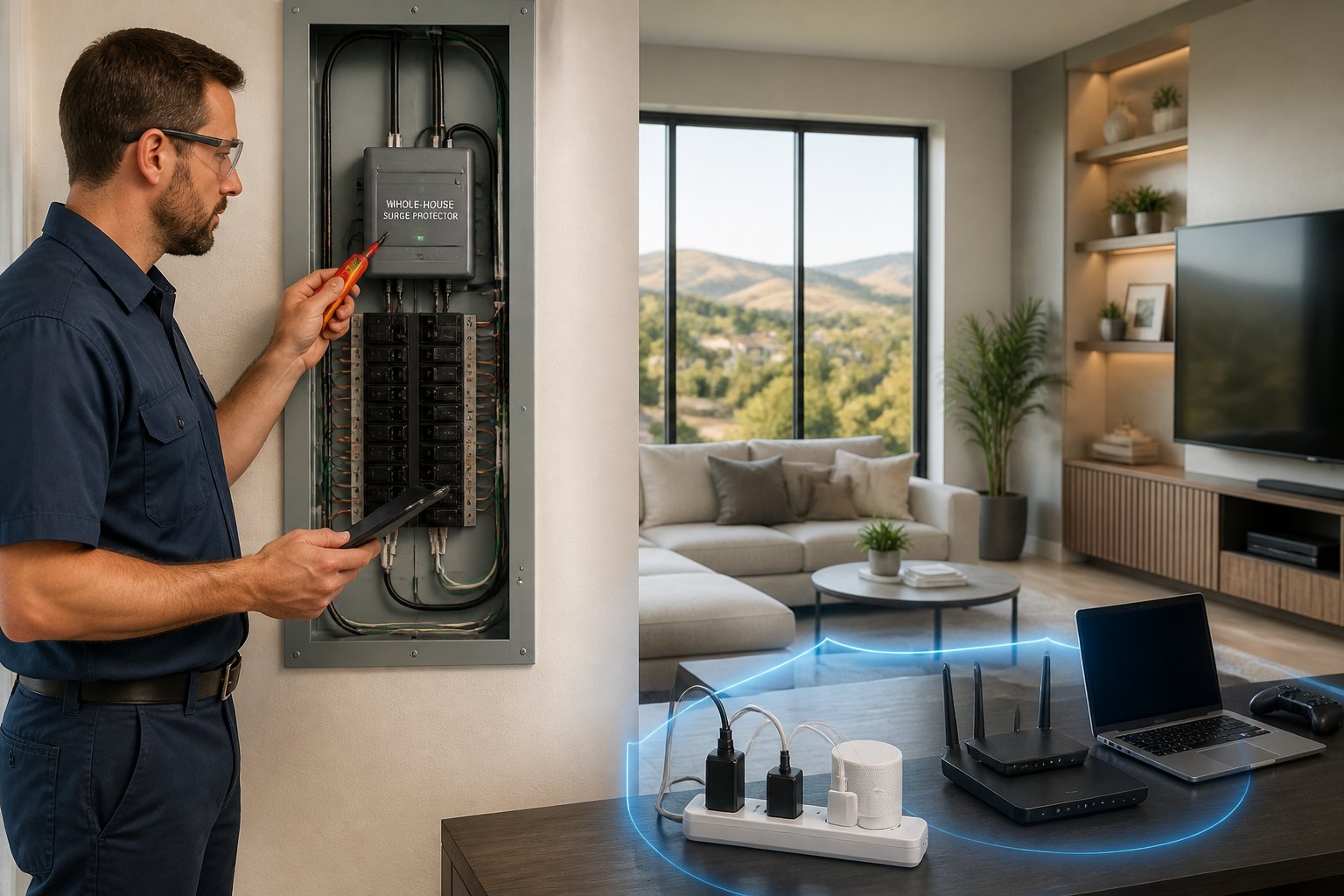
Homes with aluminum wiring, big voltage drops, or a panel older than 25–30 years? Get an inspection. A certified electrician can suggest upgrades, surge protection, or safer wiring.
Look for companies offering same-day service, flat-rate pricing, and background-checked techs. AAA Electrical Services does safety-first work, with stocked vans for faster repairs.
Warranty and Maintenance Recommendations
Check warranty terms before the job starts. Ask for written details—what’s covered, how long, and what’s not.
Keep all receipts, permits, and technician reports. Snap photos after installation and jot down dates and model numbers. It’ll save you headaches later.
Schedule routine maintenance every year or two. A pro inspection catches worn wiring, loose connections, or missing GFCI/AFCI protection.
Don’t overload outlets, unplug damaged cords, and swap out cracked covers. Test GFCI outlets monthly—just press the test and reset buttons.
If something fails, call your installer right away. Many techs offer flat-rate, same-day repairs from stocked vans, so most jobs are done in one trip.
AAA Electrical Services stands by their work with clear warranties and certified techs. Ask about membership discounts and the $35-off deal for new customers when you book maintenance.
Contacting Local Experts in Yuba City
Need outlet installation in Yuba City? Call a local licensed electrician. You’ll get safety-first work from trained pros who follow code and actually care about your home.
Ask about same-day service and flat-rate pricing. Stocked vans mean faster repairs—usually just one visit, less hassle.
Before you call, jot down what you need: outlet type, location, any old wiring issues, and if you want GFCI or USB options. It helps the team give a better estimate and bring the right parts.
Mention any promos when you book. AAA Electrical Services offers a new-customer discount and a membership program for more savings.
Double-check licensing, insurance, and background checks. Ask about warranties, how the techs train, and what steps they take to protect your home during the job.
You can call or use the company’s online form to request a same-day slot if it’s urgent. Keep notes on your appointment, pricing, and any follow-up so you can stay organized.
Frequently Asked Questions
Here are straightforward answers about costs, safety, and picking a trusted electrician in Yuba City for outlet installation. You’ll find typical prices, service options, and tips for getting safe, code-compliant work without the runaround.
How much does it typically cost to install a new electrical outlet?
A standard new outlet on an existing circuit usually runs $75–$200. That covers labor and a basic outlet, but prices swing depending on your area.
Need a new circuit, GFCI, or USB/AFCI outlet? Expect $200–$500 or more. Adding a circuit means more labor, wire, and a permit, so the price jumps.
What are the best-rated electrical outlet installation services in Yuba City?
Look for licensed electricians with solid local reviews, fast response, and clear pricing. Prioritize companies with same-day service, flat rates, and background-checked techs.
AAA Electrical Services is known for same-day options, stocked vans for quick fixes, and transparent pricing. Always check reviews and certifications before you pick anyone.
Is it possible to install an electrical outlet on my own, and is it safe?
You can handle simple swaps if you turn off the power, test the circuit, and follow directions. Replacing a worn outlet or installing a plug-in GFCI isn’t too tricky.
But running new outlets, adding circuits, or working in the panel is risky and usually needs a permit. For those, hire a licensed electrician to keep your home safe and up to code.
Do any electricians offer free electrical outlet installation in Yuba City?
Free full installs? Not really—permits, parts, and labor all cost something. Some companies toss in small discounts or promos instead.
You might see $35 off your first service or member deals. Just ask what’s current and what’s covered.
How can I find a reliable electrician for outlet installation in my home?
First, check licensing, insurance, and local reviews. Ask about flat-rate pricing, same-day service, and if they keep parts on their vans for faster repairs.
Ask for proof they handle permits and get a written estimate. A good team will walk you through safety steps, offer clear pricing, and treat your home with respect.
What's the average minimum charge for an electrical outlet installation by a professional?
Most electricians charge a minimum service fee, usually somewhere between $75 and $150. That covers their travel and basic labor—even if all you need is one outlet replaced.
It's smart to ask upfront about these minimums and what exactly they include. Flat-rate pricing can save you from those sneaky extra fees nobody likes.