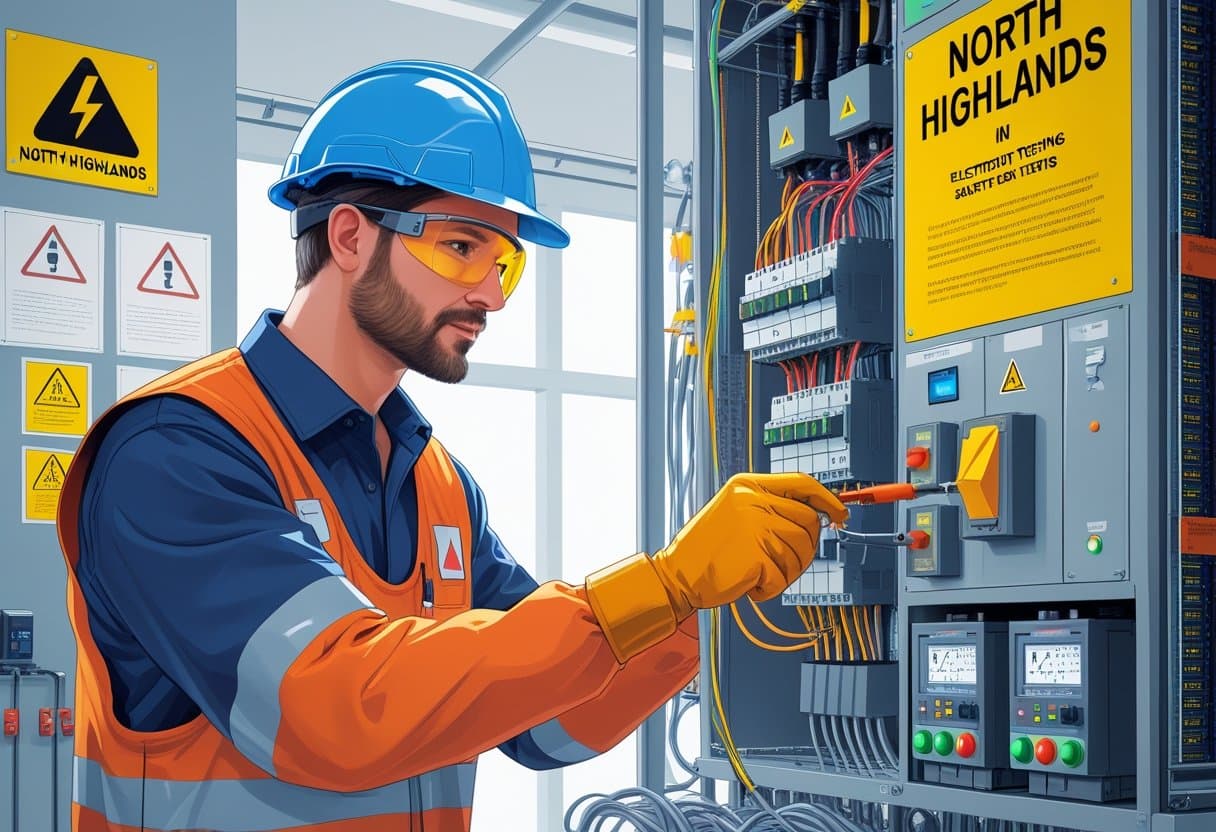
Worried your home or business in North Highlands might have hidden electrical hazards? You can get a real answer fast with proper electrical safety testing that checks wiring, panels, outlets, and breakers for risks and code compliance. A professional safety test finds actual problems, helps prevent shocks and fires, and gives you peace of mind so you can protect your family and property.
This article digs into what these tests cover, how local rules shape inspections, and what you’ll get from a reputable provider in the Sacramento area. I’ll touch on choosing a certified team, what same-day service and flat-rate pricing really mean, and why it matters when techs show up with what they need to fix things on the spot.
If you want peace of mind from experienced pros, AAA Electrical Services delivers safety-first electrical work by licensed professionals with upfront pricing and, often, same-day service. Let’s break down which tests your home might need and how to get them scheduled—no surprises.
Understanding Electrical Safety Testing
Electrical safety testing checks wiring, breakers, outlets, and devices to keep your home and family safe. It confirms insulation, grounding, and circuit function so you’re less likely to face shocks, fires, or fried appliances.
What Is Electrical Safety Testing?
Electrical safety testing uses both visual checks and specialized tools to see how well circuits and components work. Technicians test insulation resistance, continuity, grounding, and voltage at outlets and panels.
Tests usually include:
- Insulation resistance to catch wiring breakdowns.
- Continuity and polarity checks for correct connections.
- Grounding and bond tests for safe fault paths.
- Circuit breaker and load tests to make sure breakers trip when they should.
A licensed electrician follows local codes and documents results. You get clear findings and repair recommendations so you can plan next steps confidently.
Importance of Electrical Testing in North Highlands
Regular testing protects homes from local headaches: older wiring, DIY fixes, and weather wear. North Highlands homes often need checks after storms, remodels, or when adding high-demand devices like EV chargers.
Testing helps you dodge:
- Overloaded circuits that trip or overheat.
- Ungrounded outlets that raise shock risk.
- Hidden faults that can cause fires over time.
Go with a licensed, insured team offering same-day service and flat-rate pricing. AAA Electrical Services provides family-first safety checks, stocked vans for fast repairs, and clear reports so you know what needs attention right away.
Common Electrical Hazards
Faulty wiring, loose connections, and overloaded circuits cause most electrical problems. Keep an eye out for flickering lights, warm outlets, buzzing, and breakers that trip a lot.
Other hazards include:
- Old cloth or aluminum wiring that breaks down over time.
- Ungrounded or badly wired outlets, especially near water.
- Damaged insulation from pests, nails, or moisture.
Don’t wait to address hazards—professional testing and repairs cut your risk and protect your home from bigger headaches.
Regulatory Standards and Compliance
Here’s what you should know about the main rules for electrical work in North Highlands, including inspections, permits, and hiring licensed electricians.
Local Regulations in North Highlands
North Highlands follows Sacramento County and city building permit rules for electrical work. You’ll need permits for new circuits, panel changes, EV charger installs, and most big repairs. Permit applications list the job’s scope, equipment, and contractor license. Inspections happen at key stages—rough-in and final—to check wiring, grounding, and breaker sizing meet code.
Local inspectors look for things like meter clearances, GFCI/AFCI protection in kitchens, bathrooms, garages, and outdoor outlets, and proper panel labeling. If work fails inspection, you’ll need to fix it and book a re-inspection. Honestly, hiring a licensed pro speeds up permits and lowers your odds of failed inspections.
National Electrical Code Requirements
The National Electrical Code (NEC) sets minimum safety standards across California. Key points: GFCI protection for wet areas, AFCI for living spaces, correct conductor ampacity, and proper equipment grounding. The NEC also covers outlet spacing, lighting circuits, and rules for EV chargers and solar.
California tweaks the NEC with state amendments. Local rules may require newer safety features than older homes have. When you plan panel upgrades or solar circuits, electricians must follow the latest NEC edition and install devices that pass listed tests.
Role of Certified Electricians
Certified electricians have state licenses and insurance. They know permits, NEC rules, and local inspection habits. Hiring a licensed pro helps you avoid code violations and fire hazards. Techs from AAA Electrical Services bring 40+ years of local experience, stocked vans, and upfront pricing to keep things clear.
Certified electricians handle safety testing like continuity, insulation resistance, GFCI/AFCI trip checks, and load calculations. They document results for permits and help you plan upgrades—panel replacements, EV chargers, surge protection—so you meet code and keep your family safe.
Types of Electrical Safety Tests
These tests check wiring, grounding, and devices so you know if circuits are safe and working. Meters and visual checks help spot damaged insulation, bad earth paths, reversed wiring, and failed equipment.
Insulation Resistance Testing
Insulation resistance testing measures how well wiring and cables resist electrical leakage. A tech uses a megohmmeter to apply a test voltage and spot insulation breakdowns or moisture. Low readings mean worn insulation, water leaks, or damaged sheaths—fire risks, basically.
Testers record values in megohms and compare them to code or manufacturer limits. They isolate the circuit, test between wires and earth, and keep a record for next time.
This test helps decide if wiring needs fixing before bigger faults pop up. It’s especially handy for older homes, outdoor wiring, and damp areas.
Earth Continuity Testing
Earth continuity testing checks that protective grounding paths are solid and can carry fault current to ground. The tester uses a low-voltage source and measures resistance from ground pins, metal enclosures, and panel earth bars back to the main ground.
Good continuity reads very low resistance (a few ohms or less). Higher readings point to loose connections, corroded clamps, or broken wires that could block breakers from tripping. Techs also look at clamps, bonding conductors, and subpanel links.
You want a strong earth path. If a fault hits exposed metal, a good ground trips the breaker and cuts shock risk.
Polarity Testing
Polarity testing checks that live, neutral, and earth wires connect to the right terminals at outlets and fixtures. A plug-in tester or multimeter confirms wiring. Reversed polarity can leave metal parts live even when you flip the switch off.
Techs test switches, outlets, and junctions, opening cover plates if needed to check wire colors and terminals. Polarity faults often come from DIY jobs or rushed repairs and can make appliances act weird or unsafe.
Correct polarity makes sure switches break the live wire and appliances ground right. Fixing these errors cuts shock hazards and protects your electronics.
Functionality Checks
Functionality checks make sure safety devices and everyday gear actually work under normal and fault conditions. This means testing breakers, GFCIs/RCDs, smoke alarm power, and surge protectors. Techs trip breakers, hit test buttons, and simulate faults where it’s safe.
They also verify lights, switches, and outlets work, and check panels for heat or odd noises. Reports note device ratings and anything that fails or looks worn.
You want these checks because functionality tests catch stuff that’s wired right but doesn’t work reliably. AAA Electrical Services techs can often fix common failures on the spot—stocked vans help with that.
Residential Electrical Safety Testing
A proper safety test checks wiring, breakers, outlets, and ground paths to find hazards before they become disasters. Here’s what to expect for routine checks, new-home certifications, and rental inspections—so you can keep your family and guests safe.
Scheduled Home Inspections
A scheduled inspection covers your panel, breakers, outlets, switches, and visible wiring for wear, loose connections, and grounding. The electrician tests GFCIs and AFCIs, measures voltage and load, and checks the panel for overheating, corrosion, or double-tapped breakers.
Expect the tech to document defects and offer clear fixes and costs. Ask for flat-rate pricing and whether they carry parts for same-day repairs. Safety-focused electrical work by licensed pros cuts fire risk and helps with insurance, too.
New Home Safety Certifications
Buying a house? A safety certification confirms code compliance and reveals hidden problems like bad bonding, overloaded circuits, or DIY wiring. Inspectors review permits, test smoke/CO circuits, and check that kitchen and bathroom circuits have GFCIs.
Ask for a written report listing repairs and a timeline. Certified techs can provide a signed certificate for lenders or insurers after corrections. With same-day service and stocked vans, you might get fixes done fast so you can close without delays.
Rental Property Testing
For rentals, focus on tenant safety and legal compliance. Inspections should cover breaker operation, outlet polarity, grounding, smoke detector wiring, and shared-system checks if multiple units share a panel. Landlords need to fix hazards quickly to avoid trouble.
Keep an inspection log and repair receipts for each unit. Consider a membership plan for ongoing discounts and faster response when tenants call. Honest pricing and clear reports help you manage costs and keep tenants happy.
Commercial and Industrial Testing Services
You get focused inspections that cut downtime, prevent fires, and keep equipment running to code. Services cover building compliance, individual equipment safety, and maintenance plans that fit your facility’s schedule.
Facility Compliance Inspections
Inspectors check the main service panel, distribution panels, and emergency systems for code compliance. They look at breaker sizing, labeling, grounding, and clearances so your switchgear meets local and national standards.
They test emergency lighting, exit signs, and life-safety circuits to make sure they work during power loss. That means battery tests and transfer switch checks for backup generators.
Inspectors also look for overloaded circuits, loose connections, and any sign of heat or corrosion. You get a written report with prioritized repairs, cost estimates, and a timeline to meet Sacramento-area permitting rules.
Equipment Safety Checks
Techs run targeted tests on motors, transformers, and control panels to catch insulation breakdowns, harmonics, and imbalanced loads. They use infrared cameras, megohmmeters, and clamp meters to spot problems before things fail.
Ground-fault and leakage tests protect people around wet or conductive areas. For manufacturing lines, they check safety interlocks, emergency stops, and proper guarding tied into controls.
You’ll see clear pass/fail results and recommended fixes. For critical equipment, techs can sometimes do temporary repairs from the van so production keeps rolling while you schedule permanent work.
Routine Maintenance Programs
A custom maintenance plan sets inspection frequency, checklists, and reporting based on your facility’s risk. Options include quarterly thermal scans, annual dielectric tests, and monthly load checks.
Plans focus on fast response and minimal disruption. Same-day service is available for urgent issues, and techs aim to finish common repairs on the first visit with stocked parts.
Membership perks include discounted labor and priority scheduling. All work follows a safety-first approach by licensed, background-checked pros who treat your site with respect.
Choosing a Trusted Electrical Safety Testing Provider
Look for a provider who puts safety first, offers clear pricing, and comes ready to fix most problems on the first visit. Check credentials, local experience in North Highlands and nearby towns, and what actual customers say about timeliness and communication.
Evaluating Credentials
Always check that the company has a valid state electrician license and liability insurance. Ask about technician certifications—Nexstar training or state certification signals real training and skill.
Find out if they run background checks, and whether techs show up in uniform and actually clean up after themselves. It’s not just about looks; it matters when someone’s working inside your home.
Get a written quote with flat-rate pricing and ask about any discounts, like $35 off for new customers or a 10% member deal. Before they start, nail down warranty terms and make sure the 100% satisfaction guarantee is in writing.
Local Experience in North Highlands
Choose a provider that actually serves North Highlands and nearby spots like Sacramento, Roseville, and Citrus Heights. Local teams know the quirks of older wiring and the codes local inspectors follow.
Ask if they offer same-day service and if their vans come stocked for quick repairs—nobody wants to wait for a second visit if they can fix it right away.
How long has the company worked in the region? If they’ve stuck around for 40+ years in Sacramento, odds are they know the area’s electrical systems inside and out.
Customer Testimonials
Check out recent reviews that mention on-time arrivals, straightforward communication, and tidy work. Look for feedback about honest pricing and techs who actually explain what’s wrong in plain English.
You want to see stories about quick fixes on the first visit, friendly faces, and invoices without surprise fees.
If a company posts before-and-after photos or shares inspection checklists, that’s a good sign—they’re paying attention to details. AAA Electrical Services, for example, ticks a lot of these boxes: same-day visits, flat-rate pricing, stocked vans, and a safety-first mindset for families.
Electrical Safety Best Practices
Keep your home and family safe by staying alert, knowing what to do in emergencies, and teaching everyone the basics. Routine checks, quick repairs by licensed pros, and simple drills make a real difference.
Preventative Maintenance Tips
Look over outlets and cords regularly for cracks, scorch marks, or loose plugs. Swap out frayed cords and cracked outlets right away. Use a plug-in tester or multimeter to check outlet wiring and grounding.
Book a professional electrical inspection every 3–5 years—or sooner if you remodel. Technicians should test GFCIs, AFCIs, breakers, and your panel’s condition. In Sacramento or nearby, ask about same-day checks from a licensed pro.
Plug major appliances into dedicated circuits and don’t overload power strips. Label your breaker panel so you can shut off the right circuit fast. If your electrical system’s old, consider surge protection or a panel upgrade.
Emergency Preparedness
Know how to cut the power at your main breaker and practice flipping individual circuits. Post a simple diagram of the breaker box, label everything, and keep it handy for emergencies.
Stash a non-contact voltage tester and a flashlight somewhere easy to grab. If you ever smell burning or see sparks, get out and call 911. Don’t touch damaged wires or try to fix dangerous problems yourself.
Keep your electrician’s contact info where you can find it fast. AAA Electrical Services offers same-day repairs and brings stocked vans for quick fixes—super helpful when you need safe service in a hurry. Save emergency numbers and your address near the phone or in your contacts.
Educating Residents and Staff
Show family or staff why plugging several high-power appliances into one outlet is a bad idea. Remind kids that outlets aren’t toys, and use tamper-resistant ones where little ones are around. Explain the real risks of DIY electrical work and why licensed techs matter.
Run short safety drills: find the main breaker, locate fire extinguishers, and practice what to do if a wire sparks or a fire starts. Let everyone know when you change circuits or install new appliances.
Post simple written guidelines somewhere visible: how to shut off power, which breakers control key rooms, and when to call a pro. Encourage quick reporting of weird smells, flickering lights, or tripped breakers—catching small problems early stops bigger hazards.
Cost and Scheduling Considerations
Here’s what affects inspection cost, how to book testing in North Highlands and nearby, and how to read the results so you can act fast and stay safe.
Factors Influencing Pricing
Price depends on your home’s size and how complicated the wiring is. A small 1-bedroom costs less than a big 4-bedroom or anything with old knob-and-tube wiring. Most residential inspections in the area cover a wide range—basic checks run cheaper, but full panel, GFCI, and breaker testing bumps up the price.
Other cost factors: repairs, upgrades (like a panel replacement), and permit fees. If the inspector finds hazards, you’ll get repair estimates. Techs with stocked vans and same-day service can cut extra trips and costs by fixing things on the spot.
How to Book Electrical Safety Testing
Book on weekdays for more options—early morning slots fill up quickly. Call or use the company’s online form, and let them know your home’s size, age, and any issues (tripping breakers, flickering lights). That helps them estimate time and price before they show up.
Ask for flat-rate, upfront pricing. Check if the visit includes testing breakers, GFCIs, AFCIs, outlets, and the main panel. If you want same-day repairs, request a tech with a “warehouse on wheels” van. Don’t forget to mention the $35 new-customer discount or member savings if you qualify.
Understanding Test Reports
Inspection reports list what was tested, pass/fail results, and recommended fixes. Look for clear labels—“main panel,” “kitchen outlets,” “GFCI locations”—and photos or diagrams if possible. Priorities are marked: immediate hazards first, then recommended upgrades.
Use the report to compare repair quotes and timelines. A good report tells you what needs fixing now, what can wait, and estimated costs. Hang on to the report for your records or to show future buyers.
Future Trends in Electrical Safety
New tools and codes are making homes safer and inspections quicker. Expect smarter diagnostic gear, tougher local standards, and more services to help you plan upgrades like panels, EV chargers, and surge protection.
Advancements in Testing Technology
Portable testers now give detailed readings for grounding, insulation, and leakage. Techs can spot bad breakers, wiring faults, and loose connections faster than ever.
Digital testers that log results help you track trends over time, so you know when it’s time to replace a panel, add surge protection, or schedule a safety repair.
Infrared cameras and non-contact voltage sensors let techs find hot spots and live wires without opening every box. Cloud reporting makes sharing and saving reports way easier for permits or resale.
Stocked vans often carry parts for common issues, so they can handle fixes on the same day instead of coming back later.
Emerging Safety Standards
Local and state codes now require more GFCI, AFCI, and smoke/carbon monoxide interlocks in homes. That means more outlets and circuits need these protections during inspections.
Healthcare and commercial buildings already push for annual electrical safety certification, and now residential properties are following with regular checks.
Standards focus on documenting test results and repairs. Clear records help with resale or insurance claims.
When booking an inspection, ask if the tech follows updated codes, gives digital or printed reports, and can handle upgrades like panel work, EV charger installs, or whole-home surge protection.
AAA Electrical Services focuses on safety-first work by licensed pros and offers same-day service when possible.
Frequently Asked Questions
Here are quick answers to common questions about cost, timing, process, rules, DIY, and certification for electrical safety testing in North Highlands and the Sacramento area. You’ll get local advice to help you decide when to book a professional inspection.
What factors influence the cost of electrical safety testing in the Sacramento area?
Home size and circuit count push the price up or down. Older or more complex panels cost more because they take longer to test.
If repairs or new parts are needed, you’ll pay extra for labor and materials. Same-day or urgent appointments might bump up the total, too.
How often should electrical safety testing be conducted in residential properties in North Highlands?
Get a full electrical safety test every 3–5 years for most homes. If your place is over 40 years old or you’ve renovated, test more often—every 1–2 years is safer.
Also test after big events like surges, floods, or when you install major equipment like an EV charger or generator.
What are the typical steps involved in an electrical safety inspection?
The inspector checks your main panel, breakers, and grounding first. Then they test outlets, switches, GFCIs, and lights for proper wiring and function.
They’ll look for wear, overheating, and code issues. You’ll get a report with hazards and clear repair advice.
Are there any specific regulations for electrical safety testing in North Highlands that homeowners should be aware of?
California uses state codes based on the National Electrical Code (NEC). You’ll usually need permits for major upgrades or panel changes.
Rental and resale properties might need specific inspection reports. Check with Sacramento County or your city for exact permit rules.
Can homeowners in North Highlands conduct electrical safety tests themselves, or do they require a professional?
You can do basic checks—look for frayed wires, warm outlets, or breakers that trip a lot. Don’t open panels or test live wires unless you’re qualified.
For a full safety test, hire a licensed electrician. They’ve got the right tools and training to find hidden risks and fix them safely.
What certifications should an electrical safety tester have in the North Highlands region?
You'll want a state-certified electrician with a valid C-10 license—that's the go-to for electrical contractors here in California. It's also smart to check that technicians have passed background checks and carry insurance.
Around here, folks tend to stick with providers who show real experience and straightforward credentials. AAA Electrical Services, for example, sends out licensed, insured, and state-certified techs. They even offer same-day service and stick to flat-rate pricing, which is honestly a relief if you hate surprises.