EV charger installation in Lincoln, CA homes gets a whole lot easier when you actually know what your place needs before you bolt anything to the wall. The right setup means you get convenient overnight charging, steady performance, and a safer electrical system that’s ready for daily use—not just a tangle of wires and wishful thinking.
It’s not just about the charger; it’s about matching the charger, the circuit, and your electrical panel to your driving habits and your home’s limits. If those line up, home charging just works. If not, it’s slow, glitchy, or just plain annoying.
A lot of Lincoln homeowners wonder if a basic outlet will do, or if a Level 2 setup is worth it. That really depends on how much you drive, where you want the charger, and whether your panel can handle the extra load. If you plan ahead, you can dodge headaches like breaker trips, awkward cord runs, or expensive fixes later on.
Choosing the Right Home Charging Setup
What’s “best” depends on how you use your EV and how much flexibility you want at home. You’re not just buying a box—you’re picking a routine that should fit your life, your parking spot, and your home’s electrical guts.
Level 1 vs Level 2 for Daily Driving Needs
Level 1 charging uses a standard 120V outlet. It’s slow. For folks who only drive short trips, it might work, but for daily commuting or busy family schedules, it’s usually not enough.
Level 2 charging runs on a 240V circuit and is way faster. Most Lincoln homes work better with Level 2 if you want to plug in at night and actually have a full battery in the morning.
Hardwired vs Plug-In Charger Options
A hardwired charger hooks directly into your home’s electrical system. It’s a tidy option, especially if you want something permanent in the garage or outside.
A plug-in charger uses a dedicated outlet. Swapping it out is easier, and you get some flexibility—just make sure the outlet and circuit are up to the job.
Best Charger Size for One EV or Multiple EVs
For one EV, a standard Level 2 charger usually covers daily needs. Unless you drive a ton or have a huge battery, you probably don’t need the biggest unit.
If you might add a second EV down the road, think about extra capacity now. It’s usually smarter to size up during the electric vehicle charger installation than to rip everything out and start over later.
Checking Your Home’s Electrical Readiness
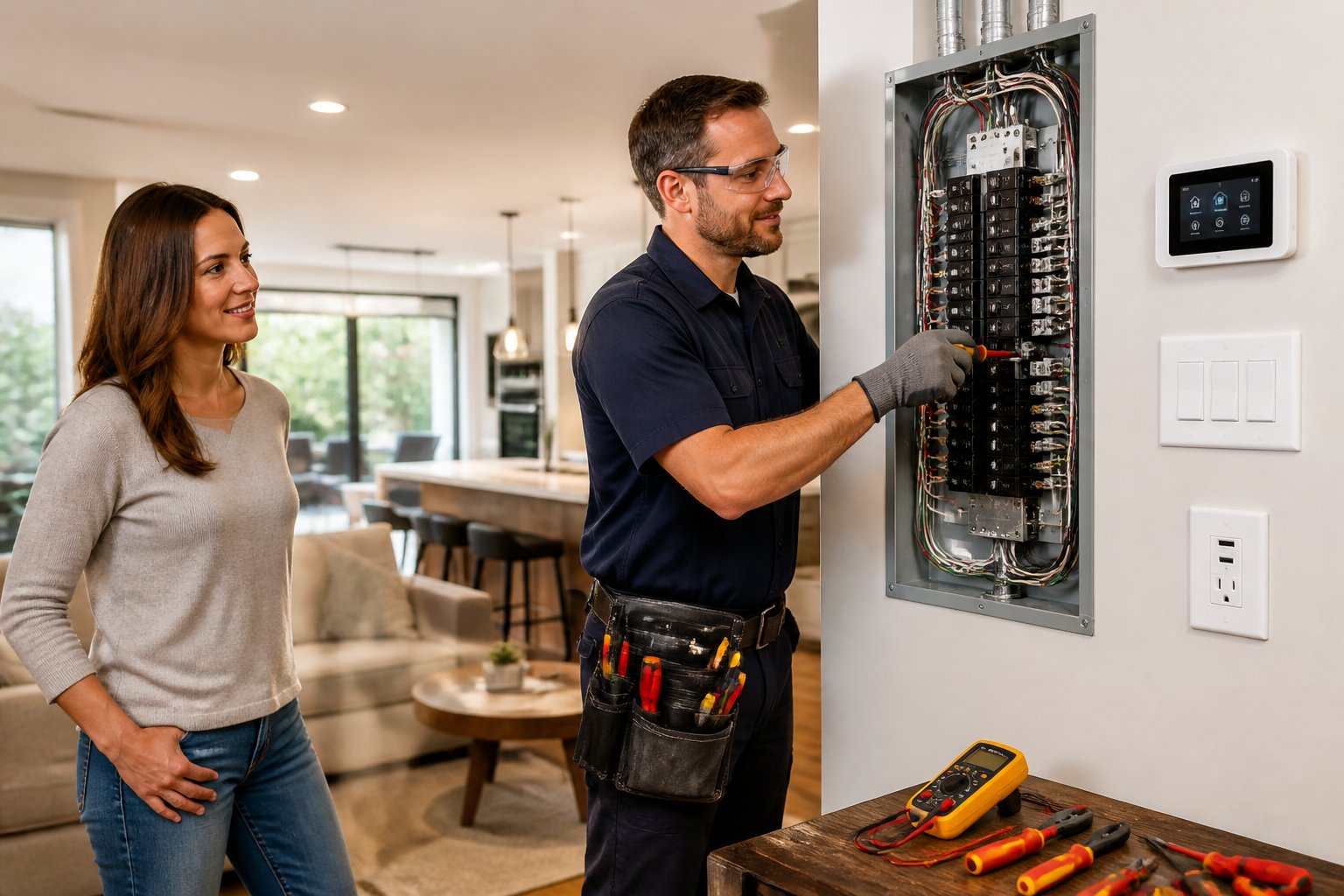
Before you install anything, your home needs a quick electrical check. A good installer will look at panel space, circuit load, and whether your system can handle the charger without stressing everything else. Sometimes you’ll need a panel upgrade.
How to Tell if Your Panel Has Enough Capacity
If your panel is newer, has open breaker slots, and isn’t already maxed out, you might be fine. But if you’ve got frequent tripped breakers, a crowded panel, or an old, undersized service, that’s a red flag.
When a Dedicated 240V Circuit Is Required
A Level 2 charger almost always needs its own dedicated 240V circuit. That way, it doesn’t have to share power with your dryer or anything else, so it runs safely and reliably.
When a Panel Upgrade Makes Sense
A panel upgrade is worth it if your existing service can’t handle the charger plus the rest of your home. It’s also smart if your panel is old, cramped, or due for other electrical upgrades anyway.
Alternatives to Major Service Changes
Not every house needs a full-blown service change. Sometimes a lower-amperage charger, load management, or just smarter placement can get you by without major work. A careful look at your setup helps you pick the least disruptive, safest option.
How Installation Works in Lincoln, CA
A solid electric vehicle charger installation follows a step-by-step process, and local code compliance is a must. The spot you pick, the wiring path, and the breaker size all have to work with your house and your charger.
Site Assessment for Garage, Driveway, or Carport Placement
The best spot? Usually wherever you can reach the charge port easily with the shortest, safest cable run. In Lincoln, that’s often a garage wall, a side wall by the driveway, or maybe a carport post.
Permits and Local Code Compliance
Most home charger installs need permits and inspection. That protects you by making sure the work meets local rules and electrical safety standards.
Wiring, Breakers, Testing, and Final Setup
The installer runs the wiring, installs the breaker, mounts the charger, and tests everything. If you need electrical upgrades or a panel upgrade, it might take a bit longer, but you should end up with a charger that works right from day one.
What Affects Cost and Long-Term Value
The cost of ev charger installation depends on the charger, how far it is from the panel, and whether your electrical system needs upgrades. The upside? A well-planned install makes life easier every day and can even boost your home’s resale value.
Main Cost Factors Homeowners Should Expect
Final numbers depend on charger type, circuit length, where you want it mounted, permits, and the panel’s condition. Old houses or long wiring runs usually cost more than a quick install near the panel.
How Distance, Equipment, and Panel Work Change Pricing
If your charger is far from the panel, you’ll need more conduit, wire, and labor. If the panel needs a panel upgrade, that’s often the priciest part.
Why Professional Installation Protects Safety and Resale Appeal
Safety-first electrical work from licensed pros helps cut fire risks, breaker hassles, and code headaches. Plus, it gives future buyers peace of mind that your charging setup wasn’t a DIY gamble, which can help your home’s value.
Planning for Safety, Efficiency, and Future Needs
Good electrical upgrades should do more than just power today’s charger. They should make your home easier to live in as your energy needs grow, especially if you’re thinking about more EVs later.
Smart Charging Features and Load Management
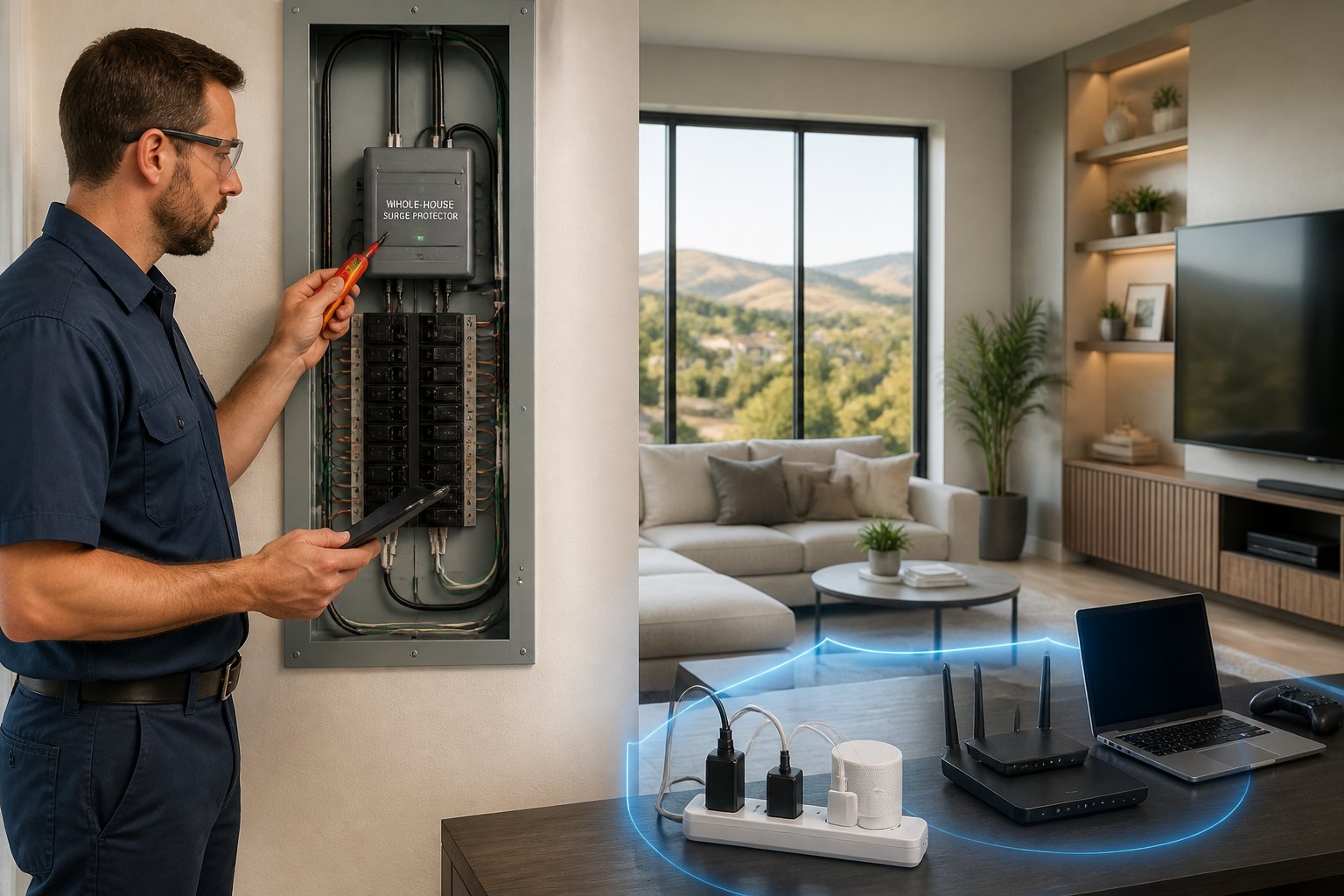
Smart chargers let you schedule charging for off-peak hours, keep tabs on usage, and manage power more efficiently. Load management can help your system share capacity safely when you’ve got other big electrical draws.
Preparing for a Second EV or Other High-Demand Appliances
If you might add a second EV, an electric dryer, a hot tub, or a bigger HVAC unit, plan for it now. It’s way easier to think ahead during electric vehicle charger installation than to open up the panel again later.
When to Consider Broader Electrical Upgrades
A panel upgrade makes sense if your house is older, your panel is packed, or you want room for future gear. At that point, AAA Electrical Services can help you figure out a plan that puts safety first and supports charging, comfort, and reliability for years to come.
Frequently Asked Questions
How much does it usually cost to install a home EV charger here?
Costs vary—depends on the charger, wiring distance, permits, and if your panel needs work. In a lot of Lincoln homes, a simple install is much easier than a project with a panel upgrade or major electrical upgrades.
Do I need a permit or inspection for a home charger install?
Yep, most home charger projects need a permit and inspection. That’s how you know the electric vehicle charger installation meets local code and stays safe for everyday use.
Can my existing electrical panel handle a Level 2 charger, or will I need an upgrade?
Sometimes your panel can handle it, sometimes it can’t. If you have enough spare capacity and your home’s electrical load isn’t too high, you might be able to add the charger without a panel upgrade.
What’s the best location to mount a charger in a garage or driveway setup?
Usually, the best spot is close to where you park, with a short, safe cable path. Make sure you can plug in without stretching the cord or blocking walkways.
How long does a typical home charger installation take from start to finish?
A simple install can take just a few hours once you’ve got the plan and permit. If you need electrical upgrades or a panel upgrade, it’ll take longer since there’s more work and extra inspections.
Are there any local rebates or utility incentives available for home charging equipment and installation?
Incentives shift all the time, and sometimes they cover chargers, wiring, or even upgrades that cut down on energy use. Honestly, it’s a good idea to poke around for the latest local and utility deals before diving in—those savings might take a nice chunk out of your project costs.