A lot of Sacramento homes really do benefit from whole-home surge protection, and it’s not just about storms. Power surges sneak in from utility switching, outage recovery, heavy appliances kicking on, old equipment, and just the general wear and tear of daily grid stress. It’s not always dramatic, but it adds up.
If you want better protection for your appliances, electronics, and the rest of your electrical system, whole-home surge protection gives you a solid first line of defense right at the panel—where most of the big surges show up. It does its job best when you pair it with smart plug-in protection for especially sensitive gear, so you’re covered both at the source and at the outlet.
Whether you’re in Natomas, East Sacramento, Roseville, Elk Grove, Folsom, Citrus Heights, or any of the older neighborhoods, changing loads and aging wiring make surge protection a pretty practical upgrade. That’s true whether you’re thinking about your family room TV, your fridge, the HVAC, or your home office.
Key Takeaways
- Surges don’t just mess with electronics.
- Panel-level protection covers the whole house.
- Layered protection gives your stuff a real shot at surviving.
What Whole-Home Protection Does For Your Home
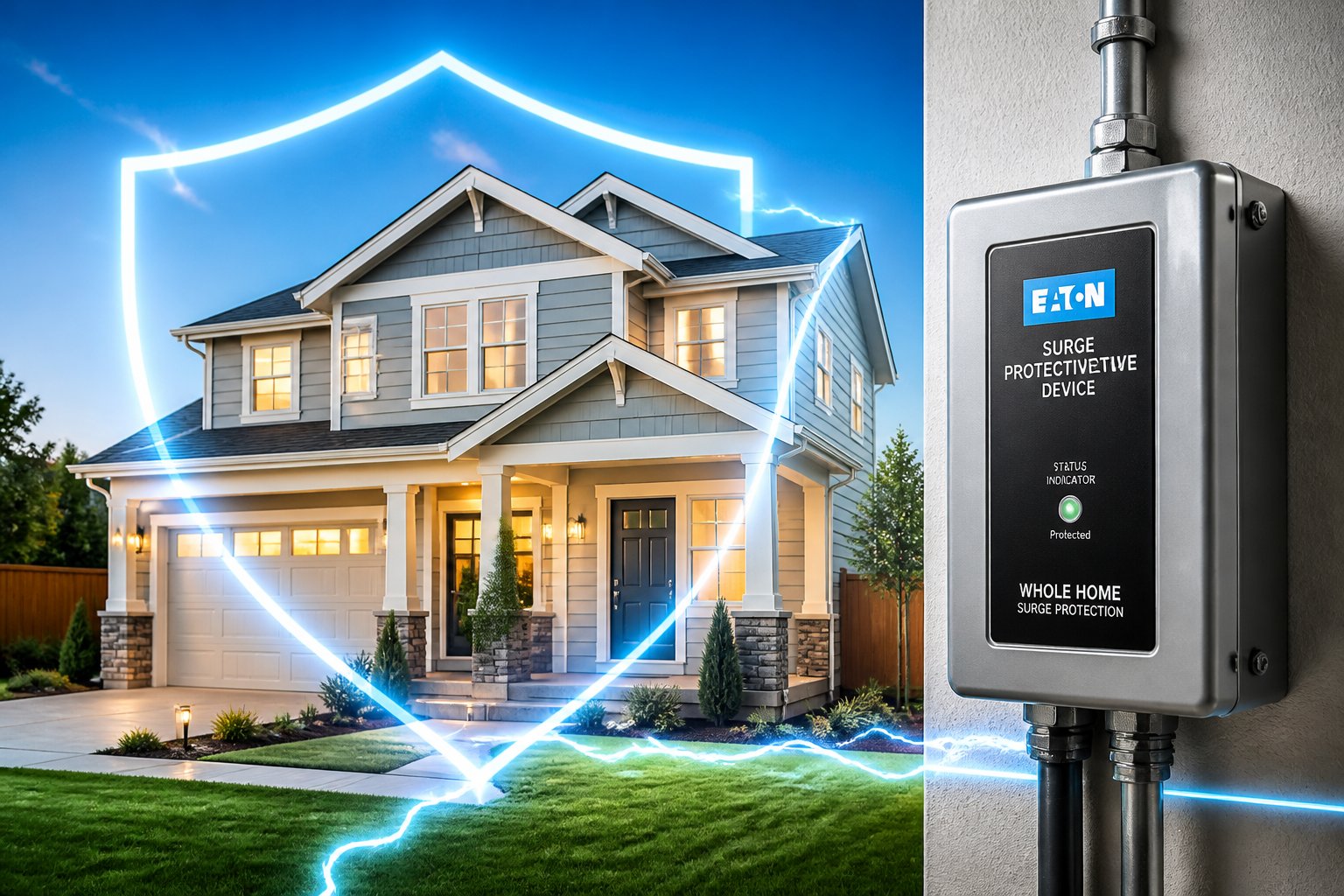
Install a whole-home surge protector at your electrical panel, and it’ll intercept excess voltage before it races through your wiring. It helps guard outlets, appliances, and connected equipment right at the source, working alongside smaller surge protection devices inside.
How A Surge Protection System Stops Voltage Spikes
A surge protection system senses sudden voltage jumps and diverts that extra energy away from your home’s circuits. That cuts down the chance a spike fries your fridge, furnace, TV, router, or other sensitive stuff.
When a power event hits, the device acts fast at the panel. Even quick spikes can stress electronics and chip away at their lifespan.
Why Panel-Level Protection Covers More Than Power Strips
A whole-home surge protector covers the wiring feeding your entire house—not just one outlet. That’s way more coverage than a single power strip at your desk.
It also helps with hardwired equipment you can’t plug into a strip: HVAC parts, some kitchen appliances, lighting systems. If you want protection that starts at the panel, this is the way to go.
What A Whole-Home Surge Protector Can And Cannot Do
A whole-home surge protector lowers the risk from many outside surges and internal spikes. It can’t promise total protection from every single event, and it’s not a substitute for good grounding or basic electrical upkeep.
You’ll still want point-of-use protection for your most sensitive devices, and your home’s wiring needs to be in decent shape. That combo gives you a more complete approach.
Why Sacramento Homes Face Higher Surge Risk
Sacramento homes deal with surges from utility activity, seasonal demand, and a weird mix of old and newer electrical systems. A home surge protector is extra helpful when both the grid and your home’s wiring are under stress.
Utility Switching, Outages, And Power Restoration
Power surges often show up when utility equipment switches loads or restores power after an outage. That sudden return can send a voltage spike through your system.
Here in Sacramento, weather, equipment cycling, and service interruptions aren’t rare. A home surge protector helps take the edge off before a spike reaches your stuff.
Summer AC Loads And Large Appliance Cycling
Hot Sacramento summers mean air conditioners, fridges, washers, dryers, and other big appliances are working overtime. When those loads turn on and off, they can create electrical disturbances that quietly wear down your system.
These cycles usually don’t cause obvious problems at first. But over time? That hidden damage shows up as failing electronics, tripped breakers, or just weird performance.
Older Wiring, Outdated Panels, And Neighborhood Growth
Older homes in Sacramento, Carmichael, Fair Oaks, and nearby spots often have aging panels or wiring that just weren’t built for today’s loads. Even newer neighborhoods can get stressed as more homes, devices, EV chargers, and HVAC systems plug in.
If your panel’s outdated, your home’s more vulnerable when a surge hits. Surge protection is a smart move, especially if you’re planning upgrades.
What Needs Protection Beyond Electronics
Surge protection isn’t just about TVs and computers. Whole house surge protection also helps safeguard the bigger systems that keep your home comfortable and running.
HVAC Systems, Kitchen Appliances, And Laundry Equipment
Your HVAC, fridge, oven, dishwasher, washer, and dryer all depend on electrical controls that can get zapped by surges. Even if the appliance keeps running, hidden damage can cut its service life short.
Repairs aren’t cheap, and downtime is a pain. Whole-home protection helps lower the odds before trouble starts.
Smart Home Devices, Networking Gear, And Home Offices
Smart thermostats, cameras, routers, modems, computers, and office equipment can all get hit by voltage spikes. If you work from home, even a quick surge can kill your internet, corrupt files, or damage hardware.
If your house relies on always-on tech, broad protection just makes sense.
EV Chargers, Solar Equipment, And Other Modern Upgrades
EV chargers, solar inverters, battery systems, and other modern upgrades add value—and complexity. These systems deserve protection since repairs or replacements can be costly and a hassle.
If you’re planning upgrades, whole home surge protection is a no-brainer for long-term reliability.
How Layered Protection Works Best
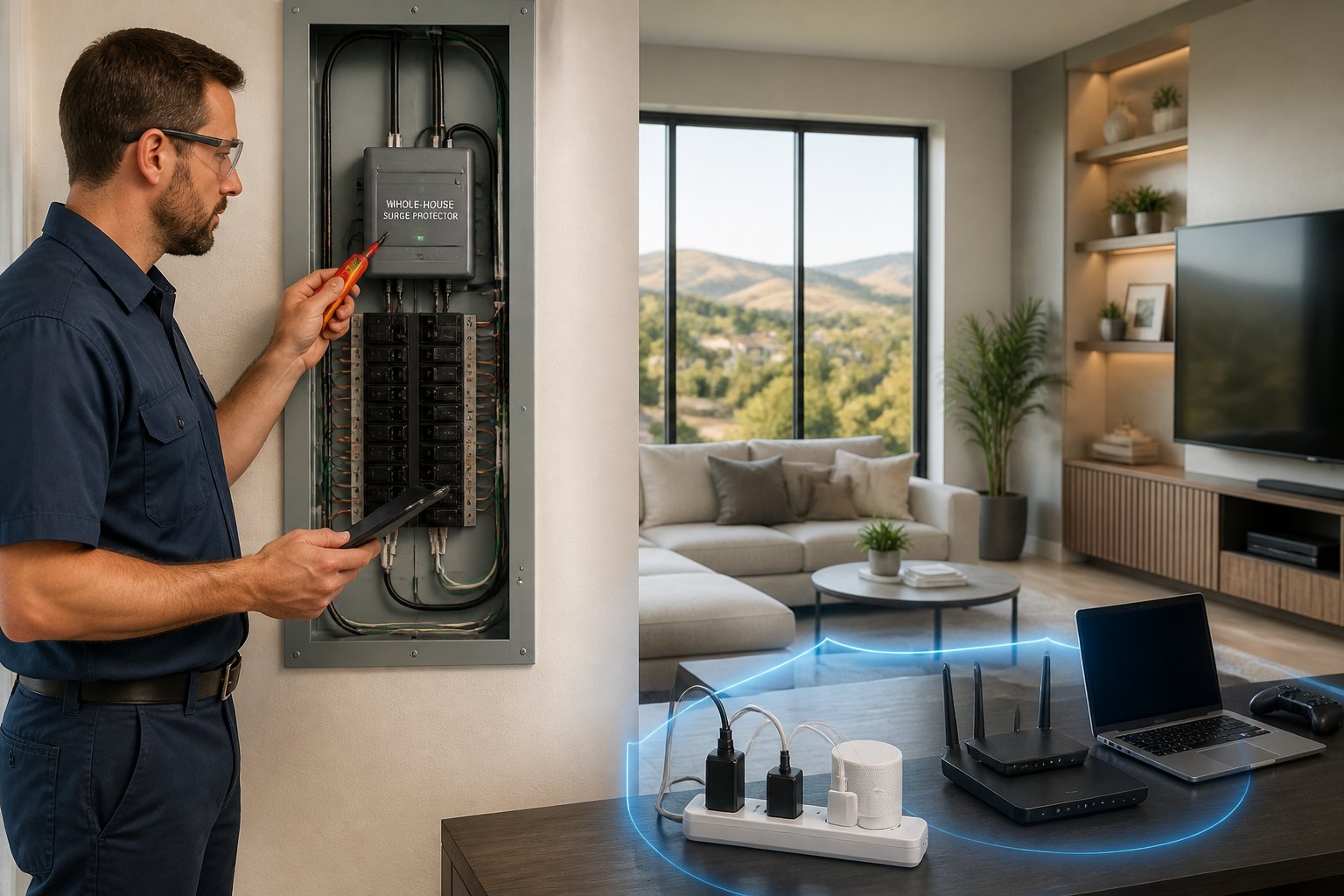
The strongest setup usually mixes panel protection with device-level protection. You get broad defense from a whole-home unit and extra backup from point-of-use surge protectors where you need them.
Whole-Home Devices And Point-Of-Use Backup
Whole-home devices guard your circuits at the source. Point-of-use surge protectors add another layer for the stuff you care about most.
This layered approach beats relying on just one device. It also helps with items on long cable runs or exposed to lots of small spikes.
When Plug-In Protection Still Makes Sense
Plug-in surge protectors or power strips are still useful for TVs, gaming consoles, desktop computers, and office gear. They’re a smart backup when you want local protection right at the device.
Go for quality surge protectors, not just basic strips that add outlets. The goal is real protection, not just more plugs.
Where UPS Units Fit Into Sensitive Equipment Protection
UPS units help when you need short-term battery backup and surge protection. They’re a good fit for routers, modems, desktops, and gear you want to keep running long enough to save work or shut down.
A UPS doesn’t replace whole-home protection. It’s just part of a good layered plan for your most sensitive stuff.
What To Look For In A Surge Protection Setup
Start with the basics: Grounding, panel compatibility, and product ratings all affect how well a surge protection device will work in your house.
Why Grounding And The Grounding System Matter
Grounding gives excess voltage somewhere safe to go. If your grounding system is weak or outdated, even a good surge protector might not work right.
That’s why it’s smart to check things out before installing anything. The device, the panel, and the grounding system all need to work together.
Key Ratings Like Joule Rating, Clamping Voltage, And UL 1449
Higher joule ratings usually mean better energy absorption. Clamping voltage shows when the device starts redirecting excess voltage. UL 1449 listing is a good sign the product meets safety and performance standards.
These specs aren’t the whole story, but they help you compare real protection features instead of just guessing.
How To Compare Options Without Chasing The Best Whole House Surge Protector
The “best” surge protector depends on your panel, your grounding, and what you’re protecting. What’s perfect for one house might not fit another.
Focus on safety, compatibility, and good installation instead of chasing marketing claims. That usually leads to better long-term protection.
When To Schedule A Professional Evaluation
If you think your home’s already been stressed by surges, a licensed electrician can check things out before small issues become big headaches. Surge protection works best when the panel, grounding, and wiring are all checked together.
Signs Your Home May Already Be Seeing Surge Damage
Flickering lights, weird breaker trips, buzzing outlets, appliance controls acting up, or electronics dying early? Those can all point to electrical stress. You might also notice you’re replacing devices more often than you’d expect.
These signs aren’t always proof of surge damage, but they’re worth a look. A same-day visit can help you get ahead of bigger problems.
What A Licensed Electrician Checks Before Installation
A licensed electrician checks your panel, grounding, available space, service capacity, and the type of electrical system you’ve got. This helps figure out the safest way to install surge protection.
It’s also a good chance to ask questions about your home’s needs. Communication matters, especially when you’re protecting family safety and expensive stuff.
What To Expect From Surge Protector Installation
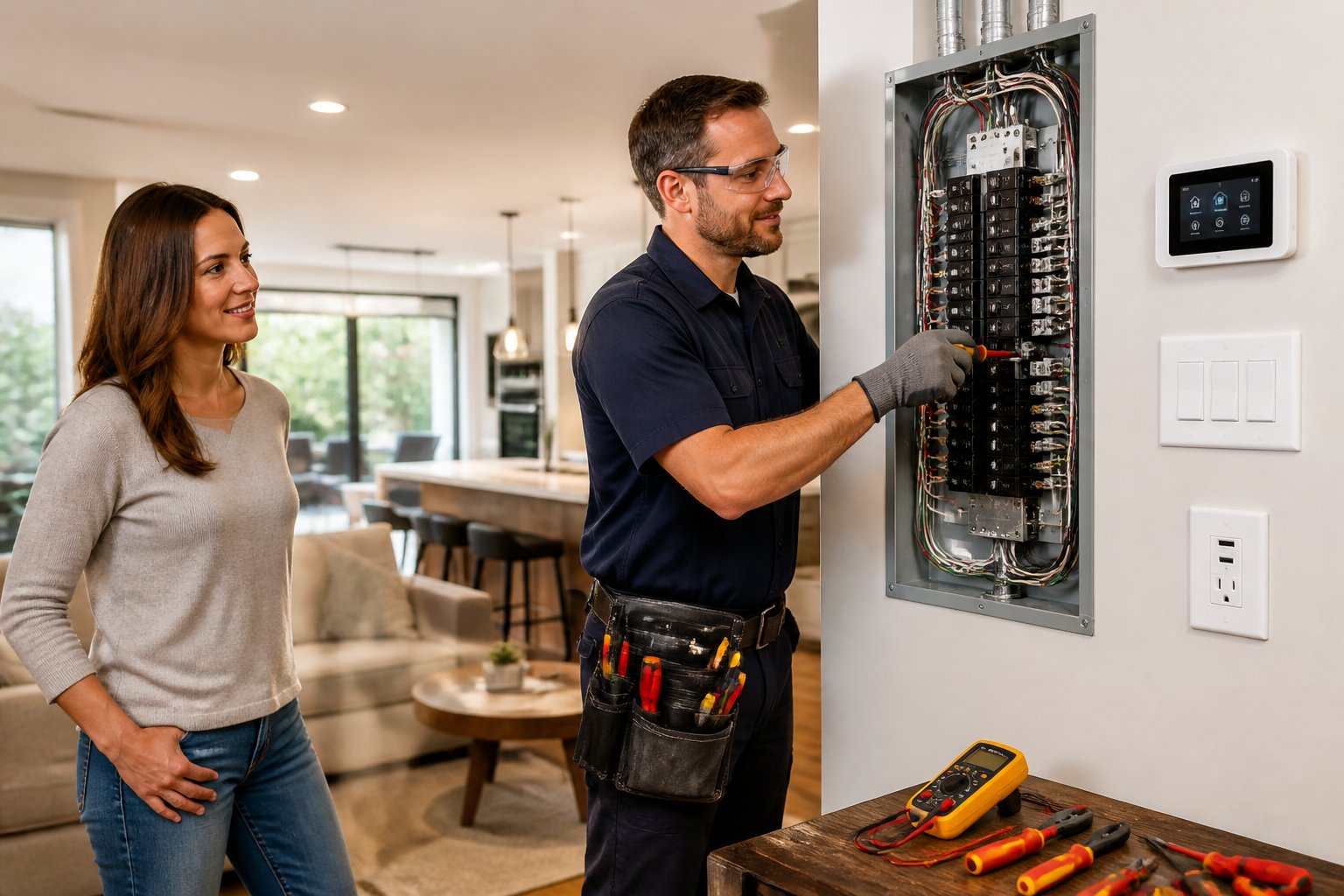
During installation, a technician mounts the device at the electrical panel, connects it, and makes sure it’s working. Clean, respectful work and a tidy visit should be part of the deal.
With a well-stocked service vehicle, many installs and fixes can be done quickly. AAA Electrical Services keeps it simple with clear recommendations and flat-rate pricing, so you know what’s coming before work starts.
Frequently Asked Questions
What causes power surges in a typical home, and how common are they?
Power surges come from utility switching, lightning, outages, big appliances cycling, and issues inside your own wiring. Small surges happen more often than people realize, sometimes with no warning at all.
How does whole-home surge protection help prevent damage to appliances and electronics?
Whole-home surge protection stops excess voltage at the panel before it spreads through your house. That lowers the odds that appliances, electronics, and hardwired systems take the hit.
Is a whole-home surge protector still useful if I already use power strips or plug-in surge protectors?
Absolutely. Plug-in protection only covers what’s plugged into that outlet. A whole-home unit protects wiring and equipment throughout the house, while point-of-use devices add another layer for sensitive gear.
What signs suggest my home might be at higher risk for electrical surges?
Older panels, aging wiring, frequent outages, heavy HVAC use, EV charging, solar gear, and flickering lights can all mean higher risk. Homes in older Sacramento neighborhoods or fast-growing areas with lots of electrical demand may need protection even more.
How much does whole-home surge protection usually cost, including professional installation?
Costs vary based on your panel, grounding, and home layout. Bigger homes may cost more. In Sacramento, professional installation usually falls in the several-hundred-dollar range, with the final price depending on what’s involved.
How often should a whole-home surge protector be replaced or checked to make sure it’s still working?
You’ll want to check your surge protector every time someone services your panel, after any big electrical storm or event, or if you start seeing odd electrical issues or signs of wear. Most units hang in there for years, but honestly, it depends on how many surges they’ve taken and what the manufacturer recommends.