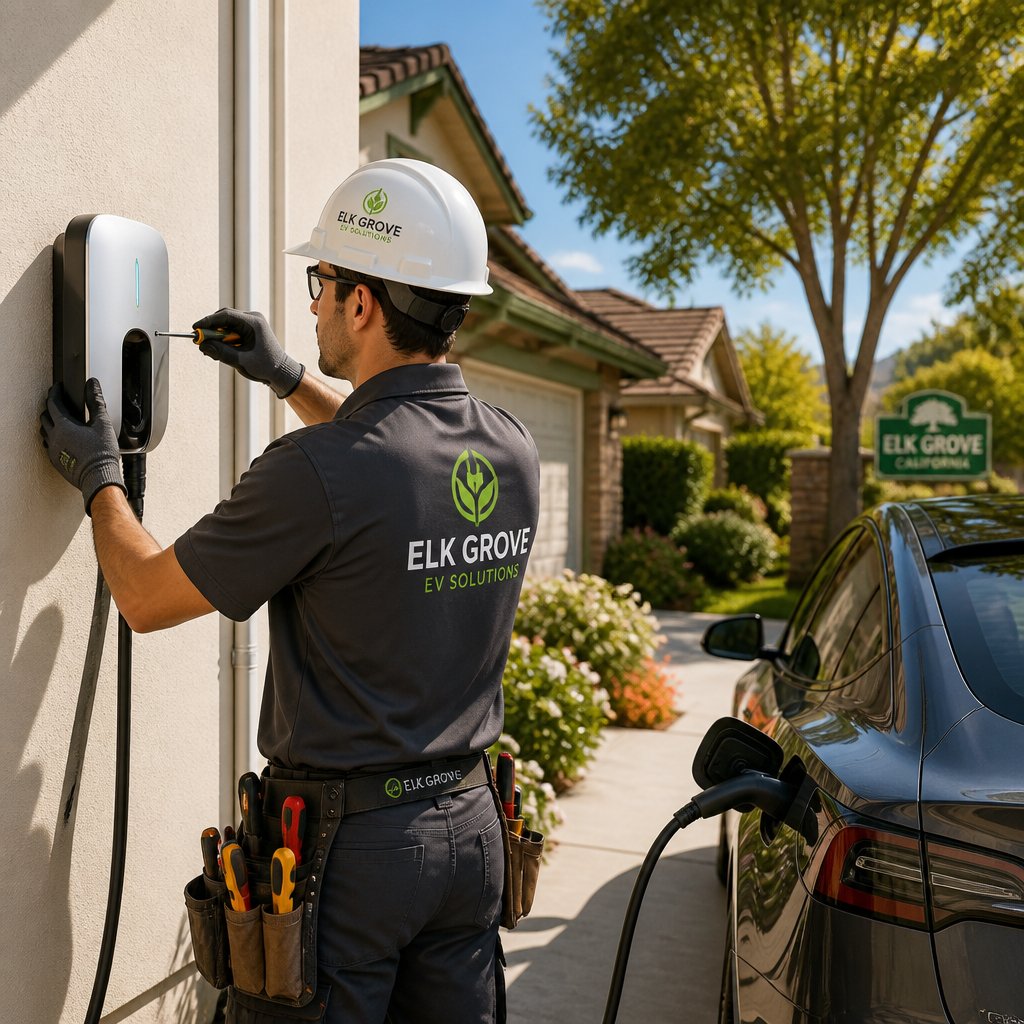
EV charger installer Elk Grove CA services can make home charging simple, safer, and honestly, just way more convenient. If you drive electric in Elk Grove, the right setup means you can charge overnight, skip crowded public stations, and start each day with a full battery—no more running on empty or hunting for plugs.
A properly planned EV charger installation gives you faster charging, better safety, and peace of mind for your home’s electrical system. That’s pretty important if you want a setup that actually fits your car, your panel, and your parking spot.
For homeowners who put safety first and want electrical work by licensed professionals, AAA Electrical Services brings a family-safety-first approach to every job. With honest pricing, same-day service when they can swing it, and flat-rate upfront quotes, you can move forward without second-guessing the bill.
How to Choose the Right Home Charging Setup
Your best charging setup depends on how far you drive, how long your car’s parked, and what your home’s electrical panel can handle. The right residential EV charger should fit your daily life, not just your car’s specs.
You want a system that works with your garage, driveway, and panel capacity—no sense in stressing your home’s wiring.
Level 1 vs. Level 2 Charging for Daily Use
A Level 1 charger just plugs into a standard 120-volt outlet. It’s fine if you don’t drive much and can leave the car plugged in for ages.
A Level 2 charger, though, uses 240 volts and gets the job done way faster. For most daily drivers, that speed makes overnight charging realistic and takes the hassle out of “will I have enough range tomorrow?”
When a Residential EV Charger Makes the Most Sense
A residential EV charger is a game-changer if you want reliable charging at home and fewer pit stops during the week. If you commute, run errands often, or share a car, having your own charger just makes life easier.
It’s even more useful if public charging isn’t close by or you’re tired of planning your day around someone else’s plug. For daily use, home ev charging just feels more predictable.
Picking the Right Charger for Your Vehicle and Parking Space
Your charger should match your car’s charging limits and your parking situation. A garage install is usually straightforward, but a driveway setup might need weatherproof gear and longer conduit.
Think about cord length, wall space, and where your car actually sits. Matching the charger to your parking spot makes daily charging way less of a headache.
What a Professional Installation Should Include
A safe installation starts with a full look at your home’s electrical capacity and ends with a clean, tested setup. Good work shouldn’t feel rushed or thrown together.
A solid installer will walk you through your options, including whether your home needs a panel upgrade or a dedicated circuit.
Load Calculations and Electrical Panel Review
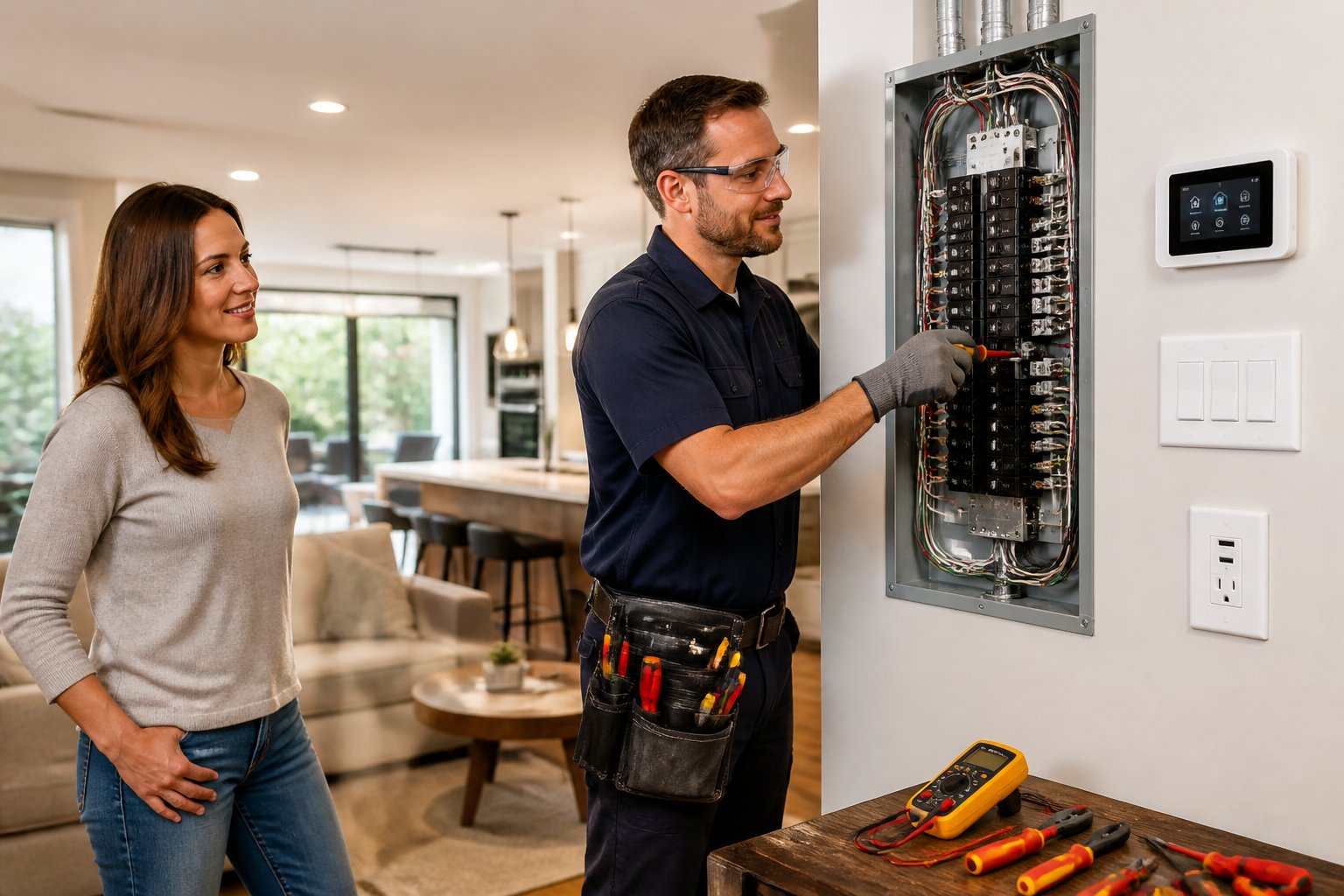
Before starting, licensed electricians check your panel and calculate the extra load from the charger. That step confirms if your home can safely handle the new equipment.
It’s way easier to prevent problems than fix them later. A careful panel review helps you avoid tripped breakers and overload headaches down the line.
Dedicated Circuits, Breakers, and Wiring Requirements
A good installation plan includes a dedicated circuit sized for the charger. That way, your charger gets its own path from the panel—no fighting for power with the fridge or dryer.
Breaker, wire gauge, and conduit all need to match the charger and local codes. When those details are right, your charging setup just works better and lasts longer.
Why Licensed Electricians Matter for Safety and Warranty Protection
Licensed electricians install equipment in ways that protect your home and keep manufacturer warranties valid. They also catch warning signs in old wiring, weak panels, or overloaded circuits.
That’s huge for safety and reliability. A qualified installer helps you skip mistakes that could mean damage, failed inspections, or poor performance.
Elk Grove Permit, Code, and Inspection Requirements
An elk grove ev charger installation usually needs permits and inspection steps to keep your home safe. Sure, it’s more paperwork, but it’s there to make sure the job’s done right.
If you’re adding new wiring, a circuit, or changing your panel, local rules matter even more.
When Permits Are Required for Residential Projects
Most residential ev charger installations need a permit, especially if you’re adding a 240-volt circuit, doing panel work, or putting in a subpanel. Plan on permit review before you start.
Licensed electricians usually handle permits and can walk you through what your project needs. That keeps things moving and helps avoid headaches.
How Local Inspections Help Protect Your Home
A final inspection checks that the charger, wiring, and breakers are installed correctly. It’s that extra bit of reassurance that everything’s up to code.
Inspections can catch problems you’d never notice. For homeowners, it’s a solid layer of protection for your house and everyone in it.
NEC and Local Compliance Factors Homeowners Should Know
Your installation has to follow the National Electrical Code and local Elk Grove requirements. That includes things like breaker sizing, wire routing, clearances, and grounding.
Installers who know local code help projects go smoother. Getting it right from the start saves you from delays and do-overs.
Installation Cost, Timeline, and Upgrade Factors
The cost of residential ev charger installation depends on your home, the charger you pick, and how far the wiring needs to go. A simple setup costs a lot less than a job that needs panel upgrades or trenching.
Timeline shifts too—permits, material delays, and the state of your electrical system all play a part.
What Affects the Total Project Price
Main factors? Charger type, labor time, wiring length, and permit needs. A level 2 charger usually runs more than a basic outlet because it needs beefier gear.
Flat-rate pricing helps—at least you know what you’re getting into. No one likes surprise bills.
When Panel Upgrades or Long Conduit Runs Increase Cost
If your panel’s full, outdated, or just too small, you’ll need an upgrade before the charger goes in. Long conduit runs can also bump up labor and material costs, especially if the charger’s far from the panel.
Older homes or garages with limited access see this a lot. A good installer will flag these issues upfront.
Typical Installation Timelines for Elk Grove Homes
A basic install can often get done in a day once permits and materials are good to go. More complex jobs take longer if you need inspection scheduling, panel work, or tricky routing.
Stocked vans help keep things moving—less running for parts. At AAA Electrical Services, that prep means faster fixes and same-day service when possible.
Long-Term Performance, Smart Features, and Energy Planning
A solid ev charging system should work now and still make sense if your needs change. Smart features can make life easier, and thinking ahead can save you from another upgrade too soon.
It’s also a good time to consider energy use, future vehicles, and how charging fits your daily routine.
Smart EV Charging System Benefits
Smart chargers let you set charging schedules, track energy, and check status from your phone. That’s handy if you want to charge during cheaper utility hours.
A smart level 2 charger gives you a bit more control over your charging habits. For a lot of people, it just makes the whole experience smoother.
Planning for Future Vehicles and Higher Charging Demand
Thinking about adding a second EV? Pick a setup that leaves room to grow. Maybe you’ll need a stronger circuit, a bigger panel, or a spot that could fit another charger later.
Future-proofing now saves time and money down the road. Plus, your system stays ready for whatever’s next.
Ways to Improve Convenience, Efficiency, and Home Value
Home charging is just more convenient than public stations, especially if you plug in overnight. It can even make your home more appealing to buyers who already drive electric—or plan to.
For a lot of families, peace of mind is the real win. You get a safer, cleaner, more predictable way to power your car, and your home’s ready for what’s next.
Frequently Asked Questions
How much does it typically cost to install a Level 2 EV charger at home?
Costs depend on charger type, wire length, panel condition, and permits. A simple job costs less than one needing a panel upgrade or long conduit runs. A site review gives you the best price estimate.
Do I need a permit to install an EV charger at my house?
Usually, yes—especially if you’re adding a new circuit or changing your panel. Permits help make sure the work’s safe and up to code.
Can any licensed electrician install an EV charger, or do I need a specialist?
Any licensed electrician can install an EV charger if they’re comfortable with load calculations, dedicated circuits, and local codes. A specialist is helpful if your panel’s tight, wiring is tricky, or you want advice on charger options.
How long does a typical home EV charger installation take from start to finish?
A straightforward install might take about a day once you’ve got the permit and materials. If you need a panel upgrade or longer wiring, it’ll take longer.
What electrical panel upgrades might be needed before installing an EV charger?
You might need a panel upgrade if your current one doesn’t have enough space or is already loaded up. Sometimes you’ll need a subpanel, breaker changes, or even a service upgrade before installing the charger safely.
Does Home Depot offer EV charger installation services, and what’s included?
Yeah, Home Depot does offer EV charger installation in certain areas. They usually kick things off with an in-home consultation, then a local electrician handles the actual install. What’s included? Well, that depends—sometimes it covers permit stuff and panel upgrades, sometimes not. You’ll definitely want to double-check what’s actually in the package before you book anything.