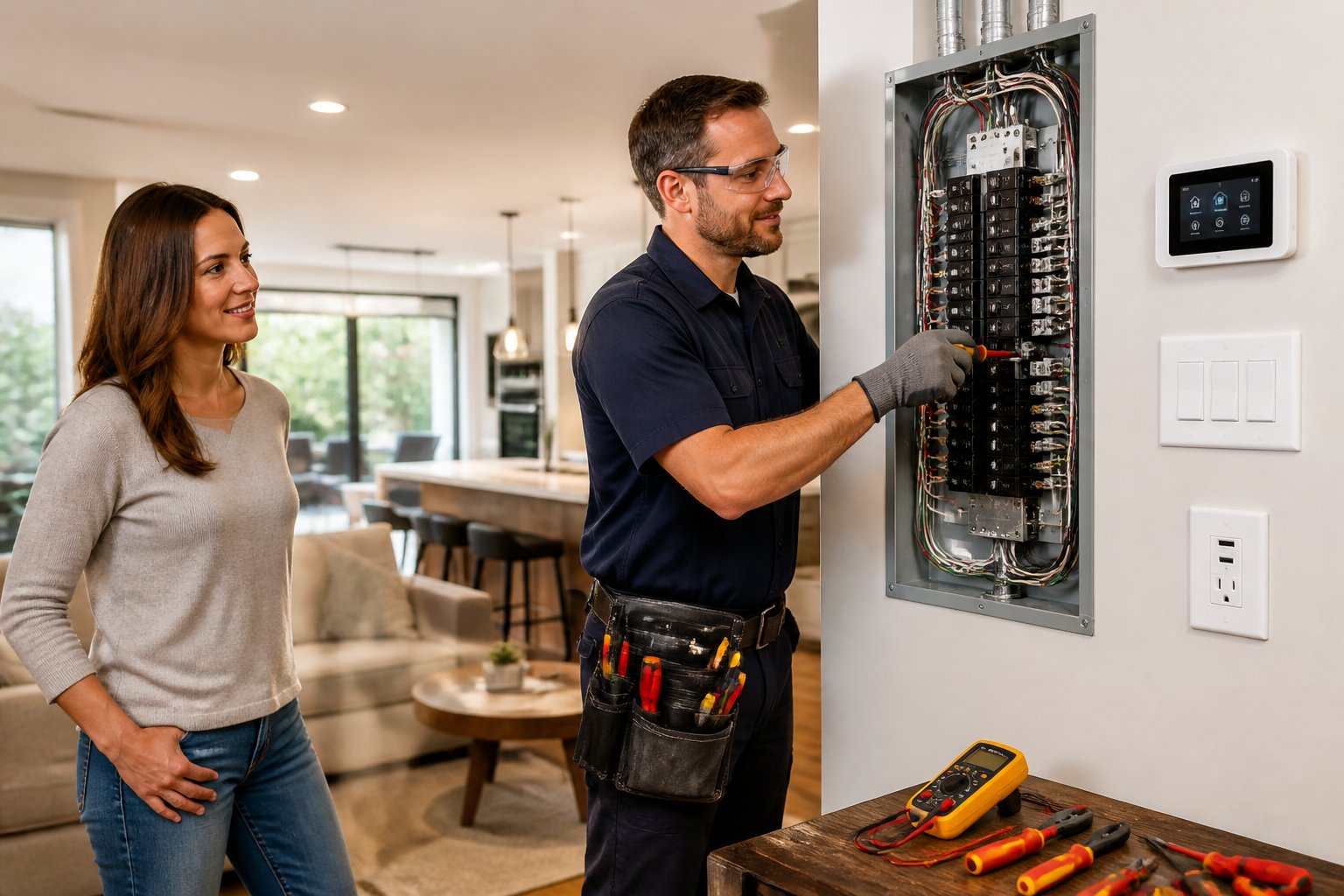
Getting an EV home charger in Elk Grove, CA means faster, safer charging right in your driveway—and honestly, it just makes life simpler. A Level 2 charger can usually be installed by licensed pros, sometimes even same day, with clear flat-rate pricing and all those annoying permits handled for you.
Let’s walk through picking a charger that fits your car and home, the permits Elk Grove usually asks for, and how panel upgrades or wiring tweaks might impact your budget. AAA Electrical Services has been around for over 42 years, with certified techs and a safety-first approach, so your home and family stay protected as you prep for the future.
Good installers show up ready, explain your choices in plain English, and don’t leave a mess. Use this guide to compare costs, find certified folks, and plan an EV charger install that actually works for your life and wallet.
Choosing the Best EV Home Charger in Elk Grove CA
You want a charger that matches your daily driving, works with your home’s electrical panel, and gives you smart tools for tracking and saving energy. Focus on charger type, vehicle fit, and features that make sense for your routine.
Types of EV Chargers
Level 1 chargers plug into a regular 120V outlet and give you about 3–5 miles of range per hour. They’re slow—okay for light drivers or as a backup, but honestly, you’ll be waiting a while.
Level 2 chargers use 240V and add 20–40 miles of range per hour. Most Elk Grove homeowners go with Level 2 since it charges most EVs overnight. You’ll need a dedicated 40–50 amp circuit, and sometimes a panel upgrade if your current one’s maxed out.
Public DC fast chargers? Not for home use. Don’t expect those speeds at home. When you compare, check charging power (kW), cord length, and outdoor rating (NEMA or IP). Pick a unit with a solid plug and weatherproof case—Elk Grove gets hot, and storms happen.
Compatibility With Your Electric Vehicle
First, check your EV’s onboard charger limit and plug type. Most U.S. EVs use J1772 for Level 1/2 charging; Teslas need an adapter. Your car’s max AC charging rate sets the upper limit for what a Level 2 charger can do.
Look at your vehicle manual for recommended charging current and battery tips. If your EV takes 11 kW but your house can only supply 7 kW, you’ll be stuck charging slower. Thinking of getting a different EV later? Maybe get a charger that handles a bit more power for future-proofing.
Got more than one EV? Ask about dual chargers or load-sharing. They let you charge two cars safely on one circuit by splitting the load—no need to pay extra for a big panel upgrade.
Smart Features and Connectivity
Smart chargers connect to Wi‑Fi or cell networks so you can schedule charging, track energy, and set timers based on price or solar output. Scheduling overnight charging saves money if you’ve got time-of-use rates in Elk Grove.
Load management and app controls help you avoid tripping breakers and let you limit power during busy times. Some chargers even work with home energy or solar systems to prioritize solar charging.
Pick a charger with a clear, simple app and reliable updates—app glitches are a pain. Check reviews for real-world feedback on app stability. Local service matters too; same-day install and flat-rate pricing from licensed techs keep things smooth. AAA Electrical Services offers both, matching chargers to your home and safety needs.
Step-by-Step EV Home Charger Installation
Here’s how it usually goes—checking your site, confirming electrical needs, and mounting the charger. Knowing the process helps you spot what might affect cost or timing.
Site Assessment and Preparation
Start by picking the charger spot: garage wall, post, or driveway pedestal. Measure cable reach from where you’ll mount it to your car’s charging port. Choose a spot with easy access and no tripping hazards.
Watch for stuff like sprinklers, weird yard slopes, or overhangs that could make things tricky or need extra conduit. Note how far you are from the main panel and whether there’s a 240V circuit nearby. This helps estimate conduit and labor.
Book a licensed electrician for a walk-through. They’ll check panel capacity, wiring, meter location, and permits. Bring your car’s connector type and charging speed wish list.
Electrical Requirements and Panel Upgrades
Most Level 2 chargers call for a 40–50 amp, 240V dedicated circuit. The electrician figures out the continuous load and breaker size from your charger’s specs. They’ll also check wire gauge and conduit.
If your panel’s full, you might need a subpanel or full panel upgrade. Upgrades cost more and take extra time but let you add future stuff like solar or a generator. Get ready for permit review and a city inspection—Elk Grove enforces local codes.
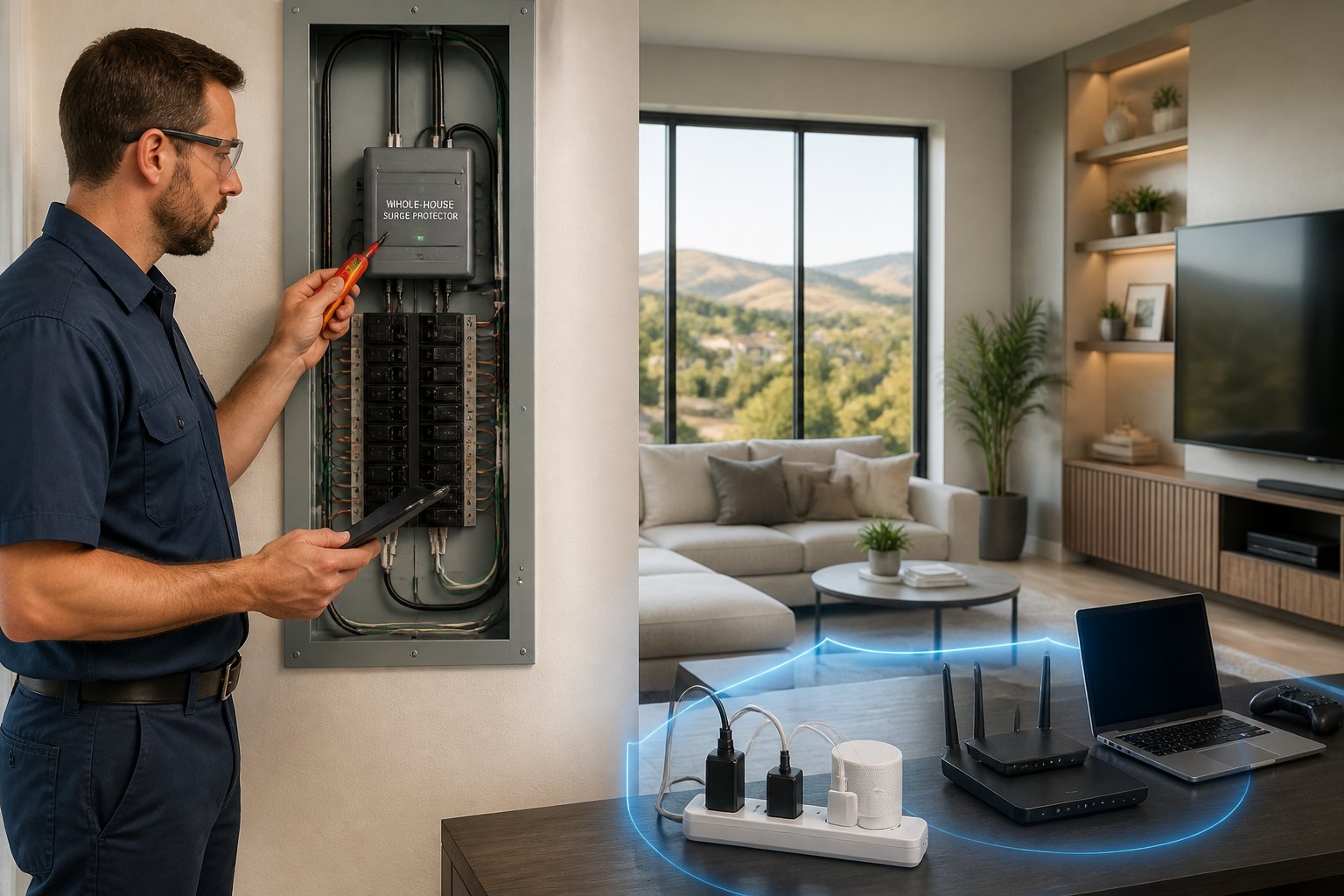
Ask your installer about load calculations, GFCI/grounding, and surge protection. AAA Electrical Services does same-day assessments, flat-rate pricing, and explains upgrade options without the jargon.
Mounting the EV Charger
Mount the charger on a solid wall or post, using the template from the manufacturer. Use the right anchors for your surface—masonry, studs, or concrete. Make sure the cable hangs loosely and the connector’s easy to grab.
Install conduit and wiring to code, keeping bends gentle and runs short. Label the new breaker and secure outdoor wiring in a weather-rated box. Tighten terminals to spec—loose connections cause headaches.
Once it’s all set, the tech will program the charger, test it with your car, and show you how to use it. Expect a quick demo on starting/stopping charging and reading status lights. Most techs show up in uniform, and with a well-stocked van, they can usually finish in one shot.
Permitting and Local Regulations in Elk Grove
Permits are a must for most Level 2 EV charger installs in Elk Grove. You’ll need an electrical permit, maybe panel work approval, and an inspection before flipping the switch.
Understanding Elk Grove Permit Process
You (or your electrician) have to apply to the City of Elk Grove building division for a permit. Usually, you submit a permit app, a simple site plan showing where the charger goes, and an electrical load calc if you’re adding a circuit or upgrading the panel. Licensed electricians can handle this paperwork and speed things up.
After install, an inspection is required. The inspector checks wiring, grounding, breaker sizing, and that everything matches the plans. Make sure your contractor includes permit pulls and inspection in their quote. AAA Electrical Services can handle permits and inspections so you don’t get stuck chasing paperwork.
Adhering to California Electrical Codes
California uses the National Electrical Code (NEC) with some state tweaks. For EV chargers, you need correct circuit sizing, dedicated breakers, GFCI or AFCI protection where needed, and solid grounding. Outdoor chargers must have weatherproof enclosures and conduit.
Local code also requires clearances for safety and accessibility. If you need a panel upgrade or service change, it all has to meet state and local standards, which might mean more permits. Always use a licensed, state-certified electrician—keeps things safe and avoids failed inspections.
Finding Certified EV Charger Installers in Elk Grove CA
You want someone who follows local code, pulls required permits, and treats your home right. Look for real credentials, honest customer feedback, and services that suit your budget and schedule.
Qualifications To Look For
Check for a valid California C-10 electrical contractor license and proof of insurance. That means they’ve passed state tests and training.
Make sure techs are state-certified and background-checked. You want peace of mind, especially with people working around your family.
Ask if they handle permits and panel upgrades. Many Elk Grove homes need one or both for Level 2 chargers.
Get written estimates with flat-rate pricing and everything spelled out: parts, labor, permit fees, possible panel upgrades.
Prefer teams with stocked vans and same-day service. Fewer repeat trips, faster install.
If you care, ask if they’ve got manufacturer training for your charger brand. Trained installers follow specs and keep warranties valid.
Checking Reviews and Local Reputations
Read recent local reviews. Look for details—punctuality, cleanup, code compliance—not just “great job.” Short, specific comments like “arrived same day” or “left driveway clean” are more telling than generic praise.
See if reviewers mention permit pulls and final inspections. That’s a good sign they follow Elk Grove and Sacramento County rules.
Ask neighbors or local groups who they used. Word-of-mouth often tells you how techs behave on the job.
Consistent mentions of upfront pricing and friendly, safety-focused techs are a plus. You want fewer surprises.
If you want a safe bet, AAA Electrical Services offers licensed, insured techs, same-day service, and flat-rate pricing—handy if you want someone who puts family safety first.
Cost Breakdown of EV Home Charger Setup
You’re looking at three main costs: the charger and hardware, the electrician’s labor, and possible rebates or incentives that can lower your bill. Knowing typical price ranges helps you plan and avoid sticker shock.
Equipment and Hardware Costs
Level 2 chargers are standard for Elk Grove homes. Expect to pay $400–$900 for a popular 32–40 amp model. Higher-power units (48–80 amp) can run $900–$1,500 or more.
You’ll also need a dedicated 240V circuit, new breaker, and 20–50 feet of conduit and wire. These extras usually add $100–$400, depending on distance and what you pick. If your panel’s out of space, a subpanel or upgrade can cost $800–$3,000.
Go for a charger with a reliable brand, Wi‑Fi features you’ll actually use, and a safety listing (UL). Mid-range gear often gives you the best value for the money.
Installation Labor Fees
A licensed electrician in Sacramento typically charges $300–$1,500 for a basic Level 2 install. Simple jobs—panel space available, short wiring—are cheaper. Long conduit runs, trenching, or panel upgrades push the price up.
Permits add $50–$300 depending on Elk Grove’s current rules. If you need a panel upgrade, expect a bigger bill and longer timeline. AAA Electrical Services offers flat-rate, upfront pricing and same-day service, so you know the final cost before work starts.
Ask for a written quote that breaks down parts, labor, permits, and any subcontractors—no one likes surprise charges.
Potential Rebates and Incentives
Local and state programs can help offset costs. California often has rebates for EV chargers, and some Sacramento-area utilities run incentives that refund part of your equipment or install bill.
Federal tax credits might apply—check the latest IRS guidance. To get local rebates, you’ll usually need receipts, the charger’s model number, and your installer’s license info. AAA Electrical Services can give you all the paperwork you need to apply for rebates and prove your install was done safely by licensed pros.
Maintaining Your EV Home Charging Station
Keep your charger safe and reliable with simple checks and quick fixes for small issues. Regular inspection and basic troubleshooting save headaches and money down the road.
Routine Safety Checks
Take a close look at your charger cable and plug every month—watch for cuts, frays, or any exposed wires. See something sketchy? Stop using it and call a licensed electrician.
Check the wall mount, pedestal, or charger housing for cracks, loose screws, or signs of water getting in. Tighten up any loose fasteners and make a note if you spot gaps where moisture could sneak inside.
After charging, give your breaker and panel a sniff and a look—no burning smells, scorch marks, or tripped breakers, hopefully. If a breaker keeps tripping, it’s time for a panel inspection or maybe even an upgrade.
Keep the charging area clear—no piles of stuff, tripping hazards, or puddles. Make sure both the vehicle’s charging port and the connector are clean and dry before you plug in.
Jot down the charger’s serial number, installation date, and any service work. That record will make warranty claims and service calls with AAA Electrical Services way smoother.
Troubleshooting Common Issues
Charger won’t start? Check the breaker and any GFCI/test buttons first. Reset a tripped breaker once, but if it trips again, stop and call a pro.
If you hear weird noises or charging cuts in and out, you probably have a loose connection. Unplug the unit, check the connector and cable ends, and retighten anything you see. Still noisy? Let a technician check the internals.
See an error code? Write down the exact code and model number. Either look it up in the manual or pass it to your installer for a quicker answer.
Slow charging? It might be a restricted circuit or your household load is too high. Try charging when other big appliances are off. If it’s still slow, you might need a panel upgrade or a Level 2 check.
If you’re stuck, just book a same-day visit with a licensed electrician—look for someone who offers flat-rate, upfront pricing and shows up with a stocked van for quick fixes.
Energy Efficiency and Utility Programs
There are actually ways to lower your charging costs and keep your home’s electrical system safer. Timing your charging and working with your utility can save money and protect your panel.
Off-Peak Charging Benefits
Charging at night—off-peak hours—usually costs less since the grid isn’t as busy. If you charge between about 9 PM and 7 AM, you might get a reduced rate on time-of-use plans. That can shrink your monthly bill by spreading out your energy use.
Level 2 charging at night is easier on your home’s panel, too. You’re less likely to trip breakers or need a pricey panel upgrade. Smart chargers can schedule charging automatically and show you how much energy you’re using, so you can keep an eye on your costs and battery health.
Got solar panels? Off-peak charging still matters. Mixing daytime solar charging with night charging on cheaper rates gives you the best shot at savings and reliability.
Connecting With SMUD Programs
SMUD has programs and rebates that can help Elk Grove residents cut upfront and ongoing costs. Check out SMUD’s EV rates—these often include time-of-use plans and special tariffs that reward off-peak charging.
Depending on SMUD’s current offers, you might qualify for rebates on your charger or installation. Before you buy, double-check eligibility and what paperwork you’ll need so you don’t get stuck later. SMUD even has tools to estimate your savings based on your car and driving habits.
Work with a licensed installer to handle the paperwork and make sure everything’s up to code. AAA Electrical Services can help with installation, same-day service, and filing for rebates—plus, they keep safety front and center.
Future-Proofing Your EV Charging Solution
Think ahead about growing needs and cleaner energy so your home can handle more cars and lower bills down the road. Focus on electrical capacity, simple upgrades, and ways to use solar power with your charger.
Upgrading for Multiple EVs
If you’re planning for more than one EV, check your panel’s main breaker size and circuit space. A 200-amp service usually covers a single Level 2 charger plus normal home loads, but a second charger might mean you’ll need a panel upgrade or a load management device.
It’s smart to install a 40–50 amp dedicated circuit for each Level 2 charger. Want two chargers but not two circuits? Look into a dual-port station or a shared-circuit charger with built-in load sharing to dodge expensive panel work.
Get a licensed electrician to check cable runs, conduit needs, and permit requirements in Elk Grove. AAA Electrical Services can size up your options, offer flat-rate pricing, and do upgrades with same-day service when possible.
Integrating Solar Energy
If you pair solar with an EV charger, you’ll cut charging costs and reduce grid demand. Start by sizing your solar array for both your home and your EV’s daily kWh needs. For example, a 30–40 mile daily drive usually uses about 10–15 kWh, which helps you figure out panel and battery size.
Decide if you want direct solar-to-car charging (with an inverter that supports EV charging) or to use a battery system to store midday solar for nighttime charging. Batteries help smooth out production dips and let you shift charging to solar hours.
Make sure your inverter and EV charger can talk to each other or use an energy management system that prioritizes solar. You’ll need permits and utility interconnection in Elk Grove—a licensed installer can handle the paperwork and keep things up to code.
Frequently Asked Questions
Here’s where you’ll find answers about costs, top chargers, electricians, charging rules, charging times, and local rebates in Elk Grove. Hopefully, this helps you plan a safe, efficient home charger setup.
How much does it typically cost to install an EV home charger in Elk Grove, CA?
Most installations run between $546 and $2,750.
The exact price depends on the charger model, distance from your panel, and whether you need a panel upgrade or extra conduit work.
You might snag rebates to lower your out-of-pocket cost. Always get a licensed electrician to give you a written, flat-rate quote before you commit.
What are the top-rated EV home charging stations available in Elk Grove, CA?
Go for Level 2 chargers with Wi‑Fi, safety features, and a solid warranty.
Look for adjustable amperage (32–40 A) so you can match your home’s panel capacity.
Pick a charger with weatherproof housing for outdoor installs and easy wall mounting for garages.
Can you recommend a certified electrician for EV charger installation in Elk Grove?
Hire someone licensed, insured, and state-certified who knows local code and permits.
AAA Electrical Services offers same-day service, flat-rate pricing, and techs who’ll treat your home with care.
Ask any installer for licensing, insurance, and examples of recent EV charger installs in Elk Grove.
What is the 80% rule in electric vehicle charging and why is it important?
The 80% rule means you keep continuous circuit load at 80% of the breaker rating.
It helps prevent overheating and breaker trips by keeping loads below the breaker’s limit.
So, a 40 A breaker should only supply up to 32 A to a continuous load like a Level 2 charger.
How long does it take to fully charge an EV at home with a standard charger?
Charging time depends on your vehicle’s battery size and charger power.
With a common Level 2 charger (around 6–9 kW), it’s typically 4–8 hours for a full charge on most EVs.
A Level 1 (120 V) plug usually adds just 3–5 miles of range per hour—so a full charge takes a lot longer.
Are there any local incentives or rebates for installing an EV home charger in Elk Grove?
Yes, there are. California and some local utilities toss out rebates or incentives for home chargers and even panel upgrades now and then.
You’ll want to poke around the latest programs from the California Energy Commission and your utility. Honestly, it doesn’t hurt to ask your electrician—they tend to know what rebates are floating around.
Hang onto your receipts and any contractor invoices; you’ll probably need them when you go to apply.