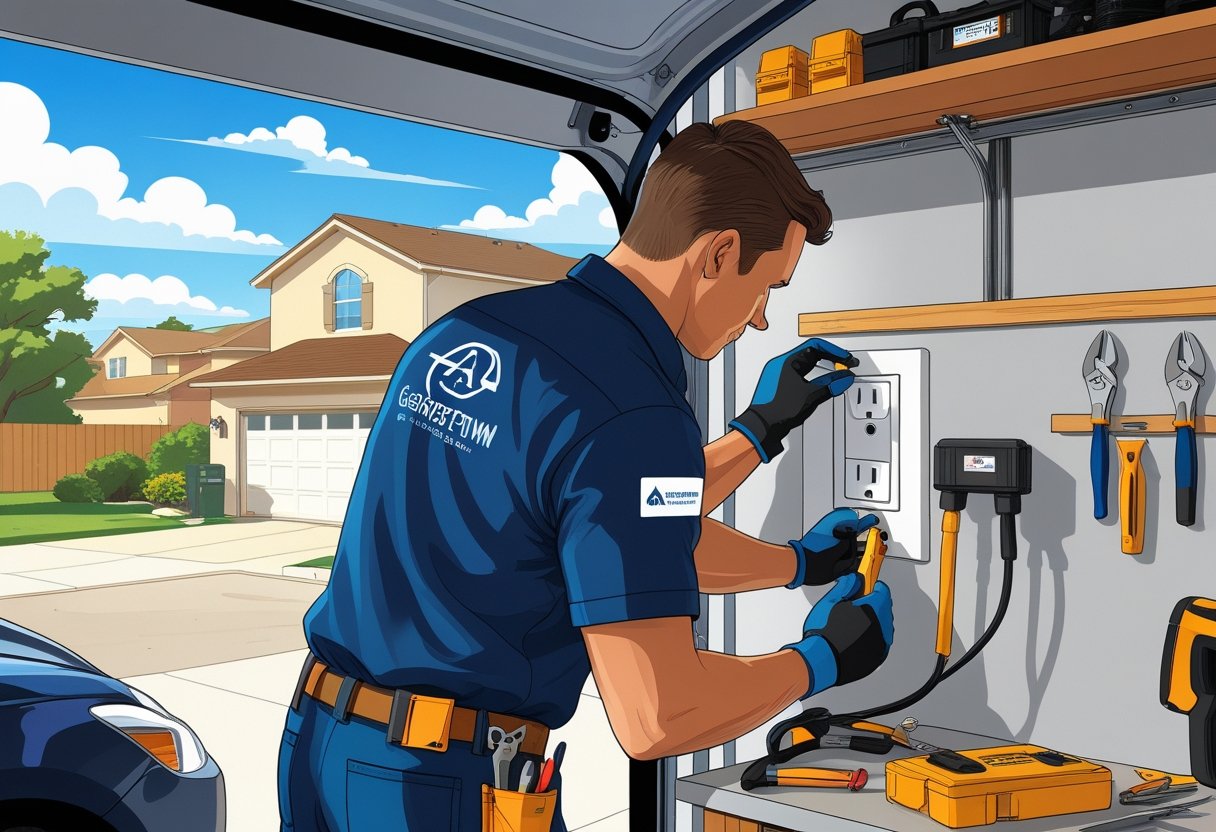
If you need a safe, code-compliant outlet in your Georgetown garage, Magnify Electric has licensed electricians who can get it done fast and right. You get expert service for everything from basic outlet additions to EV charging outlets, panel upgrades, and whole-home surge protection—so your garage powers tools, chargers, and appliances without stressing your circuits.
You’ll see how to figure out your garage’s electrical needs, pick the right outlets and breakers, and what happens during installation and what it might cost. Magnify Electric works in Georgetown and nearby Central Texas towns, handling residential and commercial work, smart home wiring, outdoor lighting, recessed lights, generator hookups, safety inspections, and emergency repairs.
If you want reliable, licensed pros for anything from small fixes to total electrical upgrades and smart system installs across Spicewood, Austin, Bee Cave, Lakeway, Dripping Springs, Leander, Round Rock, Kyle, Cedar Park, Liberty Hill, Westlake, The Hills, Briarcliff, Horseshoe Bay, Sunset Valley, Hutto, and surrounding areas, this guide will walk you through what matters.
Garage Outlet Installation in Georgetown, TX
Get garage outlets that follow local codes, handle power for tools or EV chargers, and keep your home safe. Licensed electricians check your circuit capacity, recommend outlet types, and pull permits if needed.
Why Professional Outlet Installation Matters
When a licensed electrician installs your garage outlets, you cut fire and shock risks. They check the circuit load, use the right wire gauge, and add GFCI or AFCI protection where codes say it’s needed. That helps prevent tripped breakers and overheating when you run big tools, air compressors, or a level 2 EV charger.
You also protect your home insurance. If you mess up DIY wiring, insurance might not cover damage. A pro documents the work, pulls permits, and tests every outlet for grounding and polarity.
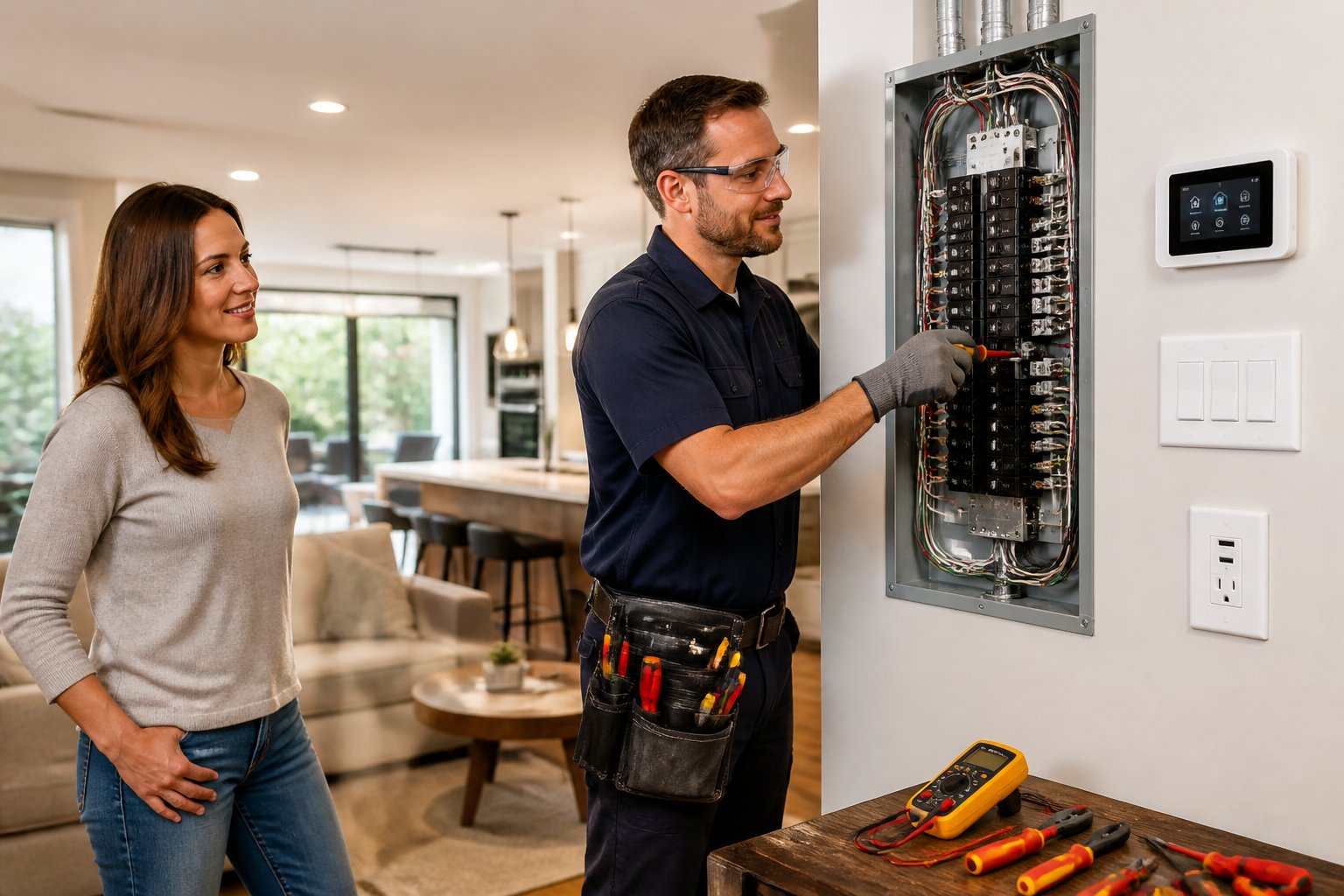
Magnify Electric’s licensed electricians handle everything from a single outlet to a full panel upgrade. We work with both home and business customers in Central Texas and can add dedicated circuits, surge protection, and smart controls—all to code.
Types of Garage Outlets for Texas Homes
Pick outlets based on what you’ll actually plug in. Standard 120V duplex outlets handle lights, chargers, and small tools. Install GFCI-protected 120V outlets near sinks or workbenches so you don’t get shocked. For big tools or EV chargers, you’ll need 240V outlets: NEMA 6-20 for welders or 14-50/NEMA 14-50 for most EV chargers and bigger equipment.
Think about weatherproof or tamper-resistant covers for outdoor or partly exposed spots. Add dedicated circuits for high-draw gear so you don’t trip breakers all the time. Want smart control? Choose outlets that work with Lutron or other smart-home systems for scheduling and energy tracking.
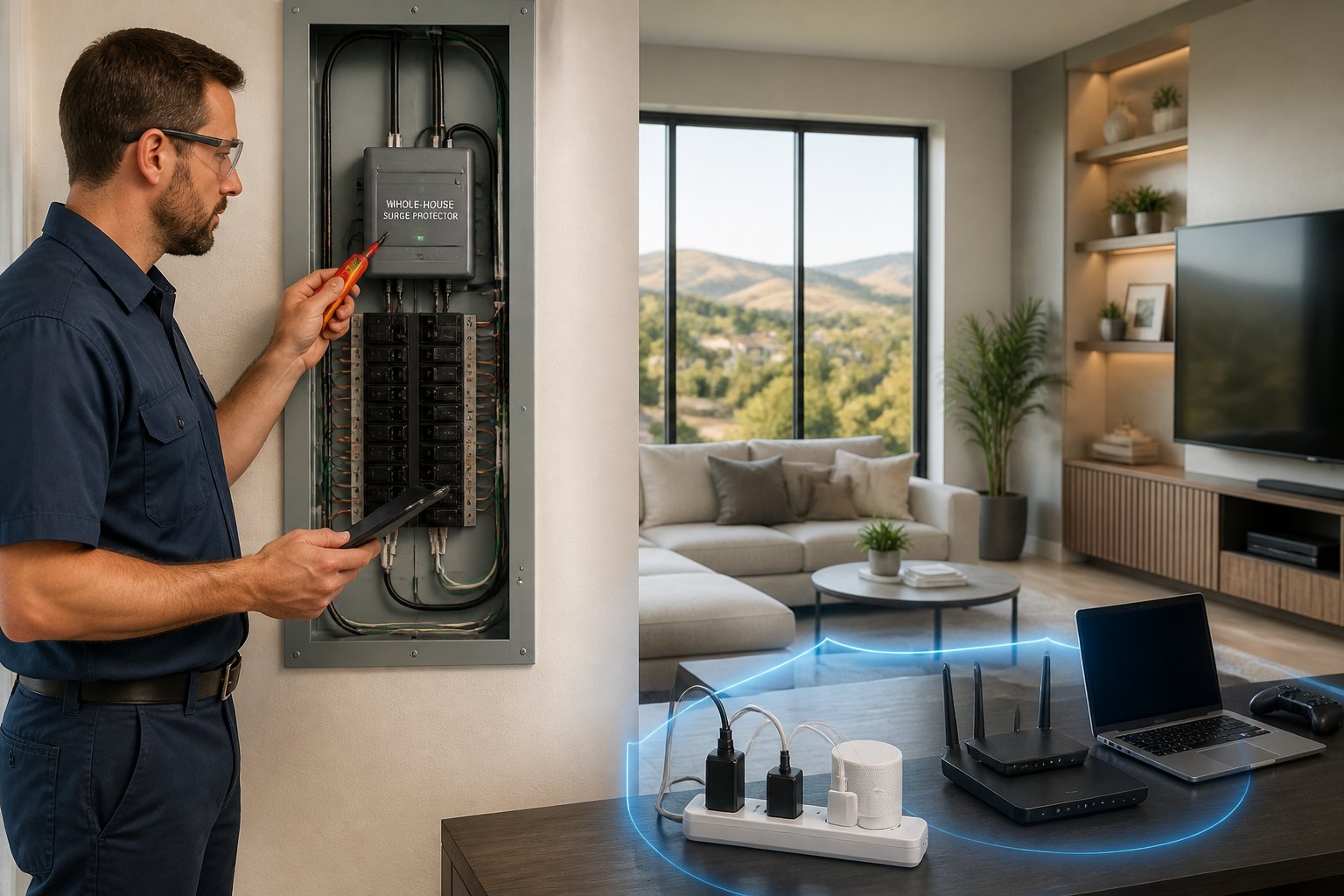
Our team installs outlets, wall-mounted EV chargers, whole-home surge protectors, recessed lighting, and smart integrations. We can upgrade panels, add subpanels, and lay out outlets to fit your workflow and meet code.
Local Codes and Permits in Georgetown
Georgetown follows Texas and local codes that require permits for new circuits, 240V installs, and bigger outlet projects. You’ll need a permit for dedicated EV outlets and most wiring changes. Inspectors check grounding, wire gauge, breaker size, and GFCI/AFCI requirements.
Expect them to look at box fill, conduit use, and circuit labeling. Sometimes you’ll need a panel upgrade if your system can’t handle more load. Pros handle permit applications and schedule inspections so your work stays compliant.
Magnify Electric manages permits and inspections in Georgetown and nearby areas. Our licensed electricians take care of wiring, panel upgrades, safety checks, emergency calls, and paperwork so your job passes inspection and meets code.
Assessing Your Garage Electrical Needs
Start by listing what tools and devices you want to use, how often, and where you want outlets. Think about workbenches, a fridge, EV charger, and lighting to match how you’ll really use the space.
Determining Outlet Placement
Consider workflow and safety when you pick outlet spots. Put outlets near your main workbench, about 36 inches off the floor, so you can reach them easily. Space outlets along each wall every 6–12 feet so you don’t have cords running across walkways.
Install dedicated outlets for big gear like welders or air compressors. Put GFCI outlets near any sink or outside door. If you want an EV charger, set aside a spot close to your parking and the panel to keep wiring simple.
Plan for ceiling or wall outlets for garage door openers and overhead lights. Sketch out outlet locations so your electrician can quote the job accurately.
Understanding Power Requirements
List every device and the amps it needs to size circuits right. Small tools can share a 15–20 amp circuit, but EV chargers, heaters, and big machines need dedicated 30–50 amp or larger circuits. Here’s a quick reference:
- Hand tools/lighting: 15–20 A circuit
- Refrigerator/freezer: 15–20 A dedicated or shared circuit
- Air compressor/welder: 30–50 A dedicated circuit
- Level 2 EV charger: 40–60 A dedicated circuit
Check your main panel’s capacity before adding high-amp circuits. If you’re close to maxed out, you might need a panel upgrade or a subpanel in the garage. Licensed electricians can check your load and suggest safe circuit layouts.
Planning for Future Upgrades
Think ahead—maybe you’ll want EV charging, a bigger workshop, or smart lighting later. Run conduit or install heavier wiring now so you don’t have to rip up drywall down the road. Leaving space for a 60A breaker or a 240V-ready line can save you hassle if you add a charger.
Consider smart home stuff like Lutron lighting or a whole-home surge protector during installation. It’s way easier to wire these when the panel and circuits are laid out cleanly from the start.
Magnify Electric’s licensed electricians can size circuits, install subpanels, and set up smart systems or EV chargers. We work in Georgetown and Central Texas, handling anything from a basic outlet to full commercial upgrades and emergency calls.
Choosing the Right Outlets
Choose outlets that fit your tools and the garage environment. Think about power needs, safety features, and if the outlet will be inside or exposed to weather.
Standard vs. GFCI Outlets
Standard 15A or 20A outlets work for most tools and chargers. Go with 20A outlets for heavy tools like table saws or compressors. Make sure the outlet matches your circuit breaker and your equipment’s cord rating.
GFCI outlets guard against ground faults and are required by code in garages with water or dampness. Install GFCIs on any garage wall, near sinks, or where there’s outdoor access. You can use a GFCI at the first outlet to protect others downstream, or put a GFCI breaker at the panel for the whole circuit.
If you’re always using extension cords, just add more outlets instead. Our licensed electricians at Magnify Electric install the right mix of standard and GFCI outlets, handle wiring, update panels, and do safety checks so your garage meets code and stays safe.
Weatherproof Outlet Solutions
For outlets near the driveway or outside doors, pick weatherproof covers and outdoor-rated boxes. Use in-use (bubble) covers to keep plugs dry when cords are plugged in.
Pick weatherproof receptacles rated for damp or wet spots. Metal boxes and conduit hold up better if you expect bumps or car traffic. For outdoor circuits, use tamper-resistant GFCI outlets to meet safety codes and prevent shocks.
If you’re planning EV charging, get a wall-mounted charger or a dedicated 240V circuit with a weatherproof box. Magnify Electric installs outdoor outlets, EV chargers, and weatherproof setups all over Georgetown and Central Texas, from Austin to Leander, for homes and businesses.
Step-by-Step Installation Process
Here’s what goes into a garage outlet installation in Georgetown, TX. Follow these steps to meet local code, keep your home safe, and get a solid outlet for tools, EV chargers, or lights.
Pre-Installation Safety Tips
Shut off the right circuit at the main panel and tag it so nobody turns it back on by accident. Use a non-contact voltage tester and double-check the outlet, switch, and wires are dead before you touch anything.
Wear safety glasses and insulated gloves. Keep a fire extinguisher for electrical fires nearby. Clear away flammable stuff and make sure you have good lighting so you can see what you’re doing.
Check local codes for required GFCI or 20A circuits in garages. If you’re adding an EV charger or a high-draw outlet, check breaker size and wire gauge (usually 12 AWG for 20A). If you’re not sure about load, call a licensed electrician.
Wiring and Mounting Outlets
Plan cable runs from the panel or an existing outlet using conduit or NM cable as local code allows. For a standard 120V garage outlet, run 12/2 with ground for a 20A circuit; for dedicated EV or 240V outlets, use the right wire size and breaker.
Mount a UL-listed outdoor or garage-rated box at a good height and fasten it to a stud or with concrete anchors. Strip wires cleanly, fold them into the box, and make tight connections: hot to brass, neutral to silver, ground to green. Use wire nuts for pigtails if you’re feeding more than one device.
Add GFCI protection at the first outlet or at the breaker, per code. If you’re installing a locking outlet for an EV charger, follow the wiring diagram and torque specs. Seal around boxes with foam or caulk where they go through exterior walls to keep out moisture.
Testing and Inspection Procedures
Turn the power back on and use a receptacle tester to check hot/neutral/ground setup and GFCI trip function. Test a GFCI with its button and with a tester that simulates a ground fault—it should cut power right away.
Check voltage with a multimeter: a 120V circuit should read about 120–125V between hot and neutral. For 240V, check for two-hot readings and make sure there’s no stray voltage where it shouldn’t be. Make sure the breaker doesn’t trip with normal use.
Schedule or request a local electrical inspection if Georgetown or Williamson County requires it. Keep wiring diagrams and permit papers handy. If anything looks loose, overheated, or the wrong size, shut off the circuit and call a licensed electrician. Magnify Electric’s licensed electricians can handle inspections, upgrades, and emergency fixes across Georgetown and Central Texas, so you get safe, code-compliant results.
Cost Factors for Garage Outlet Installation
Materials, labor, permits, and how complex the job is all affect what you’ll pay and how long it’ll take to finish your garage outlet project.
Material and Labor Costs
Materials include the outlet, box, wiring (usually 12-gauge for 20A), a GFCI or weather-rated receptacle, conduit if needed, and mounting hardware. A standard 20A garage outlet can run from $30–$120 for parts, depending on GFCI, weatherproofing, and if you add a dedicated circuit or EV-ready feed.
Labor in Georgetown usually ranges from $70 to $150 per hour. Most simple garage outlet installs take 1–3 hours, but it takes longer if you open walls, add a new circuit, or run conduit. If you need an EV charging outlet or a 240V line, expect more hours and a higher bill. Always ask for a line-item estimate that breaks out parts, hours, and any extras like drywall repair or adding subpanels.
Permitting Fees in Georgetown
City permits keep projects safe and up to code. In Georgetown, permit fees change depending on the job. A basic outlet permit usually costs little, but new circuits or panel work will run higher. Don’t forget about permit processing and inspection time when you’re figuring out your schedule.
After wiring, you’ll need an inspection. Skipping permits? That’s risky—think fines, do-overs, or even trouble when you try to sell. At Magnify Electric, our licensed electricians handle permit submission, coordinate inspections, and make sure everything meets local code in Georgetown and around Central Texas. We cover everything: simple outlets, full upgrades, smart home systems, EV charging, and emergency support. You get licensed service from a team that’s seen it all.
Benefits of Hiring a Georgetown Electrician
Go local. A Georgetown electrician saves you time, keeps your project up to code, and gives you warranty-backed protection. You get licensed crews for anything from a quick outlet add to a full panel upgrade or EV charger install.
Expertise in Local Electrical Codes
A Georgetown electrician knows the city and county rules—permit requirements, inspection steps, and safe wiring. You want your garage outlet or circuit upgrade to pass inspection and keep your insurance valid, right?
Licensed electricians understand load calculations and how to avoid overloaded circuits when you add outlets, EV chargers, or workshop gear. They’ll pick the right wire gauge, breaker size, and make sure GFCI or AFCI protection is in place where it should be.
You also get the paperwork you’ll need for permits and inspections. That comes in handy if you sell or need to file an insurance claim later. Magnify Electric’s licensed electricians work all over Central Texas and bring this code knowledge to every job.
Warranty and Safety Assurance
A licensed electrician gives you warranties on parts and labor, so if something fails after installation, you’re covered. That’s peace of mind, especially with bigger installs like EV charging outlets or panel upgrades.
Safety’s a big deal in garages—tools, cars, and moisture mean extra risk. Pros test circuits, ground systems, and check devices like GFCIs and surge protectors to keep shock and fire risks down.
If you need emergency support or documented repairs, you’ll get reliable service. Magnify Electric provides licensed, insured work for homes and businesses, including emergency calls, troubleshooting, and safety inspections in Georgetown and the surrounding area.
Maintaining Your Garage Electrical Outlets
Keep outlets clean, dry, and free from damage. Test GFCI protection, check labels, and look over cords and plugs every so often.
Regular Inspection Tips
Every 3–6 months, inspect each outlet. Look for cracks, loose faceplates, burn marks, or yellowed plastic. Test GFCI outlets—press "TEST" and "RESET." If nothing happens, stop using the outlet and call a licensed electrician.
Outlets near work areas or doors should have weatherproof covers if exposed to moisture. Gently wiggle plugs; if you notice sparks, heat, or weird noises, something’s off. Use a plug-in outlet tester to check wiring—these testers flag open grounds, reversed wires, and other faults.
Keep cords up off the floor and away from doors. Replace frayed cords right away. Label circuits at the panel so you can shut off power quickly if needed.
Troubleshooting Common Issues
If an outlet won’t power your device, try a different appliance and another outlet to narrow it down. Check the breaker or GFCI—reset if needed and test again. If breakers keep tripping, unplug tools and test one at a time to spot the overload.
If an outlet feels warm, smells odd, or sparks, turn off the circuit and don’t use it. That’s often a sign of loose wiring or a damaged receptacle—time to call a licensed electrician. Flickering lights when you plug in a tool? The circuit might be overloaded, or maybe the panel needs an upgrade.
Magnify Electric’s licensed electricians handle diagnostics and repairs—outlet swaps, panel upgrades, EV charging, you name it. We serve Georgetown and Central Texas with residential and commercial work, emergency support, and smart home setups.
Frequently Asked Questions
Got questions about garage outlet work in Georgetown? Here’s where we cover safety rules, costs, timing, EV charger support, how to pick a qualified electrician, and the codes you’ll need to follow.
What are the requirements for installing an electrical outlet in a residential garage?
You need the right wire gauge and a circuit that can handle the load. Garages usually need 15A or 20A circuits; use 12-gauge wire for 20A and 14-gauge for 15A.
GFCI protection is a must for garage outlets—shocks and dampness don’t mix. Mount outlets at the right height and secure all wiring in boxes or conduit as needed.
How can I find a reliable electrician for garage outlet installation in Georgetown?
Look for licensed, insured electricians with good local reviews and references you can check. Ask if they’ve handled garage work, EV chargers, and permits.
Magnify Electric has licensed electricians across Georgetown and nearby towns. You’ll get trained techs for simple work, upgrades, smart-home installs, or emergencies.
What is the typical cost range for garage outlet installation services?
A basic outlet install usually runs $150 to $400 if the panel and circuit can handle it. Bigger jobs—new circuits, subpanels, or outdoor weatherproof outlets—can bump it up to $500–$1,500 or more.
Final cost depends on labor, materials, distance from the panel, and permit fees. Always ask for a written estimate with parts, labor, and permit details before you start.
Are there specific codes or regulations to consider when adding an outlet in my garage?
Definitely. You’ll need to follow the National Electrical Code (NEC) and any Georgetown or Williamson County amendments. NEC covers outlet spacing, GFCI requirements, and dedicated circuits for bigger loads.
Permits are usually required. A licensed electrician helps you pass inspection and keeps everything up to code.
How long does it usually take to install a new outlet in a garage?
A simple outlet on an existing circuit can take 1–3 hours. If you need a new circuit, panel changes, or trenching, it could take a full day or more.
Your electrician will check access to the panel and wall cavities and give you a time estimate before starting.
Can a garage outlet installation support my electric vehicle charger?
Honestly, it all comes down to the charger you’re eyeing. Level 1 chargers? Those just plug right into a regular 120V outlet, though you’ll need some patience—they’re not exactly speedy. If you want faster charging, Level 2 chargers step things up but need a 240V dedicated circuit, plus the right breaker and wire.
Magnify Electric handles EV charging outlets and wall-mounted chargers. They’ll check your panel, talk upgrades if you need them, and sort out permits and inspections. You’ll find them working around Austin, Round Rock, Leander, Cedar Park, Kyle, Georgetown, and a bunch of other Central Texas spots.