Your home’s electrical system works best when safety and efficiency are built into every layer, from the main panel to the smallest outlet. If you want fewer nuisance trips, steadier performance, and less risk of overheating or damage, you need a plan that keeps your electrical distribution systems organized, protected, and maintained.
The best ways to maintain safe and efficient power distribution start with a few simple priorities: know how your main components work, balance your household load, add protection against faults, and stay ahead of wear before it turns into a problem. That approach supports electrical safety, helps reduce wasted energy, and gives you more confidence that your home is ready for modern demands like EV chargers, smart appliances, and backup power.
Key Takeaways
- A well-maintained panel helps prevent avoidable shutdowns.
- Balanced circuits support safer, steadier power.
- Regular checks catch small issues before they grow.
Start With The Core Distribution Components
Your home’s electrical infrastructure depends on a few core parts working together correctly. When you know what each part does, it becomes easier to spot problems early and make smarter upgrade decisions.
How Panels, Panelboards, And Distribution Boards Work Together
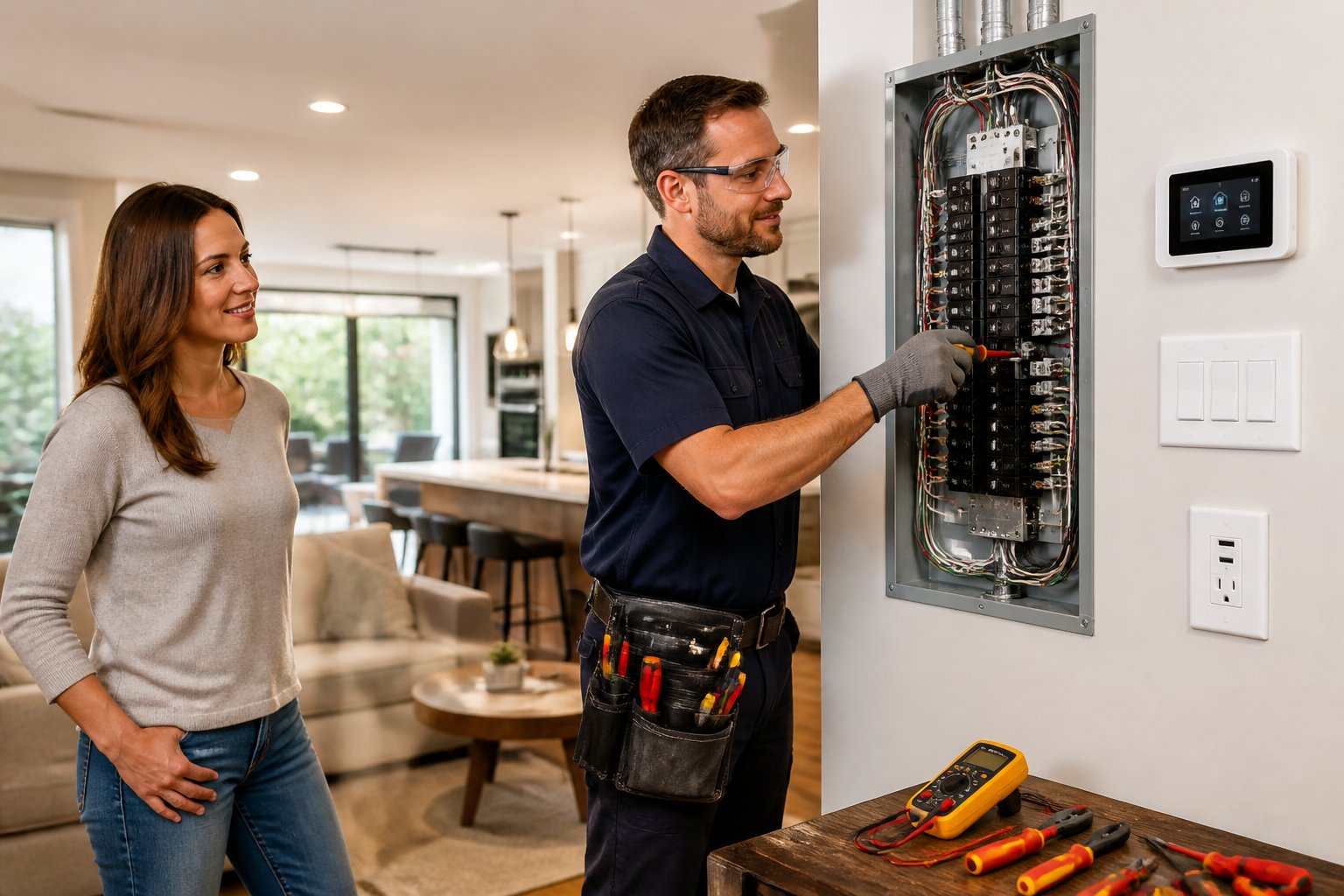
The main panel acts as the hub for all your home’s electricity. Panelboards or distribution boards organize how power gets sent to different rooms, appliances, and equipment.
If your panel is undersized, crowded, or outdated, your system can get tough to manage. A licensed electrician can check if your setup still fits your needs, especially if you’re eyeing an EV charger, hot tub, or generator.
What Breakers, Circuit Breakers, Fuses, And Switches Actually Do
Breakers and circuit breakers protect your wiring by shutting off power when current gets too high. Fuses do the same job in older systems. Switches let you control where power goes.
If a breaker trips often, don’t just shrug it off. It might mean overloads, loose connections, a bad breaker, or a circuit that needs to be split up for safety.
Why Transformers, Distribution Transformers, Bus Bars, And Busbars Matter
Transformers and distribution transformers adjust voltage so electricity can move through the system safely. Inside the panel, bus bars or busbars carry power to the breakers that feed each circuit.
You probably never see these parts, but they’re pretty important for reliable performance. A worn transformer, damaged bus bar, or loose connection can make things hot, waste energy, and throw your whole system off.
Focus On Load Safety, Balance, And Voltage Control
Safe power delivery takes more than just having enough capacity. You need the right load analysis, balanced circuits, and steady voltage so your home can run smoothly without unnecessary stress on equipment.
Load Analysis, Load Forecast, And Load Forecasting For Modern Homes
Load analysis shows how much power your home uses and where it goes during peak demand. Load forecasting estimates how your needs might grow if you add bigger appliances, solar, or charging stations.
In the Sacramento area, this stuff really matters if you’re planning for the future instead of just today. A careful review helps you avoid oversizing in the wrong places or underestimating what modern gear will need.
How Load Balancing Prevents Overloads And Nuisance Trips
Load balancing spreads electrical demand more evenly across circuits and phases. That reduces strain on the panel and lowers the chance of nuisance trips, warm breakers, and overloaded wiring.
If too many high-demand devices share the same circuit, you’ll see inefficiency and less reliability. Load balancing supports both comfort and long-term system health.
Managing Voltage Drop, Voltage Sag, Unbalance, And Voltage Fluctuations
Voltage drop, voltage sag, unbalance, and voltage fluctuations can all mess with how your devices perform. You might notice dimming lights, slow-starting motors, or electronics that act up when voltage isn’t steady.
Good voltage regulation helps your home run more predictably. If these issues keep coming up, voltage regulators or a system review might be the fix for better voltage stability.
Build In Protection Against Faults And Failures
Protection devices keep small problems from turning into bigger hazards. The idea is to spot trouble quickly, isolate it safely, and keep the rest of the house running when possible.
Overcurrent Protection, Fault Current, And Fault Protection Basics
Overcurrent protection stops wires and equipment from overheating when too much current flows. Fault current is the surge that shows up during a short circuit or electrical failure, and fault protection limits the damage.
If your home has older equipment, it’s worth checking that protection devices still fit your wiring and electrical load.
The Role Of Relays, Protective Relays, Reclosers, And Sectionalizers
Relays and protective relays sense dangerous conditions and trigger protective action. Reclosers and sectionalizers show up more in utility and big distribution equipment, where they help isolate problems and restore service.
For homeowners, what matters is coordination. When protective devices match up properly, a fault should only affect the needed circuit—not the whole house.
Grounding And Bonding, Surge Protection, And Backup Readiness
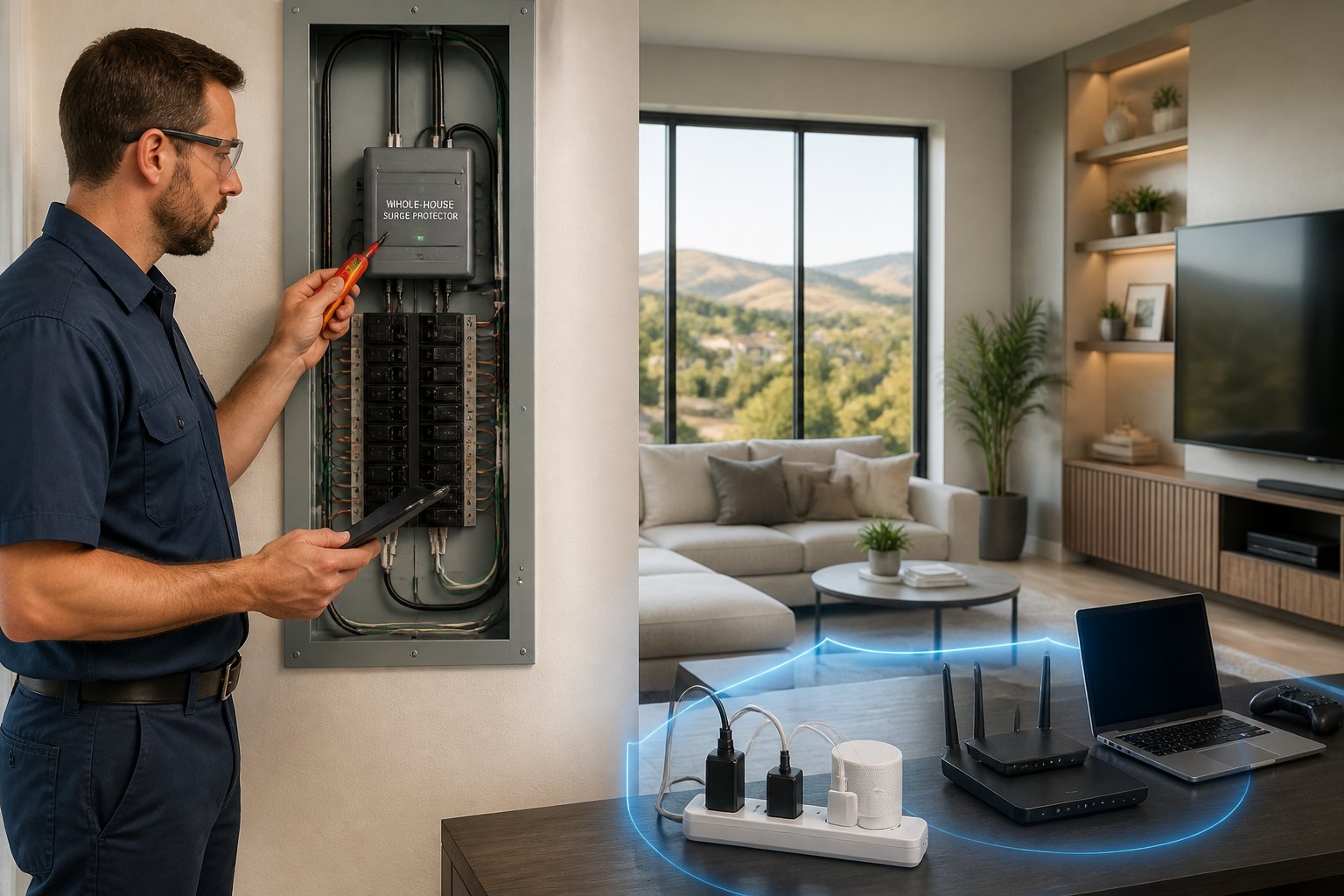
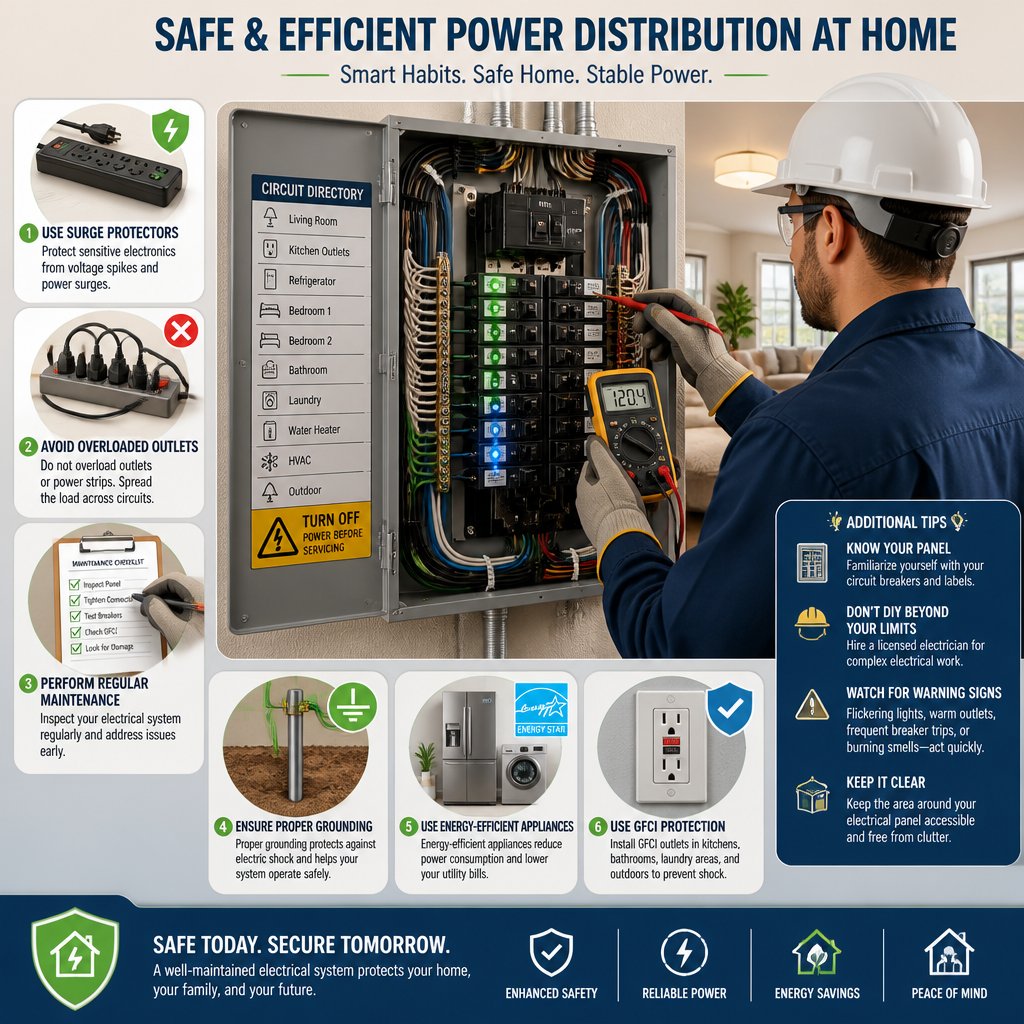
Grounding and bonding direct stray current safely and cut shock hazards. Surge protection helps defend sensitive electronics from spikes caused by storms, utility hiccups, or big appliances turning on.
Backup readiness matters too, especially if you rely on batteries, a UPS, or a generator for critical loads. Having a plan gives you redundancy and peace of mind during outages—pretty useful when weather or grid issues hit the Sacramento region.
Use Preventive Maintenance To Catch Problems Early
Routine care keeps small issues from turning into expensive repairs. Staying ahead of wear usually means better safety, fewer outages, and longer-lasting equipment.
Routine Inspections Homeowners Should Schedule
Check outlets, switches, visible wiring, and panel labels for signs of wear or heat damage. A professional inspection can dig deeper—looking at service connection points, breakers, and grounding to make sure everything still meets safety standards.
This is especially important in older homes or places with aging infrastructure. Regular maintenance helps you spot problems before they become safety issues or daily headaches.
Preventive Maintenance For Panels, Feeders, And Service Connection Points
Panels, feeders, and service connection points need checks for corrosion, loose terminations, and overheating. Preventive maintenance also catches dust buildup, damaged insulation, and signs of moisture.
For folks in Roseville, Rocklin, Folsom, and Citrus Heights, a same-day service visit can often fix urgent issues before they spread. AAA Electrical Services tries to keep recommendations transparent, so you know what’s urgent and what can wait.
Infrared Thermography, Thermal Imaging, And Remote Monitoring
Infrared thermography and thermal imaging spot hot spots that you’d probably miss during a visual check. These tools are great for finding overloaded connections, weak breakers, and hidden wear inside panels.
Remote monitoring and asset management tools are getting more useful in larger homes or places with backup power or solar. Predictive analytics can flag patterns that hint at future failures, giving you time to act.
Improve Efficiency With Smarter Equipment And Controls
Efficiency isn’t just about saving energy—it also helps reduce heat, boost performance, and lower stress on your electrical system. The right equipment can make your home safer and easier to manage.
When Energy-Efficient Equipment And Variable Frequency Drives Help
Energy-efficient equipment lowers electrical demand but still gets the job done. Variable frequency drives are especially handy for systems with motors since they match speed and power to what’s actually needed, not just running full tilt all the time.
For anyone adding modern appliances or upgrading mechanical systems, this is a smart way to boost performance and cut waste.
Power Factor Correction With Capacitors And Capacitor Banks
Power factor correction helps your system use electricity more effectively. Capacitors and capacitor banks are common for improving power factor in larger homes or mixed-use setups with big loads.
Synchronous condensers are a bit more specialized, but the idea’s the same: cut wasted reactive power and improve performance. A better power factor eases demand and helps keep things stable.
How EMS, Smart Meters, And AMI Support Better Metering
An EMS tracks and manages energy use more intelligently. Smart meters and AMI give you more accurate data about when and how you’re using electricity.
That info supports demand response and load shedding if your home has backup systems or advanced controls. With better visibility, you can make smarter choices about upgrades, usage, and long-term efficiency.
Plan For Upgrades, Resilience, And The Wider Grid
Your home doesn’t operate in isolation. It connects to the local power distribution system, so future upgrades should account for your needs and the grid around you.
Preparing Homes For EV Chargers, Generators, Solar, And Future Loads
EV chargers, generators, solar, and battery systems all put different demands on your panel and wiring. Planning ahead helps you avoid a rushed upgrade later, especially if you want a clean install and reliable performance.
If you’re in Natomas, Carmichael, Elk Grove, or Rancho Cordova, future-proofing your home before adding big electrical loads is a smart move. A good electrician looks at capacity, safety, and long-term reliability so your system can handle your next upgrade.
How Smart Grid Technologies And Distributed Energy Resources Affect Homes
Smart grid technologies are changing how electricity is managed and restored. Distributed energy resources like rooftop solar and home batteries can help during outages, but they need proper coordination with the utility and your electrical system.
A smarter home setup can improve resilience, but only if you get the equipment installed and configured right. That’s where clear communication and licensed electrical work really matter, especially when you want safe integration with the wider smart grid.
From Substations To Feeders: Why Transmission And Distribution Still Matter
Even though most folks only see the service drop and panel, the journey starts way earlier in substations, transmission, and distribution gear. Substations step voltage up or down, then feeders and local lines bring power toward your neighborhood.
Transmission losses, distribution losses, and low voltage conditions can all affect how power reaches your home. Good planning at home won’t fix the whole grid, but it can help you stay ready for real-world conditions, including ring main service areas and broader grid issues.
Frequently Asked Questions
What routine inspections should be done to keep a power distribution system safe and reliable?
Check the panel, breakers, outlets, switches, and visible wiring for heat, corrosion, looseness, or damage. A licensed electrician should also inspect service connection points and grounding regularly, especially in older homes.
How can I reduce energy losses and improve efficiency across a facility’s electrical distribution?
Start with load balancing, corrected power factor, and right-sized equipment. Fix loose connections, replace outdated devices, and use energy-efficient equipment where it makes sense.
What are the most common warning signs of overloaded circuits or failing connections?
Frequent breaker trips, warm outlet covers, buzzing sounds, flickering lights, and burning odors are all red flags. If one circuit struggles a lot, it might be overloaded or have a connection that needs immediate attention.
How often should breakers, switchgear, and panels be tested or serviced?
Have them inspected periodically, based on age, usage, and equipment type. Homes with older systems, solar, generators, or EV chargers usually benefit from more frequent professional checks.
What protections help prevent electrical fires, arc faults, and shock hazards in a distribution setup?
Overcurrent protection, grounding and bonding, surge protection, and properly matched breakers all help lower risk. Arc fault and ground fault protection matter in living areas, kitchens, bathrooms, and other sensitive spots.
How can power quality issues like voltage sags, harmonics, and imbalance be identified and minimized?
You’ll probably notice these problems first as flickering lights, appliances acting up, or those annoying trips that keep happening for no obvious reason. If you’re scratching your head, a pro can come in, measure the voltage, look at how your loads are balanced, and suggest ways to smooth things out—maybe with better voltage regulation or just swapping out some equipment. It’s not always obvious, but once you spot the signs, you can usually do something about it.