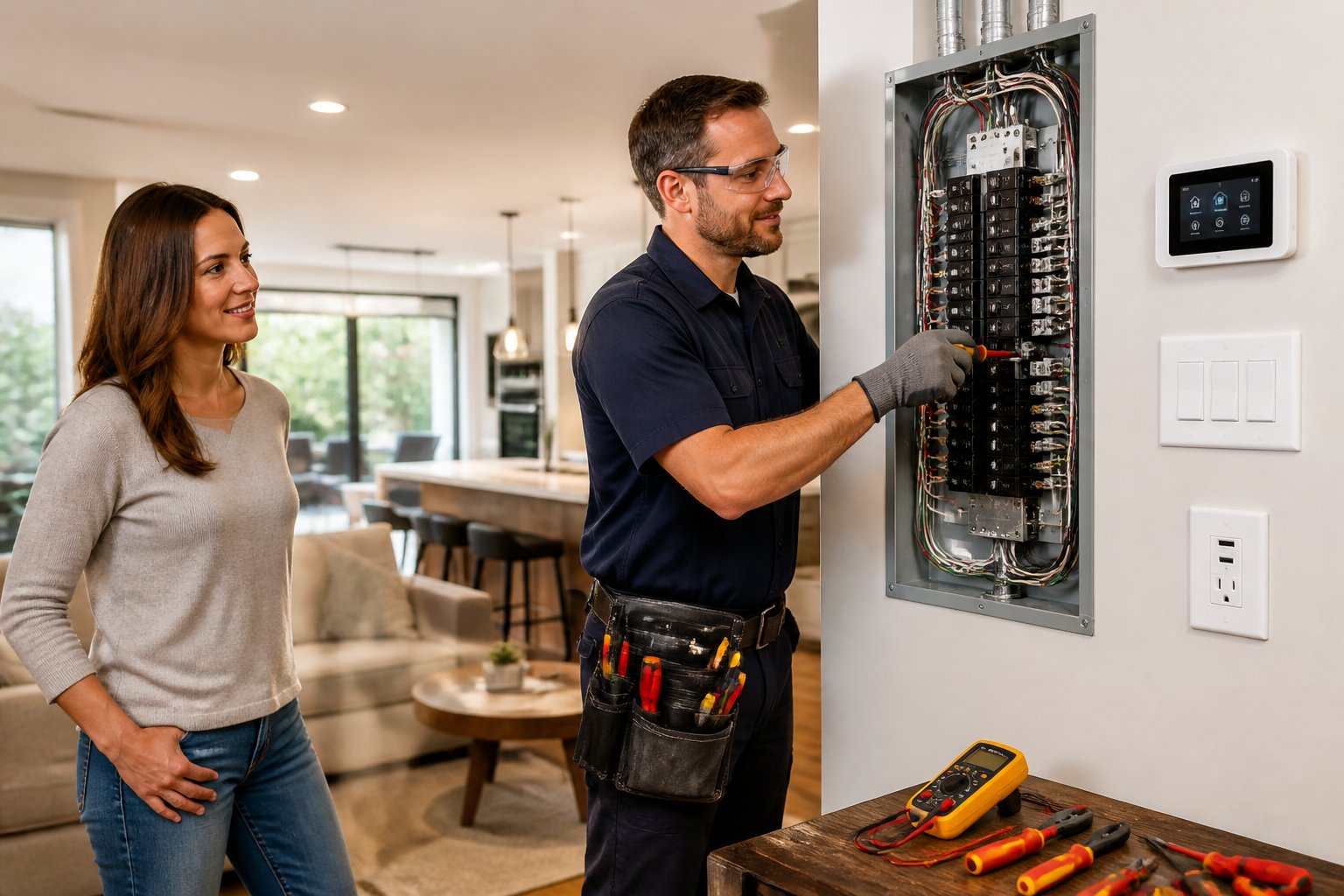
If you live in a multi-story home, you probably have a bunch of devices running on different floors. To keep circuit overloads at bay, try to spread out your high-power appliances—think heaters, microwaves, AC units—across different circuits instead of plugging them all into the same outlet or breaker. That way, you'll dodge those annoying breaker trips and keep things safer.
It’s not always easy to keep your electrical system balanced, especially as your family grows or you pick up new gadgets. If your lights flicker or breakers trip more than they should, you might want to give AAA Electrical Services a call. Their licensed pros handle safety-first electrical work and even offer same-day service. They show up ready to go, stocked vans and all, and treat your home with real care.
Managing your circuits and reaching out for expert help when things get dicey protects your family from shocks and fire risks. AAA Electrical Services covers Sacramento, Roseville, and nearby spots, with straightforward pricing and honest communication to keep your home powered up and safe.
Understanding Electrical Loads in Multi Story Homes
Getting a handle on how electrical loads work in your multi-story home helps you avoid headaches like circuit overloads. You’ll pick up on what causes these overloads, the kinds of circuits you’re likely to have, and how to spot when your system’s being pushed too hard.
Definition of Circuit Overload
A circuit overload happens when too much electricity tries to move through a single circuit. Every circuit has its limit, set by the wiring and breaker size. Plug in too many devices or some power-hungry appliances at once, and the circuit just can't keep up. The breaker trips, cutting power before things overheat or catch fire.
In multi-story homes, different floors might share circuits or have dedicated ones for heavy equipment. Figuring out which circuits cover which parts of your house lets you spread out your electrical use and avoid overloads.
Types of Electrical Circuits
Here’s what you’ll find in most homes:
- General-purpose circuits: These handle lights, outlets, and smaller appliances—often shared across rooms.
- Dedicated circuits: For big stuff like ovens, ACs, or dryers. These only serve one appliance.
- Multi-wire branch circuits: Sometimes used to safely boost capacity by sharing a neutral wire.
Knowing what’s what helps you decide where to plug things in. Don’t put that new space heater on a general-purpose circuit, for example. If you’re not sure, AAA Electrical Services can check things out and suggest upgrades.
Common Causes of Overloads
Here’s what usually causes overloads:
- Too many devices on one circuit
- Plugging high-wattage appliances into a circuit that’s too small
- Old wiring or panels that can’t keep up with modern needs
- Surges when power comes back after an outage
To prevent these, unplug stuff when you’re not using it, and avoid using extension cords for heavy-duty gear. If breakers keep tripping, you might need a panel upgrade or extra circuits. Trusting licensed electricians who can show up fast and fix things right the first time just makes sense.
Planning Safe Electrical Circuits for Multi Story Homes
When you’re planning circuits for a multi-story place, you’ve got to match the power needs for each floor, spread out the load, and choose the right breakers. It’s not rocket science, but it does keep overloads and headaches away.
Assessing Power Requirements by Floor
First, look at what you’ve got on each floor. Kitchens and laundry rooms usually need more juice than bedrooms. Make a list of your heavy-hitters: ovens, washers, dryers, HVAC—stuff like that.
Add up the wattage for each floor. That’ll help you figure out how many circuits you really need. And don’t forget to think ahead—maybe you’ll want an EV charger or other upgrades down the road.
If the math gets confusing, AAA Electrical Services can help. They’ll make sure your setup can handle whatever you throw at it, keeping your home safe.
Distributing Loads Across Circuits
Don’t let one circuit do all the heavy lifting. It’s way better to assign different rooms or major appliances to their own circuits. Give the kitchen its own, laundry another, and let bedrooms share circuits for lights and outlets.
Power strips with built-in protection work for smaller stuff, but don’t overload them. And try not to stack high-wattage gadgets on a single outlet.
Spreading things out keeps interruptions to a minimum and your wiring in good shape.
Choosing Proper Circuit Breakers
Circuit breakers are like the bouncers of your electrical system—they shut things down if a circuit gets overloaded. For multi-story homes, picking the right breakers matters.
Match the breaker’s capacity to what it’s protecting. Kitchens usually need 20-amp breakers or more; lights can get by with less.
You might want tandem breakers to add more circuits without a bigger panel, but only if your panel allows it. Quality breakers cut down on nuisance trips and boost safety.
AAA Electrical Services can help you choose and install the right breakers for your setup.
Preventing Circuit Overloads Through Appliance Management
How you use your appliances can make or break your circuits. Knowing which ones pull the most power, when to use them, and how to protect your electronics goes a long way. Here’s how to keep things running smoothly.
Identifying High-Power Appliances
Some appliances are real power hogs—think air conditioners, space heaters, microwaves, electric ovens. They draw a lot, especially if you run them together on one circuit.
Check the labels or manuals for wattage or amps. If you spot high numbers, pay attention. If your breakers trip a lot, these are probably the culprits. Spread them out across different circuits if you can.
Scheduling Appliance Use
You don’t have to run every big appliance at the same time. Try not to run the dryer, dishwasher, and microwave all together if they share a circuit. Stagger them through the day.
A simple schedule helps keep the system balanced. Use lower-power stuff during busy times, save the heavy-duty appliances for quieter hours. It takes a little planning, but your circuits (and your nerves) will thank you.
Using Surge Protectors and Smart Plugs
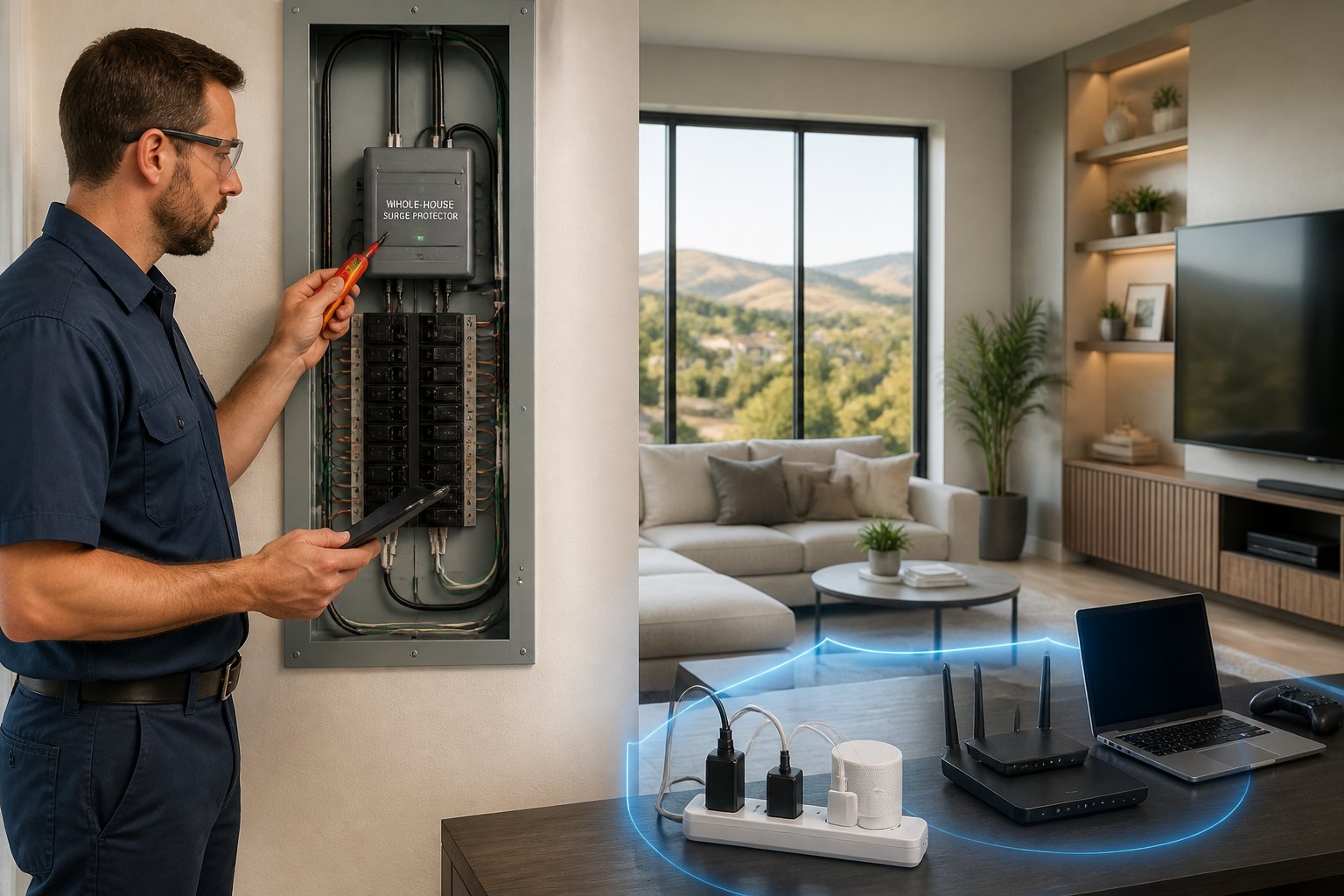
Surge protectors aren’t just for lightning—they help with sudden voltage spikes and can offer built-in circuit protection. Pick surge protectors with these features to cut risk.
Smart plugs let you monitor and control appliances from your phone. Set timers or turn stuff off when you’re not using it. It’s handy for avoiding overloads and even saving a bit on your bill.
If you want peace of mind, AAA Electrical Services handles circuit breaker repair and panel upgrades, with flat-rate pricing and quick turnaround.
Upgrading and Maintaining Your Electrical System
Keeping your electrical system up to date is huge for safety and avoiding overloads. Watch for warning signs, get regular inspections, and always stick with licensed electricians who know what they’re doing.
Signs Your System Needs an Upgrade
If breakers trip a lot or lights flicker, your panel or wiring might be maxed out. Older homes are especially prone to this since they weren’t built for today’s gadgets.
Adding things like EV chargers, heat pumps, or just more appliances can push your system over the edge. When breakers keep tripping, your home’s basically waving a red flag.
Upgrading your panel bumps up capacity and cuts down on overload risks. If you see these problems, don’t wait—get a pro out there.
Regular Electrical Inspections
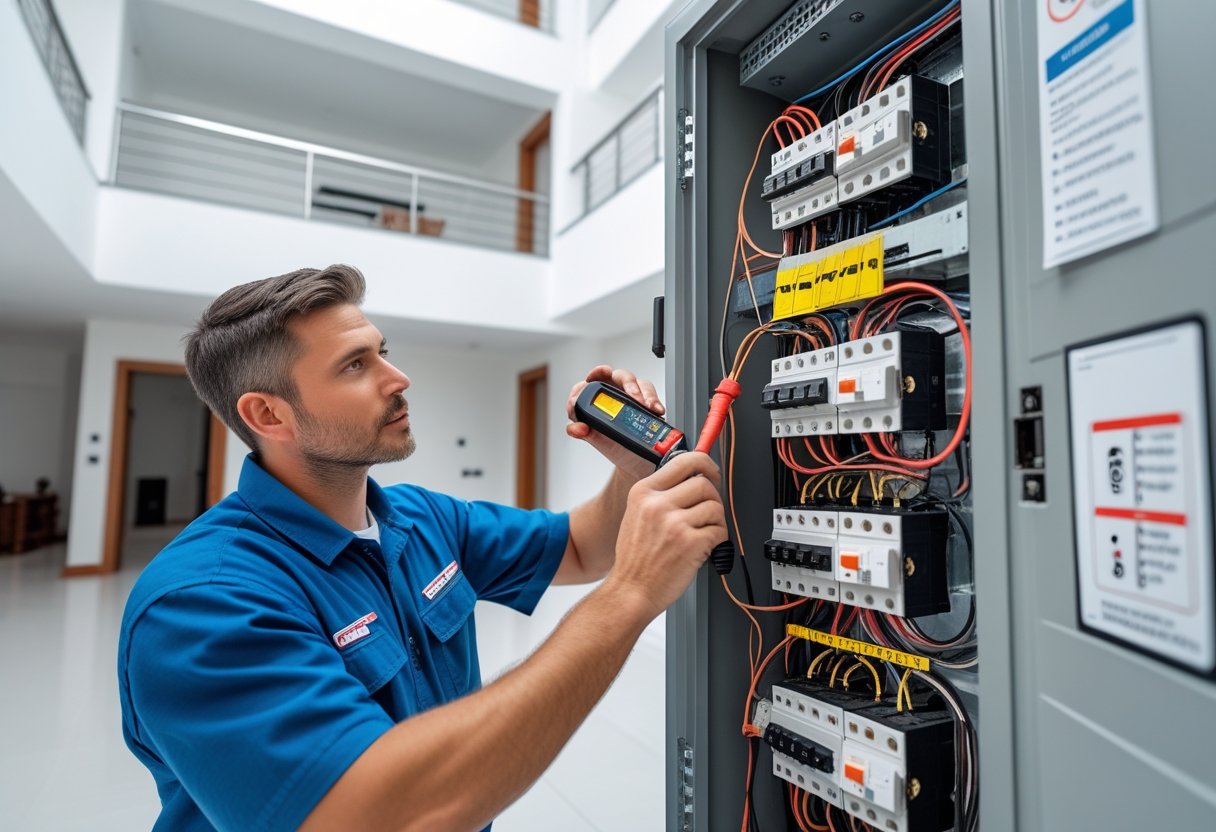
Regular inspections catch problems before they get dangerous. Certified electricians check wiring, breakers, outlets, and panels for wear or overloads.
It’s smart to get an inspection every few years, especially in multi-story homes with lots of circuits. Inspections can catch loose connections or outdated equipment that could cause trouble.
After adding big appliances or renovating, schedule another check. It keeps things reliable and safe, and helps balance your circuits.
Working with Licensed Electricians
Always hire licensed, insured electricians for upgrades or repairs. They know the codes, use the right tools, and keep your home safe.
AAA Electrical Services covers Sacramento and nearby areas, offering same-day service and arriving with stocked vans for quick fixes. Their focus is safety and clear pricing.
Letting pros handle the work means your system’s up to code, energy-efficient, and—most important—safe. DIY electrical work just isn’t worth the risk.
Promoting Long-Term Electrical Safety
Electrical safety isn’t just about quick fixes. It’s about teaching everyone in your home good habits and having a plan if something goes wrong. These steps help avoid overloads and keep your family safe for the long haul.
Educating Household Members
Everyone should know how to use electrical stuff safely. Remind folks not to overload outlets or power strips, and to avoid using damaged cords. If they spot sparks, burning smells, or flickering lights, they should let someone know right away.
Show everyone where the breaker panel is and how to shut off power if needed. Encourage kids and older adults to ask for help before plugging in lots of devices or using powerful appliances together.
These basics go a long way. If you want a little extra peace of mind, AAA Electrical Services can do home safety checks and make sure everyone’s on the same page.
Implementing Emergency Procedures
Having a plan for electrical emergencies can really make a difference. Keep a list of emergency numbers handy—your electrician, fire department, that sort of thing. Stash a flashlight and a charged phone somewhere you can grab them fast if the power goes out.
If a breaker trips, show how to figure out which circuit is the problem before resetting it. Never touch electrical stuff if there’s water around or you smell burning. If something keeps happening, call AAA Electrical Services for a quick fix.
Don’t ignore warning signs. Practicing these steps gives everyone more confidence and keeps your system safer in the long run.
Frequently Asked Questions
Preventing circuit overloads comes down to spotting warning signs, knowing your circuits’ limits, and managing your home’s electrical load. A few simple habits can keep your family safe and your system running smoothly.
What steps can I take to prevent overloaded circuits?
Cut down on how many devices you plug into one circuit. Try not to run too many high-power appliances—like heaters or microwaves—on the same breaker.
Have a licensed electrician check your wiring. Upgrading your panel or adding new circuits can help even things out.
Power strips with built-in circuit protection are a good call, too. They help guard against accidental overloads.
What are some signs that a circuit may be overloaded?
You might spot flickering or dimming lights when you turn on several devices at once. Sometimes, outlets or switches feel a bit warm—never a good sign.
Breakers that trip again and again definitely raise a red flag. If a few outlets just quit working out of nowhere, overload could be the culprit.
Can a circuit be overloaded even if the breaker hasn't tripped?
Actually, yeah—it can. A circuit might handle too much current for a while before the breaker finally gives up. Meanwhile, wires could overheat, which is risky.
So, even if your breaker’s behaving, don’t ignore warm outlets or lights that flicker. Those are worth paying attention to.
Why do my lights flicker and could it be due to an overloaded circuit?
Lights that flicker usually mean too many things are plugged into the same circuit. That extra demand causes voltage to dip, so the lights blink or flutter.
If you keep seeing this in the same spots, maybe try unplugging a few things or—honestly—call in an electrician to take a look at your panel.
How do I properly split an overloaded circuit to ensure a safer electrical distribution?
You’ll want an electrician for this. They can run new circuits or move bigger appliances onto their own breakers, so your system isn’t straining in one spot.
Try to split things up by how much power each room or appliance uses. That way, you’re not putting too much pressure on any one part of your home’s wiring—especially in bigger or older houses.
What does the 80% rule for circuit breakers mean for my home's electrical safety?
The 80% rule says you shouldn't load a circuit breaker to more than 80% of its rated capacity, especially for things that run continuously.
So, if you've got a 20-amp breaker, try to keep the load under 16 amps. That way, you avoid overheating and lower the risk of tripped breakers or, worse, electrical fires.
Need a hand with electrical repairs or maybe a panel upgrade around Sacramento? AAA Electrical Services can usually get someone out the same day. Their licensed folks work fast and make sure your place is left clean and safe.