Tackling DIY electrical projects can be rewarding and save you some cash, but honestly, there’s no sugar-coating the risks. First rule? Always turn off the power before starting—never mess with live circuits. That one step alone can keep you and your loved ones out of harm’s way.
It’s also smart to grab the right tools, check cords for any wear or damage, and steer clear of overloaded outlets. If you’re around Sacramento, AAA Electrical Services is there for same-day help with repairs or installations. Their licensed techs are all about a safety-first mindset, which, let’s be real, is what you want when it comes to electricity.
If you’re curious about more safety tips or when it’s time to call the pros, you’re in the right place. Let’s dig into how to keep every step of your DIY electrical work safe—and maybe a little less nerve-wracking.
Understanding Electrical Hazards
Understanding what causes electrical trouble and recognizing the risks can make a big difference. If you know what to watch for, you’ll have a much better shot at avoiding dangerous mistakes.
Common Causes of Electrical Accidents
Most electrical accidents during DIY projects happen when someone forgets to turn off the power or deals with bad wiring. Plugging too many things into one outlet? That can overheat and spark. Damaged cords or tools—yep, those are culprits too.
Working near water is another biggie. Water and electricity are a terrible mix, and even a little moisture can raise your shock risk. Skipping protective gear, like insulated gloves, just isn’t worth it.
Double-check that the circuit is off before you start, and give cords and outlets a once-over for damage. Simple, but it really does help.
Types of Electrical Hazards in DIY Projects
Here’s what you might run into:
- Electric shock: Touching a live wire can hurt—or worse.
- Electrical burns: Electricity can burn skin or even muscle.
- Fires: Faulty wiring or overloaded circuits can light up more than just your room.
- Explosions: Sparks plus gas or bad equipment? Not a combo you want.
Any of these can cause real harm. Using proper tools and following safety rules is honestly not optional.
Risks Associated With Electricity
Electricity’s dangers aren’t just about shocks—though that’s the big one. A shock can stop your heart or leave you with lasting injuries. Even a “small” shock isn’t something to shrug off. Burns can happen, often from sparks or shorts.
Fires are a sneaky risk, especially if you overload or damage a circuit. Sometimes they start inside the walls, and you won’t notice until it’s too late. Take a minute to check outlets, cords, and breakers now and then.
If you’re ever second-guessing yourself, call someone who knows what they’re doing. AAA Electrical Services has been around Sacramento for over 40 years, and their licensed team can keep things safe with quick repairs or upgrades.
Essential Safety Precautions
When you’re working on electrical stuff, protecting yourself, fully disconnecting power, and using the right tools really matter. These habits can keep both you and your house safe.
Using the Right Protective Gear
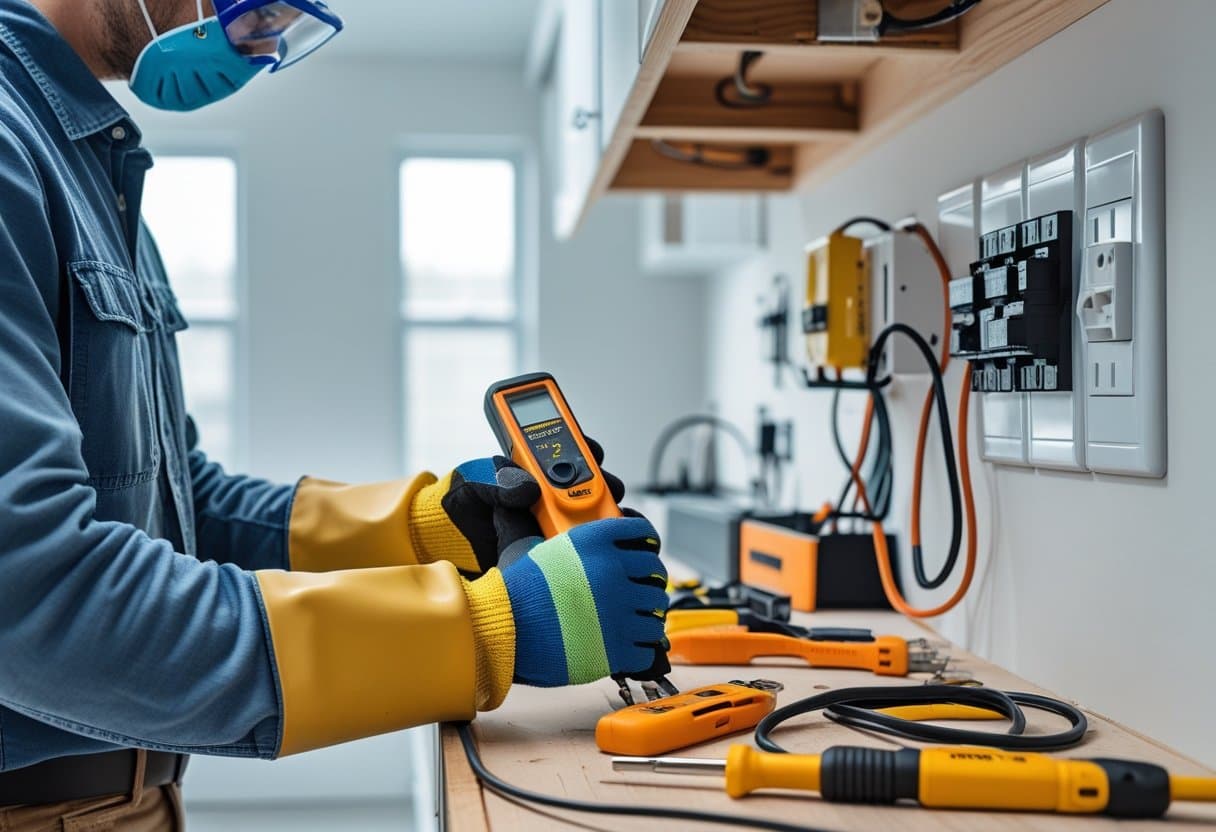
Before you even think about starting, get your protective gear sorted. Insulated gloves are a must to guard against shocks, and safety glasses keep sparks out of your eyes.
Stick with natural-fiber clothes like cotton—synthetics can melt if things heat up. Ditch jewelry or anything metal, since those just add risk.
Good shoes matter, too. Rubber soles can help stop current from running through you. Glance over your gear before each use, and if something’s ripped or worn out, toss it.
Turning Off Power Sources
Seriously, don’t touch anything until you’ve shut off the power. Flip the breaker or unplug whatever you’re working on.
Grab a voltage tester and double-check that nothing’s live. Breaker labels can be wrong, so don’t skip this.
If you can, lock the breaker off or slap a warning tag on it. Keeps others from flipping it back on while you’re working. It’s simple, but it can save you from a nasty shock or worse.
Proper Use of Tools and Equipment
Use tools made for electrical work—insulated screwdrivers and pliers aren’t just for show. Regular tools can carry current and up the danger.
Check your tools for cracks or exposed metal. If something’s busted, replace it. Don’t use power tools with wet hands or anywhere damp. Keep cords neat and away from sharp or hot spots. Using the right tools makes everything safer and smoother.
If you’re stuck or unsure, AAA Electrical Services is just a call away. Their licensed techs can swing by the same day and keep your family safe.
Safe Work Practices
Paying attention to the little things—like the shape of a wire or how dry your workspace is—can make a huge difference. Small habits, like checking wires and reading instructions, help you avoid problems.
Inspecting Electrical Components
Before diving in, inspect every part you’ll use. Look for cracked insulation, frayed wires, or bent connectors. Don’t try to patch up damaged cords—just replace them.
Make sure cords and plugs match your project’s power needs. Using the wrong kind can cause overloads. AAA Electrical Services always reminds customers about this step. Take a minute to check your components—it’s a quick win for safety.
Keeping Work Areas Dry
Electricity plus water? Not your friend. Stick to dry spots, and don’t stand in puddles. If you’re outside or near water, dry your hands and tools first. Use covers to keep outlets and cords off wet ground.
If your work area is damp or spills happen a lot, lay down waterproof mats. Even a little water can lead to big problems with electricity.
Following Instructions and Labels
Read the instructions and safety labels on whatever you’re using. Skipping them or ignoring warnings is asking for trouble.
Pay attention to voltage ratings and install things as the guide says. Don’t wing it, and use the tools they recommend. If you’re lost, just ask someone who knows—there’s no shame in that. AAA Electrical Services always says to follow instructions closely to keep everyone safe.
Identifying and Handling Faulty Wiring
Spotting and dealing with faulty wiring is a big part of keeping your home safe during any DIY project. Watch for warning signs and act fast if something seems off.
Recognizing Signs of Unsafe Wiring
See discolored or scorched outlets or switches? That usually means overheating. Flickering lights or buzzing fixtures are red flags, too. If you catch a burning smell near outlets, stop using them right away.
Loose or exposed wires in old outlets are a shock risk. If your breaker trips a lot, you might have an overload or short circuit.
Sometimes outlets feel warm or spark when you plug something in. If you notice that, avoid using it and call a professional.
Steps for Dealing With Suspected Issues
First things first: shut off power to the problem area at your breaker panel. Use a non-contact voltage tester to double-check that it’s really off.
If you’re comfortable, inspect visible wiring for damage. But don’t try complicated fixes unless you know exactly what you’re doing.
For anything sketchy, call a licensed electrician. AAA Electrical Services can usually get someone out the same day, and their vans are stocked to fix most problems on the spot.
Don’t brush off small issues—they tend to get worse. Booking an electrical inspection can catch hidden problems before they turn into emergencies.
When to Call a Licensed Electrician
Sometimes you just need to put the tools down and call in a pro. Some jobs need special training or gear, and if you see warning signs or hit a wall, it’s time to let a licensed electrician handle it.
Knowing Your Limits
If you’re ever doubting yourself, just stop. Electricity isn’t forgiving. For example, if a wire stays “hot” even after you turn off the power, don’t mess around—that’s a bigger issue only a pro should tackle.
Changing bulbs or swapping out a switch cover is fine for most people. But anything involving wiring, breakers, or panels? That’s a pro’s job. When in doubt, err on the side of caution.
Situations Requiring Professional Help
Some problems always need a licensed electrician:
- Breakers that trip often or won’t reset
- Outlets or switches that spark or smell burnt
- Exposed or damaged wiring
- Wiring that’s 20+ years old and might not meet code
- Buzzing near your electrical panel
If you spot any of these, don’t wait. AAA Electrical Services offers same-day help, and their techs show up ready to fix things right away, with clear pricing and a focus on safety.
Calling a pro when you need one keeps your home safe and your DIY adventures from turning into disasters.
Frequently Asked Questions
Staying safe with electricity means knowing how to handle tools, understanding your wiring, and spotting hazards. Taking the right steps before and during your project can save you a ton of trouble.
What are the top safety tips for handling home electrical DIY tasks?
Always shut off the power at the breaker before you start. Use insulated tools and rubber-soled shoes. Don’t work in wet areas, and double-check connections before flipping the power back on.
How can I ensure safe use of electrical tools when working on my home's circuits?
Look over your tools for damage and only use ones rated for electrical work. Keep them dry and use GFCIs for extra protection. Never bypass safety features or use frayed cords.
What should I know about my house's electrical system before starting a DIY project?
Know where your breaker panel and shut-offs are. Check if you’ve got GFCI or AFCI protection—these help prevent shocks and fires. Be aware of your wiring type and circuit load to avoid overloading.
Can you list the key precautions to take when doing electrical work by myself?
Turn off power and use a voltage tester to make sure circuits are dead. Don’t daisy-chain extension cords. Plan your work and don’t try anything beyond your skills.
What are the common electrical hazards I should look out for in DIY home projects?
Watch for exposed wires, loose connections, and damaged insulation. Overloaded outlets and old or faulty breakers are fire risks. Be extra careful around water and never ignore sparks or burning smells.
How can I identify and manage risks when installing or repairing household electrical fixtures?
Take a good look at your fixtures before diving in—any cracks, frayed wires, or loose parts? That’s your first clue something’s off. Double-check that everything’s mounted tight and the wiring lines up with your local codes (they exist for a reason, even if they’re a pain). Not feeling confident? Honestly, it’s smarter to call someone who does this for a living. AAA Electrical Services, for example, has folks who actually know what they’re doing, and you’ll sleep easier knowing it’s done right.