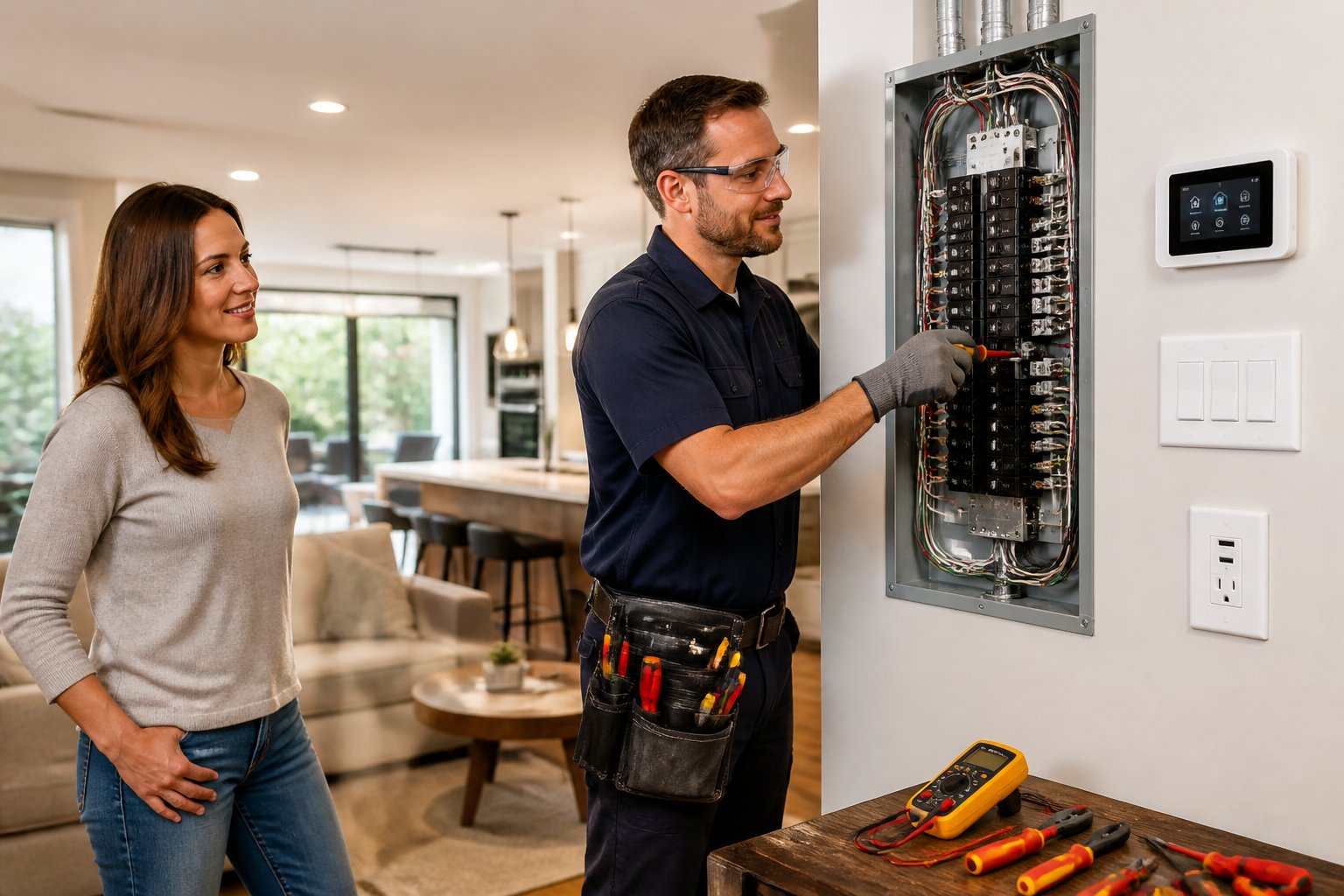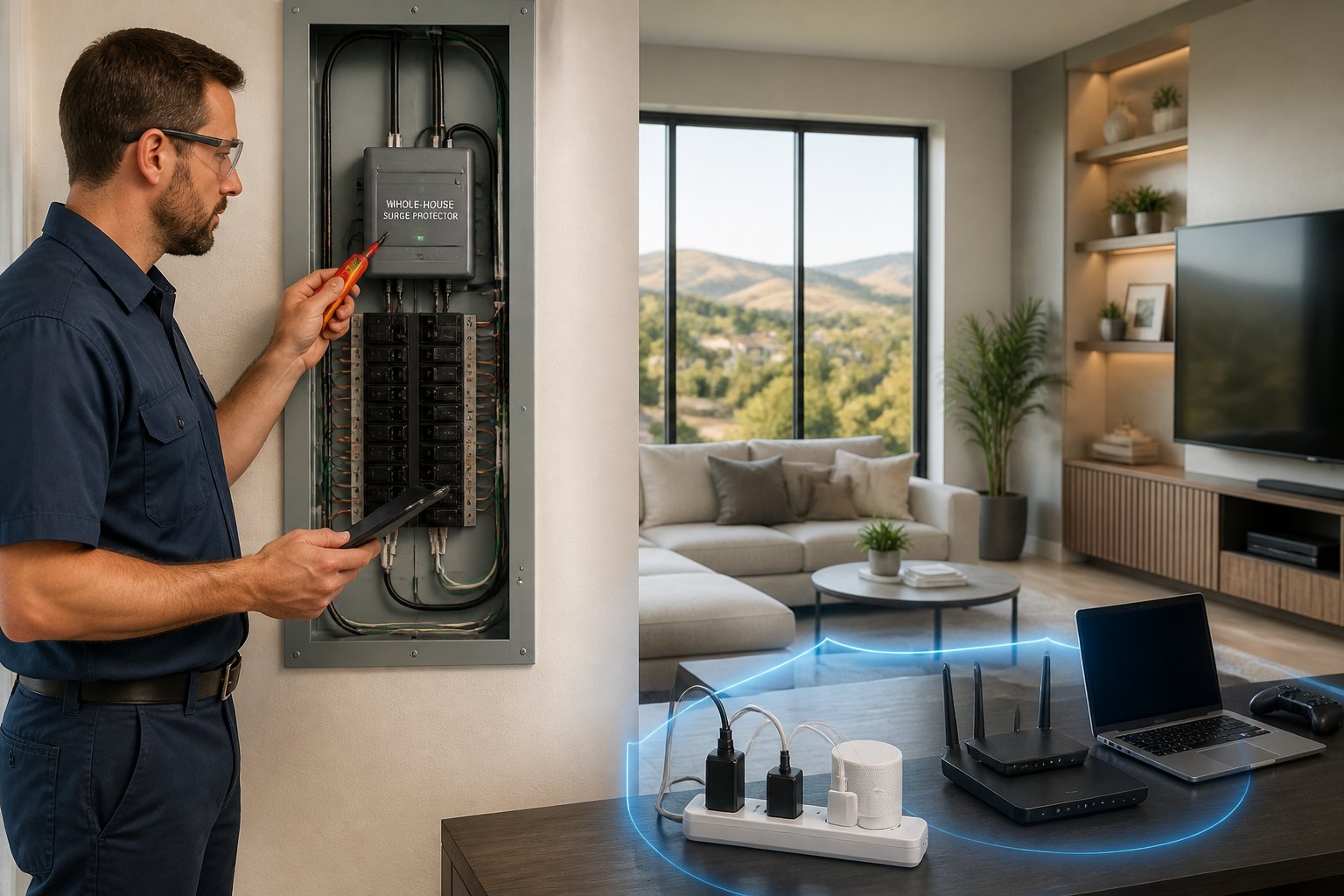
Thinking about adding new appliances? It's a smart move to check if your electrical system can handle the extra load. The first thing you want to do is look at your electrical panel’s capacity and the state of your wiring to make sure everything’s up to the task. Overloading can bring on frequent breaker trips, flickering lights, or, in the worst case, fire hazards—definitely not something you want to mess with.
You might not notice warning signs right away. A quick inspection or a pro’s opinion can give you some reassurance. AAA Electrical Services offers same-day service and can help you figure out if your panel or circuits need an upgrade before you install anything new. That way, you’re not left with surprises—just safe, smooth-running appliances.
In Sacramento, Roseville, Elk Grove, and nearby, lots of homeowners rely on our licensed, experienced technicians for panel upgrades and repairs. Our team’s been at this for over 40 years, offering honest advice and quick solutions, so you don’t have to stress about electrical safety when adding new stuff.
Understanding Your Home’s Electrical Capacity
You need to know how much power your home’s electrical system can handle before you add new appliances. Figure out your system’s total load, what your main panel supplies, and how your circuit breakers might limit you. It’s not just about convenience—this can help keep everyone safe.
What Is Electrical Load Capacity?
Electrical load capacity is basically how much electricity your home’s wiring and panel can safely carry at once—measured in amps. Most homes land somewhere between 100 and 200 amps. Each device or appliance draws a bit from that total.
If you start adding things like ovens or EV chargers without checking, you could end up tripping breakers or damaging wires. To play it safe, jot down your current appliances and their power needs, then see if your panel has room for more. Not sure? A licensed electrician (like the folks at AAA Electrical Services) can check your home’s load and tell you if you need an upgrade.
Main Panel Ratings Explained
Your main panel is really the nerve center of your electrical system. Its amp rating—100A, 150A, 200A, and so on—shows the most current it can provide. That number decides how much you can run at once.
If your panel’s old or just not up to the job, it might not support new devices. Frequent breaker trips or flickering lights are usually red flags. Upgrading your panel bumps up your capacity and safety, so you can add modern appliances without second thoughts. Always hire a trusted pro and make sure any work meets local codes.
Identifying Circuit Breaker Limits
Circuit breakers protect your wiring by cutting power if a circuit gets overloaded. Each one has an amp rating—15, 20, or 30 amps are the most common—matched to the wiring it protects. Go over that rating, and you’re flirting with overheating or worse.
Check your panel. Each breaker should match the appliances it serves. Small kitchen gadgets usually get 15-amp breakers, but things like dryers might need 30 amps. Planning to add outlets or appliances? Double-check if your existing breakers and wiring can take the load—or if you’ll need new circuits.
AAA Electrical Services shows up with stocked vans for same-day repairs or upgrades, so you’re not left waiting if you need help.
Assessing the Electrical Requirements of New Appliances
Before you bring home new appliances, make sure you know what each one needs from your electrical system. Read the energy labels, add up the wattage, and figure out which ones are heavy hitters. This step keeps you from overloading your system.
Reading Appliance Energy Labels
Energy labels tell you how much power an appliance uses—usually in watts (W) or amps (A). Look for “rated wattage” or “current draw” on the label or in the manual. That’s the average energy it’ll need while running.
If you see amps and not watts, here’s a quick conversion:
Watts = Amps × Voltage
Most U.S. homes use 120 volts for regular stuff, and 240 volts for big appliances like ovens or dryers.
Pay attention to starting watts too—some things, like fridges or ACs, need extra juice to get going.
Calculating Total Wattage Needs
Once you’ve got the wattage for each appliance, add them up to see what your new devices will need. That total helps you decide if your panel and breakers can handle it.
Say you’re adding:
- Microwave: 1200 watts
- Dishwasher: 1500 watts
- Space heater: 1500 watts
That’s 4200 watts total. Make sure your panel can take the extra demand.
Remember the continuous load rule: appliances running for over three hours should use only 80% of the circuit’s rating. It’s an easy way to avoid tripped breakers and hot wires.
If you’re unsure about your panel’s capacity, AAA Electrical Services can check it out and give advice.
Recognizing High-Demand Appliances
Some appliances just need more power—think ovens, electric dryers, HVAC systems, EV chargers. They often require their own circuits or a panel upgrade.
These devices draw higher amps and may run on 240 volts. If your system isn’t ready, you’ll probably notice flickering lights or tripped breakers.
When you add these, make sure your wiring and breakers meet code. It’s about safety and avoiding bigger headaches down the line.
AAA Electrical Services can help you plan for high-demand equipment, offering same-day service and solid advice in Sacramento and nearby.
Inspecting Your Existing Electrical System
To make sure your system can handle new appliances, check your panel for space, look over your wiring, and watch for overload signs. These steps help you dodge unsafe situations and surprise expenses.
Evaluating Available Circuit Space
Pop open your electrical panel and see if there’s room for new circuits. New appliances might need their own circuit so you don’t overload anything. Look for empty slots or spaces marked “available.”
A packed panel means you might need an upgrade. If breakers keep tripping, that’s your system waving a red flag. Licensed electricians, like those at AAA Electrical Services, can check your panel and lay out your options.
Kitchens and home offices usually need dedicated circuits since they use more power. Best not to pile new appliances onto old circuits if you want to keep things safe.
Checking for Outdated Wiring
If your home’s older, the wiring might not meet today’s standards. Stuff like aluminum wiring or ungrounded cables can be risky and may not handle new appliances.
Look for cracked insulation, exposed wires, or outlets that don’t work right. Flickering lights or tripped breakers can also point to wiring trouble.
If you spot anything off, call a pro electrician to check it out. They’ll inspect the wiring and let you know if you need updates or repairs.
Detecting Overloaded Circuits
Too many devices on one circuit? You’ll get tripped breakers, flickering lights, or even warm outlets.
Notice you keep losing power in certain rooms, or breakers trip a lot? Try unplugging a few things and see if it gets better. Don’t plug a bunch of high-power appliances into one outlet—spread them out.
If problems stick around, call a local electrician. AAA Electrical Services can handle these issues fast and safely, with same-day service and stocked vans.
Steps to Safely Test Electrical Support for New Appliances
Before adding new appliances, check your system’s capacity carefully. This means calculating your home’s load, testing circuits, and understanding your panel. Doing this helps you avoid overloads and keeps things safe.
Using a Load Calculator
A load calculator can show if your system can handle new appliances. List all the devices you want to add and their wattage or amps. Add that to what you already use.
Most homes are rated for 100 or 200 amps. Don’t go over that. Here’s a quick chart:
ItemPower (Watts)Amps (Watts ÷ Voltage) New Appliance 11,0008.33New Appliance 21,50012.5Total New Load2,50020.83
Divide watts by your household voltage (usually 120 or 240 volts) to get amps. If your total load is close to your panel’s limit, it’s time to consider an upgrade. Plenty of online tools and apps can help with the math if you’re not a numbers person.
Performing a Circuit Test
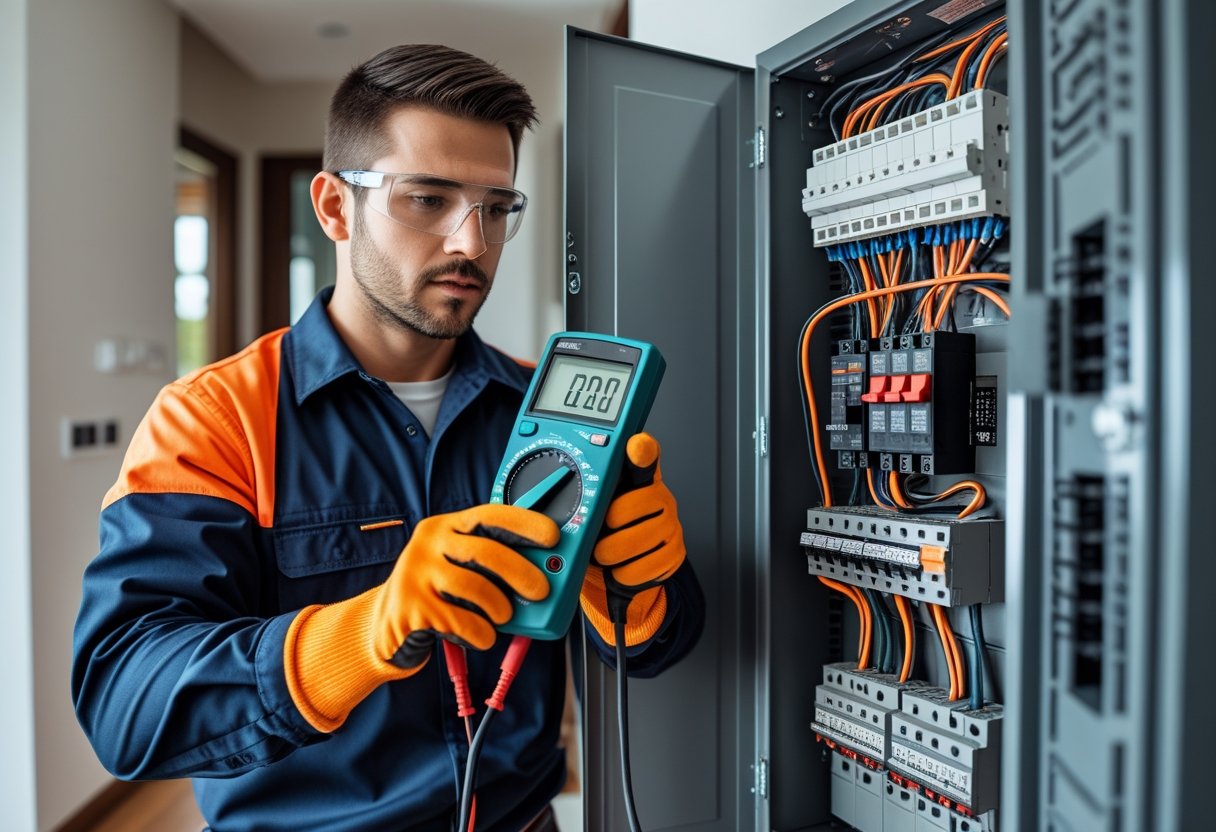
Testing your circuits helps you make sure they’ll support new appliances. Check the breakers and outlets where you’ll plug in your gear. Use a multimeter to check voltage and see if the circuit’s overloaded.
Watch for frequent trips, warm outlets, or flickering lights. Damaged wires or outlets are a no-go—don’t ignore them.
If you’d rather not do this yourself, an electrician from AAA Electrical Services can handle it quickly. Their team’s licensed and offers same-day service, so you’re not left hanging.
Consulting Your Electrical Panel Diagram
The panel diagram shows which circuits power different parts of your house. Take a look to see which ones cover your kitchen, laundry, or wherever you’re adding something.
Check each breaker’s size—bigger appliances need breakers that match. If there’s no diagram, sometimes there’s a basic map on the panel’s cover, or you can snap a few photos for reference.
Knowing your panel layout helps you avoid overloading a single circuit. If your panel seems outdated or cramped, you might need an upgrade. AAA Electrical Services can check things out and suggest what’s needed to keep your system safe and up to code.
Upgrading and Enhancing Your Electrical System
If you want your system to handle new appliances, you might need to upgrade your panel, add circuits, and work with a licensed electrician. It’s about safety and making sure your appliances get the power they need.
When to Upgrade Your Panel
Consider upgrading your panel if breakers trip a lot, lights flicker, or the system can’t keep up with new stuff. Older panels often can’t handle today’s power needs, which can lead to overloads or even fire risks.
A new panel gives your home enough juice for new appliances and can improve energy efficiency by cutting down on wasted energy. If your place is over 20 years old or you’re planning a big remodel, definitely get your panel checked.
AAA Electrical Services offers same-day panel upgrades with flat-rate pricing—so you know the cost up front and the work gets done fast.
Adding Dedicated Circuits
When you bring in a big appliance or new gadgets, dedicated circuits let those items get their own direct power. That way, you’re less likely to overload your system, and everything else keeps working without hiccups.
Appliances like ovens, dryers, or EV chargers almost always need their own circuits. By spreading out the load, you’re boosting both safety and performance. Plus, it gets your house ready for whatever you might add down the road—without putting old wiring under strain.
A licensed electrician checks out what your house needs and puts in new circuits that follow safety codes. That keeps your family and electronics safer.
Hiring a Licensed Electrician
Let’s be honest—electrical work isn’t the place to cut corners. You need a licensed electrician for any upgrades or new installs. They’ve got the training, the tools, and the know-how to keep things safe and legal.
Someone from AAA Electrical Services usually shows up ready to go, tools in hand, often fixing things that same day. They’re tidy, too—nobody wants a mess left behind—and they’ll actually explain what’s happening so you’re not left guessing. That’s a relief, right?
Always stick with a licensed professional. It just makes sense if you want your upgrades to last and your home to stay safe.
Frequently Asked Questions
Wondering if your electrical system can handle new appliances? Start by checking your panel size and the state of your wiring. If you’re seeing breaker trips or flickering lights, your system might be struggling. Testing your equipment and paying attention to efficiency can help you avoid safety risks and maybe even save a few bucks.
What steps should I take to determine if my electrical panel needs upgrading?
First, check your panel’s amperage. If it’s under 100 amps, it probably can’t handle bigger, modern appliances. Also, look out for rust, moisture, or any burning smells around the panel.
If breakers trip a lot or you spot those warning signs, it’s time to consider an upgrade. Get a licensed electrician to take a look—they’ll let you know if your panel is up to the job or not.
Can you guide me on how to assess my home's electrical system capacity for new appliances?
Add up the wattage of everything you’re running now, plus whatever you want to add. Your panel’s amp rating—usually printed on the main breaker—needs to cover that total.
Not sure? An electrician can crunch the numbers and check if your system can handle it, so you won’t overload anything.
What signs indicate that my electrical equipment might not be safe?
If breakers trip a lot, you smell something burning near outlets, or lights flicker and dim, pay attention. Warm outlets or switches are another red flag.
If you spot any of these, shut off the affected circuits and call a professional right away. Seriously, don’t wait—these issues can mean fire or shock risks.
Is there a way to check if my electrical wiring is adequate for additional electrical loads?
Absolutely. Old or damaged wiring can’t always keep up. Look for cracked or discolored insulation, frayed wires, or weird buzzing from outlets.
But here’s the thing: only a qualified electrician should dig into this with the right tools. They’ll let you know if you need rewiring or other fixes to keep things safe.
How can I test the efficiency of my current electric water heater?
Check the energy rating label on your heater first. Older ones usually waste more power. You can also look at your electric bills before and after running it for clues about efficiency.
If you’ve got a smart meter or energy monitor, use that for real-time data. And if you’re unsure, an electrician can test your heater and offer tips to help it run better.
What are the benefits of switching to the most efficient electric tank water heater?
Efficient heaters use less electricity, so you’ll probably notice lower monthly bills. They tend to last longer, too, and help cut down your home’s energy use overall.
Switching can also make your home safer—newer models usually come packed with improved safety features. It’s a solid move for comfort and saving money, honestly.
If you’re in Sacramento or nearby, AAA Electrical Services can check your electrical system fast. Their licensed pros offer flat-rate pricing, same-day service, and really focus on keeping your family safe.