Outdoor lighting brings both charm and safety to your home, but when the power gets spotty, it’s more than just annoying—it can be risky. Usually, the main culprits are loose wiring, faulty outlets, or circuit issues that mess with the electricity feeding your outdoor lights. Pinpointing the problem helps you fix it fast and keeps your outdoor space bright and secure.
If you’re seeing flickering or your outdoor lights cut out while everything inside works fine, the trouble likely lurks in a particular wire or outlet. Weather can do a number on outdoor setups—moisture and storm damage are common triggers. Knowing these typical causes can save you a headache and help you figure out if it’s time to call a licensed electrician.
AAA Electrical Services puts safety first, with certified pros who care about your peace of mind. If you’re in Sacramento or nearby, we offer same-day service and show up ready to handle repairs on the spot, so your home stays safe and your lights stay on.
Recognizing Signs of Inconsistent Power
You’ll probably notice your outdoor lights acting up when there’s a power issue. Flickering lights, dimming bulbs, or lights turning on and off by themselves are classic warning signs. Catching these early can help you dodge bigger electrical headaches.
Symptoms of Power Fluctuations
Power fluctuations make outdoor lights act weird. Maybe they flicker, dim out of nowhere, or blink off and back on. Sometimes, they’ll just quit for a bit and then randomly come back.
These quirks often trace back to loose wiring, bad switches, or a cranky circuit breaker. Outside, moisture and corrosion can make things even worse. If you spot these signs, have a pro check your wiring before things escalate.
Intermittent Lighting Performance
Intermittent power means your outdoor light might be fine one minute, then dead the next. Damaged wires or weak connections are usually to blame. Maybe certain lights only work when it’s dry, or you have to jiggle the switch—never a good sign.
Sometimes, the fixture itself is failing or the breaker’s on its last legs. These problems can be tough to tackle solo. AAA Electrical Services can swing by the same day, tools and parts in hand, to get things sorted so your yard isn’t left in the dark.
Dimming and Flickering Effects
Dimming and flickering are pretty common. Dimming often shows up when your outdoor lights share a circuit with big appliances—voltage drops, and the lights fade or surge for no clear reason.
Flickering might mean loose wires, a bum fixture, or something off at the panel. Ignore it, and you could risk a fire. It’s smarter to call in a licensed electrician for a check-up. Keeping outdoor lighting steady isn’t just about looks—it’s about keeping your home and family safe.
Assessing Outdoor Fixture Connections
When outdoor lights flicker or don’t come on reliably, the connections are usually the first place to look. Checking wiring condition, measuring voltage, and hunting for loose or corroded parts can zero in on the culprit and let you fix it before things get worse.
Inspecting Wiring Integrity
Take a close look at the wires running to your outdoor fixture. Cracked or brittle insulation? That’s trouble—short circuits or power drops could follow. Wires exposed to water or dirt are a recipe for failure.
Shine a flashlight into junction boxes or fixture mounts. If you spot frayed or loose wires, you’ll need to repair or replace them. Damaged wires are a top cause of spotty power or sudden outages. Always flip off the breaker before poking around.
Testing Power Supply Voltage
Now, check if the fixture is getting the right voltage. Grab a voltmeter or multimeter, set it to AC, and touch the probes to the fixture’s terminals. You want a steady reading close to your house’s voltage (usually 120 volts).
If the voltage bounces around or vanishes, the issue might be up the line—maybe a bad breaker or voltage drop in the wires. No voltage at all? That points to a blown breaker or wiring fault. AAA Electrical Services can test and troubleshoot all this quickly if you’re in Sacramento.
Checking for Loose or Corroded Connections
Loose or corroded connections love to cause flickering and power loss. Check every wire nut, screw, and terminal for tightness. Outdoor setups face corrosion from the weather, which blocks electricity.
Gently brush away corrosion or swap out the parts if needed. Tighten any loose screws or connectors—just don’t overtighten and break something. Even a barely loose wire can mess things up. Use waterproof tape or silicone to seal connections and keep the weather out.
Evaluating Power Sources and Circuit Components
Inconsistent outdoor power often starts at the breaker panel or with related parts. Overloaded circuits and worn-out switches can make lights flicker or cut out. Knowing how these work helps you spot issues and keep your lighting reliable.
Breaker Panel and GFCI Outlet Issues
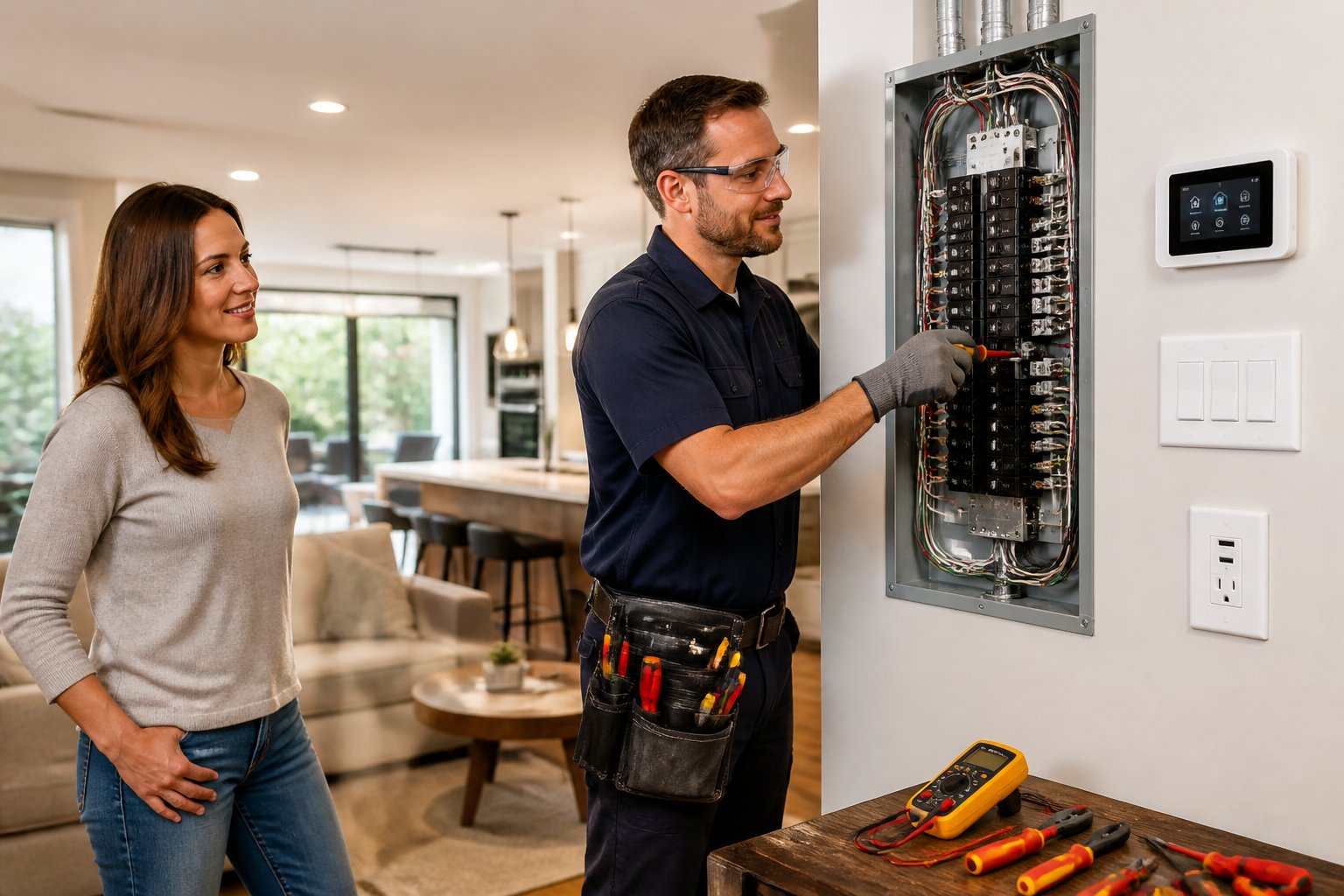
The breaker panel manages power to your outdoor fixtures. A breaker that’s worn out or trips a lot can cause flickering or outages. Feel for warmth or see if it refuses to reset—either way, it’s probably time for a fix.
GFCI outlets are essential outside. They cut power if there’s a fault, keeping you safe from shocks. If a GFCI keeps tripping or won’t reset, the fixture it’s connected to will lose power. Test them regularly to avoid unpleasant surprises.
Effects of Overloaded Circuits
Outdoor lights often share circuits with things like garden tools. Too many devices on the same circuit can overload it, leading to flickering or power cuts—especially if you’ve added new gadgets without checking the load.
Try turning off some devices and see if the lights steady out. If they do, you’re probably overloading the circuit. Upgrading your panel or adding new circuits can help. AAA Electrical Services does panel upgrades with flat-rate prices, making it easy to boost your home’s capacity.
Identifying Faulty Switches
Worn-out switches are a classic reason for flickering or non-working outdoor lights. Over time, they break down or get loose wires, cutting off the electricity. If a switch clicks but doesn’t work, it might be broken inside.
Try swapping in a new switch or double-check the wiring. If things improve, you’ve found your culprit. Outdoor switches need to be rated for wet conditions. AAA Electrical Services can make sure your switches are safe, weather-ready, and properly installed.
Addressing Environmental and Installation Factors
Outdoor fixture issues aren’t always electrical—sometimes, it’s the environment or how the lights were set up. Water, fixture placement, and even critters can all mess with your power. Spotting these factors can save you time and keep your lighting dependable.
Water and Weather Impact
Water is a huge troublemaker outside. Rain, snow, and humidity sneak into fixtures or wiring, causing shorts and corrosion. Check that all outdoor fixtures have good weather seals and covers. Replace cracked or missing gaskets as soon as you see them.
Moisture inside a fixture can ruin insulation and make connections unreliable. Make sure outdoor outlets near your lights use GFCIs for extra protection when things get damp.
If you notice water pooling near fixtures or wiring, tweak your landscaping or drainage. Keeping water away from your electrical parts helps prevent flickering and outages.
Improper Fixture Placement
Where you put your lights matters more than you’d think. Fixtures too close to sprinklers or low to the ground get blasted by water and dirt, leading to wiring issues and shorts.
Sun can be a problem too. Over time, UV rays crack plastics and wear out seals, letting moisture sneak in. Try to place fixtures in shaded spots or use sun-resistant materials if you can.
Also, steer clear of high-traffic areas or places where lawn tools might hit the lights. Physical stress on wires or the fixture itself can cause headaches. If you’re unsure, AAA Electrical Services can do a safety check and fix things up the same day.
Rodents and Physical Damage
Animals like to chew on outdoor wiring—sometimes just for fun, sometimes for nesting. This can break circuits or leave live wires exposed. Look for bite marks, chewed insulation, or nests near your lights.
Yard work, storms, or even kids can also damage fixtures and cables. Check for dents, breaks, or loose wires. Sometimes, wires shift and cause power to cut in and out.
If you find damage, it’s best not to DIY unless you really know what you’re doing—hidden problems inside wiring can be dangerous. AAA Electrical Services’ techs show up with all the parts they need, so repairs are quick and safe.
Troubleshooting and Preventive Maintenance
Staying on top of maintenance and checking your fixtures regularly can prevent most outdoor power problems. And if you hit a wall, knowing when to call a pro keeps everything safe and running.
Using Multimeters and Testers
A multimeter is your friend for checking if outdoor fixtures get the right voltage. Set it to AC, and carefully test between hot and neutral wires.
You want steady readings close to 120 volts. Big drops or weird numbers mean you’ve got wiring issues or a weak connection.
A non-contact voltage tester is handy too—it checks if wires are live without touching bare metal. Always follow safety tips: turn off power when you can, and wear gloves or goggles.
Setting Up Regular Inspection Schedules
Make a checklist and inspect outdoor fixtures twice a year, especially before winter and summer. Look for loose wires, bad bulbs, and corrosion. Outside, rust and water damage are common, so check carefully.
Clean fixtures gently to keep dirt from blocking light or causing overheating. Tighten screws and swap out any cracked covers.
Test GFCI outlets regularly to make sure they work. Routine checks can catch problems before they get serious.
When to Call a Licensed Electrician
If you notice flickering, sparks, or a burning smell, call a licensed electrician right away. These are signs of serious issues that need expert hands.
If breakers keep tripping or you can’t fix the problem with basic checks, it’s time for help. AAA Electrical Services sends out fully stocked vans for quick, same-day repairs.
Trust licensed pros who put your safety first. They’ll find and fix the problem safely, saving you time and worry.
Frequently Asked Questions
Inconsistent power in outdoor fixtures usually comes from loose wires, bad connections, or transformer problems. It’s smart to check everything from bulbs to wiring, and a multimeter can help you track down the issue.
What are the steps for troubleshooting an outdoor light that's not functioning even after changing the bulb?
First, check if the fixture’s getting power—see if the circuit breaker tripped or a fuse blew. Inspect for loose or damaged wires.
If that all looks fine, test the switch and socket. Sometimes, the fixture itself is shot and needs replacing.
How can I test my landscape lights with a multimeter to find inconsistencies?
Set your multimeter to voltage. Test at the transformer output and at each fixture.
Watch for voltage drops that might make lights dim or flicker. You can also check wiring continuity to spot breaks or shorts.
Always turn off the power before checking continuity—safety first.
Why might some of my landscape lights not work despite having power?
Even if the transformer’s fine, loose connections or beat-up cables can keep power from reaching some lights. Corrosion or water sneaking into connection points is super common outdoors and can totally block the flow. Sometimes the bulbs just aren’t seated right, or the sockets get dirty—worth a quick look.
What techniques can I use to find a short in my outdoor lighting system?
Start by looking things over—damaged wires, weird scorch marks, anything out of place. Grab a multimeter and check for continuity between wires; if there’s a short, you’ll see really low resistance. It usually helps to break the system into smaller sections so you can find the problem spot faster.
What could be causing my low voltage outdoor lights to flicker intermittently?
Flickering usually comes from loose wiring or maybe a transformer that’s on its last legs. Long wire runs or overloaded circuits can make voltage drop, and that’ll cause flicker too. Sometimes water sneaks into connectors or a cable gets nicked, messing with the flow.
How do I determine if low voltage is the issue with my outdoor light fixture?
Grab a multimeter and check the voltage right at the fixture while it’s switched on.
If you see a reading below what’s recommended, that’s a red flag—your light might flicker or just stay off.
Low voltage can crop up for a few reasons: maybe the transformer’s acting up, you’ve packed too many fixtures onto one line, or there’s a wiring hiccup somewhere.
If you’re around Sacramento and just want someone to handle it, AAA Electrical Services sends certified pros (same day, flat rate) who actually care about your family’s safety. Their vans are loaded with what they need, so you’re not left waiting for parts or power.