Your electrical system should stay quiet, steady, and invisible. But when something starts acting up, the early clues usually show up in small ways—lights that flicker, outlets that feel warm, or maybe a faint burning smell near a switch. Spotting those signs early can save you a lot of hassle, not to mention money and stress.
Trying to figure out how to catch loose wiring before things get out of hand? The trick is to notice patterns before the problem spreads. Loose wires cause heat, arcing, voltage drops, and random power issues well before a breaker trips or something stops working. If you see repeated electrical oddities, don’t brush them off—call a licensed electrician before things spiral.
Homeowners in Sacramento, Roseville, Elk Grove, Folsom, and nearby spots often miss these early signs because everything seems to work most of the time. That’s the sneaky part—loose wiring can hide in plain sight until it turns into a real hazard. A bit of know-how and regular attention can help you spot trouble sooner and keep your home safer.
Key Takeaways
- Small electrical quirks might mean something serious is brewing.
- Heat, arcing, and discoloration are big red flags.
- A licensed electrician can fix minor issues before they become disasters.
Early Warning Signs You Should Never Ignore
Loose wiring usually gives you hints before it completely fails. Flickering lights, weird smells, buzzing, and damaged outlets are all clues—especially if the same area keeps acting up.
Flickering And Dimming Lights
Flickering or dimming lights often mean the circuit’s struggling to keep up. If it happens when you turn on appliances, loose connections, overloaded circuits, or voltage swings could be to blame—not just a bad bulb.
If the same lights keep acting up, see if the problem spreads to other rooms. Repeated flickering is a classic sign of intermittent power and deserves a look during an electrical inspection.
Burning Smells, Buzzing, And Intermittent Power
A burning smell near a switch, outlet, or panel? That’s serious. It means insulation might be overheating, and that can happen before you see any visible damage.
Buzzing, crackling, or popping sounds point to electrical arcing inside a connection. If you notice intermittent power, repeated breaker trips, or devices that work and fail randomly, you might have loose or damaged wiring.
Hot, Discolored, Or Sparking Outlets
Hot outlets, discolored outlets, and scorch marks are major warning signs. These usually appear when loose electrical connections generate too much heat.
Sparking outlets or getting shocked by switches, plugs, or appliances? That’s urgent. If you see sparks or feel a shock, stop using that circuit and call a pro right away.
Why Loose Connections Become Dangerous Fast
Loose connections get worse quickly. As resistance builds, heat increases, and that heat can wreck insulation, nearby parts, and the wiring itself.
How Resistance Creates Heat
When electricity tries to cross a loose connection, it has to work harder. That extra resistance generates heat, which can break down nearby materials and weaken the connection even more.
Eventually, the heat can damage outlet boxes, switch terminals, or wire insulation. That’s how a loose wire goes from being a small annoyance to a real safety problem in no time.
When Arcing Leads To A Short Circuit
A loose wire can shift enough to cause electrical arcing—a tiny spark jumping a gap. Arcing brings intense heat and can char nearby stuff before a breaker even reacts.
If insulation fails, a loose connection can turn into a short circuit. That can cause electrical fires, blown fuses, or bigger problems inside your walls or panel.
Ways Small Problems Turn Into Equipment Damage
Loose connections don’t just risk fires—they can wreck your devices, too. Sensitive electronics, appliances, and chargers might get power interruptions or voltage swings that shorten their lives.
A minor wiring problem can spread, damaging outlets, breakers, and more. Quick repairs help protect your stuff and keep your home running smoothly.
Where Loose Wiring Problems Usually Show Up
Loose wiring tends to start where things get touched, loaded, or moved a lot. Outlets, switches, light fixtures, and service panels are common trouble spots since they see regular use and heat.
Outlets, Switches, And Light Fixtures
Wall outlets and switches are the first places to check. Their terminals can loosen over time. Light fixtures can show issues when a bad connection causes flickering or a dead fixture that works only sometimes.
If a lamp only works when you jiggle the cord, the outlet or fixture connection might be failing. If the same spot keeps having issues, it’s worth getting a pro to check it out.
Junction Boxes, Loose Terminals, And Connectors
Junction boxes hide splices, connectors, and terminals that can loosen from age, vibration, or old repairs. These are common sources of hidden trouble because the wiring is out of sight.
A loose terminal or connector might not show damage right away, but it can still create heat and arcing inside the box. That’s often missed until the problem gets worse.
Panels, Breakers, And High-Demand Circuits
Electrical panels and breakers can reveal loose wiring, especially on overloaded circuits. If a breaker trips a lot, that circuit might be carrying more than it should.
High-use areas—kitchens, laundry rooms, EV charger circuits, HVAC—deserve extra attention. Problems there can cause blown fuses, GFCI trips, or repeated shutdowns that signal deeper wiring issues.
Common Causes In Older And Modern Homes
Loose wiring can show up in any home. Older systems deal with wear and outdated materials, but even newer homes can have poor terminations, bad repairs, or overloaded circuits.
Outdated Wiring And Aluminum Wiring Risks
Old wiring may not handle modern demands. In some older homes, aluminum wiring adds risk because connections can loosen or expand at different rates than the devices they’re attached to.
You’ll see these problems in Sacramento-area homes that have had remodels or additions. A licensed electrician can tell you if you need repairs, upgrades, or a full electrical inspection.
Wear, Vibration, Moisture, And Corrosion
Daily use can loosen connections at outlets, switches, and fixtures. Vibration from appliances, ceiling fans, garage doors, or even foot traffic can gradually shake things loose.
Moisture and corrosion make things worse by damaging contacts and cutting conductivity. That’s why garages, kitchens, laundry rooms, crawl spaces, and outdoor circuits need extra attention.
Improper Repairs And Wrong Wire Gauge
Repairs that look fine at first can still fail if not done right. Loose splices, weak terminations, and mismatched parts all cause future headaches.
Using the wrong wire gauge is another big cause of overheating and instability. If a circuit was changed without matching the load, it might seem okay at first but become unsafe with regular use.
Safe Checks Homeowners Can Do
You can find helpful clues without opening anything up. The safest checks focus on what you can see, odd behavior, and whether the problem keeps popping up in the same place.
What To Look For Without Opening Electrical Components
Start simple. Look for flickering lights, loose plugs, warm wall plates, crackling sounds, and outlets or switches that wiggle when touched.
Check for discoloration, scorch marks, or cords that feel warmer than they should. If one room or circuit seems different from the rest, that pattern can help narrow things down.
How To Use A Voltage Tester Carefully
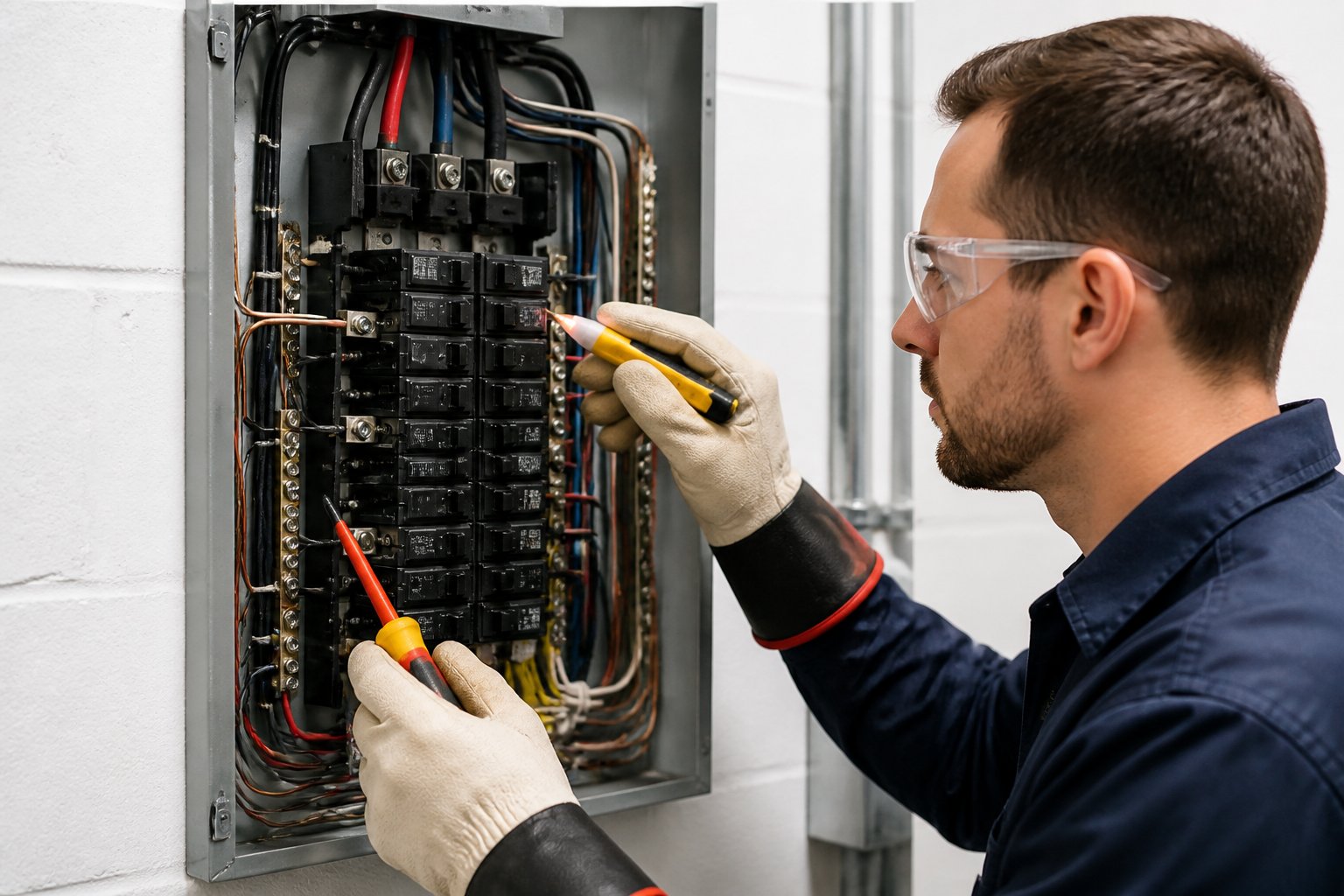
A voltage tester helps you check if a receptacle or wire is live, but use it carefully. Keep your hands dry, follow the instructions, and treat every reading as a safety check—not a repair.
If the tester gives mixed results, stop and rethink. Confusing readings can mean a hidden wiring issue that needs a pro and a real inspection.
Signs It Is Time To Stop And Call For Help
Stop checking if you see sparks, get shocked more than once, smell burning, or have a breaker that won’t stay on. Those are signs it’s beyond a simple look.
If the same outlet, switch, or light keeps failing, it’s time to call an electrician. They’ll find the cause safely and make sure the fix lasts.
When To Call An Electrician And What The Fix May Involve
Some electrical problems need same-day help, especially when safety’s on the line. A licensed electrician can find the problem, fix loose connections, and suggest upgrades to keep your system solid.
Situations That Need Same-Day Professional Attention
Call right away if you see smoke, smell burning, feel a shock, or hear buzzing from a wall, outlet, or panel. Same goes for hot outlets, scorch marks, or breakers that keep tripping.
If you’re in Sacramento, Roseville, Rocklin, Elk Grove, or nearby, same-day service can stop a small issue from turning into a big repair. AAA Electrical Services keeps their trucks stocked, so they can handle most problems fast once they find the cause.
How Pros Fix Loose Electrical Connections
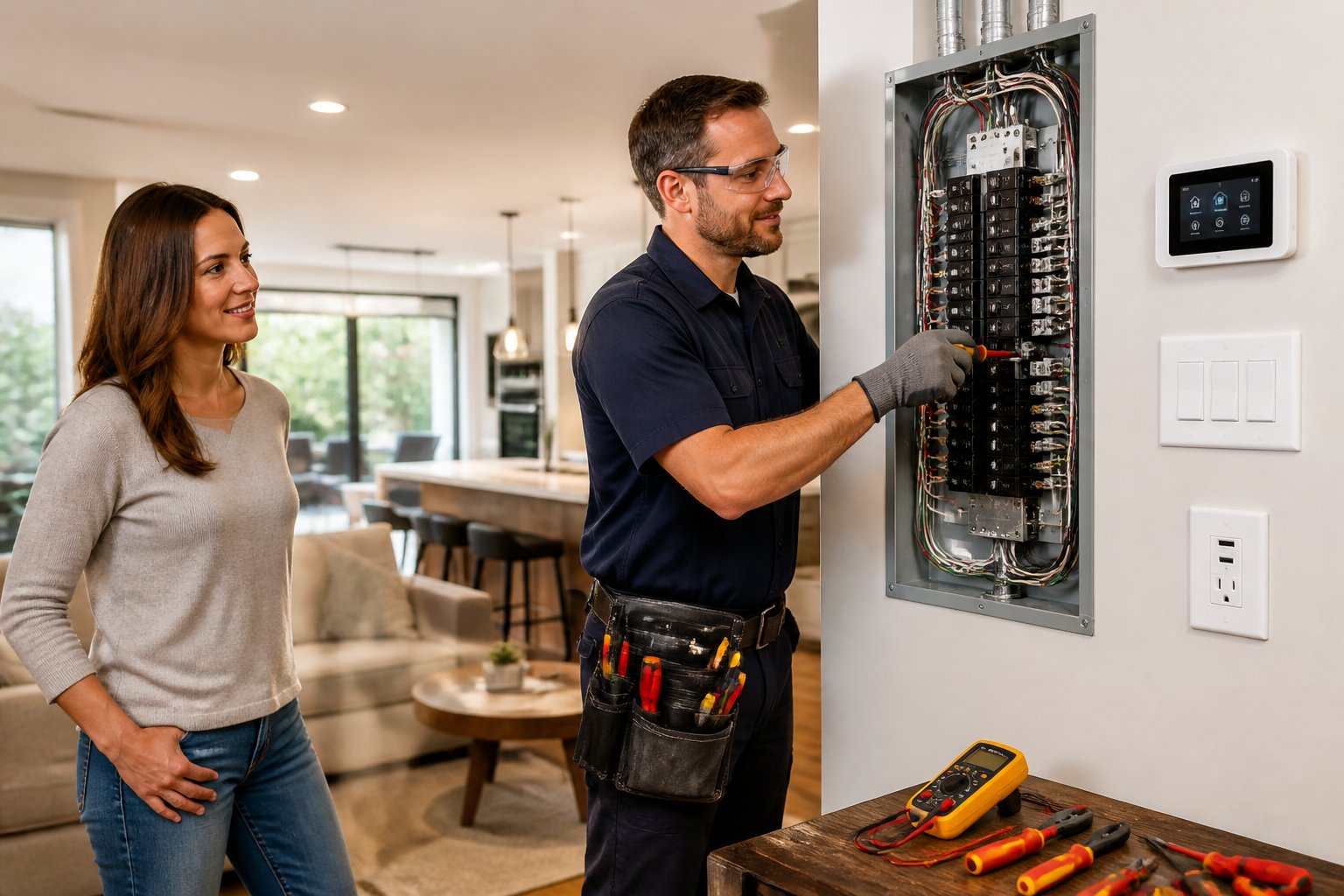
An electrician will check the trouble spot, tighten or replace bad connections, and look for heat damage nearby. They might swap out outlets, switches, connectors, or wiring if needed.
Good pros explain what went wrong and why. That way, you can make smart choices and avoid overloading circuits after the fix.
When A Panel Upgrade Or Wiring Upgrade Makes Sense
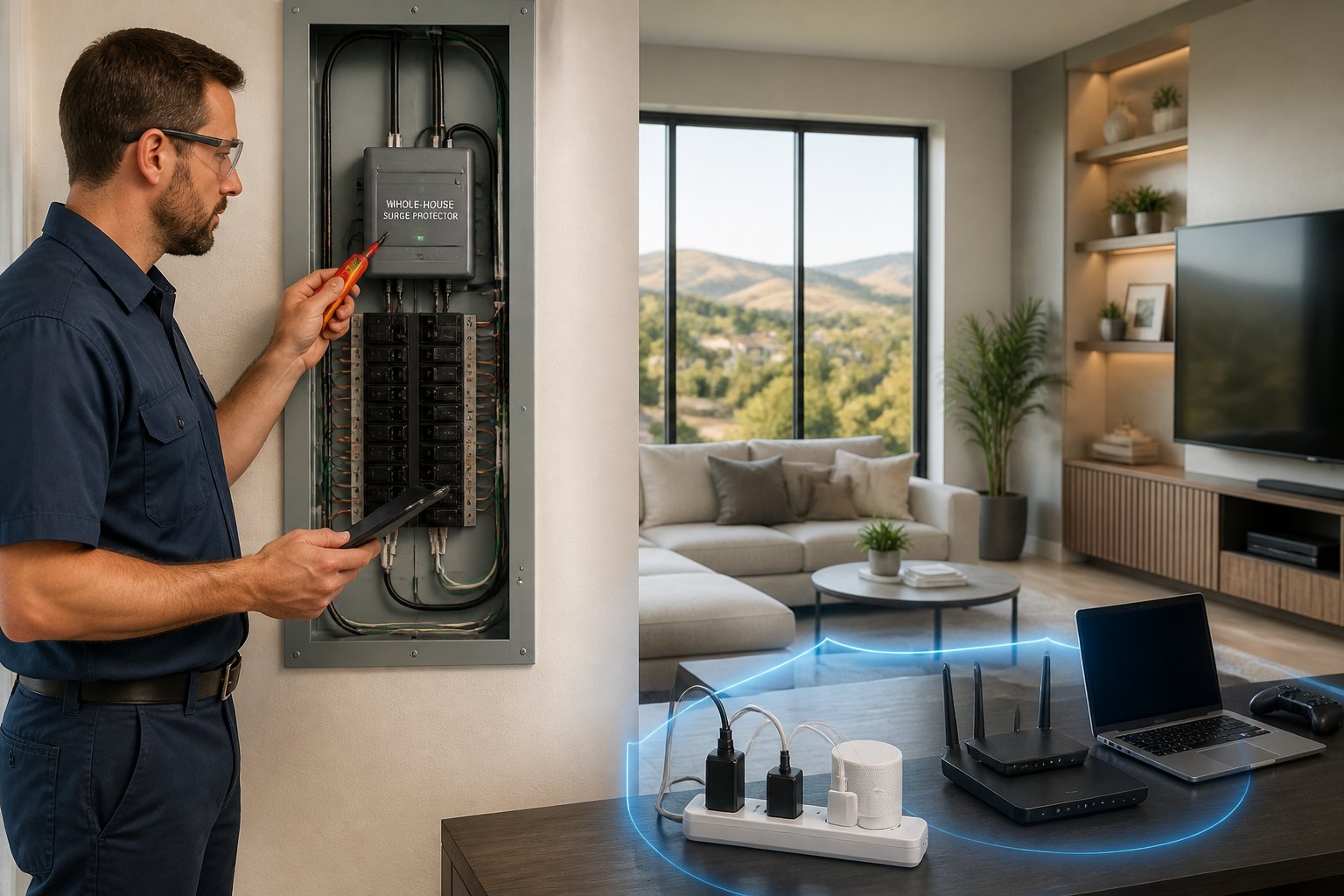
A panel or wiring upgrade makes sense if your home is older, you’re adding appliances, or breakers keep tripping. These upgrades support things like EV chargers, generators, or other modern needs.
If your system is too small or outdated, upgrading wiring can boost safety and reliability. A licensed electrician will recommend what’s needed—without pushing extra work.
Frequently Asked Questions
What are the early warning signs that a wire connection is getting loose?
You might notice flickering lights, power that cuts in and out, buzzing sounds, or outlets that feel warm. Discoloration, scorch marks, or devices that work only when you jiggle the cord are also signs.
How can I safely check whether a wire is live using a multimeter?
Use a multimeter only if you know how and set it to the right range. Switch to AC voltage, keep your hands away from bare wires, and use the probes correctly. If the reading looks off or jumps around, stop and call an electrician.
How do I test hot and neutral wires to confirm they’re connected correctly?
Test for voltage between hot and neutral, then compare that with hot to ground and neutral to ground. The numbers should make sense and stay steady. If they don’t, you might have a loose connection or another problem that needs attention.
How can I tell if I accidentally hit a hidden wire with a screw or nail?
You’ll usually see a tripped breaker, sparks, a burning smell, or a dead circuit right after the hit. If you think you hit wiring, shut off power to that spot and don’t use the circuit until someone checks it out.
What’s a reliable way to find a break in a wire that isn’t shorted or grounded?
With the power off, use a continuity test to look for an open break. A pro might trace the circuit, test each section, and check junctions, outlets, and fixtures until they find the break.
How can I identify the neutral wire if I don’t have a multimeter?
Usually, the neutral wire shows up as white or maybe light gray, but honestly, relying on color alone isn’t a safe bet. Sometimes, people change wire colors during repairs, so you can’t just trust what you see. If you’re not sure and you don’t have a multimeter, it’s really best to call a licensed electrician. They’ll figure it out for you and check the circuit before anyone touches anything.