If you’re looking to improve electrical efficiency without giving up comfort, start with the parts of your home that draw the most power. In Sacramento-area homes, that’s usually heating, cooling, water heating, lighting, and all those plug-in devices that quietly sip electricity day and night. Tweak those areas first, and you’ll likely see lower utility bills and a cozier home.
Here’s the thing: energy efficiency doesn’t have to feel like a sacrifice. With better thermostat habits, tighter air sealing, smarter appliances, and a few simple changes, you can save energy at home in practical, painless ways. Focus on the biggest energy users, then make upgrades that cut waste without messing with your comfort.
Key Takeaways
- Tackle your home’s biggest energy hogs first.
- Seal leaks before you think about bigger equipment.
- Small habit tweaks can save money and keep things comfy.
Start With The Biggest Energy Users
You’ll get the fastest results by starting with systems that run the most. An energy audit can show you what’s really driving your bills, so you can target the stuff that matters.
For most homes, smart energy choices start with heating, cooling, and water heating, and then move down the list to appliances and lighting.
How Heating, Cooling, And Water Heating Drive Most Bills
Heating and cooling usually eat up the largest chunk of electricity, especially during Sacramento’s blazing summers or those cold winter nights. Water heating is right up there too—a heat pump water heater can knock that down while still giving you all the hot water you need.
If your bills seem high, these systems deserve a closer look before you go chasing smaller fixes.
What Uses The Most Electricity In A Typical Home
Every home’s a little different, but HVAC, water heating, fridges, laundry machines, and older lighting are often the main culprits. If you’ve got aging appliances that run forever, swapping them for efficient ones can really help.
Just reviewing your biggest electrical loads can help you spot easy wins.
Why Comfort Problems Often Signal Efficiency Problems
Hot or cold spots, endless HVAC cycles, and rising humidity usually mean something’s off. Maybe it’s leaky ducts, weak insulation, or equipment that just doesn’t fit your home anymore.
When comfort drops, your system works overtime—and that means higher bills.
Dial In Heating And Cooling Without Losing Comfort
A few tweaks to your thermostat and airflow can boost comfort and efficiency together. Instead of fighting your home’s schedule, work with it.
Smart controls, using fans, and basic air sealing can make a real difference—often before you even think about replacing equipment.
Set Better Thermostat Settings For Day, Night, And Away Hours
A smart or programmable thermostat lets you set and forget. Adjust temps up or down a bit when you’re asleep or not home, and aim for stability instead of constantly fiddling.
If your utility has time-of-use pricing, try shifting some heating or cooling to off-peak hours to save a bit more.
When A Smart Thermostat Or Programmable Thermostat Makes Sense
Smart thermostats are great if your schedule’s all over the place or you want remote control through a smart home setup. Brands like ecobee let you fine-tune comfort and cut down wasted run time.
If your routine is predictable, a programmable thermostat might be all you need.
Use Ceiling Fans To Raise Comfort Without Overworking HVAC
Ceiling fans move air across your skin, making a room feel cooler so you can bump the thermostat up a few degrees in summer.
Just don’t forget to turn fans off when you leave—fans cool people, not rooms.
Seal Duct Losses And Air Leaks Before Changing Equipment
Duct and air sealing can really boost comfort by keeping conditioned air where it belongs. If air escapes before it reaches your rooms, your HVAC just keeps chugging away.
Seal things up and your current system will work better—you might even get more out of future upgrades.
Stop Conditioned Air From Escaping
Your home’s envelope does a lot to keep comfy air inside. Drafts, thin insulation, and leaky spots let heat or cool air slip out, making rooms feel uneven and raising your electricity use.
Start with the most obvious leaks, then think about insulation upgrades that protect the whole house.
Fix Drafts Around Doors, Windows, And Attic Openings
Weatherstripping and a snug storm door can cut drafts in the usual trouble spots. Don’t forget attic hatches, recessed lights, and gaps around old windows and doors.
These fixes are usually cheap and can make a room feel more stable right away.
Choose Insulation And Building Envelope Upgrades That Matter Most
Insulation works best when you target attics, exterior walls, or other weak points. Spray foam can help in tricky areas, while classic insulation might be enough elsewhere.
A solar attic fan can help with heat buildup, but it’s better as part of a bigger attic plan than a solo fix.
Use Window Treatments To Reduce Heat Gain And Heat Loss
Thermal curtains, cellular shades, and window film can all help keep heat out in summer and in during winter. These are especially handy for sunny rooms in places like Folsom, El Dorado Hills, or Natomas, where windows can really mess with comfort.
Even basic curtains can take some pressure off your HVAC without making rooms feel dark or closed off.
Cut Lighting And Plug Load Waste Fast
Lighting and electronics are easy places to find quick savings. Simple upgrades and a few new habits can cut electricity use without changing your daily routine.
Zero in on rooms and devices that stay on the longest—you’ll see the fastest payback there.
Switch To LED Lighting In High-Use Areas First
Switch to LED lighting in your busiest rooms—kitchens, family rooms, hallways, outdoor lights. LEDs use way less electricity and last a lot longer than old bulbs.
If you’ve got a lot of fixtures, swap them out in stages so it doesn't feel overwhelming.
Use Motion Sensors, Task Lighting, And Smarter Lighting Habits
Motion sensors keep closets, garages, and entries from staying lit for no reason. Task lighting lets you light just what you need, which can actually feel cozier than blasting a whole room.
And yeah, it’s basic, but turning off lights in empty rooms still works.
Eliminate Phantom Load From Electronics And Chargers
Phantom load—sometimes called standby power—sneaks in through TVs, game consoles, printers, and chargers. Use regular or smart power strips to cut them off all at once, and unplug stuff you rarely use. Smart plugs can automate shutdowns too.
It’s one of the easiest ways to save because it cuts out electricity that’s literally doing nothing.
Use Appliances And Hot Water More Efficiently
Appliances and hot water habits touch your bill every day. You can save here without changing your lifestyle much, especially with efficient gear and a few tweaks.
The idea is to keep daily comfort high but use less electricity for the same chores.
Replace Older Equipment With Energy-Efficient Appliances
Energy-efficient appliances can drop your electricity use for fridges, laundry, and kitchen work. If you’re swapping out a dying unit, pick something sized for your household—not just the biggest one you can find.
For small jobs, use small appliances—a toaster oven or countertop cooker often uses less juice than firing up the full oven.
Wash Clothes In Cold Water And Rethink Drying Habits
Wash in cold water when possible—hot water burns through energy fast. A heat pump dryer can cut drying costs and is gentler on clothes.
Try air-drying a load or two each week to save even more, and honestly, it doesn’t take much effort.
Reduce Hot Water Waste Without Sacrificing Daily Comfort
A heat pump water heater can save on water-heating costs and still deliver plenty of hot water. Low-flow showerheads help too, cutting demand without making showers miserable.
Shorter showers and fixing drippy faucets can trim your bill without cramping your style.
Shift High-Use Tasks To Lower-Cost Hours
If your utility uses time-of-use pricing, run dishwashers, laundry, and other big stuff during off-peak hours. That simple shift can save money without changing your comfort at all.
Just planning high-use chores for cheaper hours is an easy win.
Plan Smart Upgrades For Long-Term Savings
Long-term savings come from knowing your home’s habits. Tracking usage, planning for future needs, and choosing the right electrical improvements keep your place efficient as your life changes.
That’s true whether you’re adding solar panels, an EV charger, or just want a safer, more reliable electrical system.
Track Usage With Home Energy Monitoring Tools
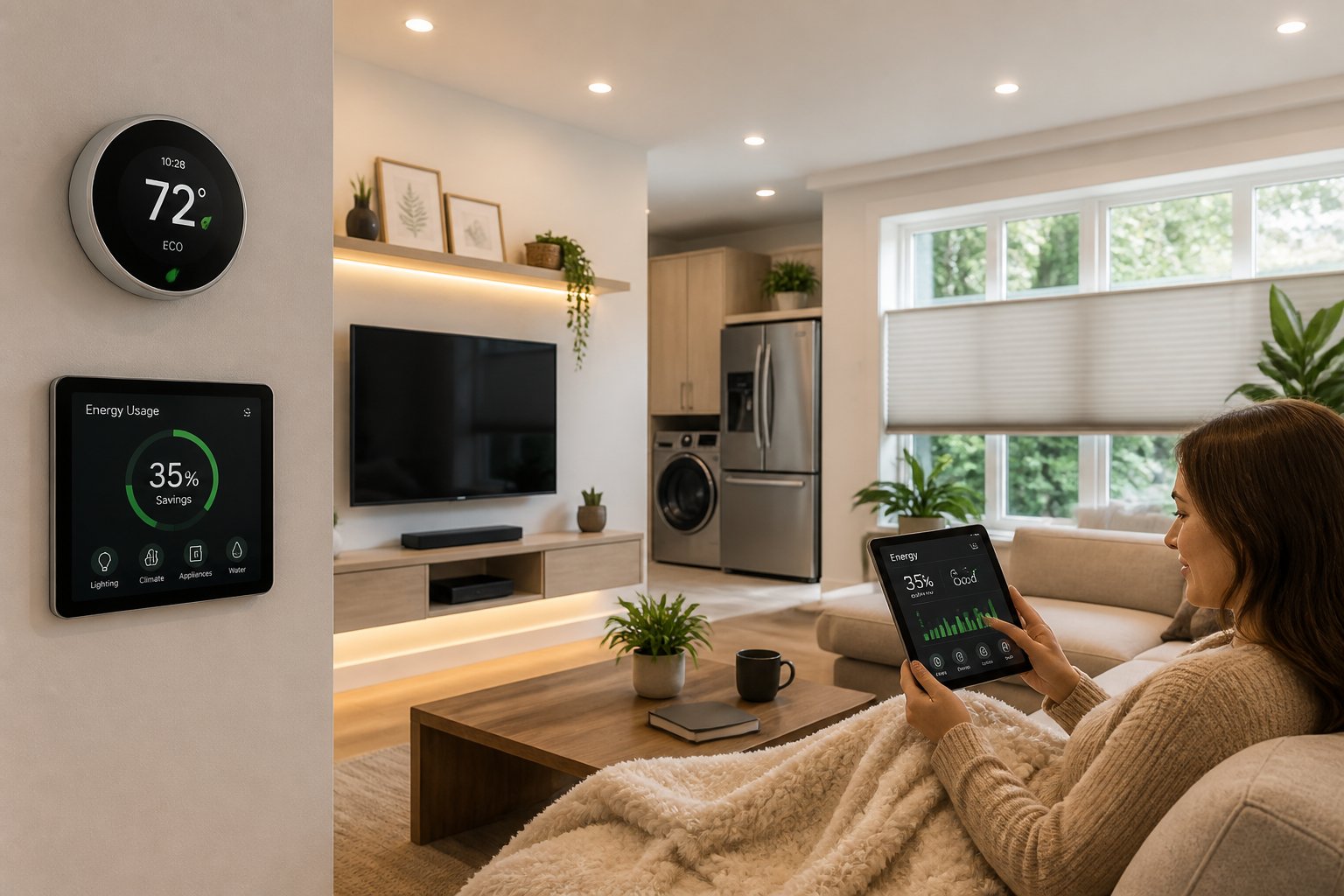
Tools like emporia show you, in real time, where your electricity goes. That kind of data helps you spot waste, compare appliances, and see which changes actually matter.
A smart home setup only works if you use the info to make real choices, not just collect numbers for fun.
Prepare Your Electrical System For Smart Devices, Solar, And EV Growth
If you’re planning for solar, renewables, smart plugs, or an EV charger, check your electrical capacity early. Smart thermostats and other connected gadgets need wiring and panels that can handle them safely.
Future-proofing now can dodge bigger headaches (and costs) later.
Know When Professional Electrical Improvements Deliver The Best Return
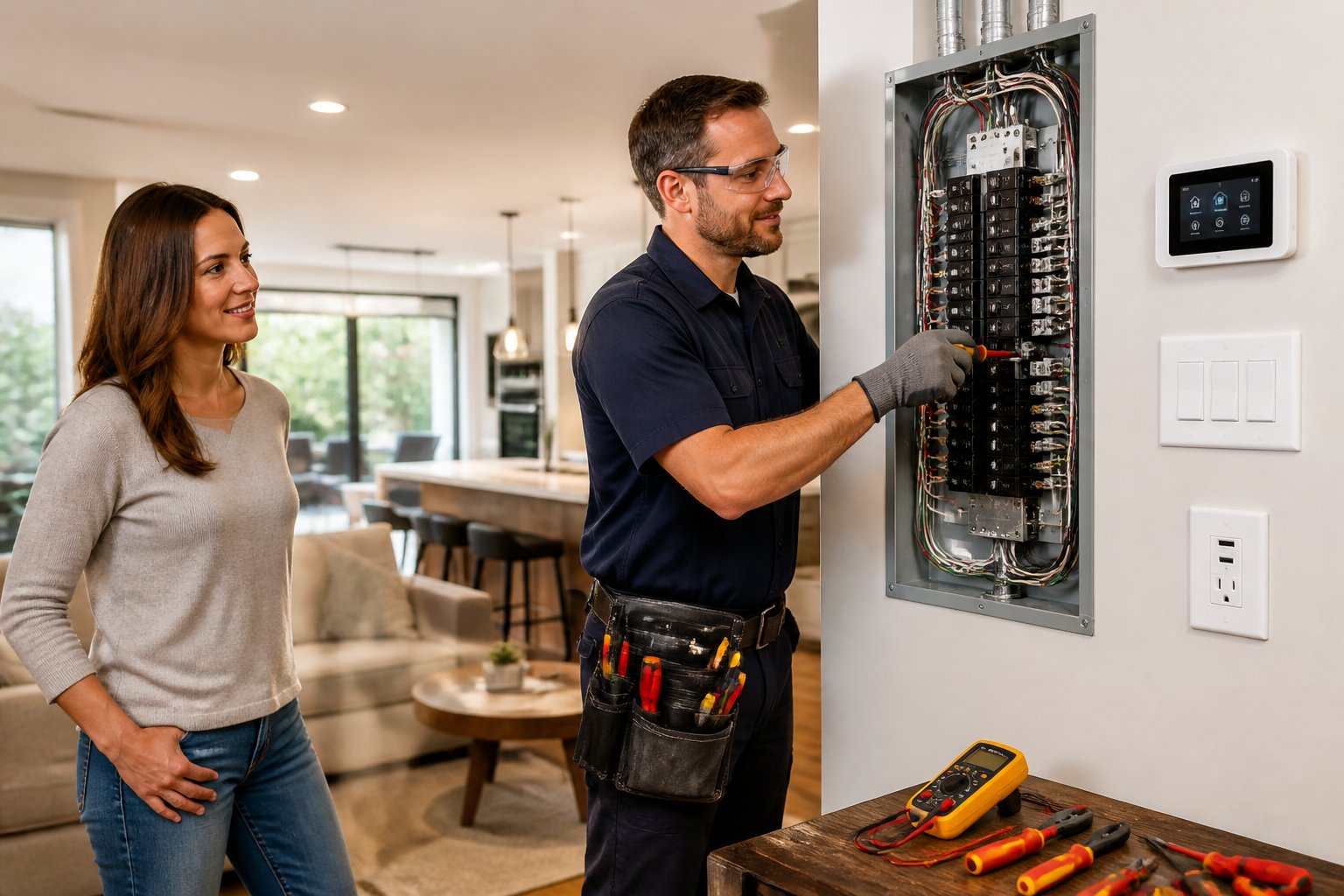
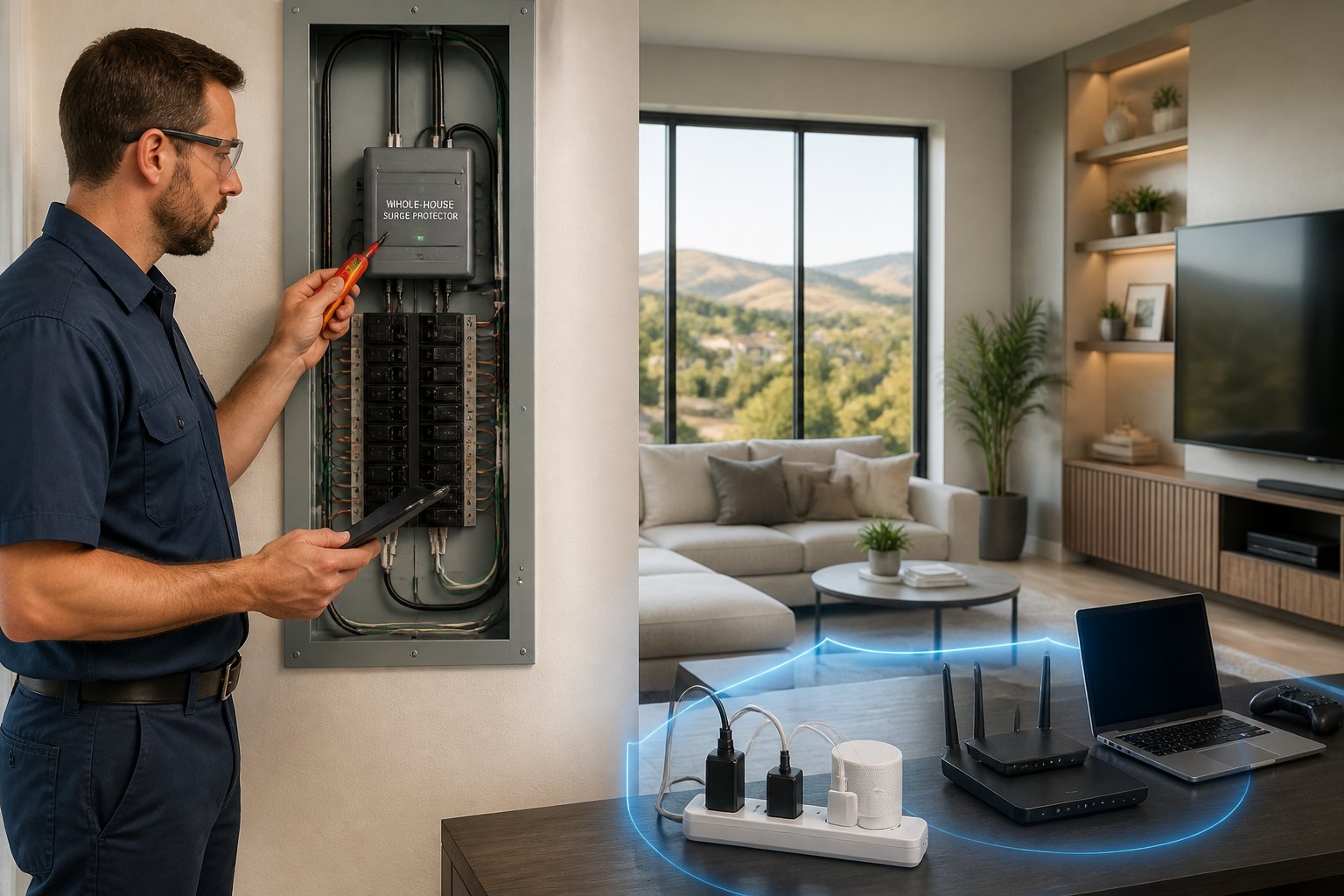
An energy audit can point you to the upgrades that really count. Sometimes panel upgrades, dedicated circuits, surge protection, or a heat pump install will bring more reliability and comfort than a bunch of little fixes.
If you’re in Sacramento, Roseville, Rocklin, Elk Grove, Citrus Heights, Rancho Cordova, Fair Oaks, or nearby, AAA Electrical Services can help with same-day service, clear flat-rate pricing, and licensed and certified electricians who treat your home right.
Frequently Asked Questions
What are the easiest changes I can make at home to lower electricity use while staying comfortable?
Start with thermostat tweaks, LED bulbs, and sealing up drafts around doors and windows. Cutting phantom load by unplugging devices or using power strips is also quick and painless.
Which household appliances typically consume the most electricity, and how can I cut their usage?
Heating, cooling, water heating, laundry, and old fridges usually top the list. Go for efficient appliances, wash clothes in cold water, and run heavy loads during off-peak hours if your plan allows.
How can I keep my home warm in winter without running up my power bill?
Focus on weatherstripping, insulation upgrades, and setting your thermostat to match your schedule. Ceiling fans (set to reverse) can help move warm air around, keeping things cozy without extra runtime.
What thermostat settings and schedules help reduce electricity costs without feeling too cold or too hot?
A programmable or smart thermostat works best if you set it for day, night, and away times. Small, steady adjustments—not big swings—tend to keep comfort up and bills down.
Which home upgrades offer the best energy savings, and are any of them eligible for tax credits?
Best bets are insulation, air sealing, HVAC and water heating efficiency, and big electrical upgrades that prep your home for the future. Some heat pump, solar, and efficiency upgrades might qualify for tax incentives, depending on equipment and current federal rules.
How can I reduce my utility bill while still maintaining comfort and safety at home?
Start by taking a good look at where your energy goes—an energy audit can point out what’s really driving up your bills. Tackle the worst offenders first. Need electrical repairs, a quick upgrade, or just some troubleshooting? Licensed electricians who show up with the right tools and parts can handle it fast, keeping things safe and making your home less of a headache down the road.