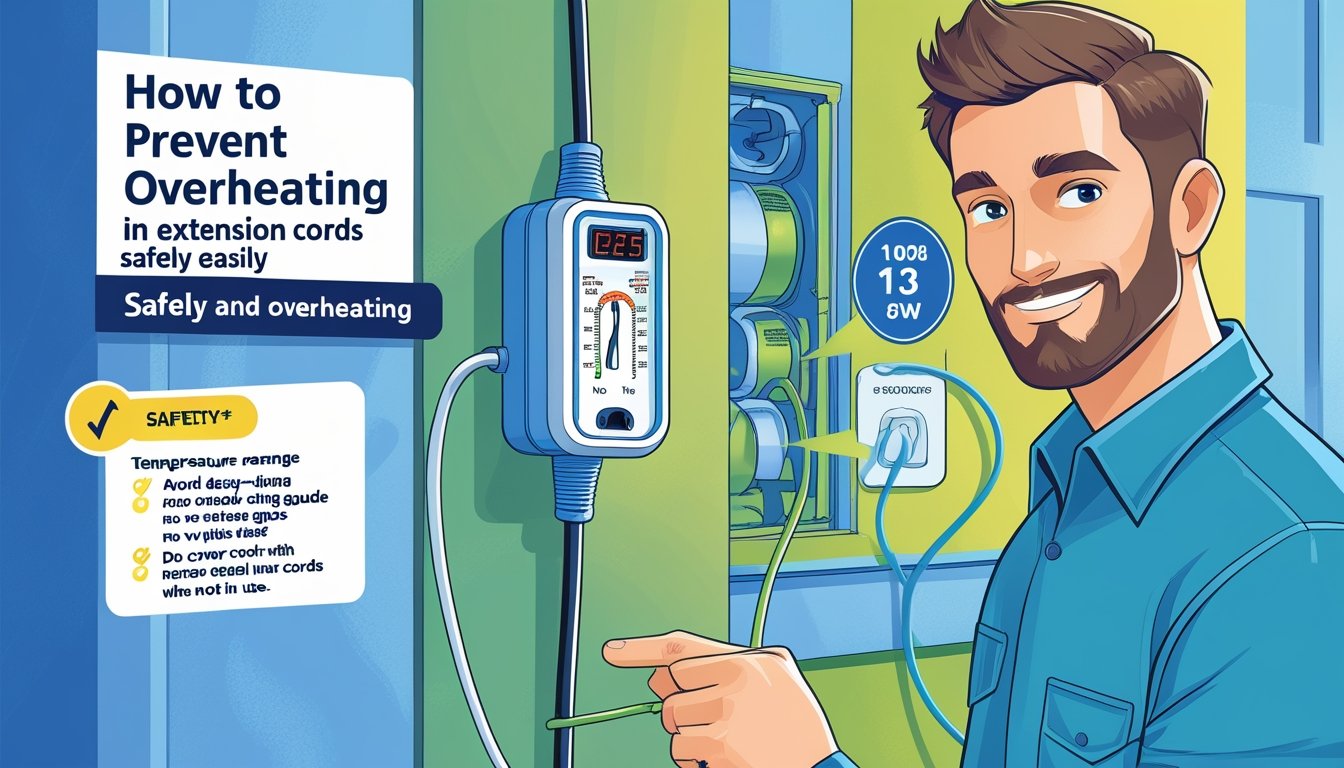
Extension cords are super handy, but honestly, they can turn into a fire hazard if they overheat. To keep things safe, use cords rated for your devices’ power, skip daisy-chaining, and don’t overload outlets. Keep cords untangled and away from heat or water—simple steps, but they really do help protect your home.
At AAA Electrical Services, we get that safety matters most. We always suggest checking your cords for damage and only using them as a temporary fix. If you’re around Sacramento, Roseville, or Elk Grove, our licensed techs can help with repairs or advice—sometimes even the same day. With over 40 years in the business, we’re here to keep your home safe with service you can actually trust.
Understanding Extension Cord Overheating
Extension cords overheat when folks use them the wrong way. Figuring out what causes this, spotting the warning signs, and knowing the dangers can help you avoid electrical headaches.
Common Causes of Overheating
Cords overheat when they carry more current than they’re built for. Plugging a high-power device into a lightweight cord, or plugging too many things into one cord, will heat it up fast. Damaged or old cords with cracked insulation or exposed wires? Also a big problem.
Daisy-chaining (plugging cords into each other) just makes things worse. Try to keep cords untangled and don’t run them under rugs or heavy furniture—heat gets trapped, and that’s asking for trouble.
Signs and Symptoms of Overheating
Here’s what to watch out for: cords that feel warm or hot, a burning smell, or any discoloration or melted plastic on the cord or plug. Flickering lights or tripped breakers might mean your cord’s in trouble.
If you notice any of these, stop using the cord right away. Seriously, don’t risk it.
Risks and Consequences
Ignoring overheated extension cords can put your home and family in danger. Melted insulation exposes wires, which can shock you or cause short circuits. That’s how electrical fires start—and they’re nothing to mess with.
AAA Electrical Services in Sacramento always puts safety first. If you’re worried about your cords, we’ll inspect and fix problems before they turn into disasters.
Choosing the Right Extension Cord
Choosing the right cord matters. You want one that matches your device’s power needs, is the right length and thickness, and meets safety standards. Otherwise, you’re rolling the dice with fires or shocks.
Matching Cord Ratings to Devices
Every cord lists a power rating—amps or watts. Make sure your cord can handle the total power of everything plugged into it. For example, if your heater draws 10 amps, your cord should handle at least that.
Don’t use a cord with a lower rating than your device needs. Check the labels on both. If a cord feels warm or has damaged insulation, just stop using it.
Importance of Cord Length and Gauge
Cord length actually affects safety. Longer cords need thicker wire (gauge) to keep from overheating. Gauge numbers are backwards—smaller number, thicker wire.
For under 25 feet, a 16-gauge cord is usually fine for small stuff. Over 50 feet or for heavy gear, go for 14- or even 12-gauge. Thicker cords handle more power and stay cooler.
Certifications and Safety Standards
Look for cords with UL or ETL certification. That means they’ve passed safety tests. Using certified cords cuts down on electrical problems.
Also, check if it’s for indoor or outdoor use. Outdoor cords have tougher insulation. The right certified cord for your space just makes sense.
Need help picking a cord or fixing one? Call AAA Electrical Services. Our licensed techs cover Sacramento and nearby, always with safety in mind.
Best Practices for Safe Usage
Using extension cords safely isn’t rocket science, but it does take a little care. Pay attention to how you plug them in, how much power you’re drawing, and check them regularly. High-powered devices need extra caution.
Proper Plugging and Placement
Plug cords all the way into outlets for a solid connection. Loose plugs can spark or overheat. Don’t force plugs if they don’t fit.
Keep cords where they won’t get crushed by furniture or stepped on. Use cord covers if you have to run them across the floor. Never run cords under rugs—heat gets trapped and that’s risky.
Never daisy-chain cords. If you need more length, buy one cord that’s long enough and rated for your power needs.
Avoiding Overloading Outlets
Every cord has a max load. Check the label for wattage or amps before plugging things in. Overloading is the main reason cords overheat.
Don’t jam too many devices into one cord or outlet. Spread things out. If your breaker keeps tripping, that’s a sign to lighten the load or maybe upgrade your panel.
Seeing a lot of overloads? Call AAA Electrical Services for a panel upgrade or more circuits. It’s worth it.
Regular Inspection and Maintenance
Always look over your cords before using them. Check for cracks, frays, or exposed wires. If you see damage, toss the cord or get it fixed.
Bend cords gently to check for hidden breaks. Make sure plugs aren’t loose or scorched. Keep cords clean and dry, and store them out of harm’s way.
If you’re unsure about a cord, or can’t see the problem, let AAA Electrical Services take a look. Catching issues early saves money and headaches.
Safe Use with High-Powered Devices
Space heaters, ACs, power tools—they all draw a lot of current. Only use heavy-duty cords with these. Standard cords can’t handle it and will overheat.
Don’t use extension cords as permanent wiring for high-power stuff. If you need more outlets, get a pro to install them.
Unplug high-powered devices when you’re not using them. Keep cords away from water. Moisture plus electricity? Just asking for trouble.
Storage and Care Tips
Taking care of your cords goes a long way. Store them right, keep them dry, and don’t let them get damaged. That’s how you avoid overheating and keep things safe.
Storing Extension Cords Correctly
Coil cords loosely—don’t kink or bend them sharply. Avoid wrapping them tight around stuff; it can mess up the wires inside. A spool or wall hook works great for keeping them tidy.
Store cords in a dry, cool spot, away from sunlight or heat. Don’t put heavy stuff on top of them.
Label your cords if you have a bunch, so you know which is which. That way you’re not guessing and accidentally using the wrong one for a big job.
Preventing Physical Damage
Damaged cords are just asking for trouble. Check them often for cracks, frays, or exposed wires. If you find anything, stop using the cord and get it replaced or repaired.
Don’t step on cords, slam them in doors, or run them over sharp edges. That just wears them out faster.
If you need help with repairs, AAA Electrical Services in Sacramento and nearby are happy to help.
Keeping Cords Dry and Clean
Moisture is a big no-no for cords. Always keep them dry, especially outside or in damp spots. Store them where water can’t get to them, and don’t run them through puddles or wet grass.
Wipe cords down with a dry cloth now and then—dirt can hide damage and even cause overheating.
If a cord gets wet, unplug it and let it dry before using it again. For safety advice, AAA Electrical Services is always around to help out.
When to Replace Your Extension Cord
Knowing when to ditch a cord is key for safety. Watch for damage and don’t push your luck if a cord isn’t up to the job.
Recognizing Wear and Tear
Check cords for cracks, cuts, or frayed wires. Damaged cords heat up inside and can catch fire. If a cord feels warm after light use or has any visible damage, replace it.
Look at the plugs, too. Bent or loose prongs mean poor connections and overheating. Don’t use cords with exposed wires or melted spots.
Tangled or sharply bent cords can break inside. Use organizers or coil them loosely. If you see wear, just get a new one—it’s not worth the risk.
Upgrading to Safer Alternatives
If you’re always plugging in heavy-duty tools or appliances, upgrade to cords that can handle it. Look for thicker insulation and higher amperage ratings.
Properly rated cords keep circuits from overloading and prevent overheating. For outdoor jobs, pick weather-resistant cords.
AAA Electrical Services recommends investing in quality cords that match your needs. Our licensed techs in Sacramento and nearby can help you pick and replace cords, usually same day, and we’re always upfront about pricing.
Frequently Asked Questions
If you use heavy-duty extension cords right, you’ll avoid most overheating risks. Here are a few common questions and answers for staying safe.
What safety practices should I follow when using a heavy-duty extension cord?
Check that the cord’s rating matches your devices’ power needs. Don’t run cords under rugs or through doorways. Uncoil cords fully—coiled cords trap heat.
What are the signs that an extension cord is overloaded and might overheat?
If the cord gets hot, smells like burning, or you notice flickering lights or tripped breakers, it’s probably overloaded. Stop using it right away.
How can I identify if an extension cord is suitable for high-voltage appliances?
Check the cord’s label for voltage and amps. Heavy-duty cords have thicker insulation and are rated for bigger loads. If you’re not sure, ask a pro.
Is it normal for an extension cord to get warm, and at what point should I be concerned?
A little warmth is normal, but it shouldn’t be hot. If it’s too hot to hold comfortably, unplug it and check what you’re running or swap the cord. Don’t ignore it.
Why might an extension cord stop working and could this be related to overheating?
Overheating messes with the internal wires or even the plug, sometimes leaving the cord useless. If it keeps getting too hot, you might see melted insulation or loose connections—neither is good news. If your extension cord suddenly gives up on you, honestly, just replace it or call a licensed electrician to take a look.
What steps can I take to reduce the risk of fire caused by an overheated extension cord?
Pick extension cords that actually match your power needs—don’t just grab whatever’s lying around. Take a minute every so often to check them for fraying, cracks, or weird heat. If a cord looks damaged, just toss it. Avoid plugging too many things into one outlet, even if it seems like it’s working fine. If you’re not sure what’s safe or notice anything odd, AAA Electrical Services in Sacramento (and nearby, too) can help out with inspections and repairs. They do same-day service and, honestly, their pricing is pretty straightforward.