Power outages can happen when you least expect them. They leave your home without electricity and disrupt your daily life.
The best way to protect your home from power outages is by preparing ahead with reliable solutions like generators, electrical panel upgrades, and regular maintenance. These steps keep your family safe and your home’s electrical system working smoothly during unexpected power loss.
Invest in a standby generator or upgrade your electrical panel for peace of mind. In the Sacramento and surrounding areas, storms or other issues can cause outages.
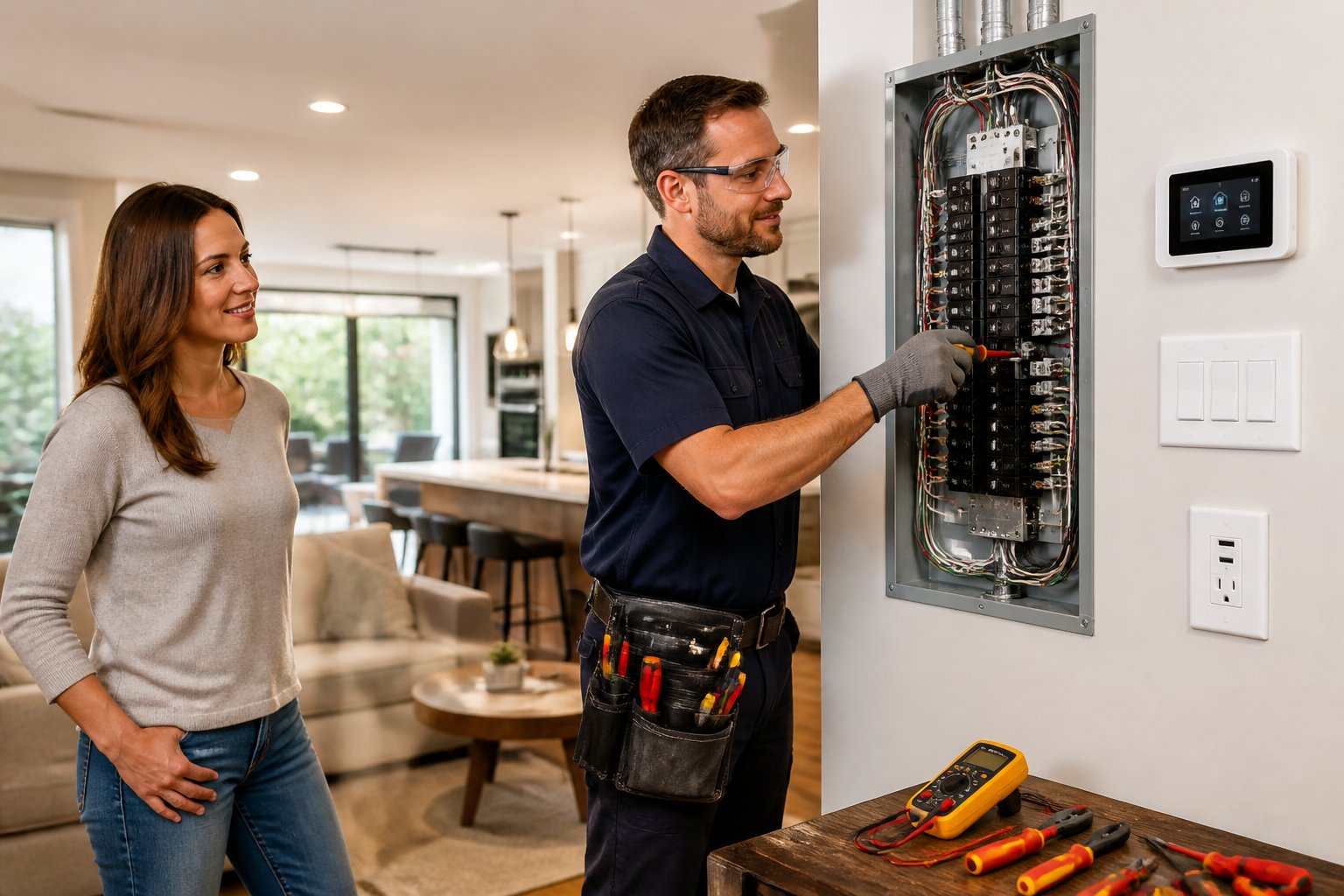
AAA Electrical Services offers same-day service and flat-rate pricing. Our licensed professionals can quickly protect your home with trusted, safety-first electrical work.
With over 40 years of experience serving neighborhoods like Roseville, Rocklin, and Elk Grove, our Nexstar-trained technicians are ready to keep your home powered and safe. Our stocked vans allow many fixes in just one visit, so you spend less time without power.
Understanding Power Outages
Power outages happen for many reasons. They can affect your home’s safety and comfort.
Knowing the causes, types, and risks helps you prepare better. You can keep your family safe with the right steps.
Common Causes of Power Outages
Weather events like storms, wind, or heavy rain often start power outages. Falling trees and branches can damage power lines, cutting electricity to your home.
Equipment failures from aging electrical systems can also cause outages. Sometimes, local utility companies shut power off to prevent fires during extreme heat or dry conditions.
Accidents or planned maintenance may also cause temporary outages. Outages vary by duration and cause.
Knowing the main causes lets you plan and protect your home. Tools like generators or surge protectors can help.
Risks of Being Unprepared
Without power, essential systems like heating, cooling, or medical devices might stop working. Food in refrigerators can spoil quickly, causing waste and extra costs.
Darkness increases the risk of falls or accidents. Security systems may fail, leaving your home vulnerable.
In emergencies, communication devices might lose power. This makes it harder to call for help.
Types of Power Outages
There are three main kinds of outages:
- Momentary Outages: A quick blink or drop in power, often less than 5 minutes. Usually caused by brief weather issues or circuit breaker trips.
- Temporary Outages: Last from a few minutes to several hours. Could happen due to storms, equipment problems, or scheduled maintenance.
- Extended Outages: Last several hours to days. These happen with major storms, fires, or large-scale utility failures.
Understanding these helps you choose the right protection. Panel upgrades or backup generators can fit your home's needs.
Preparing Your Home in Advance
Getting ready for a power outage helps you stay safe and comfortable when the lights go out. Having the right items, supplies, and plans in place means you will be ready no matter how long the outage lasts.
Creating a Home Emergency Kit
Your emergency kit should have all the basics to keep your family safe for at least 72 hours. Include flashlights, extra batteries, a battery-powered or crank radio, and a first aid kit.
Make sure to have enough bottled water—about one gallon per person, per day. Don’t forget essential tools like a manual can opener, matches or a lighter in a waterproof container, and a multi-tool.
Keep some non-perishable food like canned goods and energy bars. Store important documents such as IDs, insurance papers, and medical records in a waterproof bag.
Place the kit where everyone can reach it easily. Review and update your kit every six months to replace expired items.
Storing Essential Supplies
Store spare batteries for devices and keep your phone charger handy. If you have a generator, ensure it is serviced and fuel is stored safely away from your home.
Keep enough water and food for your family and pets. Frozen gel packs or ice can help keep perishable foods cold in a cooler.
Stock up on hygiene items like wipes, hand sanitizer, and extra toiletries. Create a charging station with a power bank or solar charger to keep devices running.
Developing a Family Preparedness Plan
Talk with your family about what to do during an outage. Decide on a meeting spot and share emergency contact numbers.
Assign each person a task, like checking on neighbors or gathering supplies. Make sure everyone knows how to turn off the main electrical panel or gas shutoff in an emergency.
Practice your plan so everyone feels confident. A clear plan helps your family stay calm and safe until power is restored.
Investing in Backup Power Solutions
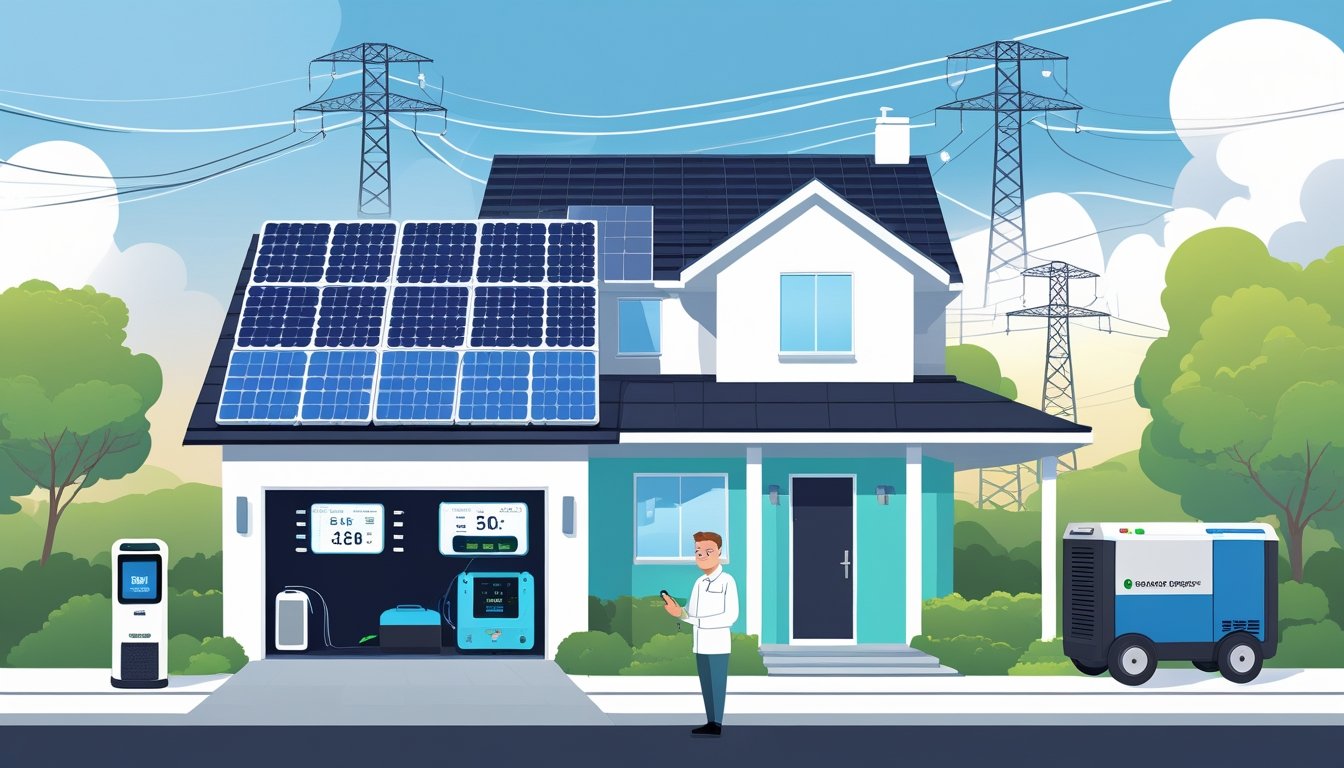
Protect your home from power outages by choosing reliable backup options that match your needs. You can pick from generators, batteries, solar systems, and transfer switches.
Each option has its strengths to keep your home safe and powered during an outage.
Choosing the Right Generator
When you pick a generator, start by listing the essential devices you want powered. This usually includes your refrigerator, heating or cooling systems, and important lights.
Generators come in two main types: portable and standby. Portable generators are smaller and affordable but need manual setup during outages.
Standby generators are permanent and automatically turn on when power fails. They connect directly to your home’s electrical panel.
This option is more expensive upfront but offers hands-free backup power. Always have a professional like AAA Electrical Services install your generator for safety and reliable operation.
Installing a Home Battery Backup
A home battery backup stores electricity for use when the grid goes down. It works well if you want clean, quiet power.
Batteries charge during normal times and switch on instantly when an outage happens. The size you need depends on how much power you want to keep running.
Small batteries can handle lights and electronics. Larger setups can support more devices for longer periods.
Battery backups require no fuel, reducing maintenance. Have a licensed team install your battery system for safety and proper connection.
Benefits of Solar Energy Systems
Solar panels provide clean energy by capturing sunlight to power your home. Pairing solar with a battery backup lets you keep using solar power even during blackouts.
This reduces your reliance on the grid and lowers utility bills. Solar systems help future-proof your home and increase its value.
In sunny areas like Sacramento and surrounding cities, solar can be very effective. Maintain your panels regularly to keep your system working well for years.
Automatic Transfer Switch Options
An automatic transfer switch (ATS) moves power from the grid to your backup source automatically. When the power goes out, the ATS detects the outage and switches your home’s load to the generator or battery.
Installing an ATS improves safety. It prevents back-feeding electricity to the grid, which can harm utility workers.
Most professionally installed standby generators use ATS to work smoothly. AAA Electrical Services offers expert ATS installation to keep your home’s power transition safe and efficient.
Protecting Vital Home Systems
Keeping important home systems safe during power outages helps maintain comfort, security, and convenience. Protecting your fridge, HVAC, lighting, and communication devices ensures your family stays safe.
Safeguarding Refrigerators and Freezers
Your refrigerator and freezer need power to keep food fresh and safe. During a power outage, avoid opening the doors to preserve cold air.
A full freezer can keep its temperature for about 48 hours if unopened. A fridge stays cold for around 4 hours.
To provide backup power, use a generator or battery system designed for appliances like these. A whole-house surge protector can also prevent damage when power returns.
AAA Electrical Services provides professional installation of surge protectors and generators to keep your food safe.
Securing HVAC Systems
Your HVAC system is critical for comfort and safety, especially during extreme weather. Power outages can stop your HVAC, making your home too hot or cold.
A backup generator sized for your HVAC system helps maintain indoor temperatures. Regular maintenance keeps it running efficiently when power is restored.
Surge protection shields your system from voltage spikes. AAA Electrical Services offers same-day service to install and repair these protective devices.
Maintaining Security and Lighting
Power outages can leave your home in darkness and compromise security. Use backup lighting, such as battery-powered LED lamps or solar lights, to keep key areas lit.
Motion sensor lights running on backup power help deter intruders. Make sure your security systems have battery backups or connect them to a generator.
This keeps alarms and cameras working when power is out. Install surge protectors to prevent electrical damage to your security devices.
Preserving Communication Devices
Staying connected during an outage is important for safety and communication. Keep cell phones, tablets, and radios charged using portable power banks or generators.
Consider a dedicated charging station powered by backup electricity. For longer outages, a generator connected to your home’s electrical panel keeps your modem, router, and landline phones powered.
This helps maintain internet access and emergency calls.
Preventing Electrical Damage
Protect your home from electrical damage with the right tools and habits. Manage voltage surges, turn off appliances safely, and avoid too many devices on one circuit.
These steps keep your home’s wiring and devices safe.
Using Surge Protectors
Power surges can damage your appliances or even start fires. Surge protectors shield your devices by redirecting extra voltage away.
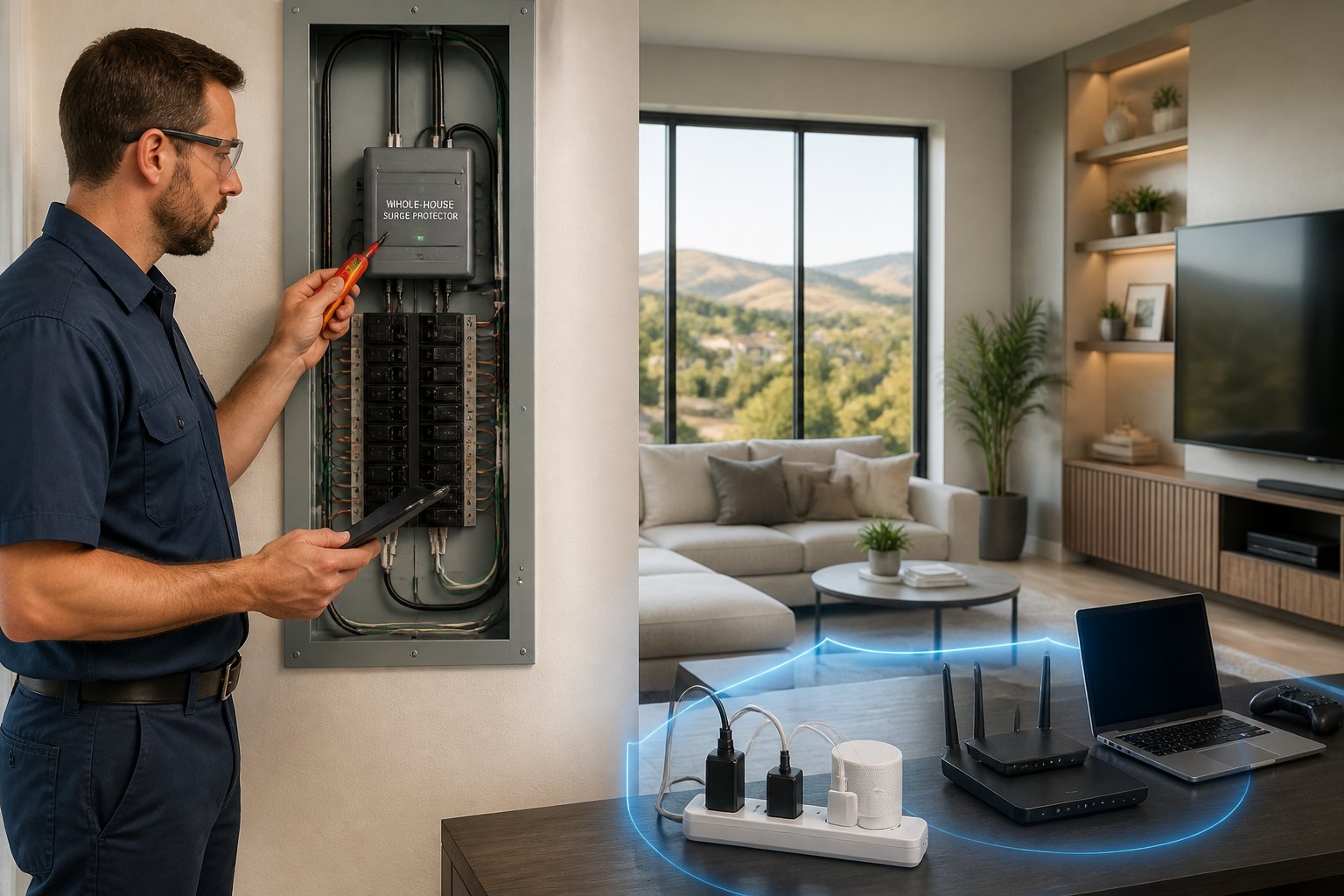
A whole-house surge protector protects all your wiring and outlets at once. Use plug-in surge protectors for important electronics like TVs, computers, and refrigerators.
Choose ones with an indicator light to show they are working. Regularly check and replace surge protectors if they show wear or damage.
Have a licensed electrician install a whole-house surge protector for the best protection.
Safely Shutting Off Appliances
When a power outage or electrical problem happens, turn off sensitive or heavy-use appliances. Unplug devices like TVs, computers, and microwaves first.
This prevents sudden surges from damaging them when power returns. For appliances that can’t be unplugged easily, switch them off at the main control or their own power switch.
Avoid turning everything back on at once. Power up devices one by one to spread out the electrical load.
Keep a flashlight and basic tools handy so you can shut off power safely if needed.
Avoiding Circuit Overloads
Circuit overloads happen when you plug in too many devices on one circuit. This causes your breaker or fuse to trip and can lead to power flickering or outages.
Know the limits of your home’s circuits. Spread out high-power devices, like heaters or air conditioners, on different circuits.
Use power strips wisely, but don’t connect strips to each other. If you notice frequent tripping or flickering, have a professional inspect your wiring.
Staying Comfortable During Outages
Power outages can disrupt your daily routine. Staying comfortable means managing the temperature, having safe light sources, and finding ways to cook without electricity.
These steps help keep your home safe and livable until power returns.
Managing Indoor Temperature
During an outage, your home's temperature can change quickly. In hot weather, close blinds and curtains to block sunlight.
Use fans sparingly since they need power, but battery-powered fans can help. Dress in light, breathable clothes and drink plenty of water.
In colder months, layer your clothing and use blankets to stay warm. Avoid opening doors and windows often to keep warm air inside.
If you have a generator, it may safely power a space heater. Always follow safety instructions to prevent carbon monoxide risks.
Safe Lighting Alternatives
When the lights go out, safety is key. Use flashlights or battery-powered LED lamps instead of candles to avoid fire hazards.
Stock up on extra batteries and keep them easy to find. If you have a generator, it can power important lights in your home.
Some modern whole-house surge protectors and backup power systems let you switch on lights safely during outages. Always test your lighting supplies before an outage to make sure they work.
Keep multiple light sources in different rooms. This helps you move around safely and comfortably after dark.
Cooking Without Electricity
Cooking during an outage requires preparation. Use a gas stove or grill outside, never indoors, to avoid carbon monoxide poisoning.
Keep non-perishable meals and ready-to-eat foods like canned goods, nuts, and protein bars on hand. If your generator supports kitchen appliances, you can keep cooking during an outage.
Plan simple meals that don’t need much preparation or refrigeration. Store perishable foods safely and keep track of how long the power has been out.
If your fridge or freezer loses power for more than four hours, throw out perishable items to prevent foodborne illness.
For generator installation and advice on powering your kitchen safely during outages, contact AAA Electrical Services. They have provided safety-first electrical work by licensed professionals for over 40 years.
Staying Informed and Connected
To keep your home safe during a power outage, stay up-to-date on local news. Keep important contacts handy and charge your devices before the power goes out.
These steps help you avoid surprises and stay connected with your family and emergency services.
Monitoring Local Updates
Follow your local news sources for information on outages and weather conditions. Many cities and utility companies send alerts via text, email, or phone calls.
Sign up for these notifications to know when to expect power restoration or if any safety warnings are in place. Use a battery-powered or hand-crank radio to receive updates if your phone battery dies or the internet goes down.
Keep this radio in an easy-to-access spot along with fresh batteries.
Maintaining Emergency Contacts
Save important phone numbers in more than one place. Include your electric utility, local emergency services, and trusted contractors like AAA Electrical Services.
Keep these contacts on your phone and written down somewhere easy to reach. Make sure everyone in your home knows where to find this list.
Include family members, neighbors, or friends who may help during an outage.
Charging Devices Ahead of Time
Before a storm or possible outage, fully charge your phones, tablets, laptops, and portable batteries. This ensures you can stay in touch and access important information.
Consider a portable power bank or a generator to keep your devices running during long outages. AAA Electrical Services can install automatic generators that switch power smoothly when the grid goes down.
Turn off unnecessary apps and lower screen brightness to save energy. This helps your device’s battery last longer during emergencies.
Recovery After Power Is Restored
After the power returns, take steps to ensure your home is safe and back to normal. Check your electrical system, replace any used emergency supplies, and reset devices to avoid damage or glitches.
Inspecting for Electrical Issues
When power is restored, check your home’s electrical system carefully. Look for signs of damage like flickering lights, burning smells, or tripped breakers.
If you spot anything unusual, avoid using that circuit and call a licensed electrician right away. Examine outlets and appliances for burns or strange noises.
Power outages can cause surges or faults that damage wiring or gadgets. Surge protectors help, but issues can still happen.
If you live in Sacramento or nearby, AAA Electrical Services offers quick, same-day inspections with certified technicians. Their “warehouse on wheels” vans carry parts to fix problems fast and keep your family safe.
Restocking Emergency Supplies
Power outages often use up emergency supplies like flashlights, batteries, and non-perishable food. Check what you have left and restock what’s missing or expired.
Keep a list handy to track supplies like:
- Fresh batteries for flashlights and radios
- Bottled water
- Canned or dried food
- First aid kit items
Make sure your emergency kit stays ready for the next outage. This keeps your family prepared and reduces stress.
Resetting Home Devices
Many electronic devices need resetting after a power outage. Unplug sensitive electronics at first to avoid damage from voltage spikes.
Plug them back in one at a time. Reset clocks, alarm systems, Wi-Fi routers, and any smart devices.
If you have a generator or surge protector, check that those work correctly too. AAA Electrical Services can help with proper reset and testing of more complex devices like circuit breakers or home panels.
Their technicians make sure everything runs safely and smoothly after an outage.
Frequently Asked Questions
Preparing for power outages means having the right supplies, food plans, and ways to stay safe and comfortable. It also helps to know how to keep yourself entertained during downtime.
What are essential items to include in a blackout survival kit?
Your kit should have flashlights with extra batteries, a battery-powered radio, bottled water, non-perishable food, a first aid kit, and a manual can opener. Don’t forget blankets, phone chargers, and any needed medications.
How can we prepare for an extended power outage at home?
Keep a standby generator ready if you can. Check that your electrical panel and wiring are up to date and that circuit breakers work correctly.
Contact AAA Electrical Services for fast, safe generator installation and panel upgrades to protect your home.
What are the best ways to preserve food during a power outage?
Keep refrigerator and freezer doors closed as much as possible. Use coolers with ice for short-term storage.
If the outage lasts more than a day, move perishable foods to a working freezer or use shelf-stable alternatives.
How to maintain safety during a nighttime power outage?
Use flashlights instead of candles to reduce fire risks. Make sure pathways are clear to avoid trips.
Have extra batteries and a charged phone nearby. Let someone know if you need help.
What are effective strategies for staying warm without electricity?
Layer your clothing and use blankets to trap heat. Close curtains and seal gaps around doors and windows to keep cold air out.
If you have a fireplace or wood stove, use it safely and keep vents clear.
What fun activities can you suggest when the power goes out?
Play board games or card games by flashlight or battery light. Tell stories or listen to music on a battery-powered device.
You can use this time to connect with family without screens.
For electrical repair or installation during outages, AAA Electrical Services offers same-day service and fair, flat-rate pricing. Our licensed technicians serve Sacramento and nearby communities and focus on safety for your family.