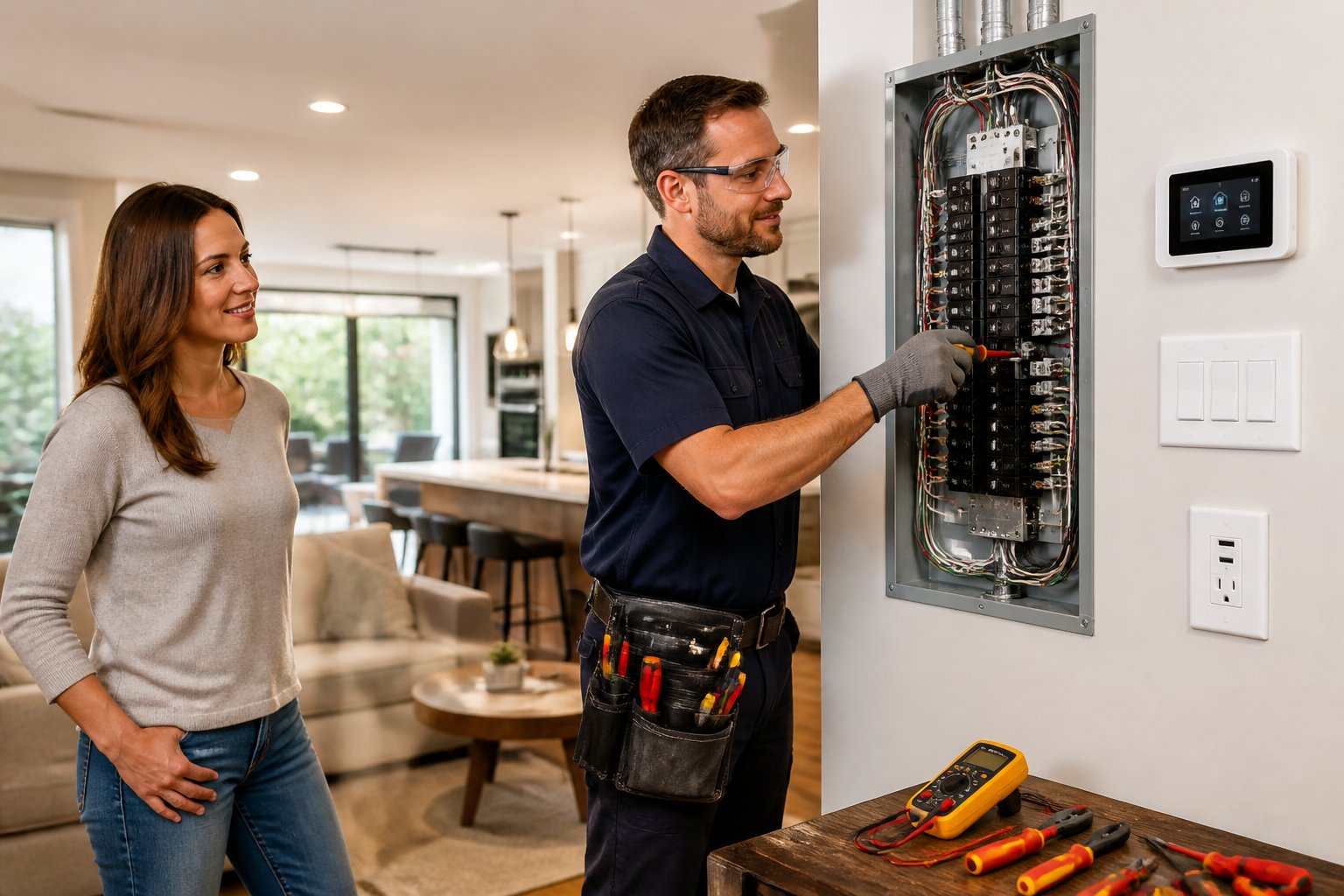
If you want to install a backup generator at home, hire a licensed electrician. A licensed electrician has the skills and knowledge to install your generator safely and follow local codes.
This protects your home, your family, and utility workers from improper installation.
You might wonder why you can’t install the generator yourself or hire someone with basic electrical experience. Backup generator installation involves your home’s electrical system and equipment like transfer switches.
Without professional help, you risk dangerous back-feeding or wiring damage.
A licensed electrician will assess your home’s power needs, handle any permits, and make sure the system runs smoothly. Your backup power will be ready when the lights go out.
Why Hire a Licensed Electrician for Backup Generator Installations
Choosing the right professional for your backup generator install is important. It keeps your home safe, protects your investment, and ensures the job gets done right.
Every detail matters, from following rules to avoiding mistakes.
Ensuring Safety and Compliance
A licensed electrician knows how to install your generator safely. They understand local building codes and electrical laws.
Improper installation can cause fire hazards or electric shocks. Licensed electricians use tested methods and tools to reduce these risks.
They also handle permits and inspections. This ensures your installation meets legal standards.
Protecting Your Investment
Backup generators can be expensive, sometimes costing thousands of dollars. Hiring a licensed electrician helps your investment last.
They install the generator so it runs efficiently and prevent damage or early wear. Poor installation could lead to costly repairs or damage your home’s electrical system.
Licensed electricians often offer warranties on their work. This gives you peace of mind if something goes wrong during or after installation.
Avoiding Common Installation Mistakes
There are many important steps in installing a generator. A licensed electrician has experience with these steps.
Mistakes can include incorrect wiring, wrong placement, or not installing a transfer switch properly. These problems can stop the generator from working or cause electrical damage.
By hiring a pro, you avoid delays and extra costs. They make sure your backup power works when you need it most.
Understanding Backup Generator Installation
Installing a backup generator involves several steps. You need to choose the right type of generator and assess your power needs.
Each choice helps your generator work efficiently and safely.
Types of Backup Generators
There are different types of backup generators to fit your needs. Standby generators are permanent and turn on automatically during a power outage.
They connect directly to your electrical system and fuel supply. These are convenient but usually cost more.
Portable generators are smaller and can be moved around. They need manual setup and refueling.
Portable generators cost less but are less convenient in emergencies.
There are also whole-house generators, which supply power to your entire home, and partial-load generators, which power only essential appliances. Fuel options include natural gas, propane, and diesel.
Your choice depends on your budget, space, and power needs.
Home vs. Business Installations
Installing a generator in your home or business changes the setup. For homes, you focus on keeping essential appliances running, like refrigerators, lights, and heating.
The installation often includes a transfer switch to prevent power from flowing back into the grid.
Business installations often need larger generators to support more equipment and systems. You might need special permits and follow stricter local codes.
Businesses may also want a generator that supports longer run times.
A licensed electrician will tailor the installation to your location and needs.
Power Requirements Assessment
Knowing your power needs is a critical first step. Your electrician will calculate the total wattage of devices you want to power during an outage.
This includes large appliances, heating or cooling units, and other essential equipment.
List your devices and find their starting and running wattage. Starting wattage is often higher and needs to be considered.
Decide if you want your whole property powered or just some critical parts. This affects the size and type of generator you choose and the overall installation cost.
Your electrician will match the generator to your needs.
Licensing and Certification Requirements for Electricians
To install a backup generator safely and legally, you need an electrician who meets specific rules. These include following state and local laws, holding the right certifications, and having insurance.
State and Local Regulations
Electrician licensing rules change depending on where you live. Some states require electricians to pass an exam to prove their knowledge.
Local governments might have extra rules about backup generator installation, like permits or inspections.
Before hiring, check if the electrician has a valid license for your area. This license shows they have met training and experience standards.
It also means they understand the codes needed to install your generator.
Relevant Certifications
Look for electricians with certifications related to generators. Certifications from groups like the National Institute for Certification in Engineering Technologies (NICET) show extra skills.
Certified electricians know how to handle transfer switches and connect generators to your home's wiring safely.
These certifications help ensure your backup power system works properly and stays up to code.
Insurance and Bonding
Electricians should have insurance and bonding before working on your home. Insurance covers accidents or damage during installation.
Bonding protects you financially if the electrician doesn’t finish the job or breaks a contract.
Ask to see proof of insurance and bonding. This protects you from extra costs if something goes wrong.
It also shows the electrician is responsible and trustworthy.
Step-by-Step Installation Process
Installing a backup generator involves careful planning and specific steps. You need to evaluate the site, calculate your electrical needs, and install key components like the transfer switch.
Site Evaluation
First, check the area where the generator will sit. Choose a spot that is dry, level, and close to your main electrical panel.
The location must follow local safety rules. Keep the generator away from windows, doors, and vents to avoid exhaust entering your home.
You also need easy access for fuel delivery if your generator uses propane or natural gas. Make sure there is enough space for maintenance and that the generator is stable.
Your electrician will help find the best spot.
Electrical Load Calculation
Next, figure out how much power you need from your generator. List important appliances and systems you want powered during an outage.
Your electrician will calculate total wattage based on these devices, such as refrigerator, furnace, lights, and medical equipment.
Choose a generator that can handle your essential needs without too much extra capacity. This keeps your costs down and system efficient.
If you want full home power, the calculation will include every circuit.
Transfer Switch Installation
The transfer switch is a critical part of your backup system. It safely moves the power source from the grid to your generator during an outage.
Your electrician will mount the transfer switch near your main panel. It connects wiring from both your home and generator to prevent power from backfeeding into the grid.
There are two main types: manual and automatic. Manual switches require you to flip a switch when the power goes out.
Automatic switches do this on their own. Proper transfer switch installation keeps your home safe during outages.
Selecting the Right Backup Generator
Choosing the right backup generator means thinking about how much power you need, what type of fuel works best, and which brands and features fit your home. These details help you get a reliable generator within your budget.
Sizing Your Generator
To find the right size, list the essential appliances and systems you want to power during an outage. This often includes your lights, refrigerator, furnace, and sometimes a sump pump or well pump.
Know the total wattage of these appliances. Licensed electricians can help calculate the right generator size.
A unit that’s too small won’t power everything you need. One that’s too large can waste fuel and cost more.
Typical home generators range from 7,000 to 22,000 watts. For full home power, aim for 20,000 watts or more.
For partial backup, smaller sizes may work.
Fuel Source Options
Most home generators use natural gas or propane. Natural gas is convenient for homes with gas lines because fuel is continuous and stored offsite.
Propane is stored in tanks on your property. It burns cleanly but requires refilling.
Some portable generators use gasoline, but for automatic standby systems, natural gas and propane are safer and more common. Your choice depends on availability, cost, and how long you want to run the generator without refueling.
Top Brands and Features
Brands like Generac, Kohler, and Cummins are known for reliable standby generators. Look for models with automatic transfer switches, which turn the power on automatically during outages.
Check for features like quiet operation, easy maintenance, and remote monitoring apps. These let you check your generator’s status from your phone.
Some models include warranties and service plans. Choose a brand with local support and licensed electricians who can install and maintain your system.
Permits and Inspections
Installing a backup generator means following rules and checks to keep everything safe and legal. You’ll need permits before starting and inspections after installation.
Obtaining Necessary Permits
Before installing a generator, get permits from your local building or electrical department. These permits show your project meets safety and code requirements.
To apply, submit details like the generator type, location, electrical plans, and fuel source. Sometimes your licensed electrician will handle this for you.
The permit process can take a few days or weeks, depending on your area. Do not skip this step because operating without a permit can lead to fines or forced removal.
Inspection Procedures
After your electrician installs the generator, your local authority will inspect it. This inspection ensures the wiring, transfer switch, and placement follow safety rules.
Inspectors check if the installation meets local electrical codes and that the generator doesn’t cause hazards. They may test the system to verify proper function.
You may need multiple inspections: one during rough-in wiring and a final one after completion. Be ready to fix any issues before the inspector gives approval.
Common Code Violations
Common problems that cause installation failures include improper wiring, missing transfer switches, and poor grounding.
Other violations are placing the generator too close to windows or vents, which risks carbon monoxide entering your home. Using the wrong fuel type or faulty connections also leads to failures.
Make sure your electrician is licensed and experienced with local codes to avoid these errors. Fixing violations after inspection can delay your project and increase costs.
Cost Considerations
When planning to install a backup generator, you’ll want to understand the cost up front, what factors could change that price, and what to expect for ongoing maintenance. These details help you budget properly and choose the right professional.
Average Installation Costs
The average cost to install a backup generator usually falls between $1,500 and $12,500. This range depends mainly on the size of the generator and the complexity of the installation.
Smaller portable units cost less but may not power your whole house. Whole-house standby generators cost more to buy and install but provide full backup power.
Hiring a licensed electrician also adds to the cost. Labor fees vary based on where you live and how hard the installation is.
Factors Affecting Price
Several things influence the final installation price. The type of generator is a major factor.
Portable models are cheaper but offer limited power. Whole-house systems cost more but provide full coverage.
Labor is another factor. Skilled electricians must follow safety codes and may need permits to install your system.
If your home’s electrical system needs upgrading, this will also increase the cost.
Fuel type matters too. Natural gas and propane generators might differ in price for installation and fuel supply setup.
Your location affects pricing because labor rates and permit costs vary based on where you live.
Maintenance Expenses
After installation, you’ll have ongoing costs to keep your generator working well. Regular maintenance is important, and you may want to hire a professional electrician for this to ensure safety.
Typical maintenance includes oil changes, filter replacements, and system tests. These are usually needed every 6 to 12 months.
These services can cost between $100 and $500 annually, depending on your generator’s size and model.
Maintenance and Support After Installation
Keeping your backup generator working smoothly takes regular care. You need to test it often and schedule checkups.
Be ready for quick fixes if something breaks. This helps avoid surprises and keeps your home powered when you need it.
Routine Testing
You should run your generator at least once a month. This lets you check if it starts and runs without problems.
Many generators have an automatic test mode. If yours does, make sure it runs on schedule.
During testing, listen for strange noises and watch for warning lights. Check fuel levels and oil.
Write down any issues or odd behavior. Testing regularly helps you spot minor problems before they grow.
Scheduled Servicing
Get a licensed electrician or service professional to inspect your generator every 6 to 12 months. This includes checking the engine, battery, air filter, and fuel system.
The technician will clean parts, replace worn items, and update software if needed. Ask for a clear checklist of what the service includes so you know what to expect.
Emergency Repairs
If your generator fails during an outage, quick repairs are critical. Have the contact details of a licensed electrician who specializes in generator repairs.
Emergency calls often happen during storms or power failures, so be prepared with a response plan. A good repair pro can diagnose issues fast and fix or replace parts safely.
Keep a log of repairs and parts changes to help with future maintenance.
Choosing the Best Electrician for Your Project
Finding the right electrician for your backup generator is important. You want someone who is licensed, experienced, and offers clear pricing.
This helps you avoid problems and keeps your home safe.
Researching Qualified Professionals
Start by looking for electricians who are licensed and have experience with backup generators. Check online reviews and ask for recommendations from friends or neighbors.
Make sure the electrician knows local codes and safety rules. Look for electricians who offer a full service, including wiring and transfer switch installation.
It’s also good to find someone who responds quickly and explains the work clearly. A licensed professional ensures your generator will work safely during outages.
Comparing Quotes and Services
Get quotes from at least three electricians to compare prices. Be sure each quote details labor, parts, and any permits needed.
Don’t just pick the cheapest option—it’s more important to get quality work that lasts. Ask about warranties on parts and labor.
Some electricians offer maintenance services or inspections after installation. You want clear, written estimates to avoid surprises later.
Benefits of Professional Generator Installation
Having a professional install your backup generator means your system will work safely and effectively when you need it most. Experts make sure everything fits right and lasts over time.
You also get important protections that keep your investment safe.
Long-Term Reliability
When a licensed electrician installs your generator, you reduce the chance of future problems. Professionals check your home’s electrical system before the install.
They follow local codes and safety rules, so your generator runs smoothly and safely. You also get expert advice on the best size and placement for your generator.
Warranty Protection
Most generator manufacturers require professional installation to keep the warranty valid. If you try to install it yourself or use an unlicensed person, you could lose your warranty benefits.
With a licensed electrician, you get paperwork showing proof of proper installation. This makes it easier to claim warranty services if something breaks.
It also protects you from paying for repairs that should be covered by the manufacturer.
Frequently Asked Questions
Choosing the right electrician and understanding their role is important for a safe and effective generator setup. You’ll also want to know about maintenance, safety steps, and rules that apply in your area.
What should I look for when choosing an electrician for generator installation?
Look for a licensed electrician with experience in backup generator work. Check if they follow local electrical codes and have good customer reviews.
A professional who communicates clearly and provides a detailed estimate is a good choice.
How often should my backup generator be serviced by a professional?
You should have your generator serviced at least once a year. Regular checks help catch problems early and keep your generator ready for power outages.
What are the safety protocols an electrician follows when installing a backup generator?
Electricians use a transfer switch to safely connect the generator to your home’s electrical system. They follow local codes to avoid risks like electrical shock or fire.
Proper grounding and correct wiring are also part of these safety steps.
Can an electrician help me determine the right size of backup generator for my home?
Yes, an electrician can assess your home's power needs. They check what appliances and systems you want to power during an outage.
This helps select a generator that fits your needs without being too small or unnecessarily large.
What's the difference between a portable generator and a standby generator, and which one requires an electrician for installation?
A portable generator is moved around and plugs into your home manually. A standby generator is permanently installed and turns on automatically during outages.
You need a licensed electrician to install standby generators, but portable ones usually don’t require professional installation.
Are there specific electrical regulations I should be aware of when getting a backup generator installed in my area?
Yes, local codes and permits often apply. Your electrician should know and follow these rules.
Check with your city or county before you install a generator. This step helps ensure your installation is legal and safe.