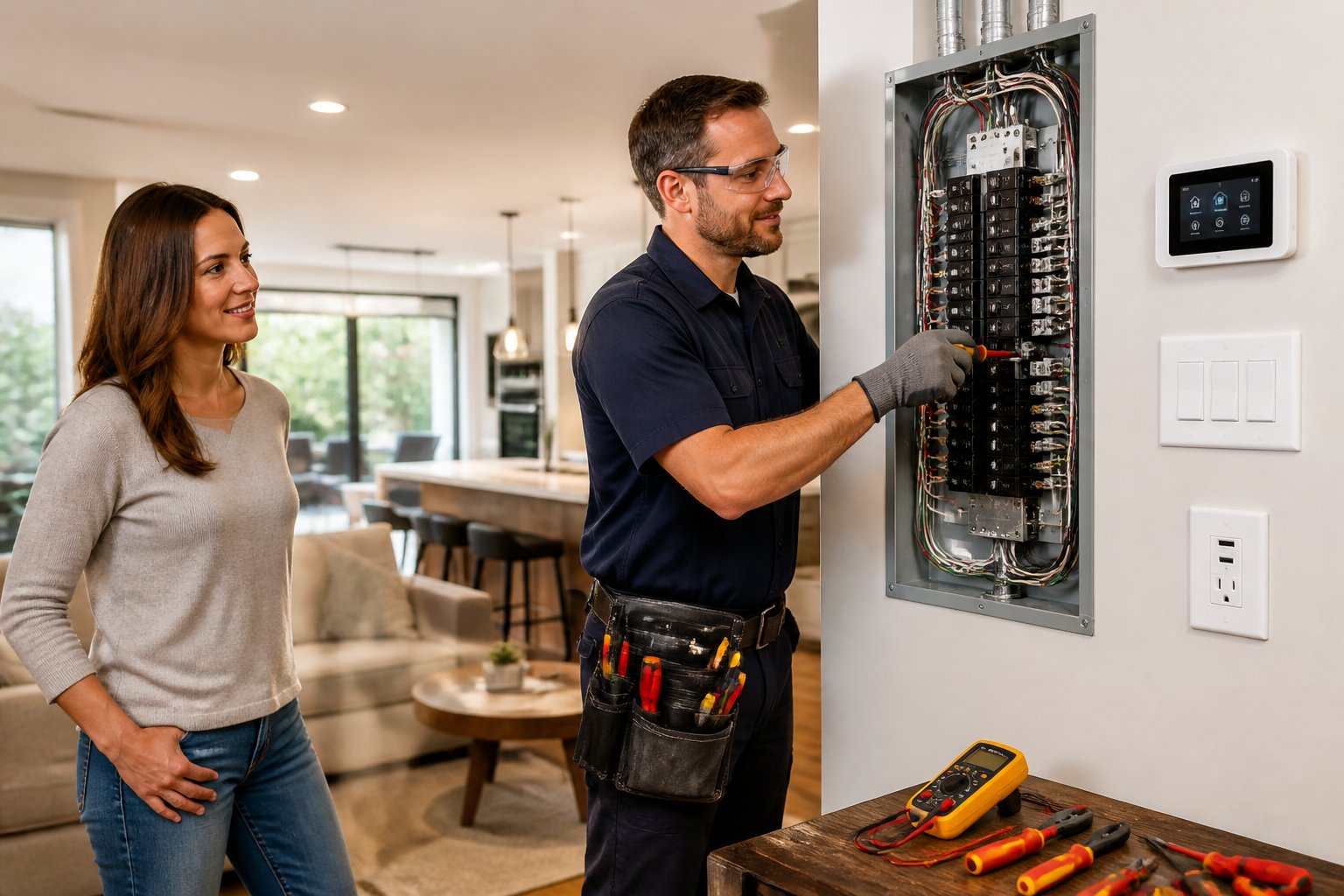
When extreme heat settles over Sacramento and nearby communities, your electrical system has to work overtime just to keep up. Air conditioners run longer, panels carry more load, and wiring, outlets, and appliances all feel the strain. For homeowners, that can mean higher bills, flickering lights, tripped breakers, and more safety risk if the system is already near its limit.
So, what actually causes electrical systems to struggle during extreme heat? It’s a mix of higher demand, hotter operating conditions, and extra wear on components that are already working near capacity. Heat doesn’t just make your home uncomfortable; it can mess with performance inside panels, wires, and appliances while putting extra pressure on the neighborhood grid.
If you live in Sacramento, Roseville, Elk Grove, Folsom, or another nearby area, this stuff matters even more during those endless heat waves. A licensed electrician can spot capacity issues early, recommend honest fixes, and help you protect your home with safer, more reliable electrical service.
Key Takeaways
- Heat raises demand and reduces electrical performance.
- Loose, aging, or overloaded parts fail faster in summer.
- Early inspections can prevent bigger safety problems.
Why Summer Demand Pushes Home Systems Harder
During heat waves, your home uses more electricity at the same time the system is under more stress from rising temperatures. That extra load exposes weak spots in panels, circuits, and older wiring.
Homes in the Sacramento region usually see the biggest strain in the hottest part of the day, when cooling demand and everyday use overlap.
Air Conditioning And Cooling Loads Rise Fast
Air conditioning is one of the largest electrical loads in your home, and it can run for long stretches during extreme heat. Fans, portable coolers, refrigerators, and dehumidifiers add even more demand.
When several high-wattage appliances run together, overloaded circuits become more likely. That’s when breakers might trip or lights start to dim.
Peak Usage Hours Put More Stress On Panels And Circuits
The afternoon and early evening are usually the toughest hours for your electrical system. You might be running AC, cooking, laundry, and electronics all at once.
That combo can push panels and branch circuits close to their limits. If your system’s already aging, those peak hours can reveal problems fast.
Older Homes Reach Capacity Sooner
Older homes in places like Carmichael, Natomas, Fair Oaks, and Auburn often have electrical systems that just weren’t built for today’s cooling needs. Smaller panels, fewer dedicated circuits, and older wiring make it easier to hit capacity.
In those homes, summer demand can reveal the need for panel upgrades, circuit changes, or safer outlet and switch improvements.
How Heat Reduces Electrical Performance
High temperatures change the way electricity moves through your home. Even if your system seems to be working, heat can make it less efficient and less forgiving.
Higher Temperatures Increase Resistance
As temperatures go up, electrical resistance increases in wires and components. More energy gets lost as heat, lowering efficiency and putting extra stress on the system.
When resistance climbs, parts run hotter and work harder to deliver the same power. That’s why summer problems often show up first in overloaded circuits or older connections.
Breakers Trip Sooner In Hot Conditions
Circuit breakers protect your home, and heat can make them more sensitive to sustained load. A breaker that’s already warm might trip faster when the circuit’s carrying heavy demand.
That doesn’t always mean the breaker is bad. Sometimes, the circuit’s just near capacity and needs a better load balance or a permanent upgrade.
Electronics And Appliances Run Hotter
Your appliances and electronics already create heat as they run, and extreme heat makes cooling tougher. TVs, computers, gaming systems, chargers, and kitchen appliances can all get less stable when room temperatures stay high.
You might notice devices shutting down, running slowly, or failing earlier than you’d expect. That’s a sign your home needs better airflow, smarter load management, or a closer look from a licensed electrician.
What Heat Does To Wiring, Panels, And Connections
Heat doesn’t just affect what you plug in—it also impacts the wiring and hardware inside your walls and panel. Over time, those temperature swings can shorten the life of key parts.
Routine electrical maintenance matters more in hot weather because small issues can turn into bigger failures faster.
Thermal Expansion Can Loosen Connections
When materials heat up, they expand. As they cool, they contract. That repeated movement loosens screws, terminals, and other connections over time.
Loose connections raise resistance, which creates even more heat. That cycle often leads to dimming, buzzing, or failure at outlets, switches, breakers, or the main panel.
Insulation And Components Age Faster In High Heat
Wiring insulation, breaker parts, and panel components all wear faster when exposed to repeated heat. Materials can get brittle or less effective, especially in older systems.
That’s one reason preventive service and inspections are so valuable. A licensed electrician can spot early wear before it turns into a safety problem.
Humidity And Corrosion Add More Risk
Heat often brings humidity, even in inland areas during some summer stretches. Moisture speeds up corrosion at connections, terminals, and outdoor equipment.
Corrosion makes electrical flow less reliable and increases the chance of hot spots. Clean, respectful technicians can inspect those areas, tighten connections, and recommend repairs that boost long-term reliability.
How Grid Stress Can Show Up Inside Your Home
When the neighborhood grid gets strained by heat waves, your home might feel the effects even if the problem starts outside. Voltage quality can shift, and sensitive equipment often reacts first.
Surge protectors and whole-home protection help, but they can’t fix every utility-side problem.
Voltage Drops Can Cause Flickering Lights
If demand is high nearby, voltage can dip for short periods. You might notice flickering lights, slow fan speeds, or appliances that sound strained.
That’s often more common during evening peaks in hot weather. If it keeps happening, your home may need troubleshooting to rule out wiring, panel, or service issues.
Power Surges After Outages Or Restoration
When power comes back after an outage, the sudden return of electricity can create a surge. That burst may damage electronics, routers, or appliance controls.
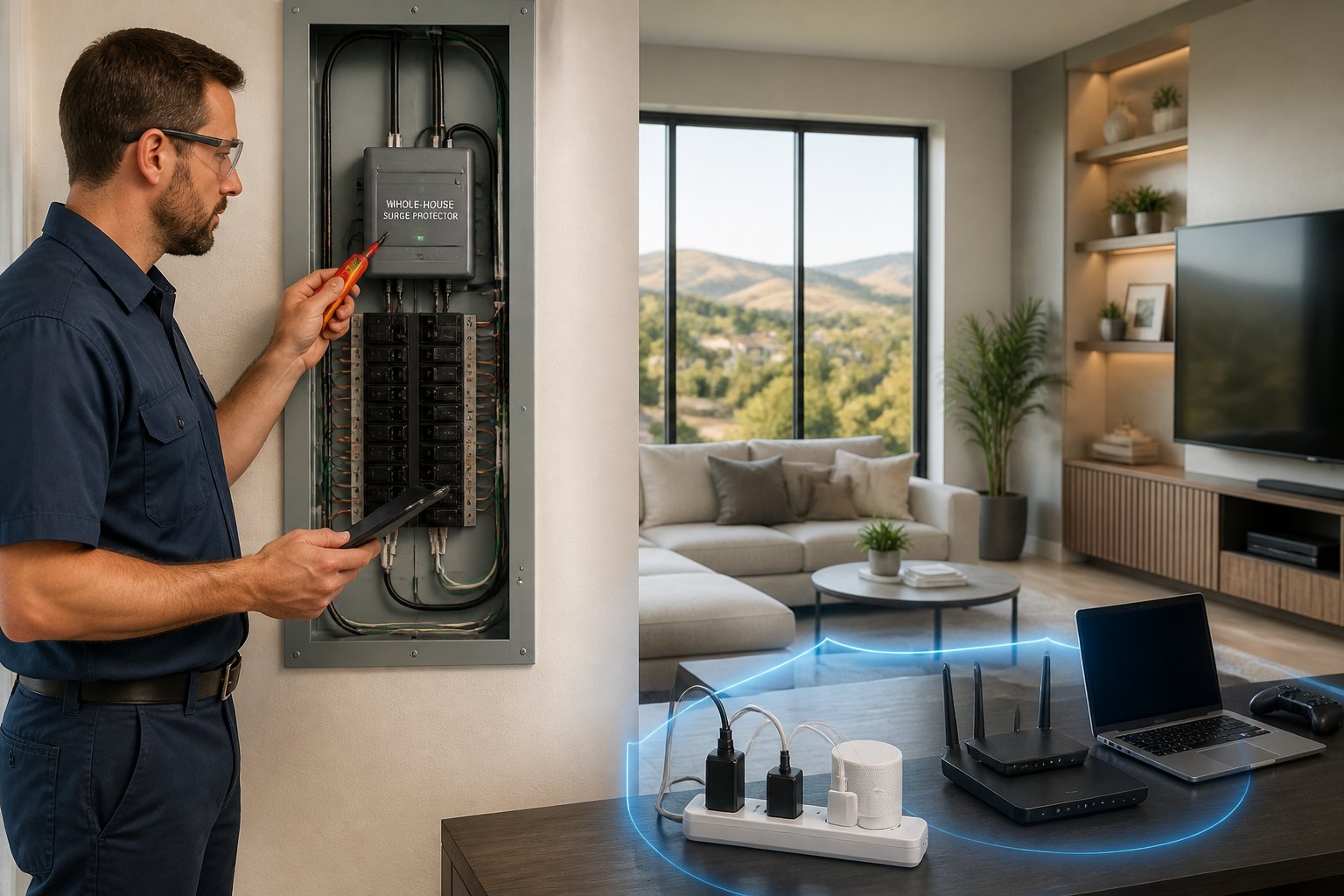
Whole-home surge protectors offer better protection than small plug-in strips alone. For homes in Sacramento, Roseville, and Rancho Cordova, that’s a smart layer of defense during stormy or heat-stressed seasons.
When Neighborhood Demand Affects Sensitive Equipment
Sensitive equipment like computers, home office gear, smart thermostats, and entertainment systems can react to unstable power. Even minor fluctuations may cause resets, glitches, or shutdowns.
If that happens often, maybe it’s time to review your panel, circuits, and surge protection setup. AAA Electrical Services can help you make practical upgrades without overselling you on things you don’t need.
Warning Signs Homeowners Should Not Ignore
Some summer electrical problems start small and quietly. If you spot the early signs, you can often avoid bigger repairs and cut fire risk.
Electrical safety should always come first when something smells wrong, feels hot, or keeps tripping for no clear reason.
Frequently Tripped Breakers
A breaker that trips once during a heavy-use day might just be doing its job. A breaker that trips often needs attention.
Repeated trips usually point to overloaded circuits, weak breakers, or a load that’s too large for the existing wiring. That’s a sign you should schedule service instead of just resetting it again and hoping for the best.
Warm Outlets, Buzzing, Or Burning Smells
Outlets and switches shouldn’t feel hot, and they should never make buzzing or sizzling sounds. A burning smell near electrical devices is a serious warning sign.
If you notice any of these, stop using the circuit and call for help right away. Fast repairs from a licensed and certified electrician can prevent bigger damage.
Appliances That Struggle Or Shut Down
When appliances run slowly, shut off, or restart on their own during hot weather, the problem might be power-related. It could be a weak circuit, poor connection, or a panel that’s too heavily loaded.
These symptoms often show up before a bigger failure. A same-day inspection can help you find the source before it becomes a safety issue.
Practical Ways To Reduce Risk During Hot Weather
A few smart habits can reduce stress on your electrical system during extreme heat. You don’t need to overhaul everything at once—small changes can still make a real difference.
The goal is safer operation now, plus long-term reliability for future summers.
Spread Out High-Wattage Appliance Use
Try not to run the oven, dryer, dishwasher, and portable cooling equipment all at once. Staggering those loads keeps circuits from reaching overload.
If certain rooms or appliances keep causing trouble, you might need dedicated circuits or outlet upgrades. That’s a common fix when homeowners want safer capacity without constant breaker trips.
Schedule Inspections And Preventive Service
Routine electrical maintenance can catch loose connections, worn breakers, heat damage, and panel issues before they escalate. It’s especially useful before peak summer demand settles in.
A trusted local electrician with fully stocked service vehicles can often complete common repairs faster on the first visit. That means less waiting, clearer answers, and more peace of mind for your family.
Plan Smart Upgrades For Long-Term Reliability
If your home is growing with EV charging, solar, a generator, or new appliances, your electrical system may need more capacity. Panel upgrades, surge protection, and better circuit planning help your home stay ready for the future.
Transparent flat-rate pricing and honest recommendations make those decisions easier. In many Sacramento-area homes, the right upgrade now can prevent repeated summer headaches later.
Frequently Asked Questions
Why do power grids sometimes experience outages during heat waves?
Heat waves drive up electricity demand, especially from air conditioning, while power equipment is under thermal stress. When the system can’t keep up with peak demand, outages or rolling disruptions can happen.
How does high temperature reduce the efficiency of power lines and transformers?
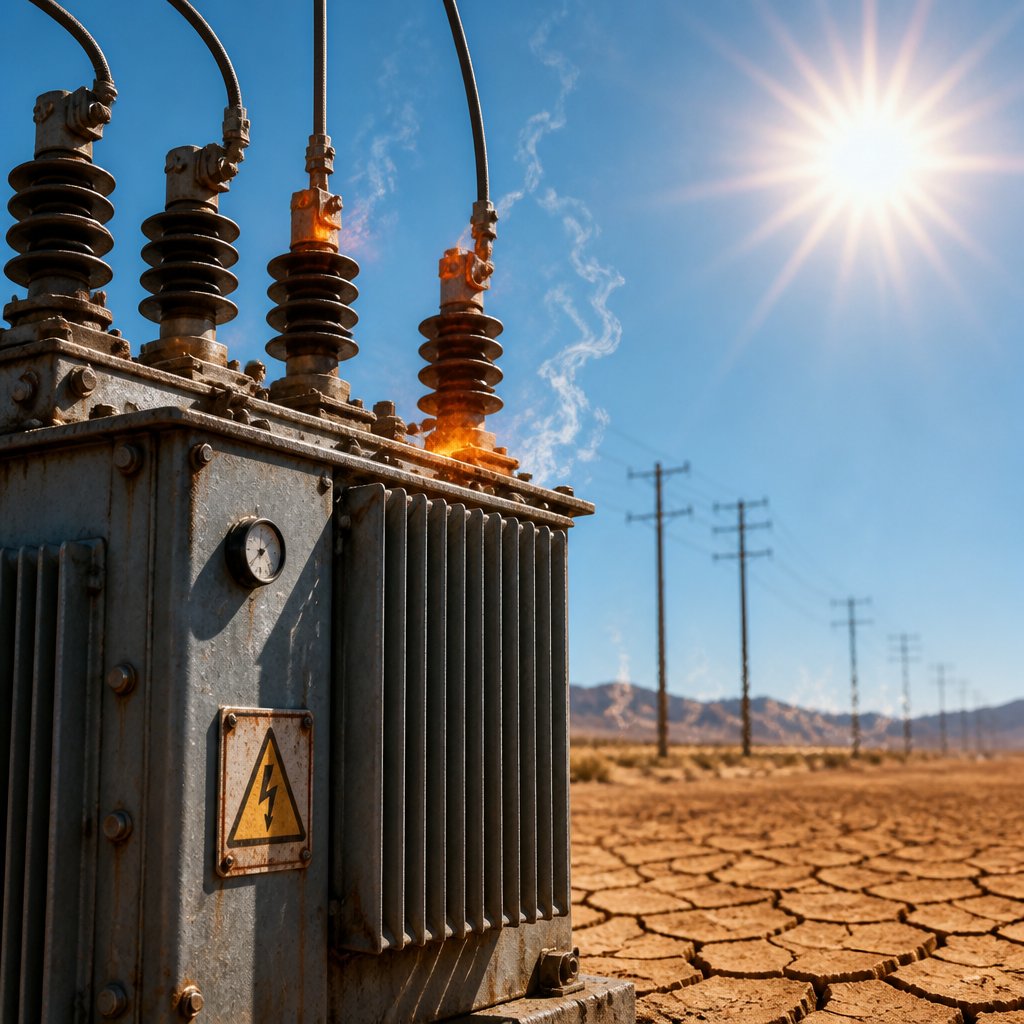
High heat increases electrical resistance and makes it harder for equipment to shed heat. That lowers efficiency, raises operating temperatures, and bumps up the risk of failures in lines and transformers.
Why can electronics and appliances shut down or malfunction when they get too hot?
Many devices have built-in protection that shuts them down when internal temperatures climb too high. Others just perform poorly because heat affects cooling, power stability, and sensitive components.
What are the most common reasons electrical equipment overheats in summer?
Common causes include overloaded circuits, loose connections, poor ventilation, aging parts, and heavy use from cooling equipment. High outdoor temperatures make each of those problems worse.
How does extreme heat increase household electricity use and raise bills?
You usually run air conditioning longer and more often during hot weather, and fans, refrigerators, and dehumidifiers may work harder too. That added runtime increases total energy use and can raise your monthly bill.
What warning signs suggest an electrical panel or wiring is overheating in hot weather?
You might spot trouble if breakers keep tripping, outlets feel warm, lights flicker, or you catch a faint buzzing or burning smell. If any of that rings a bell, it’s probably best to stop using that circuit and get an electrician out sooner rather than later.