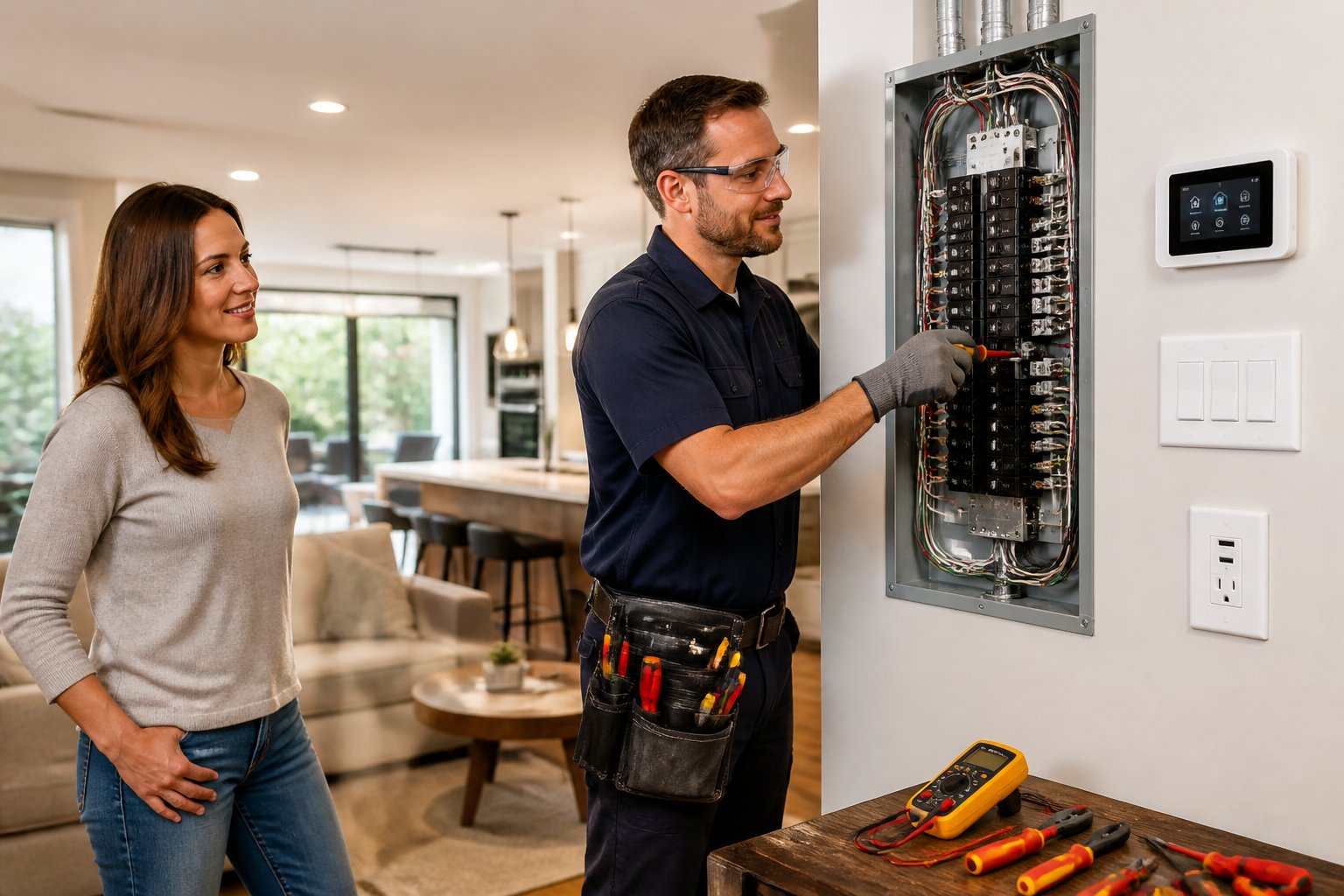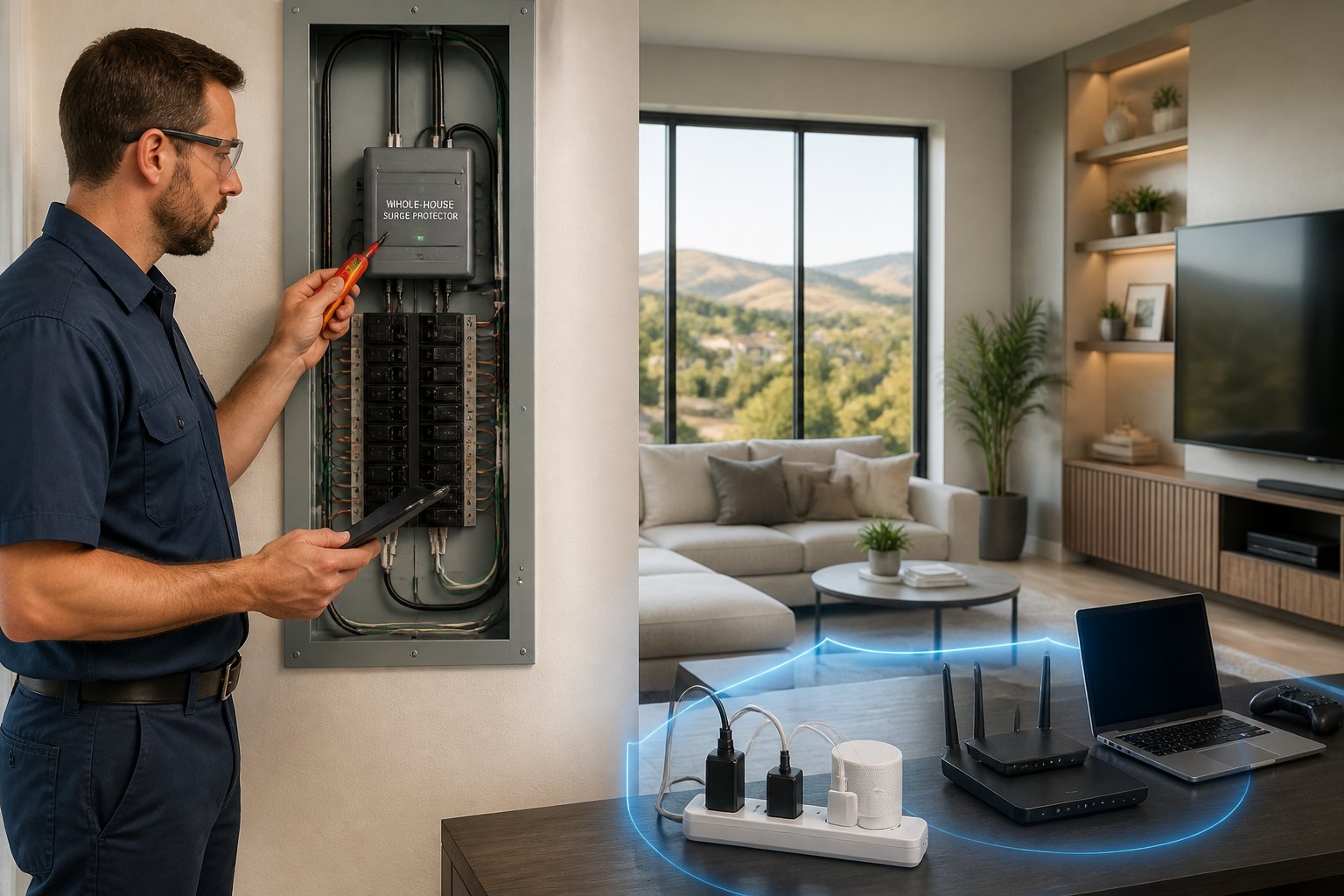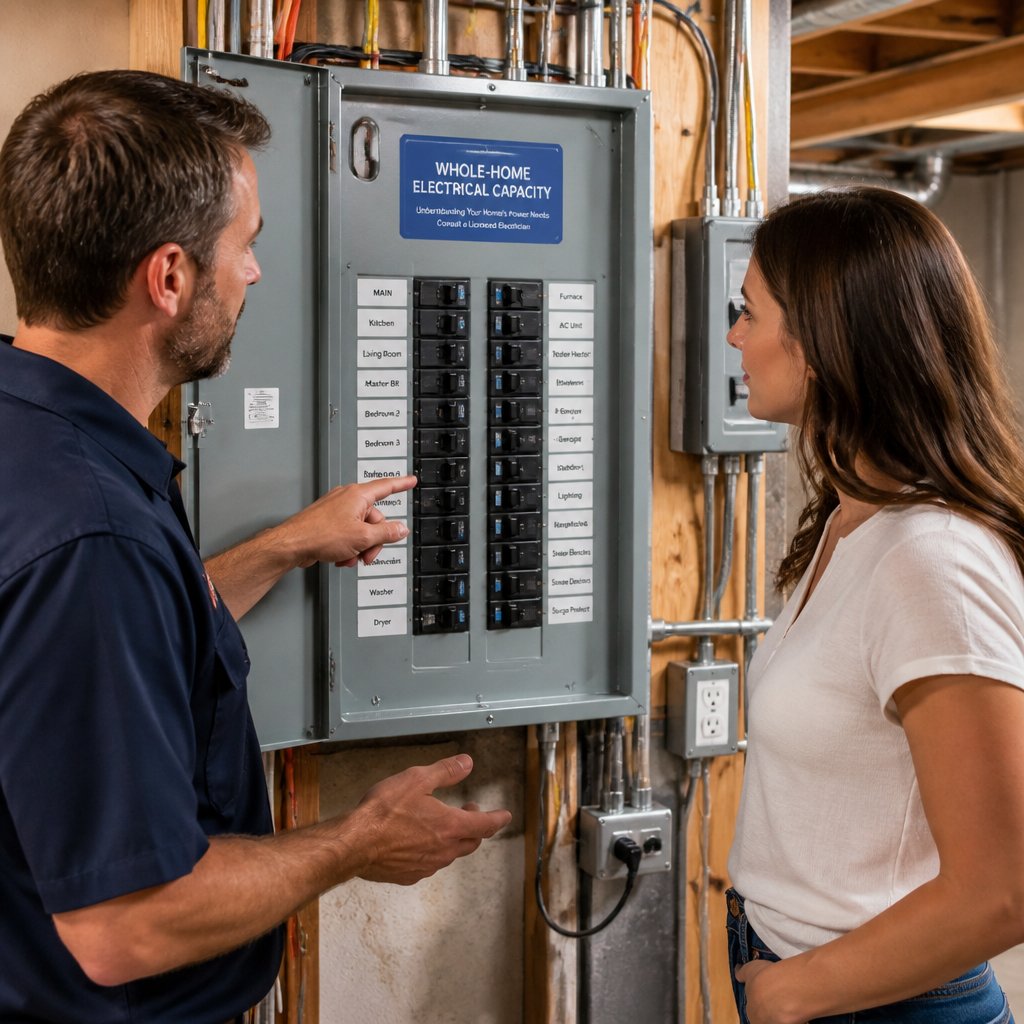
Most people don’t give much thought to their home’s electrical capacity until something goes wrong—a breaker trips, a new appliance won’t start, or a remodel pushes the system a bit too far. Honestly, your house might seem “fine” most days but still run close to its limit, especially if you’ve added an EV charger, heat pump, spa, or just more kitchen gadgets than anyone in the 1970s could’ve imagined.
Here’s the main thing: your home’s electrical service needs to match how you actually live today, not just the way things were wired when the house was built. If your electrical load grows faster than your service capacity, you’ll start to see nuisance trips, overheating, and bigger safety concerns that really should get a licensed electrician involved.
In Sacramento and nearby spots like Carmichael, Fair Oaks, and Roseville, folks in both older and newer homes are running into this issue. A quick look at your electrical panel, service panel, and overall demand can tell you if you’re still in the safe zone or if you’re due for a panel upgrade.
Key Takeaways
- Your electrical capacity should actually fit your lifestyle.
- Breaker size, load, and code rules all play a part.
- A pro can spot unsafe overloads before they become headaches.
How To Tell If Your Home Has Enough Electrical Capacity
Your home’s electrical load is just the total power your house asks for at once. Service capacity is how much your system can safely supply, and panel capacity is what your panel and main breaker can carry.
What Electrical Capacity Means In A Home
Capacity gets measured in amps. Your service panel will have a rating—often 100 or 200 amps—that sets the upper limit. What you need depends on your home’s size, what you run, and whatever you might add in the future.
The Difference Between Load And Capacity
The load is the sum of demands from lights, outlets, appliances, HVAC—basically anything plugged in or hardwired. Capacity is just the system’s limit. You’re in good shape when demand stays well below that limit.
As your home’s load creeps up, the gap between demand and supply shrinks. That’s when you might need a panel upgrade, load management, or just a closer look at your service panel.
How To Check Your Main Breaker Rating
Pop open your electrical panel and look for the number on your main breaker—100, 150, 200 amps, whatever it says. That gives you a quick estimate of panel capacity, though it’s not a substitute for a full load calculation.
If you’ve got a 100-amp main breaker and you’re running central air, an electric water heater, or planning to add an EV charger, you might be pushing things. An electrician can check if your amps and service capacity still match your real-world usage.
The Numbers That Matter: VA, Watts, Volts, And Amps
Electrical numbers can look intimidating, but once you know what’s what, it’s not so bad. Electricians use VA (volt-amperes) because it shows the apparent power a home or device draws, which is handy for sizing and planning.
Why Electricians Use VA And Volt-Amperes
Volt-amperes (VA) are just another way to measure demand. It’s a practical way to compare appliances, especially when you’re figuring out if your service panel can handle added equipment.
120 Volt Vs 240 Volt Loads
Most household circuits run on 120 volts—lights, outlets, small stuff. Bigger equipment like air conditioners, electric water heaters, ranges, dryers, and some EV chargers need 240 volts.
A 240-volt load usually draws fewer amps for the same power as a 120-volt load. That matters when you’re looking at breaker space and overall service capacity. Two appliances with similar wattage can affect your panel differently.
Converting Appliance Ratings Into Usable Numbers
Appliance labels might list watts, volts, or amps. Those numbers help you estimate how much each device adds to your total demand. If you know watts, you can convert that to VA or amps to get a rough idea of circuit impact.
A high-watt dishwasher or electric water heater adds more load than a small countertop gadget. A proper load calculation puts all these ratings together to show what your home’s really using.
What Goes Into A Whole-Home Load Calculation
A whole-home load calculation looks at your house’s basics and the stuff you use day-to-day. The goal? Compare connected load, demand load, and demand factor in line with the national electrical code, or NEC.
General Lighting, Small Appliance, And Laundry Requirements
General lighting includes all the lights and standard outlets. Small appliance circuits and the laundry circuit count too, since they cover everyday use in kitchens, utility areas, and laundry rooms.
These baseline loads might seem small, but they make up a big chunk of any load calculation—especially in older homes that were wired for a simpler time.
Fixed Appliances And Dedicated Circuits
The calculation also includes fixed appliances—fridge, dishwasher, electric water heater, and so on. These can stack up fast, especially if they run at the same time as your other loads.
If you’ve got a gas furnace, your draw might be lower than if you have electric heat. But once you’re running a furnace, AC, or several big appliances, a load review gets pretty important.
Heating And Cooling Loads
Heating and cooling are usually the biggest factors in service sizing. AC can spike summer demand, while electric heat can push your system to the edge in winter.
The NEC’s calculation methods try to reflect real use, not just the sum of every nameplate. That’s why demand load and connected load aren’t the same, and why guessing isn’t a great idea.
When A 100-Amp Panel Stops Being Enough
A 100-amp system can be fine for a smaller home with light electrical needs, but modern homes usually want more. Add bigger appliances, comfort equipment, or plan future upgrades, and you can run short on capacity.
Signs Your Panel Is Near Its Limit
If you’re seeing frequent breaker trips, flickering lights, warm breaker handles, or you have to unplug something just to use another device, those are red flags. If your panel feels crowded or the main breaker trips during normal use, you’re probably close to the limit.
A strained panel can turn into a safety issue if you add AC, an electric water heater, or a workshop circuit. In Sacramento, Elk Grove, and Citrus Heights, that’s a common reason people call for same-day troubleshooting and inspections.
Why 200-Amp Service Is Common In Modern Homes
A 200-amp service gives you more room for daily use and upgrades. It’s become common since modern homes run more electronics, bigger HVAC, and more dedicated circuits than older houses.
That extra capacity supports reliability, especially if you’re planning an EV charger, solar, or a generator. It also lets your panel and main breaker handle real-world demand without always running at the edge.
Projects That Often Trigger A Panel Upgrade
Panel upgrades often come up when you add central air, an electric water heater, induction range, or EV charger. Home additions, garage workshops, hot tubs, and solar battery systems can also push your panel over the limit.
If your panel is old, overloaded, or just worn out, you might need more than just new circuits. An electrician can tell you if you need a service upgrade, panel replacement, or just a smarter load plan.
Why Code Rules And Demand Factors Matter
Electrical code isn’t just red tape—it’s what keeps your home safe and sized right. The national electrical code (NEC) uses demand factor rules so your load calculation reflects how you actually use power, not just a worst-case scenario.
How NEC Methods Differ From Adding Everything Up
If you just add up every appliance’s nameplate, you’ll probably overstate your load. The NEC knows not everything runs full blast at once, so it uses more realistic methods.
A good load calculation helps you size your service safely—not too big, not too small. The goal is a reliable answer that fits your house, not just a bigger number.
Connected Load Vs Demand Load In Plain English
Connected load is everything that could run if you turned everything on at once. Demand load is what you’re expected to actually need under normal conditions, after applying code-based reductions.
That’s why a house can have a big connected load but not need a huge service. A proper calculation looks at real-life use—that’s why it’s the standard for panel sizing and service planning.
Where The 80% Rule Fits In
The 80% rule is simple: continuous loads should stay below 80% of the breaker’s rating. For homeowners, that means you want some breathing room—not a panel that’s always maxed out.
Sometimes a panel that looks “big enough” on paper just isn’t right for your needs. A careful load calculation shows whether your system has enough margin for normal use, surges, and future upgrades.
When To Call A Licensed Electrician For A Professional Assessment
Some jobs are straightforward, but others need a pro’s eye before you dive in. If your home’s electrical safety is on the line, get a licensed electrician to look at your service panel, panel condition, and total load first.
Upgrades That Deserve A Formal Evaluation
Call for a professional review before installing an EV charger, adding a generator, switching to electric heat, or upgrading major kitchen appliances. Same goes for solar, home additions, workshops, or panel upgrades.
In the Sacramento area, folks often call AAA Electrical Services for same-day service when projects need quick answers. A fast review can help you avoid costly mistakes and delays.
Why Nameplate Ratings And Panel Conditions Both Matter
Appliance ratings only tell part of the story. The panel’s physical condition, age, breaker layout, and any signs of heat or corrosion matter just as much for safety and reliability.
A panel might look okay on paper but still need work because of wear or poor installation. That’s why good electricians check both the numbers and the hardware.
What Homeowners Can Expect From A Safe Service Review
A safe service review should be clear, respectful, and practical. You should get honest feedback, a look at your current load, and a straightforward explanation of whether you need repairs, an upgrade, or just some maintenance.
A solid visit leaves you with clear recommendations and a plan for long-term peace of mind. For homeowners in Roseville, Folsom, Natomas, Rancho Cordova, and nearby, that kind of help can make a stressful issue feel a lot more manageable.
Frequently Asked Questions
How do I figure out whether my home has 100-amp or 200-amp electrical service?
Check your main breaker inside the panel—the amperage is usually marked right on the handle. If it’s not clear, an electrician can confirm it quickly and safely.
What size electrical panel should I choose for my home based on my appliances and future upgrades?
Pick a panel that fits your current load and what you’re planning to add. If you want EV charging, electric cooking, solar, or a bigger HVAC, a 200-amp service is often the smarter long-term choice.
Is 100-amp service enough for a typical 1,500-square-foot home?
It can work for a smaller home with modest use and gas appliances. But once you add central air, an electric water heater, or several upgrades, 100 amps can start to feel pretty tight.
How many amps do most 2,000-square-foot homes usually need?
A lot of 2,000-square-foot homes work best with 200 amp service, especially if you’ve got electric appliances or want to leave room for upgrades down the road. Still, the real answer comes down to your actual electrical load, not just the size of your house.
What are the common signs that my electrical panel is overloaded or running out of capacity?
You might notice breakers tripping all the time, lights flickering, breakers that feel warm, or even odd buzzing noises. If you find yourself juggling which appliances can run together, or your panel’s packed and you keep adding new stuff, it’s probably time to call in a pro to check things out.
What size electrical panel is typically needed for a garage or workshop with power tools and EV charging?
If you’re setting up a garage or workshop with big tools, special outlets, and a spot to charge your EV, you’ll probably need more than just a tiny subpanel. It really comes down to how much power all your gear will draw, what your main service can handle, and making sure you’re not pushing your home’s system past its limits.