Older homes can hide electrical trouble you might not notice until lights start flickering, outlets feel warm, or breakers keep tripping. If you’re trying to figure out how to identify hidden wiring issues in older homes, the trick is to watch for small changes that hint at bigger problems—inside the walls, at the panel, or in those old outlets.
Old house wiring ages just like the rest of the place. Hidden wiring problems usually show up as little annoyances long before they turn into serious hazards. Take a close look at outlets, breaker behavior, grounding, and the wiring type. That’ll help you decide if you need repairs, upgrades, or it’s time to call in a licensed electrician.
Key Takeaways
- Small electrical changes might mean bigger safety risks.
- Old wiring types need extra attention and testing.
- A professional inspection can catch hidden damage early.
Warning Signs You Should Not Ignore
Some warning signs are easy to shrug off, but they often point to faulty wiring or an aging electrical system that needs attention. If you notice changes that keep happening or get worse, don’t brush them aside.
Flickering Lights And Voltage Changes
Flickering lights? It’s not always just a loose bulb. Sometimes, it means voltage is jumping around, connections are loose, or circuits are overloaded. If your lights dim when you run a big appliance, your system might be telling you it’s maxed out.
Warm, Discolored, Or Buzzing Outlets
If an outlet feels warm, looks discolored, or buzzes, that’s a red flag. Heat means resistance, and resistance can turn into a real hazard if something’s failing. Stop using that outlet and get it checked out.
Breaker Trips, Blown Fuses, And Overloaded Circuits
When breakers trip or fuses blow over and over, it usually means the circuit’s overloaded or there’s a wiring problem. In older homes, it’s common for too many devices to share too little capacity, which strains the wiring. If this keeps happening, it’s time for an inspection.
Older Wiring Types That Often Cause Trouble
Certain wiring materials and methods were popular decades ago, but now they’re just outdated. If your home still runs on an old electrical system, knowing what you’ve got helps you figure out the risks and your next move.
How To Spot Knob-And-Tube Wiring
Knob-and-tube wiring—sometimes just called K&T—shows up in houses built before modern standards. Look for ceramic knobs, tubes running through framing, and wires wrapped in cloth-like insulation. This stuff was designed for a different era, so don’t ignore it.
Why Aluminum Wiring Needs Attention
Aluminum wiring got used because it was cheap, but it expands and contracts with heat, which can loosen connections. That’s bad news at switches, outlets, and splices. If you have aluminum wiring, get a licensed electrician to check the connections and make sure devices are compatible.
Cloth-Insulated Wiring And Armored Cable Concerns
Cloth-insulated wiring dries out, cracks, and frays as it ages, sometimes leaving wires exposed. Armored cable isn’t always bad, but it can hide wear or grounding issues behind walls. If you see old, brittle insulation or armored cable, it’s worth a closer look.
Grounding And Outlet Clues In Older Homes
Outlet style tells you a lot about your home’s protection level. The difference between grounded outlets and old two-prong ones can show if your system still uses outdated practices.
Two-Prong And Ungrounded Receptacles
Two-prong outlets usually mean there’s no equipment ground. Sure, they work for basic stuff, but they don’t protect like grounded outlets do. If you’re using adapters for three-prong plugs, your circuit probably needs an upgrade.
Where GFCI Protection Is Missing
Kitchens, bathrooms, garages, laundry rooms, and outdoor spaces should have GFCI outlets to lower shock risk. If those are missing where they should be, your home’s missing a key safety feature. That’s even more important if you’ve got old wiring and damp areas.
When Grounded Outlets And Three-Prong Receptacles Matter
Three-prong outlets only help if the circuit is actually grounded—not just for show. Grounded outlets let you use modern devices safely and protect against surges. If your house still relies on ungrounded outlets, it’s probably time to think about upgrading.
What Hidden Problems An Inspection Can Reveal
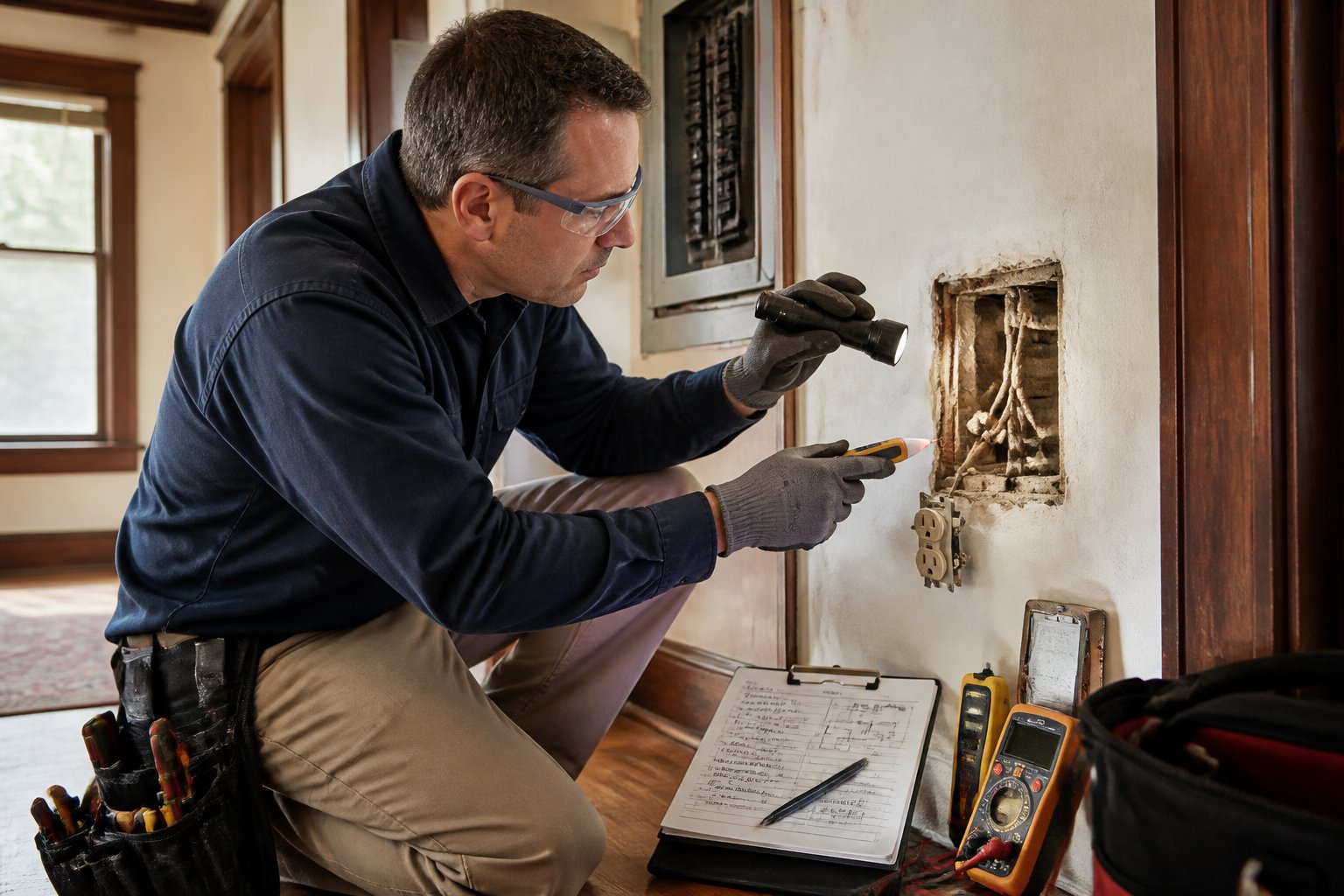
A good electrical inspection uncovers problems you can’t see—stuff buried in walls, attics, crawl spaces, or panels. Only someone with the right tools and experience will spot them.
Insulation Breakdown And Undersized Wiring
Inspections often reveal insulation that’s breaking down or wiring that’s just too small for modern demands. Worn insulation exposes wires, and undersized wiring can overheat when you plug in today’s appliances. These problems pop up a lot in older homes that have been remodeled or expanded.
Unsafe Splices And Past DIY Repairs
Inspections also turn up unsafe splices, crowded junction boxes, and DIY repairs that don’t meet code. Hidden connections can loosen or overheat without any obvious signs. A licensed electrician can track down these issues and tell you what needs fixing.
What A Professional Electrical Assessment Includes
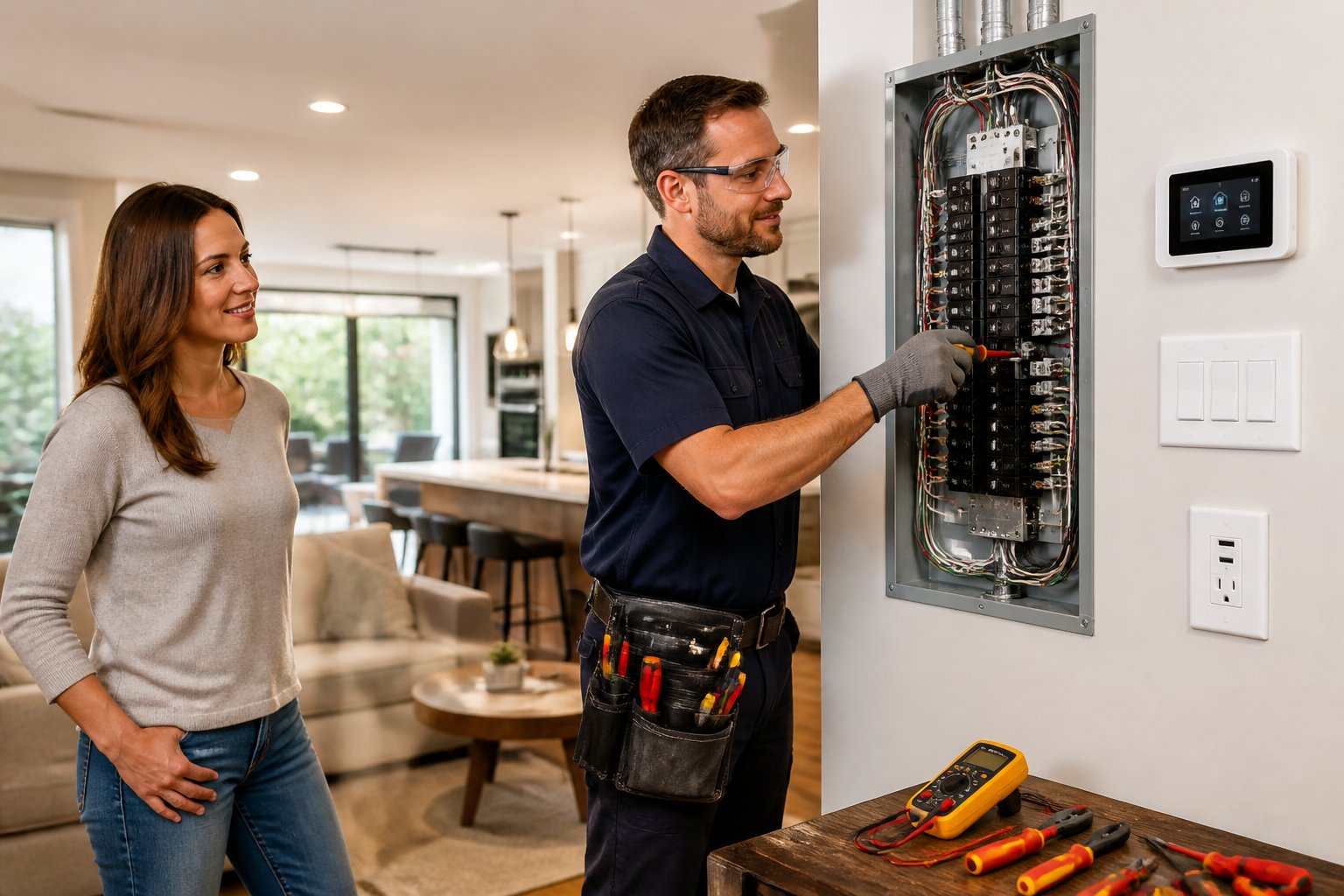
A pro will check outlets, switches, visible wiring, the panel, grounding, and look for signs of heat or damage. They’ll also flag outdated parts that may not handle your home’s needs. At AAA Electrical Services, they focus on safety and clear advice—no guessing.
When To Repair, Upgrade, Or Replace
The right fix depends on your system’s age, how bad the problem is, and how much you use your wiring. Some issues just need repairs, but others call for replacing old wiring or planning bigger upgrades.
Situations That Call For Electrical Repairs
If you’ve got a loose connection, a single bad outlet, or one breaker acting up, a focused repair might be enough. When the problem’s isolated and the rest checks out, a quick fix gets you back to normal. Fast service helps, especially if you want things running again the same day.
When Replacing Old Wiring Makes Sense
If you’re dealing with recurring heat, lots of worn-out wiring, or multiple bad circuits, replacing old wiring is often the safest move. If your home still uses wiring that can’t support modern appliances, rewiring is a smart investment for reliability and fewer headaches down the road.
Smart Electrical Upgrades For Modern Living
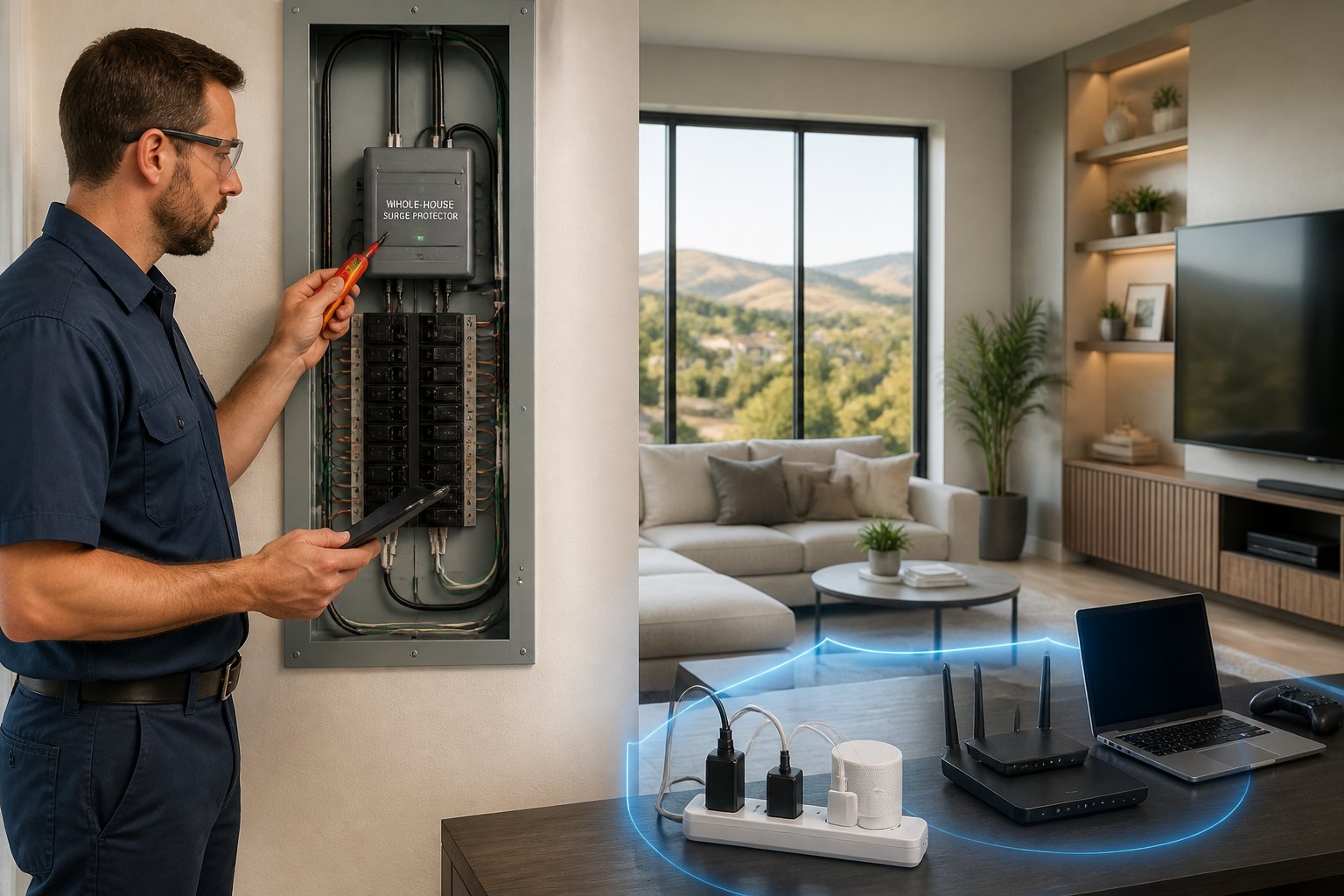
Upgrades like EV charger installation, surge protection, generator work, and new outlets or switches can make life easier and safer. These changes also help with energy efficiency and future-proofing—especially around Sacramento, Roseville, Rocklin, Elk Grove, and nearby towns, where old homes are getting modern updates. With good planning, you’ll get safer power and a little more peace of mind.
When To Call A Professional Right Away
Some signs mean real danger, not just routine maintenance. If you see heat, smoke, sparks, or things keep failing, don’t wait—call a licensed electrician.
Signs Of An Immediate Safety Risk
Burning smells, hot outlets, sparking, smoke, or breakers that won’t reset are serious. Old wiring can fail fast when insulation breaks down or a connection overheats. If you spot these, cut power to that area if you can do it safely, and call for help.
How Licensed Electricians Help Protect Your Home
Licensed electricians figure out what’s wrong, make safe repairs, and let you know if you need a repair, upgrade, or full replacement. They show up with stocked vehicles, so a lot of fixes can happen on the spot. Clean, respectful techs and honest advice make things a lot less stressful.
What Homeowners In Older Sacramento-Area Neighborhoods Should Expect
If you’re in Sacramento, Fair Oaks, Folsom, Carmichael, Natomas, Rancho Cordova, Citrus Heights, El Dorado Hills, Lincoln, Woodland, Auburn, or nearby, older homes mean more wiring surprises. A real inspection should give you answers, not a sales pitch. Expect honest talk, flat-rate prices, and a safety-first plan that fits your home.
Frequently Asked Questions
What are the most common signs that an older home has unsafe or deteriorating electrical wiring?
Flickering lights, warm or discolored outlets, frequent breaker trips, and buzzing sounds top the list. Burning smells, shocks from switches or appliances, and constant power loss also need fast attention.
How can I tell what type of wiring is in my house (knob-and-tube, cloth-insulated, aluminum, or modern cable)?
You can sometimes spot exposed wiring in the attic, basement, utility areas, or at the panel. Wall wiring’s tougher—you’ll probably need a pro to confirm. Knob-and-tube uses ceramic supports, cloth-insulated looks fabric-wrapped or brittle, aluminum is usually stamped or marked at the ends, and modern cable has a plastic sheath.
What do different wire colors in older homes typically mean, especially black, white, and red conductors?
Black is usually hot, white is typically neutral, and red is often another hot for switches, 240-volt circuits, or three-way setups. But color alone isn’t enough to trust in an old house—always test and trace before doing any work.
How can I safely locate and trace wires inside walls without opening them up?
You can try a non-contact voltage tester, a stud finder with wire detection, or circuit tracers, but these only give you hints. It’s safest to have a licensed electrician map out the circuit, especially if you suspect hidden wiring problems in an old system.
When should an older house be considered due for a full rewire rather than spot repairs?
A full rewire makes sense if problems keep popping up, the wiring type is obsolete, or repairs just don’t last. If you’ve got knob-and-tube, major insulation breakdown, aluminum wiring issues, or a system that can’t handle modern loads, replacing the wiring is probably the safer bet.
What factors most affect the cost of rewiring an older home, and what should be included in an estimate?
The price really depends on a bunch of things—how big the house is, how easy it is to get to the old wiring, how many circuits you need, the state of your electrical panel, and just how much of the walls and ceilings electricians can get to without too much hassle. If you want grounded outlets or GFCI protection, that'll bump things up too. When you’re looking at an estimate, make sure it clearly lists out labor, materials, any required permits, panel upgrades, device changes, cleanup, and repairs for any surprises hiding behind the walls.