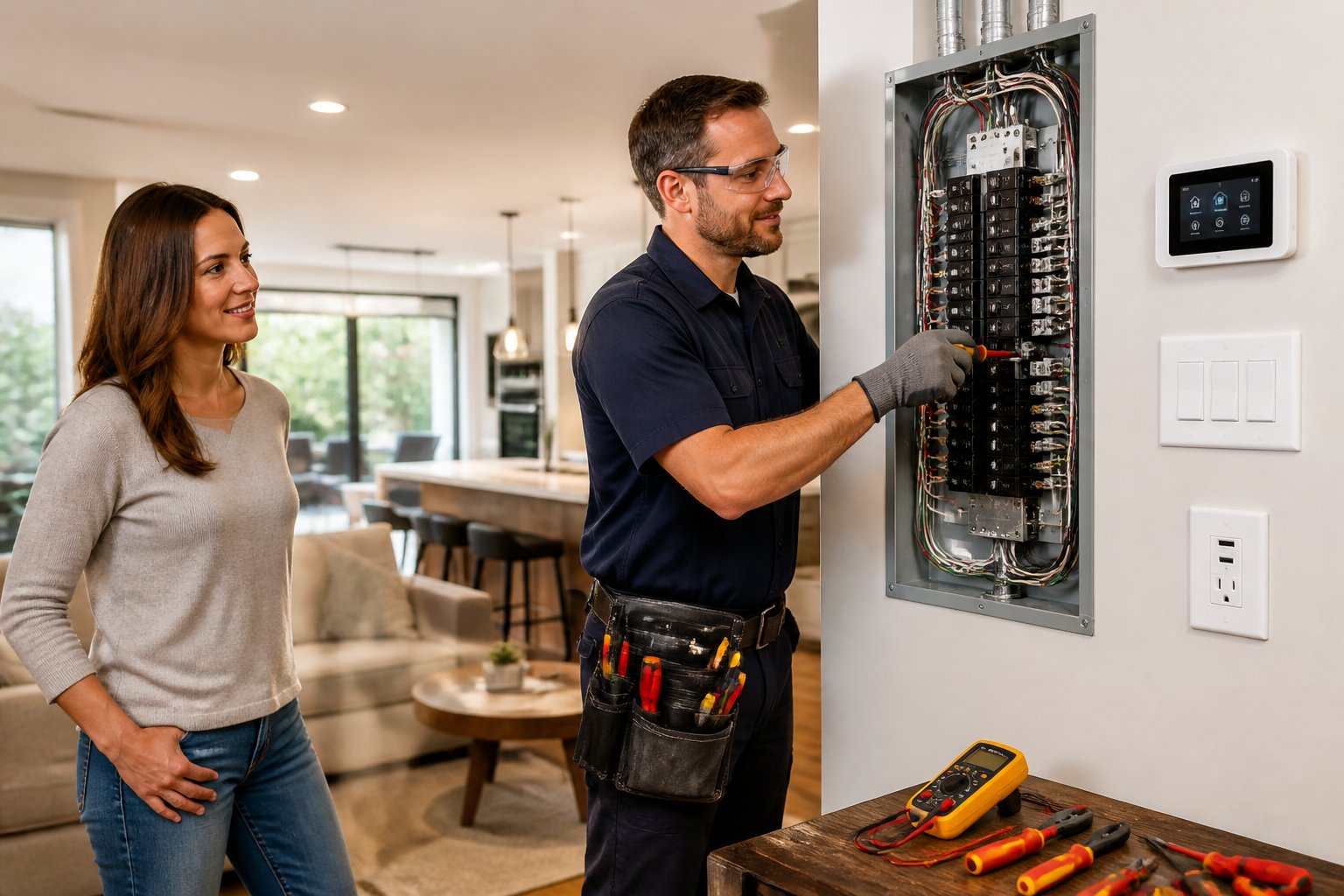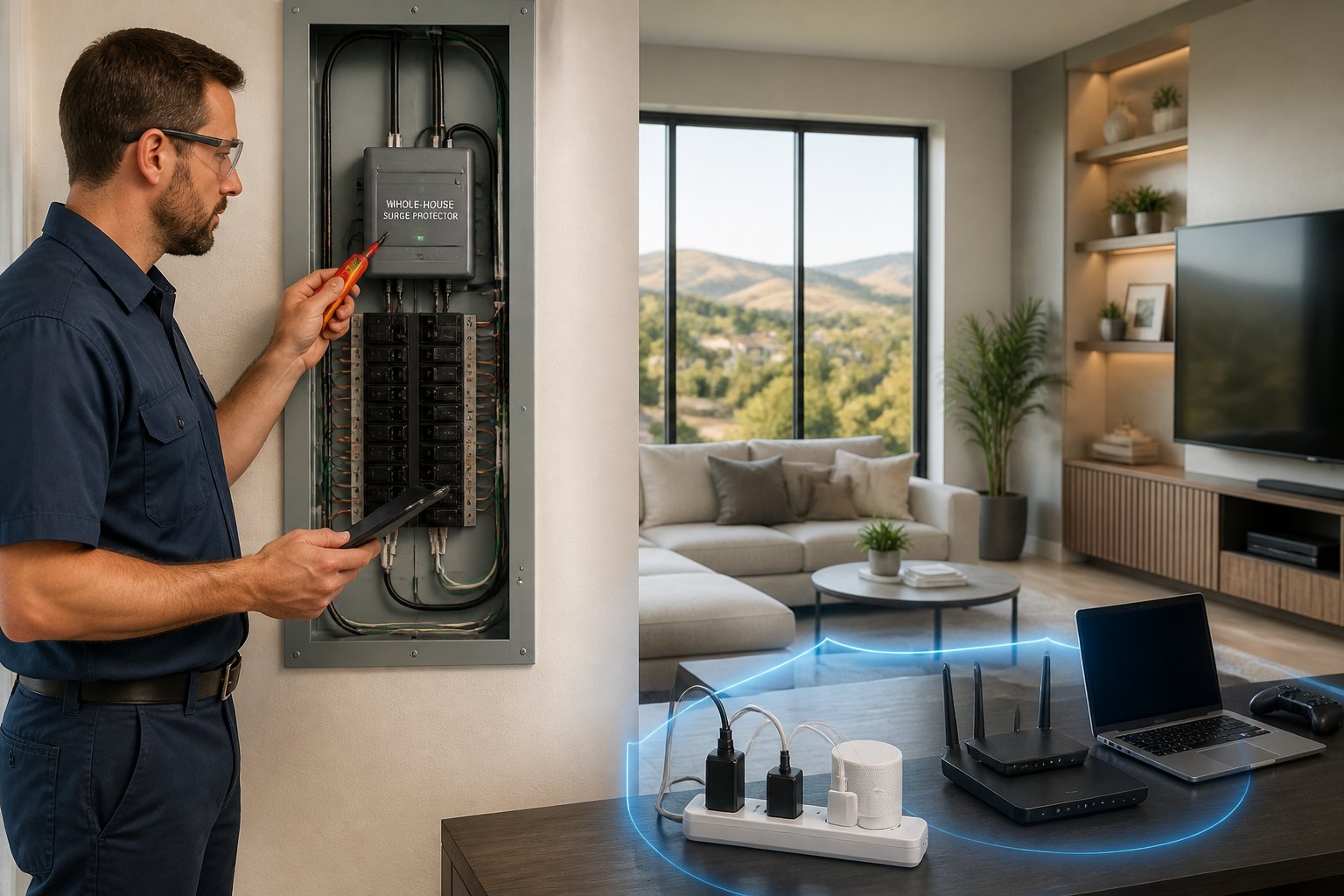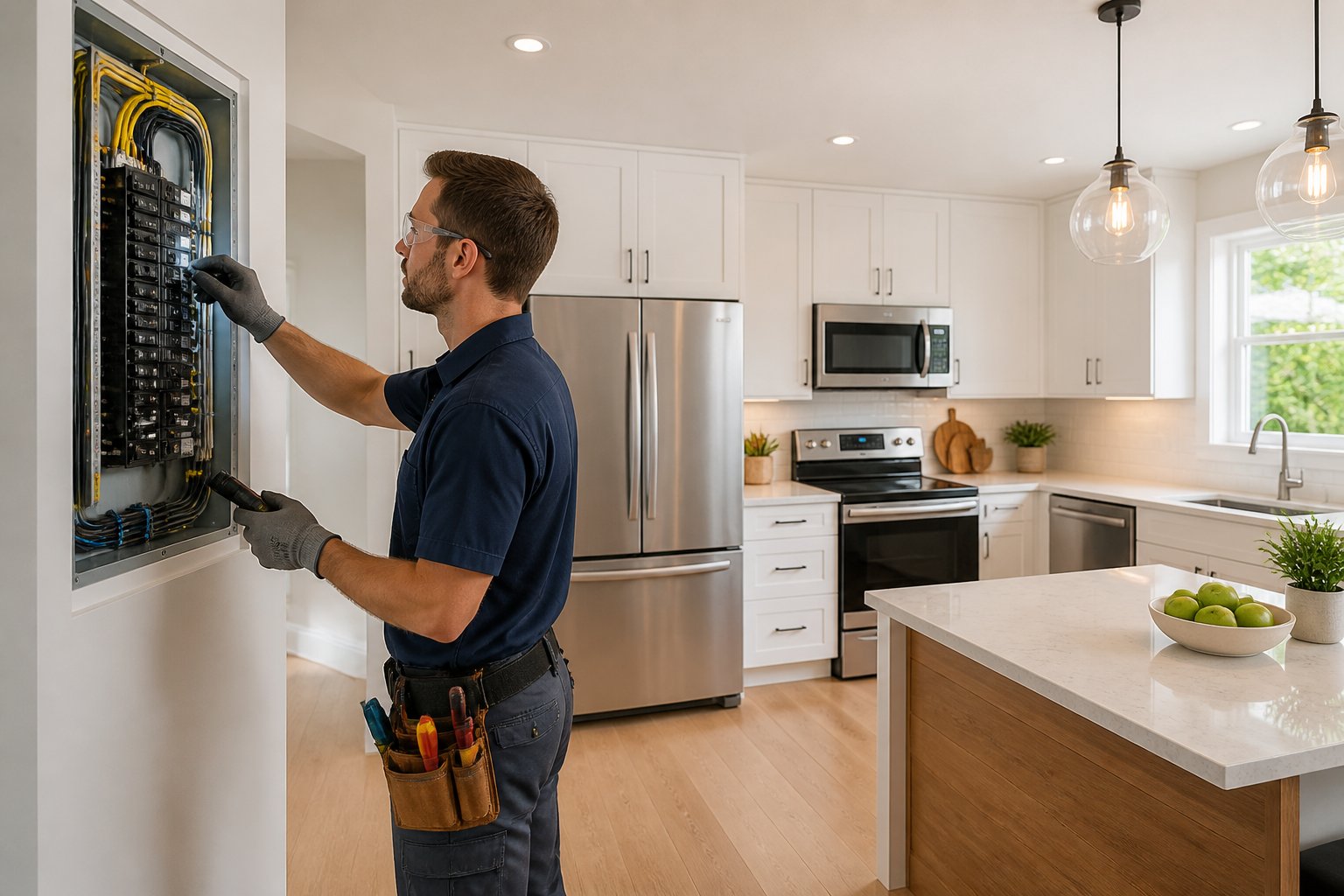
Kitchens are a bit of a power-hungry zone, aren’t they? Between the microwave, fridge, coffee maker, and whatever else you’ve got plugged in, it’s a lot for your wiring to handle. If you let all those gadgets share the same circuit, you’re just asking for trouble—think tripped breakers or worse, real safety issues. That’s why it just makes sense to give your kitchen appliances their own dedicated electrical circuits—keeps things safer and running smoother.
When each appliance gets its own circuit, it’s not fighting for power. That means fewer worries about overloads or electrical fires, and your stuff actually works like it should. At AAA Electrical Services, we’re all about practical, honest solutions—tailored for Sacramento families who just want things done right.
If your kitchen’s still running on old shared circuits, maybe it’s time for an upgrade. With same-day service, clear pricing, and vans stocked for quick fixes, AAA Electrical Services is ready to keep your home’s power steady and safe.
Understanding Dedicated Electrical Circuits
Dedicated electrical circuits are the unsung heroes of a safe, functional kitchen. They keep your appliances powered up without hiccups or drama. Understanding what these circuits do—and why they matter—can save you a headache down the road.
What Is a Dedicated Electrical Circuit?
A dedicated circuit is basically a single line running from your electrical panel straight to one appliance or outlet. No sharing, no splitting power—just one device getting all the juice it needs. This is huge in kitchens, where appliances can be real energy hogs.
With a dedicated circuit, you’re way less likely to deal with circuit breaker trips from too many things running at once. It also means less risk of wires overheating and starting a fire. Each dedicated line has its own breaker, so if something goes wrong, only that appliance is affected—not half the kitchen.
How Dedicated Circuits Function in Kitchens
In the kitchen, dedicated circuits handle the big stuff: fridges, microwaves, dishwashers, ovens. These appliances need a steady stream of power, and if they’re stuck sharing, things can get dicey fast—think power drops, flickering lights, or even fried electronics.
A dedicated line keeps the current flowing right where it needs to go. Your fridge can keep humming along 24/7, your oven won’t quit halfway through dinner, and your electrical system just feels more reliable. No drama, no interruptions.
Comparison With Shared Circuits
Shared circuits are fine for bedrooms or living rooms, but in a kitchen? Not so much. Too many appliances drawing from one line is a recipe for overloaded breakers and constant headaches.
With dedicated circuits, each high-powered appliance gets its own lane—no more fighting for electricity. Shared circuits can cause lights to flicker or power to drop when you’re running multiple gadgets. Dedicated lines sidestep all that by keeping loads separate.
AAA Electrical Services can help you sort out circuit breaker repairs or new installs in Sacramento and nearby spots. Their team gets your system up to code and running smooth, with honest pricing and quick turnaround.
Why Kitchens Require Dedicated Circuits
Kitchens are packed with gear that needs a lot of power. Letting them all share circuits? That’s just asking for trouble—performance issues, safety risks, and a stressed-out electrical system.
Preventing Overloaded Circuits
Microwaves, fridges, dishwashers—they all pull serious power. If you cram them onto one circuit, don’t be surprised if the breaker trips every time you make popcorn.
When breakers trip a lot, it’s your system’s way of waving a white flag. Giving each big appliance its own circuit keeps things balanced, helps your breaker last longer, and just feels safer.
AAA Electrical Services can set up dedicated circuits that fit your kitchen. Their licensed techs do the job safely and to code—no fuss, no cutting corners.
Ensuring Reliable Appliance Performance
When appliances share a circuit, they can end up fighting for power. That’s when motors run weird, electronics glitch, or your fridge stops cooling right in the middle of a heatwave.
Give each appliance its own dedicated circuit, and you’ll notice the difference. Everything just works better—no random shutoffs, no weird noises, and you might even get a few extra years out of your gear.
Less hassle, fewer repairs, and a kitchen that just does what you need it to—what’s not to like?
Reducing Electrical Fire Risks
Overloaded or shared circuits can make wires heat up, and that’s a real fire risk—especially in kitchens, where water, heat, and constant use are the norm.
A dedicated circuit keeps each wire’s load under control. That means cooler wires, less chance of damage, and fewer sparks or shorts. Plus, if something does go wrong, it’s easier to spot and fix.
AAA Electrical Services backs this up with thorough inspections and safe installs. Their pricing is upfront, and they don’t make you wait—same-day service, so your kitchen stays safe.
Key Kitchen Appliances That Need Dedicated Circuits
Some kitchen appliances are real power hogs, so they need their own circuits. That way, your wiring stays safe, breakers don’t trip, and everything runs the way it should.
Refrigerators and Freezers
Fridges and freezers run 24/7, pulling steady power to keep your food cold. If they’re on a shared circuit, a blender or toaster could knock them off and spoil your groceries. Not fun.
A dedicated circuit keeps your fridge powered up, even when other appliances kick on. This matters even more if you’ve got extras like ice makers or water dispensers—those need extra juice, too. Get a pro like AAA Electrical Services to handle it, and you won’t have to worry about safety or spoiled food.
Electric Ranges and Ovens
Cooking appliances like electric ranges and ovens draw a ton of power. If you put them on a shared circuit, you’re just asking for a tripped breaker or worse, a wiring issue right in the middle of dinner.
Most ranges and ovens need a 40-50 amp circuit, depending on the model. That keeps your wiring safe and prevents fires. If you’re upgrading or installing a new one, get certified pros to check the wiring and make sure everything’s up to code. Dedicated circuits mean you can cook without worrying about losing power halfway through.
Safety and Code Compliance
Your kitchen’s electrical system isn’t just about convenience—it’s about keeping your family safe and following the rules. Meeting code helps prevent fires and shocks, and your home insurance probably depends on it, too.
National Electrical Code Guidelines
The National Electrical Code (NEC) says kitchens need dedicated circuits for a reason. Appliances like microwaves, fridges, and dishwashers use a lot of power, and sharing circuits can overload things fast.
NEC calls for at least two 20-amp circuits for kitchen countertops, and they can’t be shared with lights or other rooms. This keeps things running safely, even when you’re using multiple gadgets at once.
Following these rules means fewer safety hazards. Licensed electricians—like the folks at AAA Electrical Services—make sure your wiring is up to NEC standards.
Home Insurance Considerations
Insurance companies want your kitchen wiring to meet code, too. If your circuits aren’t up to snuff, you could be out of luck if something goes wrong.
Using dedicated circuits for kitchen appliances shows you care about safety. It lowers the risk of electrical fires, and that can make a difference when it comes to insurance claims.
When your system is inspected and up to date, you might even get a break on your insurance rates. Plus, you’ll know you’re covered if the unexpected happens.
If you’re in Sacramento or nearby, AAA Electrical Services can check your circuits and make sure everything’s safe and compliant. They’ll give you honest advice and help with upgrades if you need them.
Upgrading Your Kitchen’s Electrical System
Upgrading your kitchen’s electrical means adding enough circuits for all your gadgets and making sure the power stays steady. Here’s how to tell if it’s time for more circuits—and why you really want a licensed electrician on the job.
Signs Your Kitchen Needs More Circuits
If your kitchen breaker trips all the time, or your lights flicker whenever you run a few appliances, that’s a big red flag you need more circuits. Modern kitchens are packed with stuff—microwaves, fridges, dishwashers—and each one really needs its own line.
Warm outlets or slow-running appliances are other signs your system’s overloaded. Adding dedicated circuits helps prevent these issues and lowers the risk of electrical fires.
Upgrading means you can use all your appliances without worrying about blackouts. This is even more important if you’re adding new gadgets or planning to install things like an EV charger or extra lighting.
Working With a Licensed Electrician
A licensed electrician makes sure your upgrade is safe and meets local codes. They’ll check your panel, add the right circuits, and handle all the details.
Working with pros like AAA Electrical Services means less stress. Their techs show up ready to work—often same day—and you’ll know the price upfront.
After the upgrade, they’ll test everything and make sure it all works. Choosing a team that cares about safety and does clean work means your kitchen will run the way it should.
Frequently Asked Questions
Kitchens are full of appliances that need lots of power. Having enough circuits keeps everything running and avoids safety headaches.
What appliances require their own circuits in a kitchen?
Big stuff like fridges, microwaves, dishwashers, and electric ovens need their own dedicated circuits. Sometimes garbage disposals or built-in coffee makers do, too—just depends on how much power they draw.
How does the NEC dictate the number of circuits a kitchen should have?
The National Electrical Code says you need at least two 20-amp small appliance circuits for kitchen countertops. These circuits help prevent overloads and keep your outlets safe. Heavy appliances need their own dedicated lines.
Why are dedicated circuits important for kitchen safety?
Dedicated circuits keep wires from overheating and lower the risk of fires. They make sure breakers work like they’re supposed to, protecting your home and family if something goes wrong.
Can you use one circuit for multiple kitchen appliances?
Honestly, no. If you put multiple heavy appliances on one circuit, you’ll get frequent breaker trips and maybe even overheated wires. Each major appliance should have its own line for safe, reliable use.
What's the difference between a dedicated circuit and a regular circuit?
A dedicated circuit powers just one appliance or outlet. A regular circuit might power a bunch of outlets or devices. Dedicated circuits help avoid overloads and make sure your appliances get the power they need.
How can you tell if your kitchen wiring meets current electrical code requirements?
Notice things like breakers tripping a lot or outlets that just don’t work—that’s usually a red flag. If your electrical panel’s been hanging around for more than 20 years, you might want to think about an upgrade. Honestly, the best way to know for sure? Call in professionals like AAA Electrical Services in Sacramento. They’ll check things out and let you know if your wiring’s actually safe and up to code.