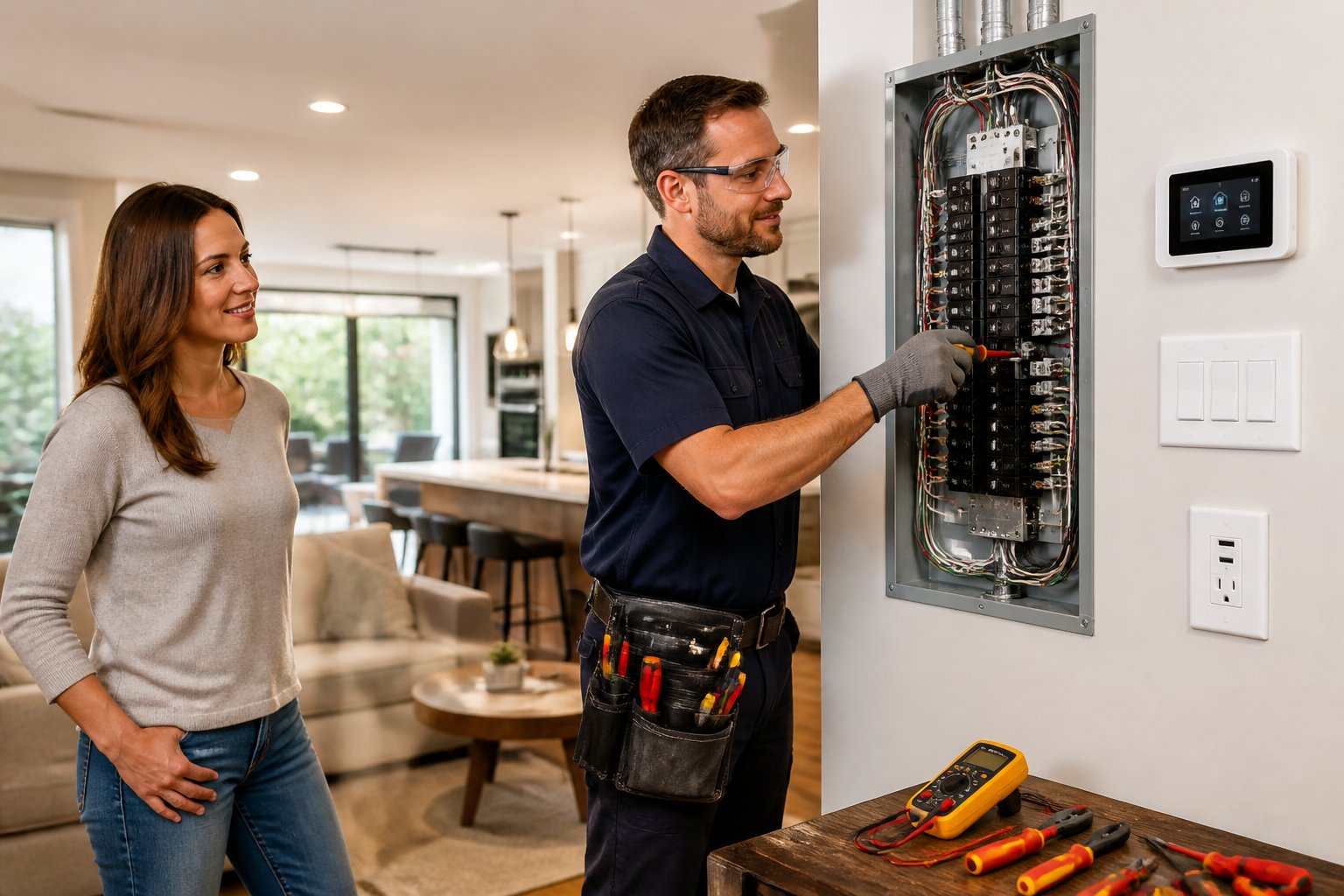
You can make your home workshop a lot safer by tackling the hazards that can do the most damage, then building simple habits around gear, layout, tool care, air quality, and being ready for emergencies. Honestly, a solid workshop safety routine doesn’t have to be fancy, but it does need to be steady—especially if you’re working with power tools, finishes, cords, dust, and piles of stuff. If you want to improve safety, reduce risk before you even start, use the right protection every time, and keep your space organized enough so you can make smart choices.
That’s true whether you’re fixing a chair in Sacramento, swapping out lighting in Roseville, or building cabinets in Elk Grove. Good safety protocols protect your family, help you dodge avoidable injuries, and honestly just make every project feel less stressful. With a little planning, your shop can be both productive and not a source of anxiety.
Key Takeaways
- Tackle the biggest hazards first.
- Wear the right protection for the job.
- Keep the space clean, bright, and organized.
Start With The Highest-Risk Hazards
A safe home workshop starts with a straightforward rule: handle the most dangerous stuff before you ever flip a switch. Check for electrical hazards, fire risks, cramped movement, and lifting problems before the work begins. Just a quick risk scan can help you avoid injuries that are tough to fix.
Identify Electrical Hazards Before Using Tools
Look for damaged cords, loose plugs, overloaded outlets, and extension cords snaking under rugs or across walkways. Good electrical safety means keeping tools away from wet spots and making sure outlets, cords, and power strips can handle your load. If something sparks, smells hot, or keeps tripping a breaker, stop and check it out.
Reduce Fire Risks From Sparks, Dust, And Stored Materials
Keep heat sources away from anything that can catch fire—sawdust, rags, solvents, cardboard, you name it. Don’t let flammable stuff pile up near grinders, soldering, or charging stations, and empty out dust so it doesn’t become a fire hazard. Good fire safety also means you’ve got a clear path to the door and a charged extinguisher close by.
Prevent Trips, Falls, And Strains In Tight Work Areas
Cluttered floors cause falls, and bad storage means you’ll be lifting wrong. Route cords neatly, stash heavy things below shoulder height, and use proper lifting techniques for lumber, toolboxes, or appliances. If the space feels cramped, check for a level surface and make some room before you start. Stable footing is underrated—it keeps you safer and gives you better control.
Use The Right Protective Gear Every Time
The right ppe should match the job, not your mood or how fast you think you’ll finish. Personal protective equipment only works if you put it on before the dust, chips, or noise start flying. In a busy shop, you want protective habits to be second nature.
Choose Eye And Face Protection For Cutting And Grinding
Wear safety glasses for most shop work and switch to safety goggles when there’s dust, chips, or splashes from the sides. Add a face shield for grinding, cutting, or anything that could throw debris at your face. Good eye protection keeps small mistakes from turning into big problems.
Protect Hearing Around Loud Equipment
Saws, compressors, sanders, routers—they’ll wear down your hearing over time, even with quick jobs. Keep hearing protection handy. Pick earplugs or earmuffs based on what feels best and how loud it gets. If you need to shout over the noise, your ears need help.
Match Respiratory Protection To Dust And Fumes
A dust mask is fine for light cleanup, but a respirator is better when sanding, spraying finishes, or working with fumes. The right choice depends on what you’re working with, how much exposure you’ll get, and your shop’s ventilation. When in doubt, treat the air as part of your safety plan.
Know When Gloves Help And When They Create Risk
Work gloves protect from splinters and rough stuff, and disposable gloves are great for cleanup or chemicals. But gloves can be risky near spinning blades or anything that might grab fabric. Wear them when they help, take them off when they get in the way.
Set Up A Safer Layout And Storage System
A smart layout cuts down on unnecessary movement, helps you focus, and keeps hazards from piling up around your workbench. Good tool storage and material storage make it easier to put things away at the end of the day. The shop just feels better and safer to move through.
Create Clear Walkways Around Your Workbench
Leave space to walk around your bench without tripping over cords, scraps, or sawdust. Put the workbench where you can get to it from more than one side if you can, and keep the floor around it open for moving and clamping. If your shop is small, use the walls so the middle stays open.
Store Tools And Materials Where They Can’t Fall Or Shift
Hang hand tools on a pegboard for easy access, and keep heavier stuff on sturdy shelves—not in loose piles. Secure overhead storage so boxes, lumber, or seasonal gear can’t shift or fall. Don’t put heavy things above head height unless the shelves are built for it. Keep electrical outlets open, not hidden behind storage that makes you stretch or risk damaging cords.
Improve Visibility With Better Lighting And Access
Bright, even lighting helps you spot cut lines, cords, and tool issues before they turn into trouble. Put task lights near benches and machines, and make sure switches are easy to reach without dodging clutter. Seeing clearly just makes everything safer and smoother.
Operate And Maintain Tools Safely
Safe tool use starts before you flip the switch. Give your power tools and hand tools a once-over for loose parts, damaged cords, dull blades, and missing guards before you get going. Consistent tool maintenance keeps equipment reliable, which really matters if you’re using it a lot.
Inspect Hand Tools And Power Tools Before Each Use
Check for cracks, frayed cords, missing screws, dull blades, and loose handles before every project. If a table saw, router, or drill seems unstable or off, don’t use it until you fix the issue. If a tool vibrates weirdly, smells hot, or just sounds off, stop and check.
Use Machine Guards, Push Tools, And Safe Feeding Techniques
Keep guards where they belong, use push sticks or blocks when working close to blades, and feed material at a steady pace. With the table saw and router, body position matters as much as blade sharpness. Don’t reach over a cutting path, and keep your hands out of the way.
Build A Simple Tool Care Routine
Keep a maintenance log for blade changes, cord inspections, cleaning, and repairs. Even a short record helps you spot patterns and handle small fixes before they become big headaches. Regular care makes tools last and projects go more smoothly.
Control Dust, Fumes, And Air Quality
Dust and fumes can mess with both comfort and safety, especially in closed-up garages or bonus rooms. A good ventilation plan, solid dust collection, and careful chemical safety habits help keep the air cleaner and reduce buildup on everything. That matters whether you’re working wood, painting, staining, or just cleaning up.
Improve Ventilation For Everyday Workshop Tasks
Open doors or windows when you can, and use fans to push stale air out. Good ventilation is crucial during sanding, painting, gluing, and cleanup because particles and fumes hang around longer than you think. Fresh air also makes long jobs less miserable.
Use Dust Capture For Woodworking And Cleanup
A dust collection system, shop vacuum, or vacuum with a hepa filter can grab fine dust before it spreads. Hook up collection as close to the source as possible—especially at saws and sanders—and clean up before dust settles everywhere. Better capture means less cleanup and less irritation.
Handle Finishes, Solvents, And Other Chemicals Carefully
Read labels, keep lids tight, and stash products away from heat and sparks—basic chemical safety. Only use what you need, and never mix products unless the label says it’s safe. If fumes sting your eyes, nose, or throat, take a break and get some fresh air in before you keep going.
Prepare For Emergencies Before They Happen
Emergencies don’t wait, so your shop needs to be ready. Keep a fire extinguisher close, alarms working, and a first aid kit stocked and easy to find. Clean habits help too, since a tidy space gives you more time and better options if something goes sideways.
Keep Fire Extinguishers And Alarms Ready
Put fire extinguishers where you can reach them, and pick an abc fire extinguisher for the usual workshop risks—wood, electrical gear, and flammable liquids. Test smoke alarms regularly, and add a carbon monoxide detector if your shop shares air with fuel-burning stuff or an attached garage. If your extinguisher is blocked, it’s not useful.
Stock First Aid And Post Emergency Information
Keep a first aid kit with bandages, gauze, burn ointment, gloves, and basic wound care near the exit or main bench. Post emergency contacts, your address, and any special instructions somewhere obvious. If you’re working with someone else, make sure they know where the kit and shutoffs are.
Build Habits That Keep The Shop Safe Daily
Make “clean as you go” your mantra so scraps, cords, and dust don’t turn into hazards overnight. Put tools back, empty bins before they overflow, and reset the space before you leave. Daily habits might not be flashy, but they do most of the heavy lifting for safety.
Frequently Asked Questions
What protective gear should I always wear when using power tools?
At the very least, wear eye protection, and grab hearing protection if the tool’s loud enough to strain conversation. Add a dust mask or respirator if you’re making dust or fumes, and only use gloves when they won’t get caught or mess with your grip.
How can I improve ventilation and reduce dust in my workshop?
Open doors or windows when you can, then use fans to move air out. Pair that with a shop vacuum, dust collection, or a hepa filter so dust gets picked up before it settles or gets stirred back up.
What are the safest ways to store and label chemicals, finishes, and solvents?
Keep them in their original containers with labels and lids tight. Store away from heat, sparks, and sunlight, and don’t mix them with food, tools, or anything that could soak up spills.
How should I organize cords, tools, and clutter to prevent trips and accidents?
Route cords along walls or overhead if possible, and don’t run them across walkways. Hang or shelf your most-used tools near your work area, and clear the floor at the end of each session so nothing gets stepped on or tangled.
What fire safety equipment should I keep nearby, and where should it go?
Keep a fire extinguisher easy to grab near the exit—not hidden behind stuff. Add smoke alarms, and if your shop shares air with fuel-burning equipment or a garage, get a carbon monoxide detector too.
How do I set up safe lighting and electrical outlets for my workspace?
Go for bright, even lighting over your workbench and machine zones—makes it so much easier to spot cords, cut lines, or just check your tools. Keep outlets within easy reach, and try not to crowd power strips or plug in too much at once (seriously, overloaded circuits are a pain). If you’re thinking about adding new circuits or need more juice for big tools, it’s worth calling a licensed electrician to double-check your setup.