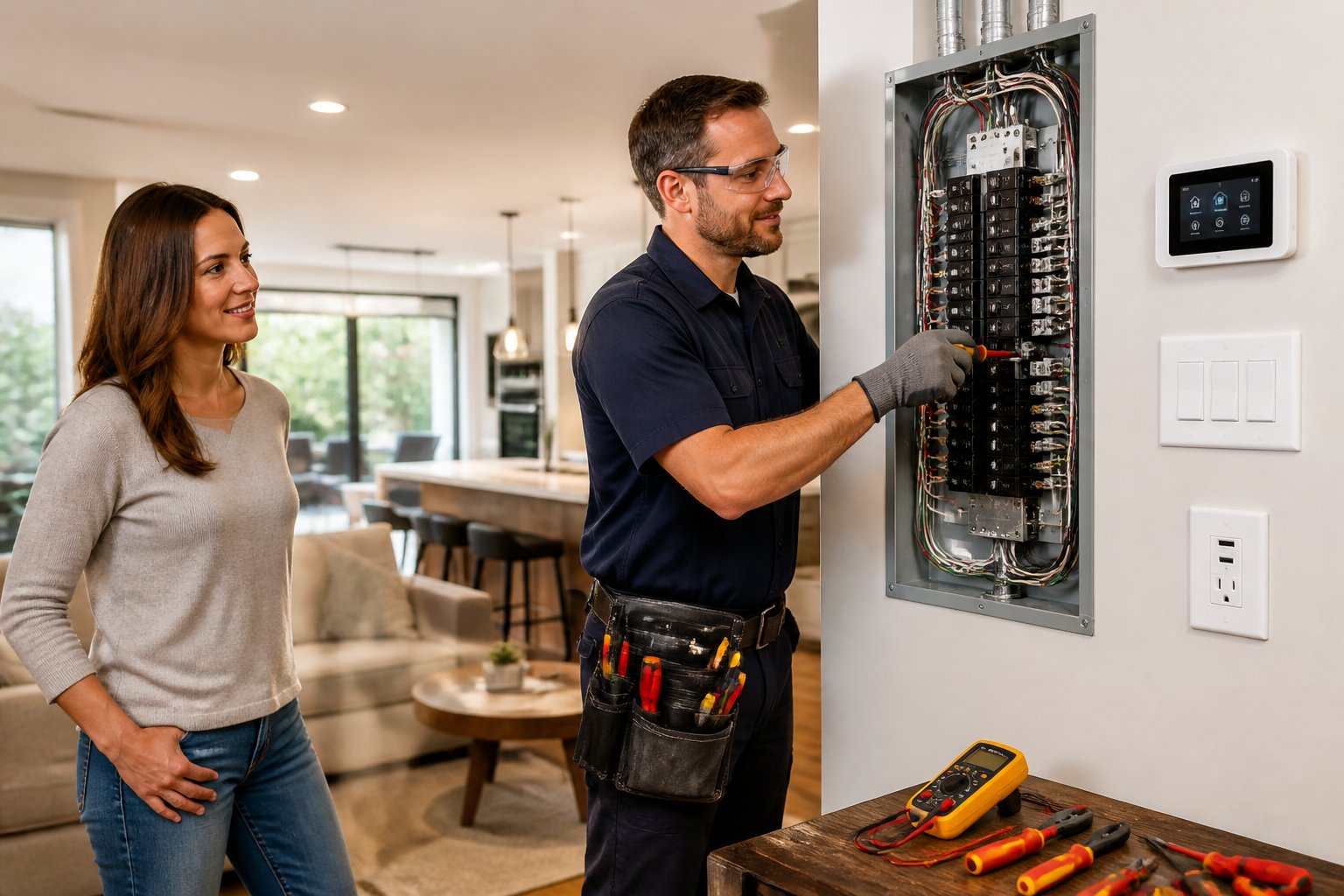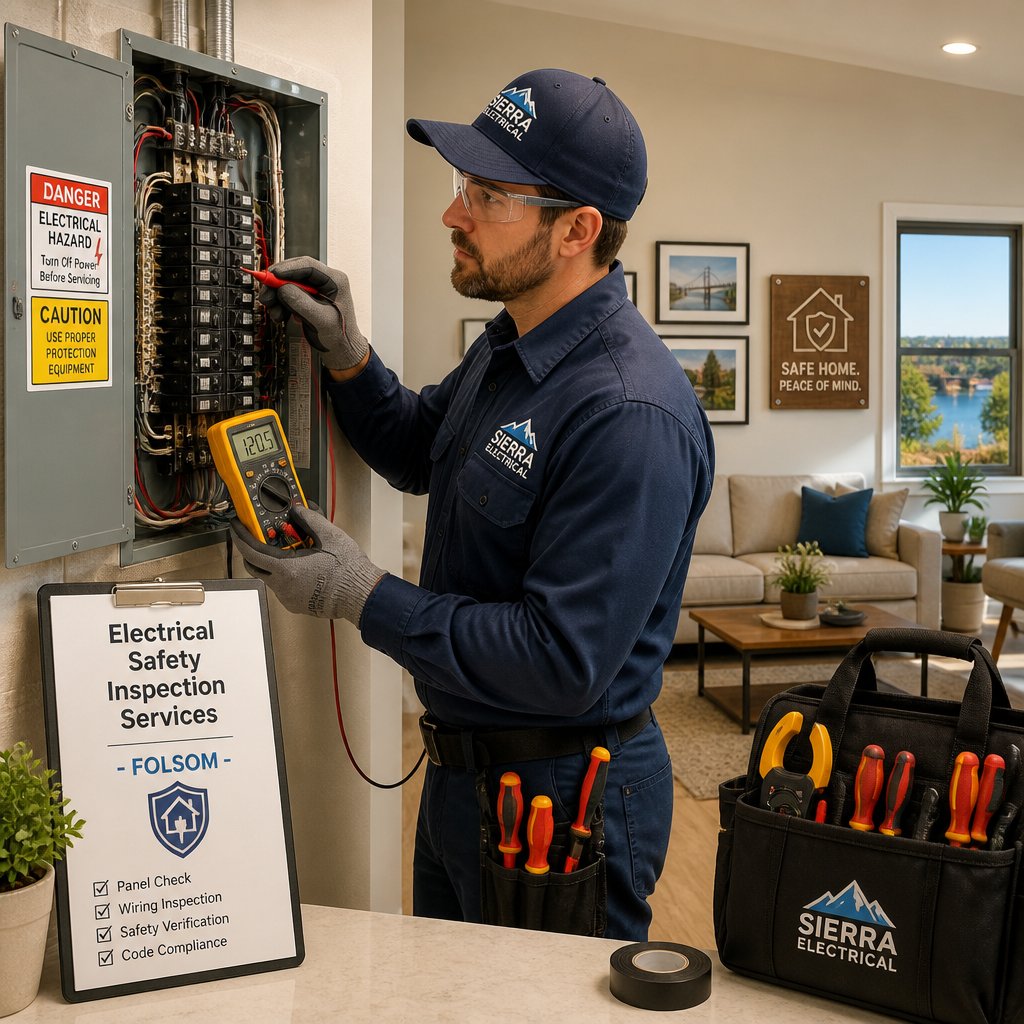
Electrical safety inspection services in Folsom help you spot hidden hazards before they spiral into expensive repairs or dangerous outages. If you own a home in Folsom, a careful inspection gives you a real look at your wiring, outlets, panel, and grounding—so you know what’s working and what’s a problem waiting to happen.
A professional electrical inspection can offer peace of mind by catching fire and shock risks early, checking code compliance, and showing you which repairs really matter. This is especially important if your place has older wiring, new appliances, or you’re seeing signs of overloaded circuits.
When you bring in the right electrical inspection services, you get practical advice from someone who can break down your system’s condition in plain English. No need to guess what’s safe or not.
What an Electrical Safety Inspection Covers
A thorough inspection looks at the parts you use every day and the ones you probably never think about. The main goal? Spot wear, bad connections, or other issues before they turn into safety headaches or damage your home.
Inspectors also check if your system can actually handle your current power needs. That’s huge if you’ve added electronics, new kitchen gear, EV chargers, or you’re planning an electrical panel upgrade.
Panels, Breakers, and Load Capacity
They’ll check your main panel, breaker condition, and whether the system can keep up with your household. Heat damage, rust, double-tapped breakers, or constant tripping? All red flags.
In a lot of homes, the panel is where trouble shows up first. If your system seems maxed out, an electrical panel upgrade might be the smarter long-term move.
Electrical Wiring Condition
Inspectors look for old wiring, damage, loose connections, and shoddy installation. They’ll also flag outdated materials, exposed conductors, or poor support in easy-to-access areas.
Ignoring small wiring problems? That’s how you end up with bigger risks and surprise repairs down the road.
Outlets, Switches, and Grounding
Outlets and switches should work, feel solid, and never get hot or show burn marks. Grounding and polarity matter, too—they help keep you safe from shocks and protect your devices.
If an outlet feels warm, sparks, or can’t hold a plug, don’t wait. Sometimes a quick fix does the trick, but damaged outlets need replacing.
Visible Fire and Shock Risks
Inspections look for scorch marks, exposed wires, overloaded circuits, and sketchy extension cord use. These are classic signs your system’s stressed.
A sharp inspector will also check attics, basements, garages, and spots near appliances—places where hidden problems like to lurk.
Why Folsom Properties Need Timely Evaluations
Homes in Folsom face all kinds of electrical demands, depending on age, layout, and how much you’ve updated things. Timely inspections help you get ahead of wear, storm damage, and growing energy use.
If you wait until a breaker keeps tripping or a room loses power, you’re already behind. An inspection gives you a real starting point.
Older Homes and Growing Power Demands
Older houses often have wiring that just isn’t up for modern appliances, entertainment setups, and charging everything under the sun. That can mean overloaded circuits or outdated parts that need swapping out.
A panel that was fine years ago might be too small now. If that’s the case, an upgrade can make your daily life a lot safer.
Before Buying, Selling, or Remodeling
About to buy a home? An inspection helps you spot issues that could wreck your budget or safety. Selling? It helps you fix stuff before a buyer’s inspector finds it.
Remodeling is another big one. If you’re opening walls, adding lights, or changing layouts, you need to know your wiring can handle the changes.
After Storm Damage, Surges, or Repeated Breaker Trips
Storms and power surges can mess up breakers, outlets, and equipment—even if you don’t see damage right away. Breakers that keep tripping? That’s a warning.
If you notice these signs after a storm or electrical event, get an inspection soon. It could save you from a bigger headache later.
Code Compliance and Common Safety Issues
Local electrical codes set the rules for safe installation and repairs. During an inspection, these codes shape what the inspector checks and what you might need to fix.
Sometimes, inspections turn up older work that was legal years ago but isn’t up to today’s standards. That’s pretty common in homes that have seen a few remodels.
How Local Electrical Codes Affect Inspection Findings
Codes cover things like outlet spacing, grounding, breaker sizes, and circuit protection. If work was done without permits or by old methods, it might not pass muster now.
That doesn’t mean you need a full overhaul. Usually, you just need targeted repairs or panel upgrades to get the important stuff up to code.
Frequent Violations Inspectors Look For
Inspectors often find missing GFCI outlets, loose switches, crowded panels, and bad wire connections. Open junction boxes, sketchy wire splices, and heat damage are also common.
Most of these issues are fixable without tearing your place apart. The main thing is getting a clear report so you can prioritize.
When Repairs Are Enough vs. When Upgrades Make Sense
Some problems just need a quick repair—replace a bad outlet, tighten a connection. But if your panel can’t keep up or your wiring’s ancient, constant small fixes aren’t enough.
A good inspector will help you see when it’s time for a full panel upgrade instead of endless patchwork.
Residential and Commercial Inspection Needs
Homes and businesses use electricity differently, so inspections aren’t one-size-fits-all. What matters most depends on how you use the building, your power needs, and how often things change.
Still, the main goal’s the same: safe power and fewer nasty surprises.
Home Safety Priorities
At home, inspectors focus on family safety, daily use, and visible wear on wiring, outlets, and the main panel. Kitchens, laundry rooms, garages, and outdoor circuits are usually trouble spots.
If you’ve got kids, older folks, or lots of guests, grounding and solid outlets are even more critical. A home inspection helps you make smart upgrades that actually matter.
Commercial Electrical Inspection Considerations
Commercial inspections dig into load balancing, equipment circuits, and how the system handles long hours. Lighting, backup power, and shared work areas get extra attention.
Business spaces need more planning because downtime hits the bottom line. Regular inspections help keep things running and safer.
Maintenance Planning for Rental and Mixed-Use Properties
Rentals and mixed-use buildings need regular inspections since different tenants put different strains on the system. One unit might run heavy electronics, another might have old appliances.
Routine inspections help you spot patterns before they turn into repeat failures. That’s a lifesaver when you’re juggling repairs and budgets.
What Happens After the Inspection
After an inspection, you should get a report that spells out what was checked and what needs work. A decent report makes planning your next steps way easier.
Understanding the Inspection Report
The report should break down urgent safety issues versus routine maintenance. It should also flag code problems, worn parts, or signs your wiring’s reaching the end of its run.
If anything’s confusing, ask for it in plain English. You deserve to know which problems are urgent and which can wait.
Prioritizing Repairs for Safety and Budget
Tackle stuff like heat, exposed wires, grounding failures, or breaker problems first—those hit safety hardest.
Then move on to reliability fixes, like worn outlets or weak switches. That way, you protect your budget and still handle the big risks.
Next Steps Such as Surge Protection or Panel Updates
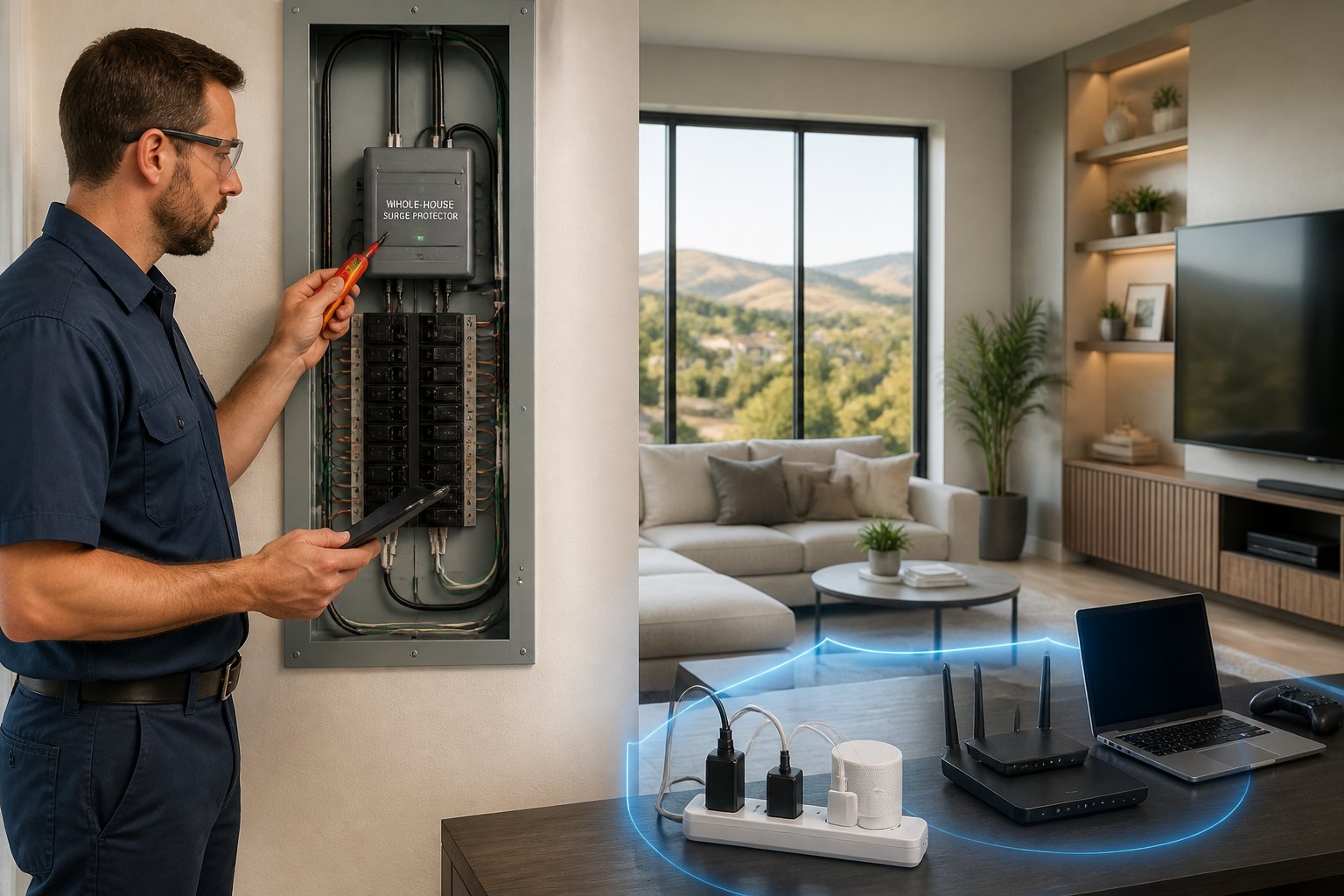
After the inspection, you might want to add surge protection, swap out damaged gear, or upgrade your panel. These updates help your home keep up with modern life.
At AAA Electrical Services, we aim to make next steps straightforward, with honest pricing and clear communication. Safety-first electrical work by licensed pros should leave you with fewer surprises and more confidence.
Frequently Asked Questions
How much does an electrical safety inspection usually cost?
It really depends on your property’s size, system complexity, and how deep the inspection goes. Bigger homes or places with old wiring take longer and may cost more.
What’s included in a typical electrical safety inspection?
Most inspections cover the main panel, breakers, outlets, switches, grounding, visible wiring, and any signs of heat or damage. Inspectors might also flag code problems and suggest repairs or upgrades if needed.
How long does an electrical safety check usually take?
Most home inspections take anywhere from an hour to a few hours, based on the size and condition of your place. More circuits, older wiring, or known issues can stretch it out.
Are electrical inspections ever free, and what’s the catch?
Some companies run promos, but a real inspection takes time and trained labor. If it’s free, make sure it’s not just a quick look with limited feedback.
Is it worth getting an electrical inspection before buying or selling a home?
Absolutely. It can help you dodge surprise repairs and gives you a clearer sense of the home’s real condition. Buyers spot upgrades before closing, and sellers can head off last-minute deal-breakers.
How often should a home have an electrical safety inspection?
Most folks recommend getting an inspection every few years, especially if your place is older or you’ve just added big appliances. Noticed your lights flickering or breakers tripping? That’s another sign it’s time. And honestly, if you’ve had storm damage or someone swapped out your electrical panel, calling in an expert just makes sense.