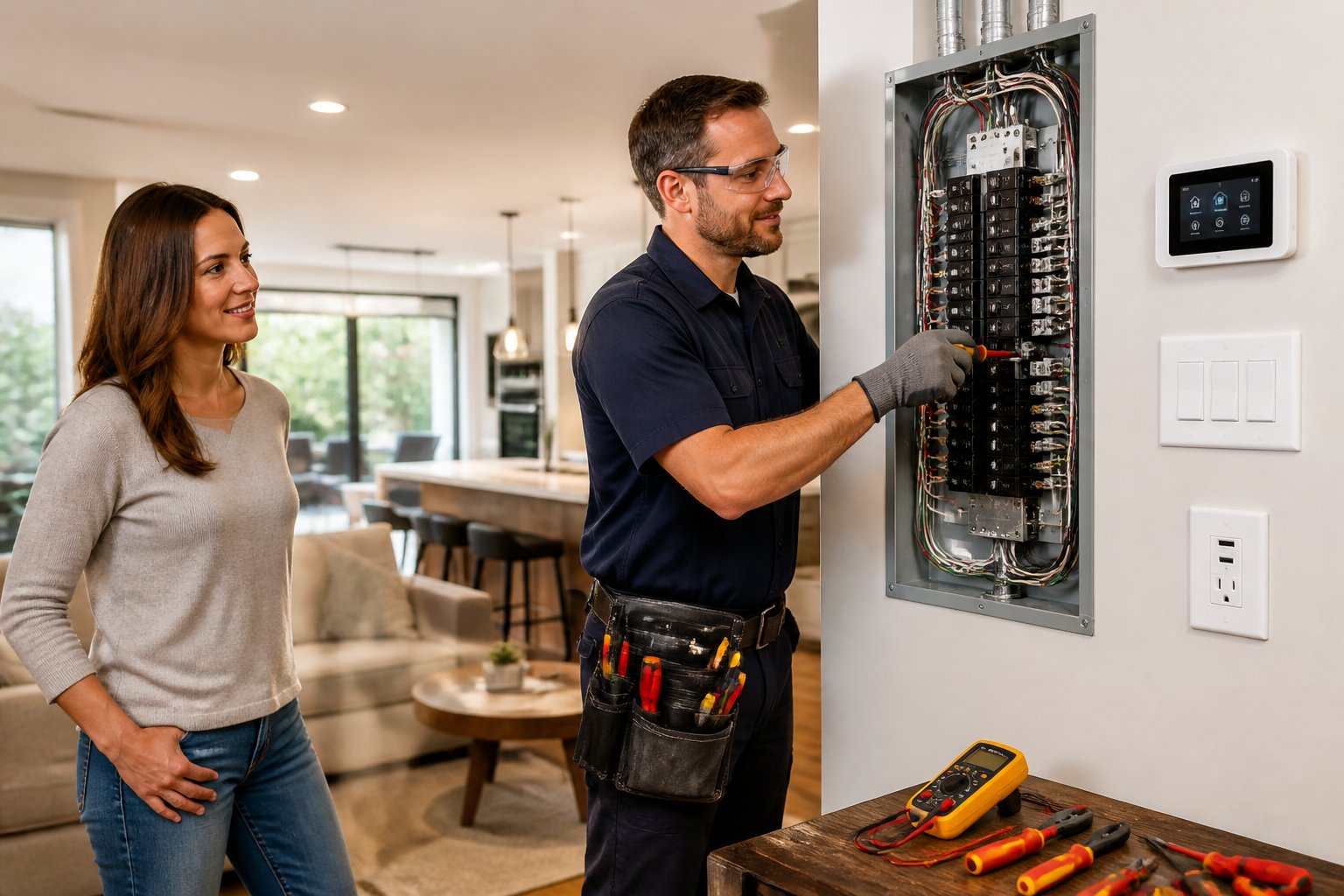
Home surge protection installation in Sacramento is one of the easiest ways to cut down your risk of damage from sudden voltage spikes. If your house is packed with smart TVs, computers, kitchen appliances, EV chargers, and HVAC gear, a single surge can cause expensive headaches in no time.
Whole-home surge protection gives your electrical system a first layer of defense, helping shield your home’s wiring and connected gear before real damage starts. It’s a practical move if you want safer living, fewer surprise repairs, and a little more peace of mind.
In Sacramento, surge protection makes sense whether your house is brand new or decades old. Power shifts from the utility, storms, and even your own appliances can all send spikes through your outlets and panels. A properly installed system just handles those risks way better than plug-in strips alone.
What Whole-Home Protection Covers
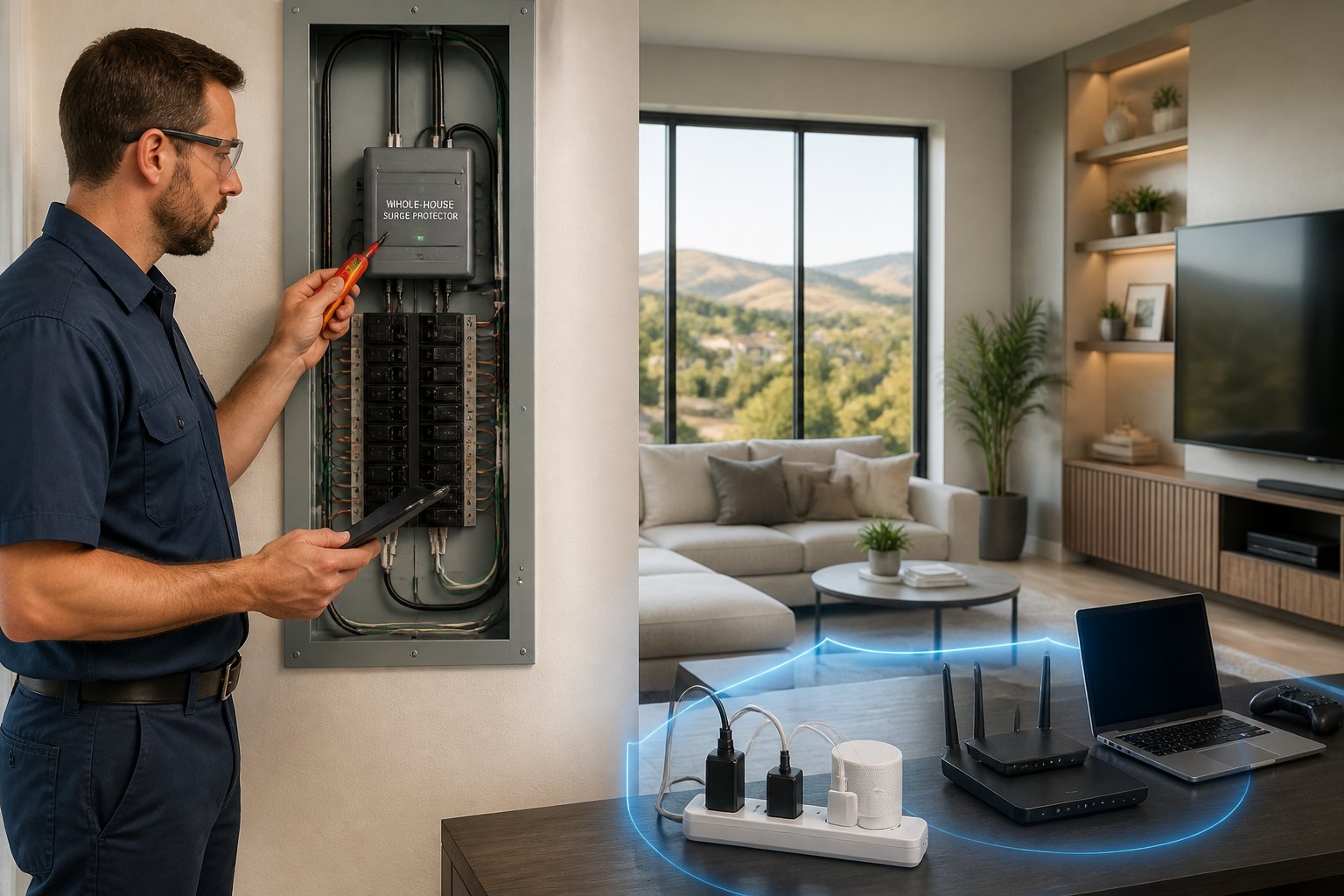
Whole-house surge protection starts at the panel, right where power enters your home. It teams up with other surge protectors or point-of-use devices you might already have, giving your home a much stronger first line of defense.
How a Panel-Mounted Device Protects the Home
A panel-mounted home surge protector sits at or near your main electrical panel. When a surge hits, the device shunts that extra voltage away from your home’s circuits and into the ground.
That’s important because the suppressor acts before the spike gets to your hardwired or plugged-in devices. It won’t stop every possible problem, but it can keep a quick spike from turning into a big repair bill.
What Plug-In Surge Protectors Can and Cannot Do
Plug-in surge protectors are handy for computers, TVs, and smaller electronics. They protect whatever you plug into them, and they’re a smart add-on for bedrooms, offices, and media centers.
But they can’t cover the whole house if a surge comes through your main panel. If you want full coverage, you’ll need whole-house surge protection, plus plug-in protection where you need it.
Which Appliances and Electronics Benefit Most
Expensive and sensitive stuff benefits the most. Think refrigerators, microwaves, washers, dryers, smart devices, gaming systems, computers, routers, HVAC controls, and EV chargers.
Anything with a circuit board is vulnerable. A whole-home surge protection setup just lowers risk for the gear you count on every day.
Why Sacramento Homes Need It
Sacramento homes get hit by all sorts of power surges—from utility events to storms to the cycling of big appliances. If you’re relying on an EV charger, a modern HVAC, or a bunch of smart devices, whole-home surge protection just makes sense.
Utility Switching, Outages, and Grid Fluctuations
Utility switching can send quick electrical surges through neighborhood lines right into your house. Outages, restoration, and grid wobbles can push a surge into your system once power comes back.
These moments are usually short—you might only see a flicker or a clock reset. But over time, the damage adds up, especially for sensitive electronics.
Storm Activity and Lightning-Related Voltage Spikes
Sacramento isn’t exactly lightning alley, but storms and nearby strikes can still cause voltage spikes. Even a distant strike can travel through power lines.
A whole-home surge protection setup gives you another layer during storm season. It’s not a guarantee, but it helps when the grid gets jumpy.
Internal Surges From HVAC, Refrigerators, and EV Chargers
A lot of surges actually start inside your own house. Big appliances like HVAC systems, refrigerators, sump pumps, and EV chargers kick on and off in ways that can create small internal spikes.
These little hits happen all the time and can wear down electronics. Surge protection helps manage those, so your stuff lasts longer.
What Installation Involves
A good surge protection service is more than just mounting a device. It means checking your panel, grounding, available space, and any electrical work you need before starting.
Where the Device Is Installed
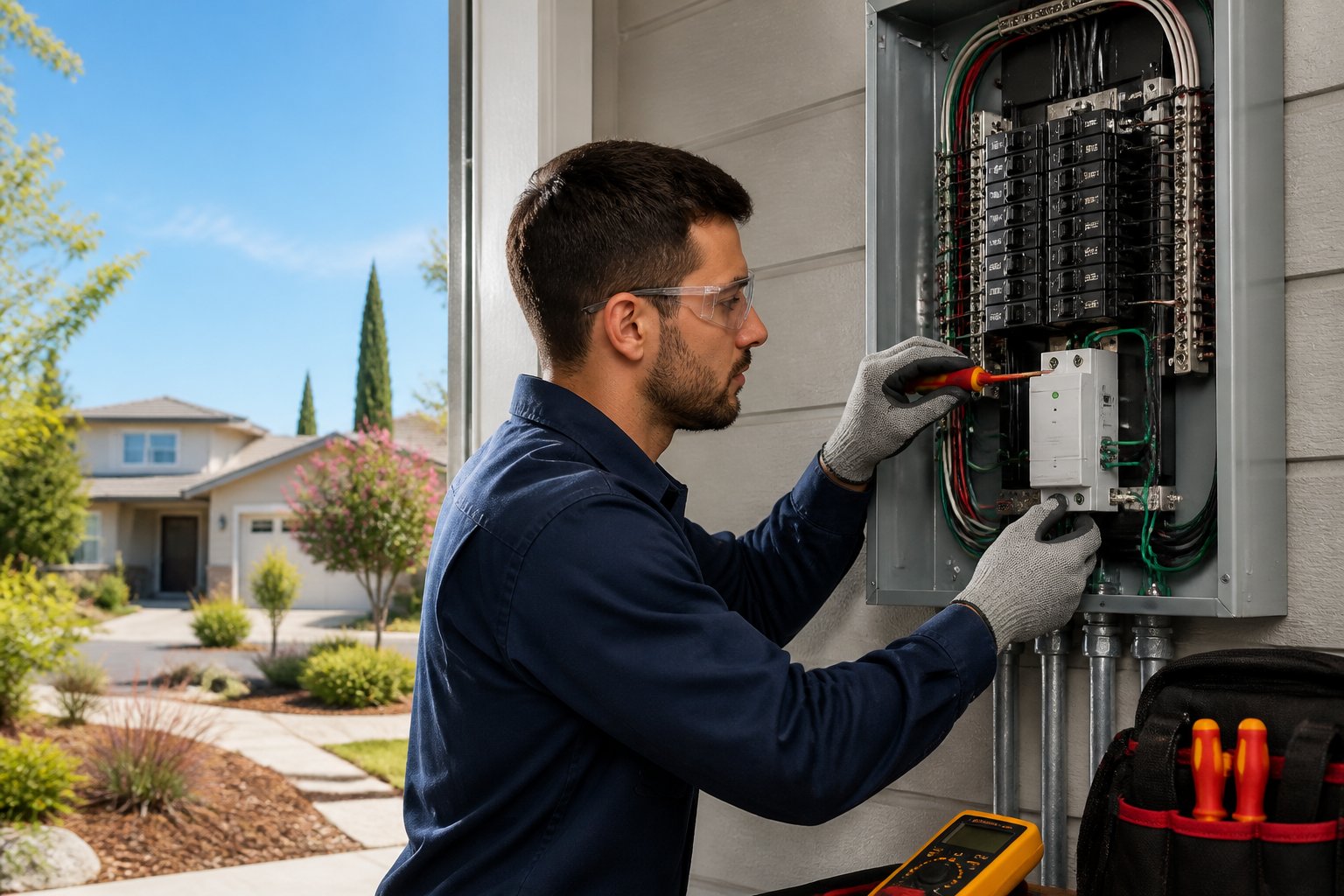
Most of the time, surge protection is installed at the main electrical panel. Sometimes it’s mounted right beside the panel or inside it, depending on your setup.
The idea is to keep the connection short and direct. That way, the device reacts fast when a surge hits.
How Electricians Check Grounding and Capacity
Before installing, electricians look at grounding, bonding, and the panel’s condition. Surge protection works best when there’s a solid grounding path.
Panel capacity matters too. There has to be room for the device, and the panel has to support the extra gear safely. That’s why you want a pro for this job.
When Electrical Panel Upgrades Are Needed
Some homes need an electrical panel upgrade before adding surge protection. Older or overcrowded panels, or panels that just aren’t compatible, might need an upgrade first.
That extra step isn’t unusual. It makes sure your surge protection works right and stays code-compliant.
Choosing the Right Setup for Your Home
The best surge protection system depends on your panel, your appliances, and what you most want to protect. In a lot of homes, the strongest setup combines whole-house protection with plug-in protectors.
Type 1 vs Type 2 Protection Basics
Type 1 devices are usually for external surges, like lightning. Type 2 devices go at the panel and protect against both internal and external surges.
For most homes, Type 2 is standard. What’s best for you depends on your electrical system and how much protection you want.
Layering Whole-Home and Point-of-Use Protection
Whole-home surge protection stops the biggest threats at the panel. Plug-in protectors add another layer for devices that need extra care.
That layered approach is smart for computers, entertainment gear, and home offices. You get broad protection without putting all your trust in one device.
Planning for Sensitive Electronics and Future Loads
If you’re thinking about adding an EV charger, smart appliances, or a home office, plan ahead. Your surge protector should match your system’s size and how you use it—not just what you have today.
Thinking ahead keeps your home ready for new gear. That’s important in a growing Sacramento home.
Cost, Lifespan, and Maintenance Factors
Surge protection is usually a modest investment compared to replacing fried electronics or appliances. Pricing depends on the device, your panel, and whether you need any upgrades.
What Affects Installation Pricing
Lots of things shape the cost: device type, panel compatibility, labor, and any extra electrical work.
If your panel needs repairs or an upgrade, you’ll pay more. Simpler homes usually cost less to protect.
How Long Protection Devices Typically Last
Most surge protection devices last for years, but not forever. Their life depends on how many surges they take and how often your home gets hit.
After a big surge, the device might look fine but not work as well. That’s why it’s good to check them now and then.
Signs It Is Time for Inspection or Replacement
If your lights flicker, breakers act weird, or the device’s indicator shows a problem, it’s time for a checkup. A device that’s taken a lot of hits might need replacing, even if it looks okay.
This is a good time to call AAA Electrical Services if you want a safety-first check from a licensed team. Honest pricing and clear communication help make the process smoother.
How to Choose a Qualified Electrician
Not every electrician handles surge protection the same way. You want someone focused on safety, code compliance, and what fits your home.
Licensing, Insurance, and Code Compliance
Make sure your electrician is licensed and insured. Code compliance matters because surge protection ties right into your panel and grounding.
A good pro knows local rules, the right device placement, and what your panel can handle. That lowers your risk and helps the protection last.
Questions to Ask Before Scheduling Service
Ask what kind of surge protection they recommend, if your panel needs upgrades, and how they check grounding. You can also ask about same-day service, flat-rate pricing, and warranties.
It’s helpful if the team carries parts on their van—means you might get it all done in one visit.
What a Safety-Focused Service Experience Should Look Like
A solid experience feels calm and organized. You should get a clear explanation, upfront pricing, and a tidy work area when they’re finished.
Most families appreciate technicians who show up ready, explain your options, and leave things clean. That’s the kind of service that actually gives you peace of mind.
Frequently Asked Questions
How much does it usually cost to install a whole-home surge protector?
Cost depends on the device, your panel, and whether you need extra electrical work. Most Sacramento homes fall in a moderate range, but the price goes up if you need a panel upgrade.
What’s the difference between a whole-house surge protector and plug-in surge strips?
A whole-house surge protector goes at your main panel and protects all your circuits. Plug-in strips only protect what you plug into them, so they’re best as a second layer.
Do I need a surge protector if my home has a newer electrical panel?
Yes, even a new panel doesn’t replace surge protection. The panel might handle modern loads, but it’s still exposed to surges from the grid or inside your house.
How do I know what size or type of surge protector my electrical system needs?
The right size depends on your panel, your load, and what you want to protect. A licensed electrician can check your system and match the device to your needs.
How long does a whole-home surge protector last, and how can I tell if it’s still working?
Most devices last years, but lots of surges can wear them out faster. Some have indicator lights or status windows, and an electrician can test the device during an inspection.
Can a whole-home surge protector be installed on any electrical panel, or are there compatibility limits?
You can’t just slap a whole-home surge protector onto any electrical panel—there are some limits. Certain panels require a specific type of device, and if you’ve got an older panel, you might run into problems. Sometimes, those older panels need repairs or even a full upgrade before you can safely add a surge protector. It’s worth checking what your setup can actually handle before you dive in.