Electrical safety testing services in Citrus Heights can catch hidden electrical risks before they turn into outages, shocks, or even fire hazards. If you’ve noticed flickering lights, warm outlets, tripping breakers, or you’re dealing with an older panel, a safety visit will show you what’s safe, what needs fixing, and what’s ready for an upgrade.
The real point of electrical safety testing? It’s about protecting your family, your property, and your daily routine—with honest answers from licensed electricians. A solid inspection doesn’t just spot issues. It lays out a practical plan for electrical repairs, safety checks, and upgrades that make sense for your place.
Citrus Heights homes and buildings often mix old wiring with new appliances, remodeled spaces, and added loads like EV chargers or hot tubs. That combo can hide weak spots. A good local electrician will test your system, break down the results in plain English, and help you move forward confidently.
What Electrical Safety Testing Covers
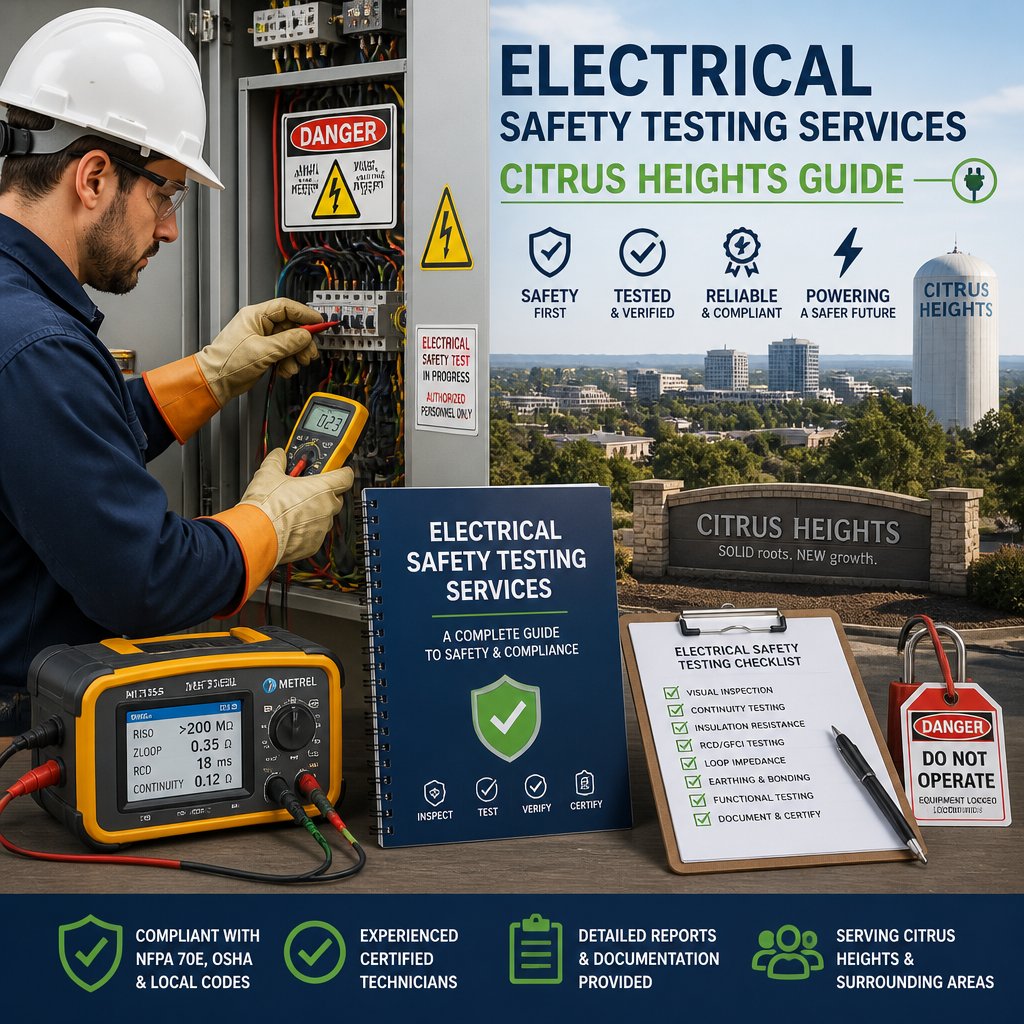
Electrical safety testing checks how well your system works and where it falls short of today’s safety standards. It goes way deeper than a quick fix, and it’s especially useful if you want real info before making repairs or upgrades.
A thorough visit covers power distribution, grounding, protective devices, and concerns about load. Whether it’s a house or a business, the main goal is to cut risk and keep things reliable.
System Checks Performed During a Safety Visit
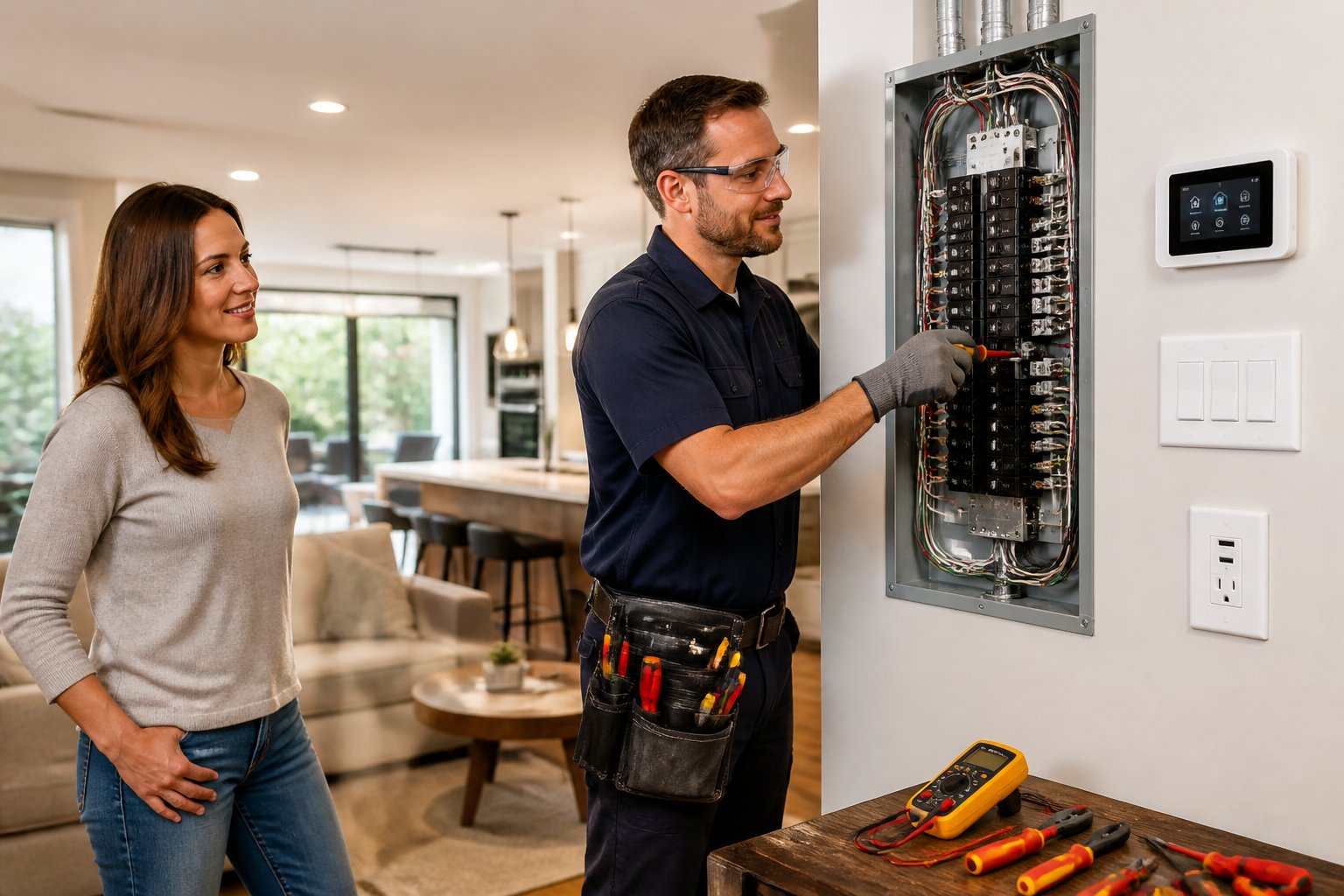
A typical safety visit might include breaker checks, outlet testing, panel reviews, and grounding checks. Licensed electricians look for overheating, loose connections, missing GFCI outlets, and weak surge protection.
In bigger buildings, they’ll check equipment loads and panel capacity. In homes, the focus is usually on kitchens, bathrooms, garages, and outdoor circuits.
How Testing Differs From Basic Electrical Repairs
Troubleshooting hunts for the cause of a specific problem—like a dead outlet or a breaker that won’t stop tripping. Repairs fix what’s found.
Safety testing looks at the bigger picture. It helps you spot other weak points before they become emergencies.
Residential and Commercial Safety Priorities
Homes tend to need the most attention in living spaces, kitchens, bathrooms, and with older panels. Businesses care more about uptime, shared circuits, emergency lighting, and balancing loads.
Circuit breakers, GFCI outlets, and surge protection matter in both cases—they help limit damage during faults and power spikes. That’s why a local Citrus Heights electrician usually suggests a mix of testing and targeted upgrades.
Signs Your Property Should Be Tested Soon
Some electrical issues are easy to brush off at first, but they often signal bigger problems hiding in the walls or the panel. If you keep seeing the same symptoms, it’s time to schedule testing before things get worse.
A quick check can help you figure out if you need troubleshooting, new outlets, rewiring, or panel upgrades.
Flickering Lights, Tripped Breakers, and Outlet Problems
Flickering lights could mean loose wiring, bad switches, or overloaded circuits. Tripped breakers are another red flag, especially if the same one keeps going off.
Outlets that are loose, don’t work, or spark shouldn’t be ignored. These can call for repairs right away, and sometimes they show it’s time for service upgrades or panel upgrades.
Warning Signs in Older Wiring and Panels
Older homes need more attention—wiring and panels age in their own ways. Heat marks, buzzing, rust, or a crowded panel are all good reasons to get things checked.
Even if you had a panel upgrade years ago, the rest of your system might not be up to par. Sometimes, rewiring or another upgrade is the only way to keep up with modern needs.
When a Recent Remodel or New Appliance Changes the Risk
A remodel, kitchen update, EV charger, HVAC change, or a new appliance can push an old system over the edge. Added loads tend to uncover problems that were hiding before.
If you’ve changed how your property uses power, testing will confirm if you need more outlets, a service upgrade, or a panel upgrade to stay safe.
Common Problems Found in Citrus Heights Homes and Buildings
In Citrus Heights, electrical issues often come from age, extra demand, or outdoor exposure. You’ll see this in both older homes and buildings that have been remodeled a few times.
Testing turns up the same problems over and over—overloaded panels, missing safety devices, aging wiring, and moisture-related wear.
Outdated Panels and Overloaded Circuits
Old panels usually can’t keep up with today’s power needs. You might notice frequent tripping, no space for new breakers, or a panel that just can’t handle new equipment.
In those situations, you’ll probably need panel installation, upgrades, or maybe even a full panel upgrade. Sometimes, a service upgrade is needed to handle everything safely.
Missing Safety Devices and Improper Grounding
Missing GFCI outlets are common in kitchens, baths, garages, and outside. These outlets protect you from shock wherever there’s water.
Bad grounding is another risk, especially during faults and surges. Often, surge protection gets added during follow-up work, especially if you have a lot of electronics.
Aging Wiring, Exterior Exposure, and Moisture Risks
Wiring breaks down over time, especially in older walls and attics. Outside, lighting and other exposed parts take a beating from sun, rain, and weather.
Moisture is a big deal around patios, soffits, crawl spaces, and outdoor outlets. Sometimes, rewiring is the only way to fix insulation or connection problems for good.
Recommended Next Steps After Testing
After testing, you’ll know if you need a quick fix, a big upgrade, or maybe both. What you do next depends on what the electrician finds and how urgent it is.
A licensed electrician will sort the results into repairs, safety priorities, and future projects. That way, you’re not left guessing.
When Repairs Are Enough
If it’s just a small issue, repairs might do the trick. That could mean replacing a breaker, installing a new outlet, tightening a connection, or fixing some wiring.
Minor problems are pretty common, and fixing them quickly usually stops them from getting worse. With a stocked van and the right parts, many fixes happen in one visit.
When Upgrades Improve Safety and Capacity
If your system is outdated or maxed out, upgrades are probably the smarter move. Panel upgrades, new installations, or even a service upgrade can give you more capacity and better reliability.
Service upgrades are common when you add appliances, EV chargers, or more circuits. In some places, full rewiring is the only way to get real peace of mind.
How to Prioritize Urgent vs Planned Electrical Work
Take care of urgent issues first—anything with heat, smoke, burning smells, or breakers that keep failing needs immediate attention.
You can plan other work, like surge protection or generator installation, for later. AAA Electrical Services helps homeowners sort out what needs to happen now and what can wait.
Safety Improvements That Add Daily Peace of Mind
Once your system passes testing or gets fixed up, a few upgrades can make life safer and more comfortable. These changes help with both function and peace of mind.
The best upgrades depend on how you use your home, where you want more light, or if you’re thinking about backup power.
Lighting and Outlet Updates for Safer Living
Better lighting can make halls, kitchens, stairs, and outdoor spaces safer and easier to use. Good lighting design cuts down on dark spots and makes rooms more usable.
Recessed lighting, landscape lighting, exterior lights, and ceiling fans all add comfort—if they’re wired safely. Upgrading outlets and adding GFCIs is smart in busy or wet areas.
Backup Power and Surge Protection Planning
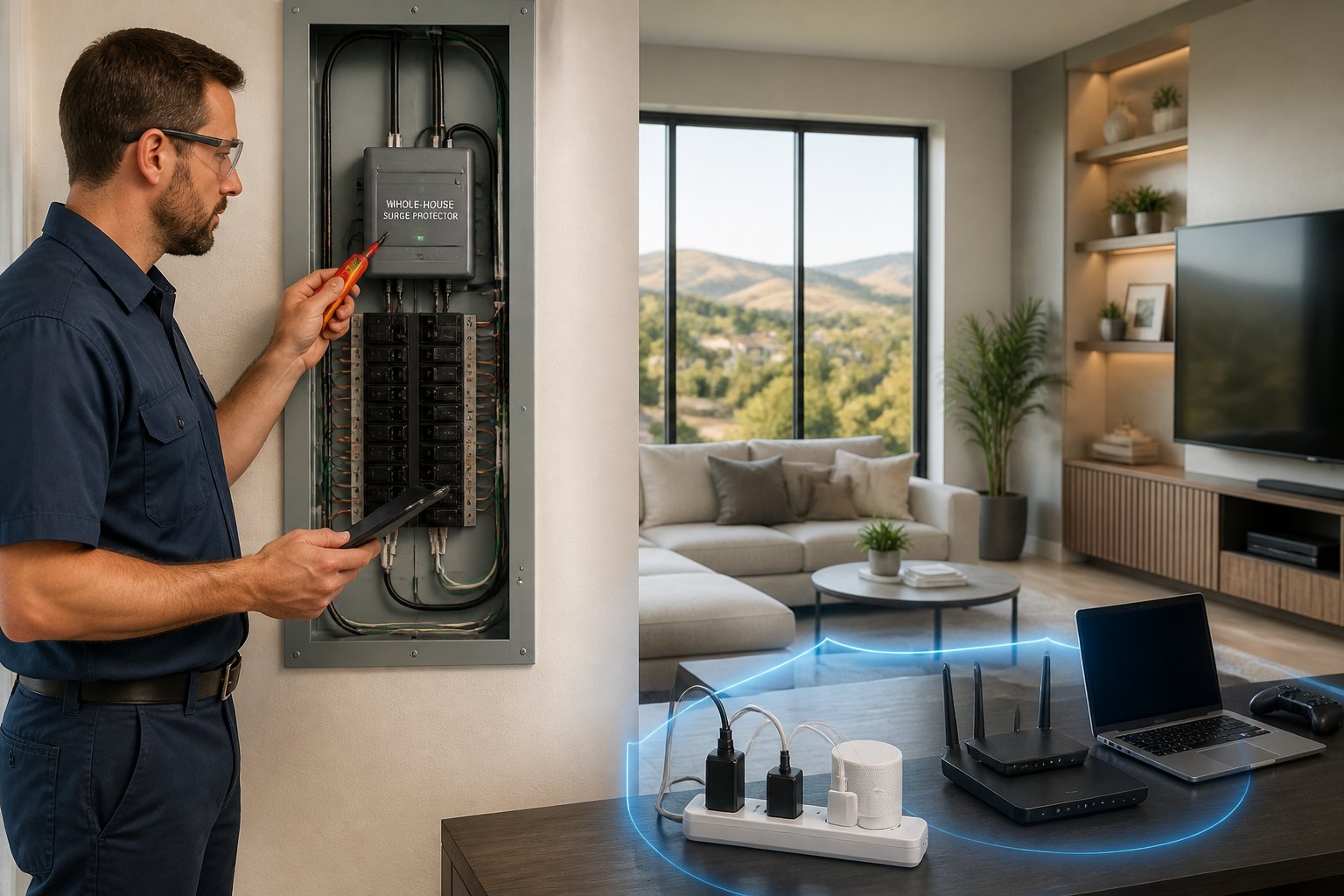
Surge protection shields your appliances and electronics from voltage spikes. It’s a practical upgrade if you rely on lots of devices.
Generator installation or hookups can bring peace of mind during outages. These projects help future-proof your home, but always make sure licensed pros handle the work.
Testing Before Ceiling Fans, Remodels, and New Equipment
Before you add ceiling fans, remodel, or install new gear, testing makes sure your circuits can handle the load. This step saves headaches and prevents avoidable problems later.
It’s a simple move that can save you from redoing work or running into surprises after the project’s done.
Frequently Asked Questions
How much does an electrical safety inspection typically cost?
Cost depends on your property’s size, the system’s age, and how detailed the inspection needs to be. A basic check usually costs less than a full diagnostic with testing, photos, and a repair plan.
Flat-rate, upfront pricing makes budgeting easier. Most Citrus Heights homeowners like that kind of clarity.
What are the three main types of electrical testing, and which one do I need?
The big three: visual inspection, diagnostic troubleshooting, and load/performance testing. A visual check looks for obvious hazards. Troubleshooting finds the source of a known issue.
Not sure what you need? Start with a safety inspection. A licensed electrician will tell you if you need just testing or if repairs should be included.
Which electrical safety tests should be done for a home versus a commercial building?
Homes usually need checks for breakers, outlets, grounding, panels, and areas that get wet. Commercial buildings focus more on load balance, equipment circuits, lighting, and keeping downtime low.
Both benefit from surge protection and breaker testing. The right plan depends on how you use power every day.
How can I find a reliable local electrical safety testing company close to me?
Look for licensed, insured, background-checked techs with clear service info and local experience. Check if they offer same-day service, honest communication, and flat-rate pricing.
A good local provider is easy to reach and serves Citrus Heights and nearby areas like Sacramento, Roseville, Rocklin, Elk Grove, Rancho Cordova, Fair Oaks, Folsom, and more.
What should I look for in customer reviews when choosing an electrical testing provider?
Check for reviews mentioning on-time arrivals, clear explanations, clean work, and a smooth process. You want to see that techs respect your home and offer practical options without the hard sell.
It’s even better if reviews mention safety, trust, and follow-through—those details matter more than generic praise.
How do I find the business address and service area for a local electrical safety testing provider?
Start with the company’s contact page, service area page, or whatever listing info you can dig up—that’s where you’ll usually spot the street address and a rundown of the cities they cover. If you’re in Citrus Heights, double-check that it’s actually on their list before you get your hopes up.
Take AAA Electrical Services, for example. They handle Citrus Heights and a bunch of nearby spots, offering electrical inspections, repairs, panel upgrades, surge protection—the works. Honestly, having someone local makes life a lot easier when you’re in a pinch.