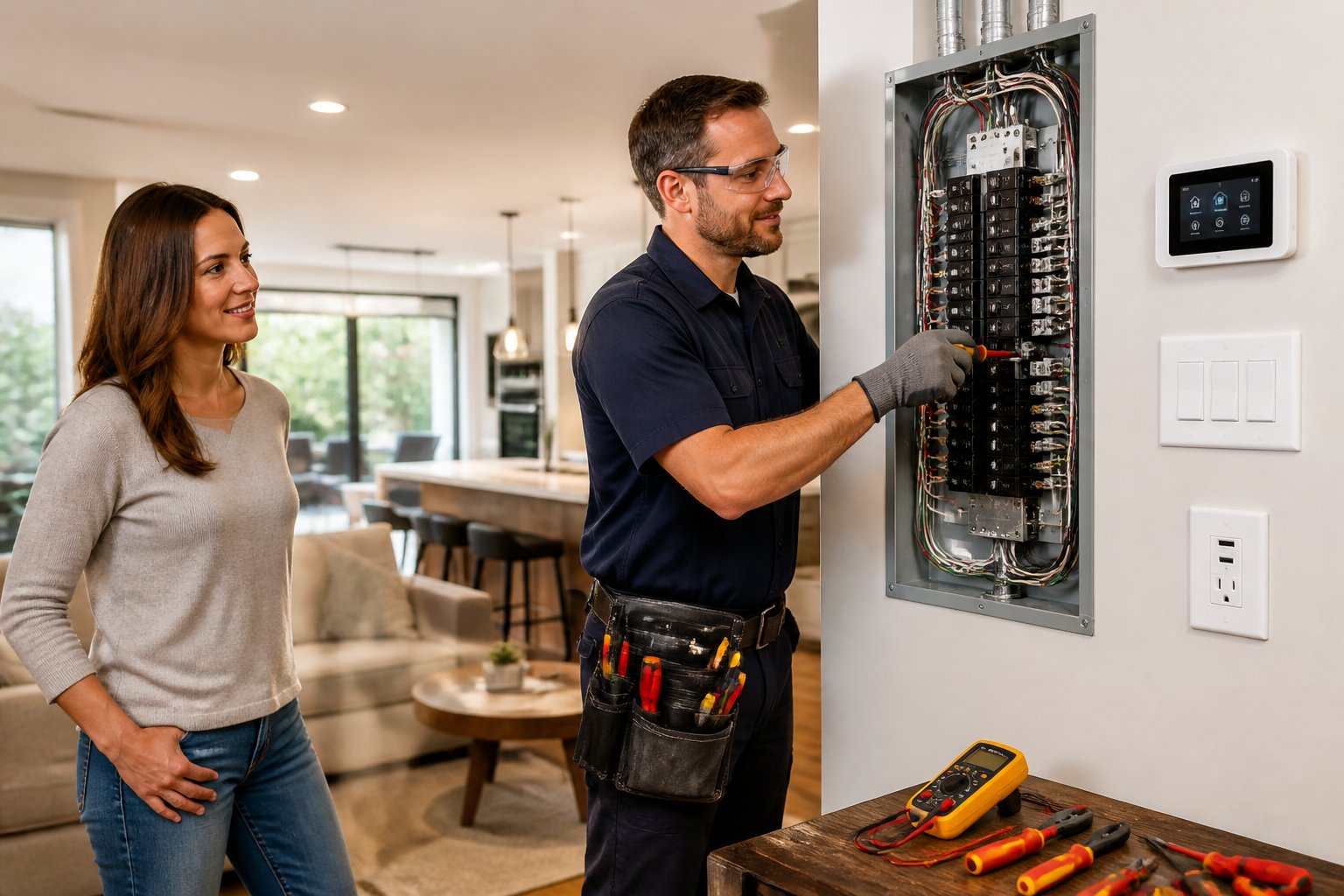
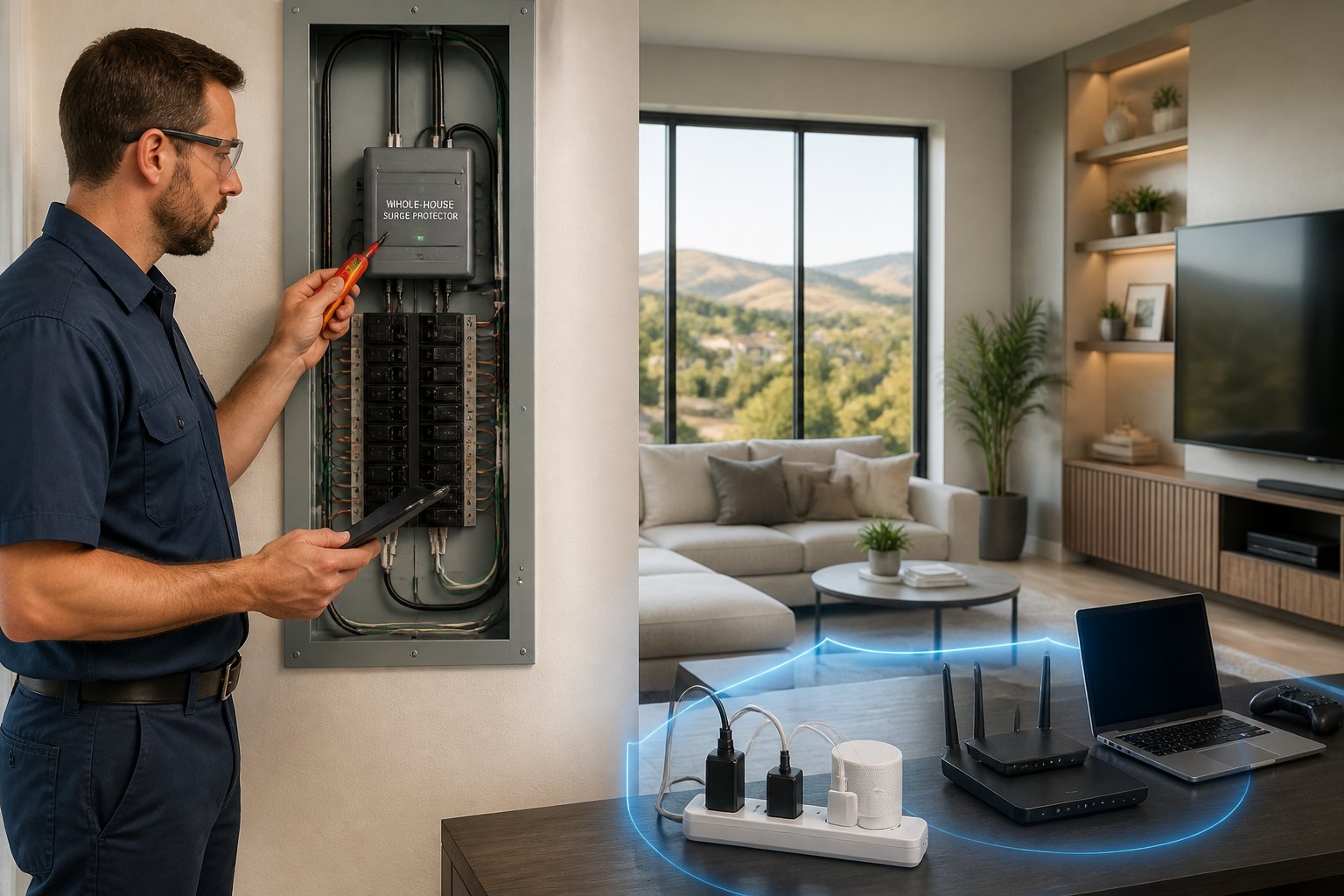
EV charger installation for residential properties in Sacramento is one of the most practical upgrades you can make if you own an electric vehicle. Having a charger at home means you wake up to a full battery and get more control over your charging costs.
For safe, code-compliant home EV charging that fits your daily routine, you need to pick the right charger, check your electrical capacity, and plan your location. In Sacramento, this is especially true—older homes, smaller panels, and heavy summer power use can all play a role.
If you want a straightforward experience, AAA Electrical Services can handle the work with licensed pros. Honest pricing, same-day service, and a focus on safety mean you get answers and a working charger without a ton of hassle.
Choosing the Right Charger for Your Home
The best charger for you depends on your driving habits, parking setup, and how fast you want to recharge. Most Sacramento homeowners end up picking a charging station that fits their commute, their panel, and maybe even their future EV plans.
Level 1 vs. Level 2 Charging Speeds
A Level 1 charger plugs into a standard 120-volt outlet and doesn’t need much installation. It’s easy, but honestly, it charges pretty slowly—fine for plug-in hybrids or if you barely drive.
A Level 2 charger runs on a 240-volt circuit and adds a lot more range per hour. For most drivers, this is the one that actually keeps up with your daily needs, refilling the battery overnight.
When a Level 2 Charger Makes Sense
Go with Level 2 if you commute daily, run lots of errands, or just want a full charge every morning. It’s also a good idea if you plan to keep your EV for a while or might upgrade to a bigger battery.
Honestly, lots of folks start with Level 1 and then switch when they realize how much easier life is with faster charging at home. If you care about convenience, Level 2 is usually worth it.
Picking the Best Home Charging Station Location
The garage is usually the best spot—your equipment stays protected, and the cable run is shorter (which can keep costs down).
If you park outside, you can still install a home charger. Just make sure you’ve got weatherproof gear, a safe place to mount it, and a cable long enough to reach your charge port.
What Your Sacramento Home Needs Before Installation
Before installing any EV charger, your home needs enough electrical capacity, a safe wiring route, and a plan that matches local codes. This step matters, especially in Sacramento, where older homes or crowded panels can complicate things.
A good installation always starts with a home check. It’s not about drilling holes right away or buying a charger on a whim. This avoids nasty surprises and sets you up for a safe install.
Electrical Panel Capacity and Dedicated Circuits
A Level 2 charger needs its own 240-volt circuit—no sharing with other appliances.
Your panel also has to have enough space for the new load. If you’re maxed out, you might need a panel upgrade before adding the charger.
Garage, Driveway, and Outdoor Placement Factors
Garage installs are usually the simplest since the charger’s protected and close to the panel. Outdoor or driveway setups can work too, especially if you need to reach more than one parking spot.
Think about cable length, shade, where your car parks, and whether you’ll want to charge a second EV someday. A smart layout makes life easier and keeps cords from becoming trip hazards.
Permits, Code Compliance, and Safety Checks
In Sacramento, EV charger installation almost always involves permits and an inspection, especially for a new 240-volt circuit. This is to make sure everything meets local code and safety standards.
A licensed electrician should check grounding, breaker size, wire gauge, and where you’re putting the charger. These details really matter for safety and reliability.
How the Installation Process Works
A good EV charger installation follows a step-by-step process, starting with a site review and ending with testing. The goal? Make sure your charger fits your system and works safely from day one.
Once you have a plan, things can move fast. Often, the real time-sink is prepping the electrical side, not mounting the charger itself.
Site Assessment and Load Calculation
First, your electrician checks your panel, what’s already running, and how your parking’s set up. A load calculation shows if your home can handle a new charger.
This step also helps figure out what size charger and circuit you need, and the best wiring route. Getting this right up front saves headaches down the road.
Wiring, Mounting, and Final Testing
After the plan’s set, the electrician installs the circuit, mounts the charger, and hooks everything up. Then comes testing—making sure the breaker, wiring, and charger settings all work.
Testing isn’t just a formality. Your charger needs to be safe and dependable. I always like to see the cable reach the car without weird bends or tension.
What to Expect on Installation Day
On installation day, expect a walk-through and a quick review of the work area. Good electricians keep things tidy and explain what they’re doing as they go.
If you need a permit or panel upgrade, that might add some time. If it’s a straightforward job, you might be done in one visit.
Cost Factors and Long-Term Value
EV charger installation costs depend on the charger, wiring, and your electrical setup. The upside? Charging at home usually pays off in convenience and everyday savings.
Consider both the upfront cost and the value of home charging. For a lot of Sacramento homeowners, it’s an easy decision.
What Affects Project Pricing
Main pricing factors: charger type, circuit length, mounting spot, and labor. If your charger’s close to the panel, it’s usually cheaper than running wires across the house.
The charger itself matters too. A basic Level 2 unit costs less than a smart charger with app controls or scheduling.
When Panel Upgrades Increase the Budget
Older or full panels can bump up your costs. That’s pretty common in Sacramento’s older homes, where the original service wasn’t built for today’s loads.
A panel upgrade isn’t just an expense—it can prep your home for future EVs, solar panels, or other upgrades. Not a bad investment if you’re thinking long-term.
Savings, Convenience, and Property Appeal
Charging at home saves time and cuts down on trips to public stations. You charge on your schedule, usually overnight.
Homes with EV chargers are starting to attract more buyers, especially those already driving electric. As more people go electric, that’s only going to get more valuable.
Why Homeowners Prioritize Professional Electrical Work
Getting a pro to install your EV charger is important. This isn’t a simple plug-in gadget—it’s a hefty electrical load. Safety’s a big deal, especially with your family around.
In Sacramento, using licensed local electricians means peace of mind, neater work, and better planning for the future.
Safety Risks of Improper Setup
If the wiring’s too thin, connections are loose, or the breaker’s wrong, you risk overheating and damaging your equipment—or worse.
A solid EV charger install should make your home safer, not add new risks. This is definitely not the time to cut corners.
Benefits of Licensed Local Installers
Local, licensed installers know Sacramento’s codes, permits, and home styles. They can spot panel issues before they become big problems.
AAA Electrical Services focuses on family safety, clear communication, and flat-rate pricing. That’s the kind of service that matters when you’re adding something new to your electrical system.
Planning for Future EV Needs
A smart installation leaves room for the future—maybe a bigger charger, a better spot, or space for a second EV.
Future-proofing now can save you time and hassle later if your household adds more electric vehicles.
Residential vs. Commercial Charging Considerations
Residential EV charger installs aren’t the same as commercial ones. At home, you’re usually charging one vehicle. Commercial setups need more planning, more stations, and handle heavier use.
This changes the design, permits, and how you calculate electrical loads. It also affects how the equipment gets used day-to-day.
How Home Installations Differ From Business Projects
Home installs focus on convenience, overnight charging, and a single parking spot. Commercial jobs deal with shared use, higher traffic, and more complex planning.
At home, you want a charger that fits your routine and panel. At a business, it’s about serving lots of drivers safely.
When Multifamily or Shared Parking Changes the Scope
If you live in a multifamily building or share parking, things get trickier. Shared electrical access, parking logistics, and billing all come into play.
At that point, the job starts looking more like a commercial install than a simple home upgrade. Planning becomes even more important.
Frequently Asked Questions
How much does it typically cost to install a Level 2 EV charger at home in Sacramento?
Costs vary a lot. A simple job with a nearby panel can be affordable, but longer wire runs or panel upgrades will add to the price.
Do I need a permit or inspection to install a home EV charger in Sacramento?
Usually, yes—especially for a new 240-volt circuit or a hardwired charger. Permits and inspections make sure everything meets local code and safety standards.
Can my home’s electrical panel handle an EV charger, or will I need an upgrade?
It comes down to your panel’s capacity and what else you’re running. An electrician can check your load, breaker space, and service size to see if you need an upgrade.
What’s the difference between Level 1 and Level 2 charging, and which is best for my daily driving?
Level 1 uses a regular 120-volt outlet and is slow. Level 2 runs on 240 volts and charges much faster. For daily Sacramento driving, Level 2 is usually the better bet.
Which EV charger models are most compatible with my car, and what does Volvo recommend?
Most modern EVs work with common Level 2 chargers if the connector and specs match. Volvo generally supports standard Level 2 equipment—just make sure the charger matches your car’s limits and connector type.
How long does a typical home EV charger installation take from start to finish?
Most of the time, you’re looking at just a day for a basic install—pretty quick, really. But if your setup needs something extra, like a panel upgrade, permits, or a tricky wire run, things can drag out. From the first visit to that final thumbs-up, it might take a bit longer.