Thinking about adding an EV charging outlet in Carmichael? You can get a safe, code-compliant Level 2 outlet that charges way faster than a regular plug—often finishing overnight, so daily driving gets a whole lot easier.
Here’s what you need to know: what installation involves, how to pick the right outlet for your car and home panel, and which local rules or upgrades might actually matter. AAA Electrical Services focuses on safety-first electrical work from licensed professionals, offers same-day service when possible, and keeps vans stocked for quick fixes—so your project doesn’t drag on.
We’ll also touch on cost factors, hiring a pro, and some basic maintenance tips, so you can plan confidently and keep your family and home protected.
Understanding EV Charging Outlet Installation
An EV charging outlet lets you charge an electric vehicle at home, faster and safer than using a regular wall plug. Here’s what the outlet is, why it matters for your daily routine and wallet, and the common types you’ll see in homes around Carmichael.
What Is an EV Charging Outlet?
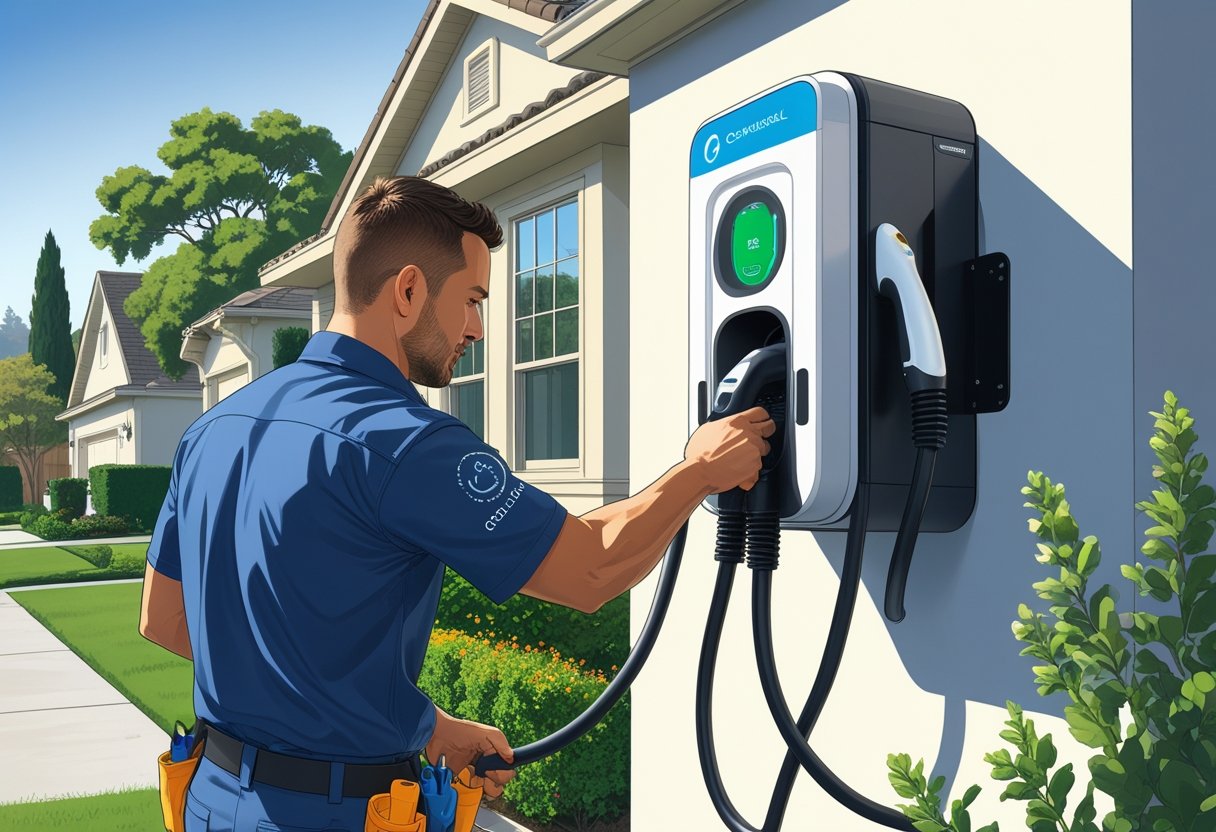
An EV charging outlet is just a dedicated electrical connection for charging electric vehicles. Most home setups use a 240-volt circuit with a Level 2 charger, or a 240V outlet for a portable EVSE (electric vehicle supply equipment).
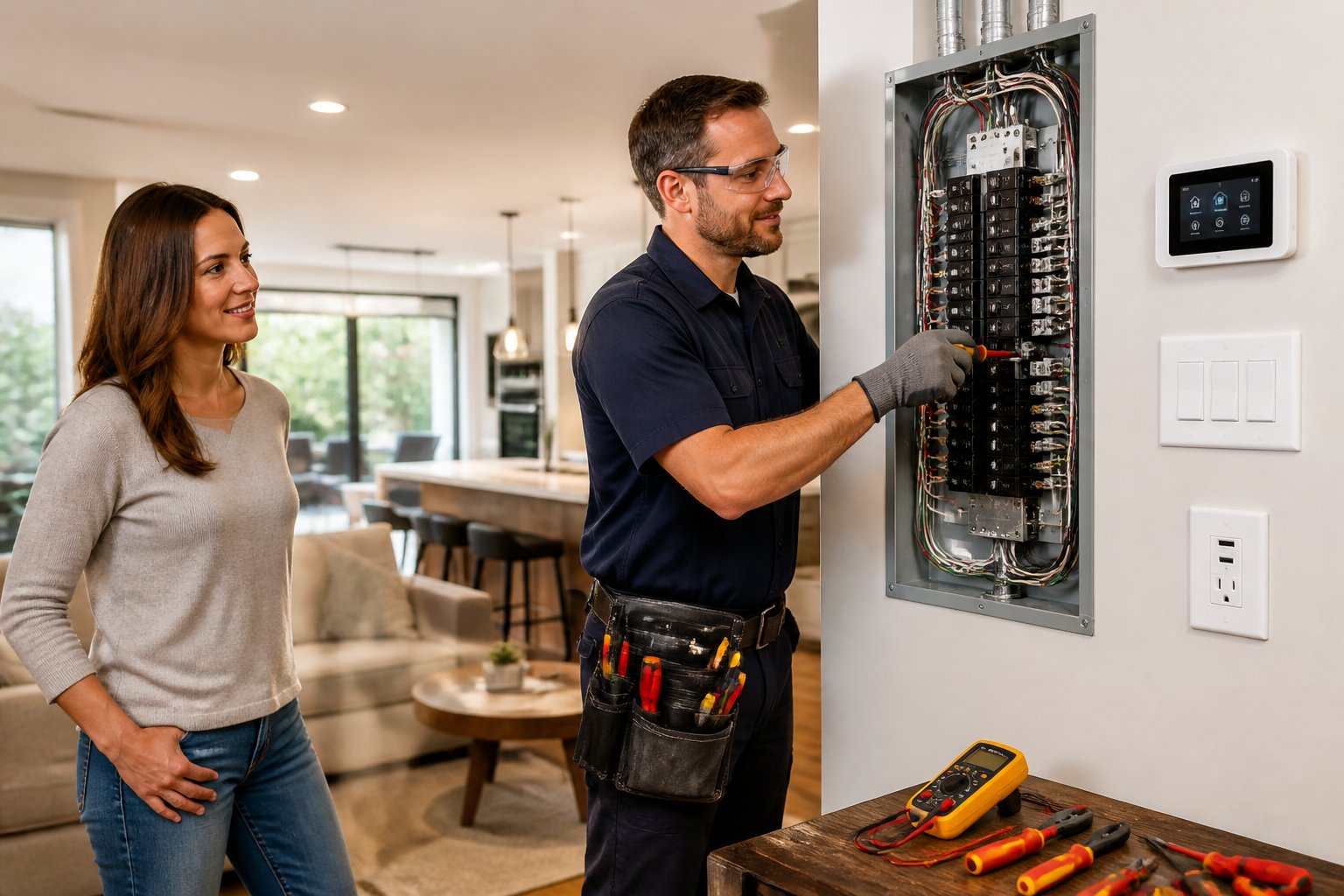
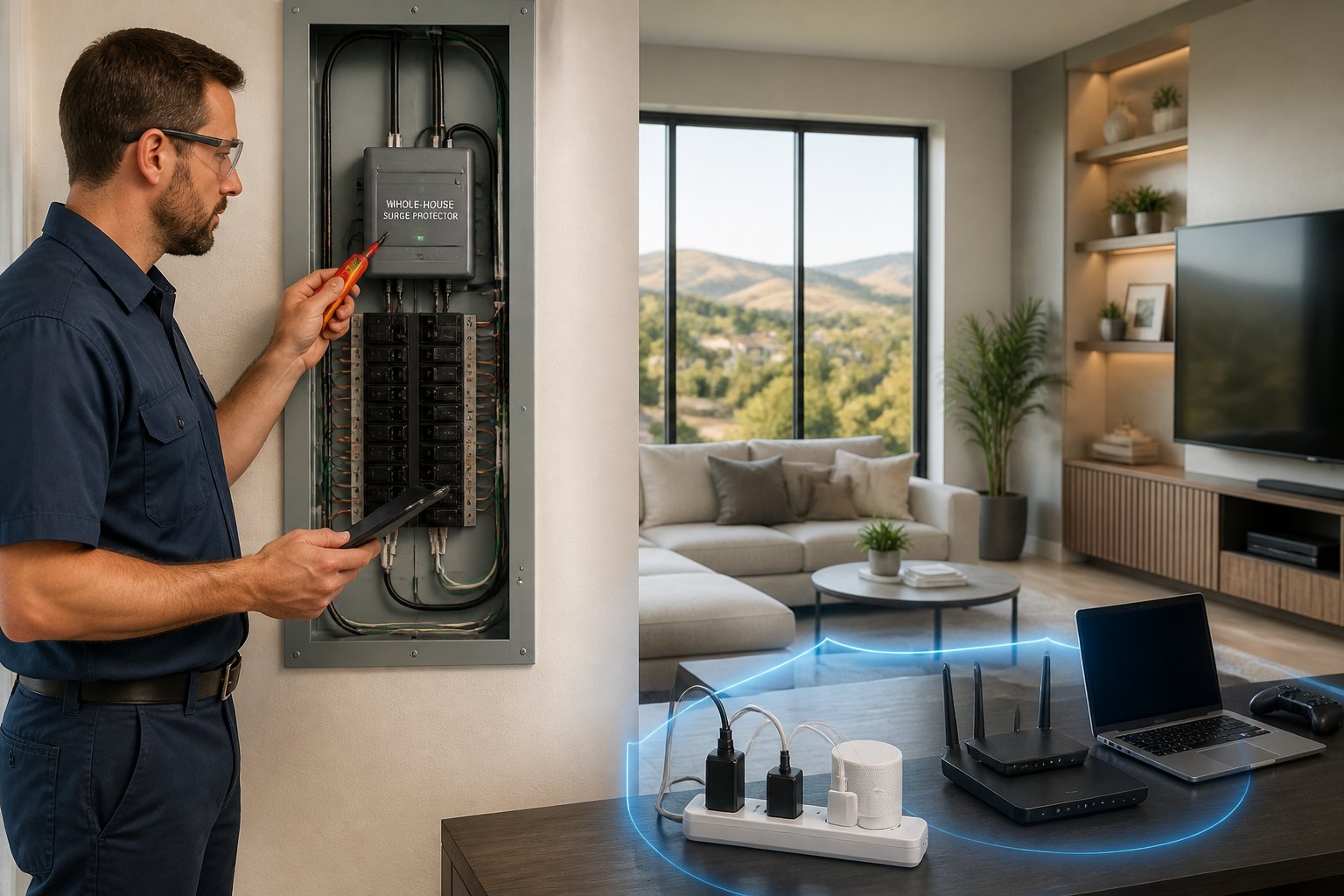
A licensed electrician installs a dedicated circuit, breaker, and the right outlet or hardwired station. They’ll check your panel capacity—if it’s not enough, they’ll recommend a panel upgrade, so you don’t overload your system. Permits and code-compliant work keep everything safe and legal.
When pros handle the job, you lower fire and shock risks. You get reliable charging and peace of mind that your setup matches your car’s charging limits.
Benefits of Installing an EV Charging Outlet
Charge at home overnight and start each day with a full battery—no more last-minute public charging stops. Charging at home usually costs less per mile than public fast chargers or gas, so your daily driving costs drop.
A home outlet gives you more control over when you charge. You can set charging for off-peak hours to cut electricity bills or use a smart charger to manage energy use. A dedicated circuit also keeps other home circuits safe from overloads.
Down the road, a properly installed EV outlet makes it easier to upgrade—like adding solar or stepping up to a higher-power charger. If you need it done fast, same-day service and flat-rate pricing get you set up without surprises.
Types of EV Charging Outlets
Level 1 uses a standard 120V household plug. It’s slow—adds just a few miles of range per hour—but it’s simple and doesn’t need special wiring. If you don’t drive much, this works.
Level 2 uses a 240V outlet or hardwired charger and charges much faster—usually enough to fill up overnight. This setup needs a new circuit, breaker, and sometimes a panel upgrade. Costs depend on your home, so an electrician will need to check your panel and wiring first.
Some setups use a dedicated NEMA 14-50 or similar 240V outlet for a portable EVSE. Others go with a hardwired wall box. Your electrician can recommend the best option based on your car, driving habits, and your home’s electrical setup. AAA Electrical Services sends licensed, background-checked techs who can size up your needs and give you a clear, flat-rate price.
Choosing the Right EV Charging Outlet for Your Needs
Pick a charger that fits your daily driving, your car’s plug, and your home’s electrical capacity. Consider charge speed, installation cost, and safety—think about how you actually use your EV around Carmichael.
Level 1 vs. Level 2 Chargers
Level 1 chargers plug into any 120V outlet and add about 2–5 miles of range per hour. Good enough if you don’t drive much or have long overnight parking.
Level 2 chargers use 240V and give you 10–30 miles of range per hour. They need a dedicated 240V circuit or a hardwired wall unit. If your panel needs an upgrade, installation costs more.
If you want fast charging every day, go with Level 2. If you rarely drive or want the cheapest install, Level 1 is fine. But if you’re thinking ahead—maybe a second EV or longer commutes—Level 2 is the safer bet.
Compatibility with Your EV Model
Check your EV’s onboard charger and plug type. Most U.S. EVs use the SAE J1772 plug for AC charging; Teslas need an adapter for J1772. Look up your car’s max AC charging rate (kW or amps).
Match the charger’s output to your car’s limit. If you install a faster charger than your car can use, it won’t hurt anything, but you’ll pay for extra capacity you can’t use. If you want smart features like scheduled charging or app control, make sure the charger supports them.
If you plan to keep your car a while, pick a charger that’s compatible with common plug types and smart features—makes life easier if you switch vehicles later.
Power Requirements and Capacity
Figure out your home’s panel size and available breaker space before you buy a charger. Level 2 chargers usually need a 30–50 amp dedicated circuit and a 240V supply. Older homes might need a panel upgrade to handle that load.
Have a licensed electrician do a load calculation so you don’t overload your system. Upgrades could mean a bigger panel or a subpanel in the garage. Ask about permits and local code rules for Carmichael.
AAA Electrical Services offers same-day assessments and flat-rate pricing, so you’ll know upgrade costs up front. Licensed pros make sure your new charger won’t trip breakers or cause safety issues.
The EV Charging Outlet Installation Process in Carmichael
Here’s what to expect: what the electrician checks, how permits work around Carmichael, and the steps for a safe, code-compliant Level 2 outlet. You’ll get a licensed electrician, clear pricing, and attention to your panel and circuit needs.
Initial Site Assessment
A technician comes out and checks your garage or driveway and your electrical panel. They look at panel capacity, breaker space, and how far the charger will be from the panel. This shows whether you need a new dedicated 240V circuit or a panel upgrade.
They’ll also look at driveway layout, conduit runs, and weather exposure if the outlet goes outside. Want faster charging? Tell them your EV’s onboard charger rating and how much you drive—helps them size the circuit and recommend the right charger.
AAA Electrical Services can do this assessment with same-day scheduling, a flat-rate quote, and a stocked van for quick fixes.
Permitting and Local Regulations
Carmichael follows Sacramento County and local building codes for electrical work. You’ll need a permit for a new 240V circuit or panel upgrade. The electrician handles the plans and may schedule an inspection after installation to check for code compliance.
Permit fees and timelines vary, so ask if the quote covers permit costs and filing fees. If you need a panel upgrade, inspectors check wire sizing, breaker labeling, and grounding. Permits protect your home insurance and keep the install legal.
Licensed and insured techs take care of paperwork and inspections, so you don’t have to stress about code stuff.
Step-by-Step Installation Process
First, the crew shuts off power and installs a dedicated 240V breaker sized for your charger. They run wiring from the panel to the charger spot, using conduit if code requires. Wiring gets secured, labeled, and routed to avoid trip hazards.
Next, the electrician mounts the outlet or hardwired charger, makes connections, and sets up any smart-charger features. They test voltage, check ground-fault protection, and run a full charging test with your car. If you needed a panel upgrade, they’ll replace or add a subpanel and retest everything.
If an inspection is required, the inspector comes out. Once you pass, the tech shows you how to use the charger, explains safety stuff, and gives you warranty and service info. You’ll get a written invoice with details on the work and any future upgrade recommendations.
Hiring a Professional EV Charging Outlet Installer
You want an installer who keeps your family safe, follows code, and gets your Level 2 charger working right. The right pro handles permits, panel checks, and a clean install with clear pricing.
Qualifications to Look For
Pick a licensed electrician with experience installing EV chargers and working on 240V circuits. Check for a current state license number and proof of insurance—just in case.
Look for techs who are background-checked and Nexstar- or state-certified. That means formal training and a focus on safety. Ask if their vans are stocked for common parts so they can finish in one trip.
Find out if they’ve worked in Carmichael or nearby cities like Sacramento and Folsom. Local experience means they know the permit rules and utility quirks. Written estimates and a clear timeline help you avoid headaches.
Questions to Ask Potential Installers
Ask if they’ll inspect your panel and tell you if you need a panel upgrade or dedicated circuit. Get specifics: charger amperage, circuit size, and whether a permit is included in the quote.
Request proof of license and insurance, plus references or photos of past EV installs. Ask for an itemized, flat-rate estimate that lists labor, parts, permit fees, and any extras. Makes comparing bids way easier.
Ask about scheduling and same-day availability. If you’re in a hurry, see if they offer a stocked van “warehouse on wheels” approach to avoid extra trips. Confirm warranty terms and a satisfaction guarantee in writing.
Benefits of Professional Installation
A pro electrician connects your charger to the right circuit and follows NEC and local codes. That lowers fire risk and avoids failed inspections or insurance hassles.
Professionals handle permits and utility coordination, saving you time and headaches. They’ll test the install, set up charger settings if needed, and leave your garage clean.
Going with a trusted local company with flat-rate pricing and a satisfaction guarantee gives you predictable costs and peace of mind. AAA Electrical Services sends licensed, insured techs and offers same-day options to keep your home safe and charging reliably.
Cost Factors for EV Charging Outlet Installation
Installation cost depends on charger type, your home’s electrical panel, permits, and any upgrades. Trades, parts, and local rules all shape the final price.
Breakdown of Installation Costs
Level 2 outlet and charger hardware usually run $300 to $900 for most homes. Labor in Carmichael adds $250–$1,500, depending on how far your panel is and electrician rates.
If your panel has room, adding a dedicated 240V circuit is pretty straightforward and cheaper. If you need a panel upgrade for a 40–60 amp breaker, budget another $800–$2,500. Trenching, long conduit runs, or meter upgrades will bump up the price.
Permit fees and electrical inspections in Sacramento County or Carmichael typically add $50–$300. If there’s subcontracted work, like concrete or roof penetrations, expect the bill to go up. Ask for a flat-rate quote that lays out parts, labor, permits, and subs.
Potential Rebates and Incentives
Local and state programs can help lower your net cost. California often has EV charger rebates, and Sacramento utilities may cover part of the hardware or install.
Federal tax credits sometimes apply for home energy projects; eligibility changes, so double-check the latest before you buy. Your installer can help with paperwork and provide equipment invoices for rebates or credits.
Hang on to permits, receipts, and model numbers. These speed up rebate approval and make sure you don’t miss incentives tied to certain chargers or installer certifications.
Cost-Saving Tips
Pick a charger size that fits your driving. A 32-40 amp Level 2 charger covers most daily commutes and costs less to install than bigger units.
Get quotes from licensed electricians who break down pricing. Look for flat-rate, upfront pricing and same-day service to avoid surprise fees. AAA Electrical Services offers same-day visits, stocked vans, and flat-rate quotes to cut delays and repeat trips.
If you can, schedule installation with other electrical work to save on mobilization fees. Also, check for utility off-peak charging programs to lower your ongoing energy costs after install.
Safety Considerations for EV Charging Outlets
Check your local rules, choose outlet locations wisely, and stay on top of regular maintenance to keep charging safe and reliable. Stick to electrical standards, place outlets to avoid hazards, and inspect wiring and hardware every so often.
Electrical Safety Standards
Installations need to meet the National Electrical Code (NEC) and local Carmichael permits. You’ll want a dedicated 240V circuit with the right breaker to prevent overloads. Use a ground-fault circuit interrupter (GFCI) or equipment-rated protection where required.
Hire a licensed electrician who’ll pull permits and pass inspections. That’s the best way to reduce fire risk and make sure your panel can handle a Level 2 charger. Hang onto your permits and inspection reports—they help with warranties and resale.
Label the charger’s circuit at the panel. If your panel’s old or crowded, pick one sized for future needs, not just today. AAA Electrical Services can check your panel’s capacity and recommend upgrades while staying on code.
Proper Outlet Placement
Put the outlet close to where you park—usually 3–6 feet from the front or side of your car, so the cable actually reaches. Mount the inlet high enough to avoid tripping, maybe 18–48 inches off the floor. Don’t put outlets where water collects.
If it’s outside, make sure the outlet’s under a cover and use weatherproof gear. Keep at least 3 feet away from combustibles like gas meters or paint cans. If you’re mounting the charger on a wall, anchor it to something solid and follow the manufacturer’s specs.
Plan your cable route so you don’t drive over it or pinch it. Use conduit where the cable could get damaged. Thinking ahead? Leave space for a second charger or another car.
Routine Inspections and Maintenance
Check cords, plugs, and the outlet every 3–6 months for cracks, frays, or discoloration. After charging, feel the breaker and panel for warmth or tripped breakers. Swap out damaged cables right away—don’t try to tape or patch them.
Get a pro inspection every 1–3 years, or sooner if something seems off, like a burning smell or slow charging. Jot down inspection dates and repairs in a simple log. For quick repairs, certified techs with stocked vans can handle most fixes on the spot.
Test GFCIs monthly. During pro visits, have them tighten connections at the outlet and panel—loose contacts can cause arcing. Staying on top of this stuff keeps your charger reliable and your home safer.
EV Charging Outlet Maintenance and Troubleshooting
Keep an eye on your outlet, cable, and breaker to avoid downtime and safety headaches. Regular checks and quick fixes can keep things running smoothly and your house protected.
Regular Maintenance Practices
Look over the outlet and cable every month. Notice cracks, discoloration, or loose plugs? If you spot melting or burn marks, stop charging and call a pro.
Wipe connector pins and housing with a dry cloth. Don’t spray cleaners or water into the outlet. Clear away debris and moisture to prevent corrosion.
Twice a year, test the dedicated circuit—flip the breaker off and on to see if it trips. If the breaker trips often, you might need a panel upgrade or some load balancing.
Book an annual electrical inspection. A licensed tech will check wiring, tighten terminals, and confirm you’re up to code. With stocked vans, most fixes happen right then and there.
Common Issues and Solutions
Charger won’t start? Check if the breaker’s on and the plug’s fully seated. Try another EV to rule out car-side issues. If the breaker’s tripped or feels hot, stop and call a licensed electrician.
Slow charging? Make sure the charger’s set to the right amperage and your car can handle it. Check the outlet for voltage drop or loose connections. Sometimes, the panel just can’t keep up—a panel upgrade could help.
Intermittent charging? Look for a damaged cable, dirty connector, or bad ground. Clean contacts, reseat the plug, and see if that helps. If not, the controller or wiring might be the culprit—time for a pro.
Error codes or lights? Jot down the code or pattern. Check the manual for clues. If it keeps happening, let a tech figure out what’s up with the controller or the link between charger and car.
Need help? AAA Electrical Services offers safety-first electrical work by licensed pros, with flat-rate pricing and stocked vans for quick fixes in Carmichael and nearby areas.
Why Choose Carmichael for EV Charging Outlet Installation
Carmichael’s got easy access to licensed electricians, some local incentives, and a growing EV scene. You can get faster installs, clear pricing, and services that actually look out for your family and home.
Local Support and Community Initiatives
In Carmichael, you’ll find electricians who know Sacramento County codes and typical home setups. They’ll check your panel, suggest upgrades if needed, and install a 240V outlet or Level 2 charger safely. Licensed pros focused on safety keep risks down for your household.
Sometimes local programs or utility rebates help with the cost. Ask about incentives before you book. With same-day service and stocked vans, you get fixes fast, usually in one visit.
AAA Electrical Services covers Carmichael with flat-rate pricing, background-checked techs, and a 100% satisfaction guarantee. That’s pretty reassuring if you ask me.
Growth of EV Adoption in Carmichael
More folks in Carmichael are choosing plug-in cars every year, so home charging demand just keeps climbing. That means more electricians around here have real EV experience and carry gear for the chargers people actually use.
This trend has perks: homes with chargers tend to sell better, and neighbors are more likely to offer advice if you ask. If you install now, you’re setting yourself up for newer EVs and faster charging down the road.
Most Level 2 installs take a few hours to a day, but if your panel is maxed out or you need a long conduit run, it could take longer. Honest pricing and a clear plan help you dodge surprises.
Frequently Asked Questions
Here are some specific answers about costs, permits, safety, timing, and local help for EV charging outlet installs in Carmichael. You’ll find what affects price, who should do the work, typical timelines, electrical limits, safety basics, and possible local rebates.
What factors influence the installation cost of an EV charging point?
Charger type matters: Level 1 uses a regular outlet and costs little, while Level 2 (240V) takes more work and costs more.
Your home’s electrical panel, distance from panel to parking, and whether you need a new 240V circuit or panel upgrade all change the price.
Permit fees, inspection charges, and local labor rates add to the total. Trenching, conduit, or adding a subpanel will bump up costs too.
Is special certification required for electricians to install EV chargers?
Yes. Always hire a licensed electrician who follows California electrical code and local permits.
Look for state-certified electricians with EV charger experience.
AAA Electrical Services uses licensed, insured, and background-checked techs, offering safety-first electrical work by professionals.
How long does it typically take to install an EV charging station at home?
A simple Level 2 install with an easy-access panel usually takes 2–4 hours.
If your panel needs an upgrade, or the run is long or needs trenching, plan for a full day or more.
Same-day service is possible if parts are on hand. Stocked vans help speed things up and cut down on return visits.
Can existing electrical systems support the installation of a Level 2 EV charger?
A lot of homes can support a Level 2 charger, but you’ll need a panel capacity check first.
A licensed electrician will test the load, check breakers, and confirm if there’s enough spare capacity—or suggest a panel upgrade.
If your panel’s full or outdated, upgrades or a subpanel might be needed to meet code and charging needs.
What are the recommended safety protocols for EV charger installation?
Always turn off power at the panel before any wiring. Use the right breaker and wire gauge.
Install a dedicated 240V circuit, follow the manufacturer’s wiring specs, and get the install inspected by the local authority.
Use weatherproof enclosures for outdoor gear and install a GFCI or other required protection. Licensed professionals focused on safety keep risks low.
Are there any incentives or rebates available for installing an EV charger in Carmichael?
There might be state or local rebates, some utility incentives, or even federal tax credits—though it really depends on what’s available right now.
Take a look at Sacramento-area utility programs and California’s EV incentive pages. Oh, and don’t toss your receipts or permit paperwork—you’ll probably need those if you end up applying.